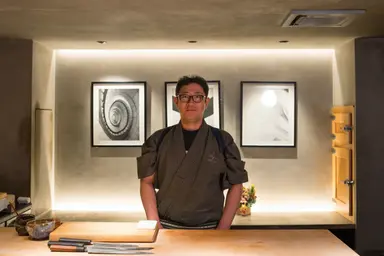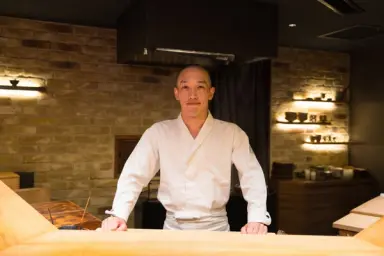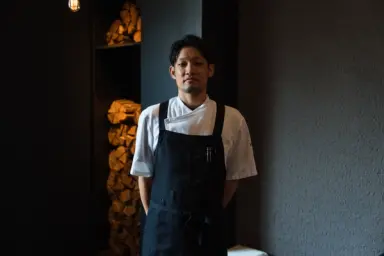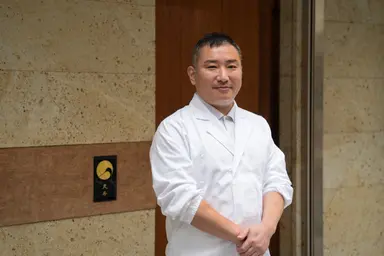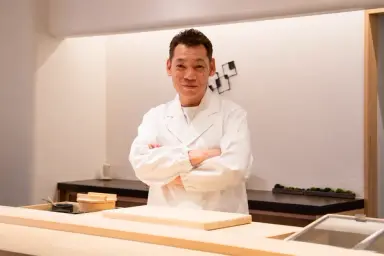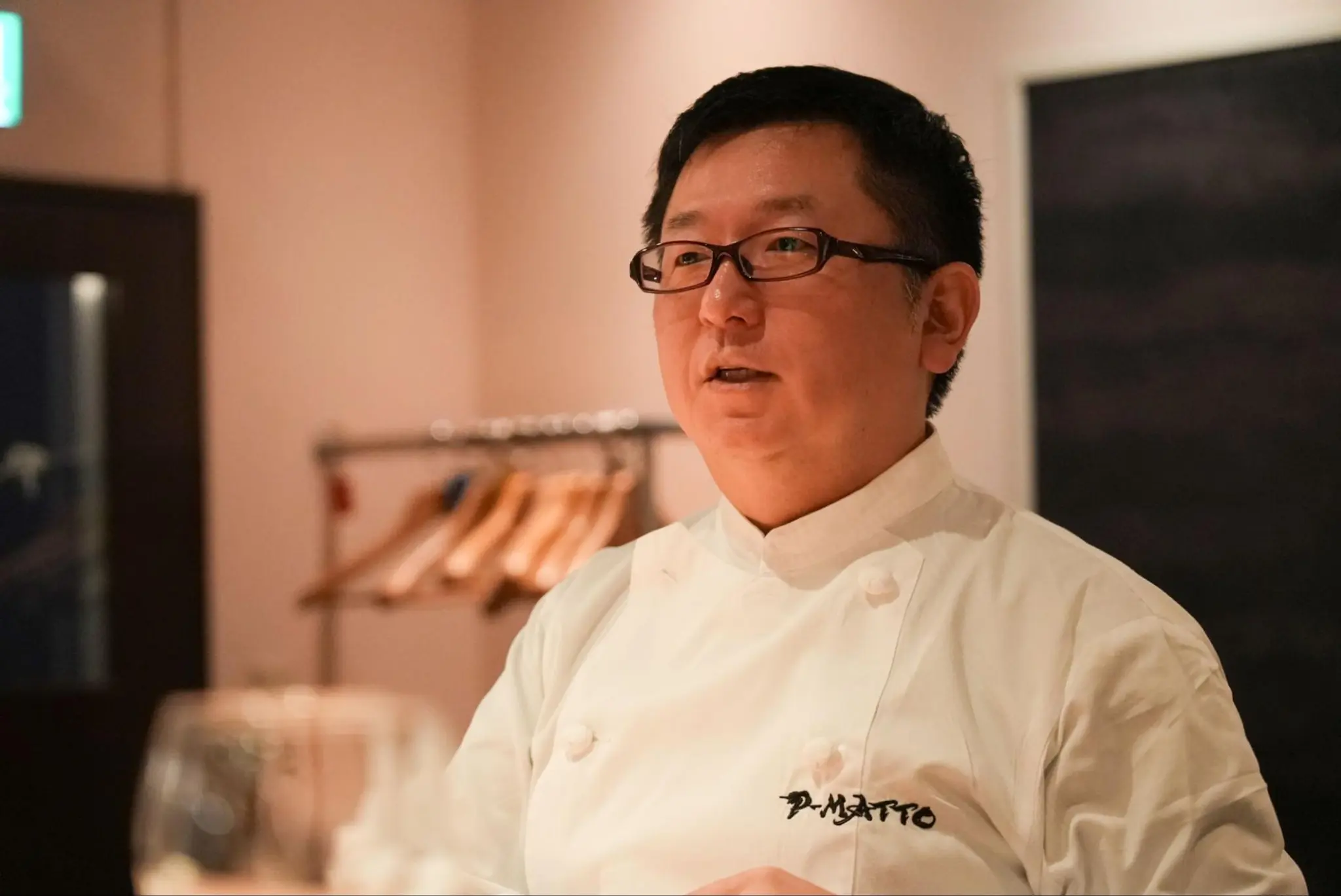
A vision for the future: The aspirations of Masato Hirai of 【P-MATTO】, who is unafraid of change and is constantly exploring what a restaurant should be.
Curiosity for “food” led the way to a culinary career
ーーーWhat inspired you to become a chef?
I’ve loved eating since I was a kid, and I think my parents’ passion for dining out played a big role. My family had a tradition of going out to eat together at least once a month, sometimes traveling 30 minutes to an hour by car to reach a restaurant. At home, my mother would recreate or adapt the flavors we experienced at those places. So from an early age, I developed a deep interest in food. Also, because my mother ran a health food store, we always ate brown rice at home.
ーーーDid your mother sell health foods?
Yes, she did. I remember in sixth grade, I went to a friend’s house and tried regular store-bought potato chips for the first time. They were so delicious that I actually got goosebumps (laughs). In hindsight, it was the flavor of MSG that made them taste so incredible, but at the time, it was a shocking and eye-opening experience. It deepened my fascination with food even more, and after I became a chef, I dedicated myself to understanding flavor without relying on MSG.
ーーーWhat led you to become a chef?
I saw a job posting on my university’s bulletin board from a high-end Italian restaurant that students like me normally couldn’t afford. I thought, “If I work here, I’ll get to eat delicious food.” That’s how I started, and I quickly became hooked on Italian cuisine. At the time, I lived in Gunma Prefecture, but I made trips to Tokyo to visit the renowned Italian restaurants featured in magazines, pouring my part-time wages into exploring different places. Eating out became my hobby during university.
However, since each trip to Tokyo was costly, I could never seem to have enough money. That’s when I thought, “I should study and learn how to make this myself.” While working, I began hosting gatherings where I’d cook for friends in exchange for a small fee. Then, an opportunity to go to Italy presented itself. That experience turned my passion for food from a hobby into a career path, and I decided to fully embrace becoming a chef.
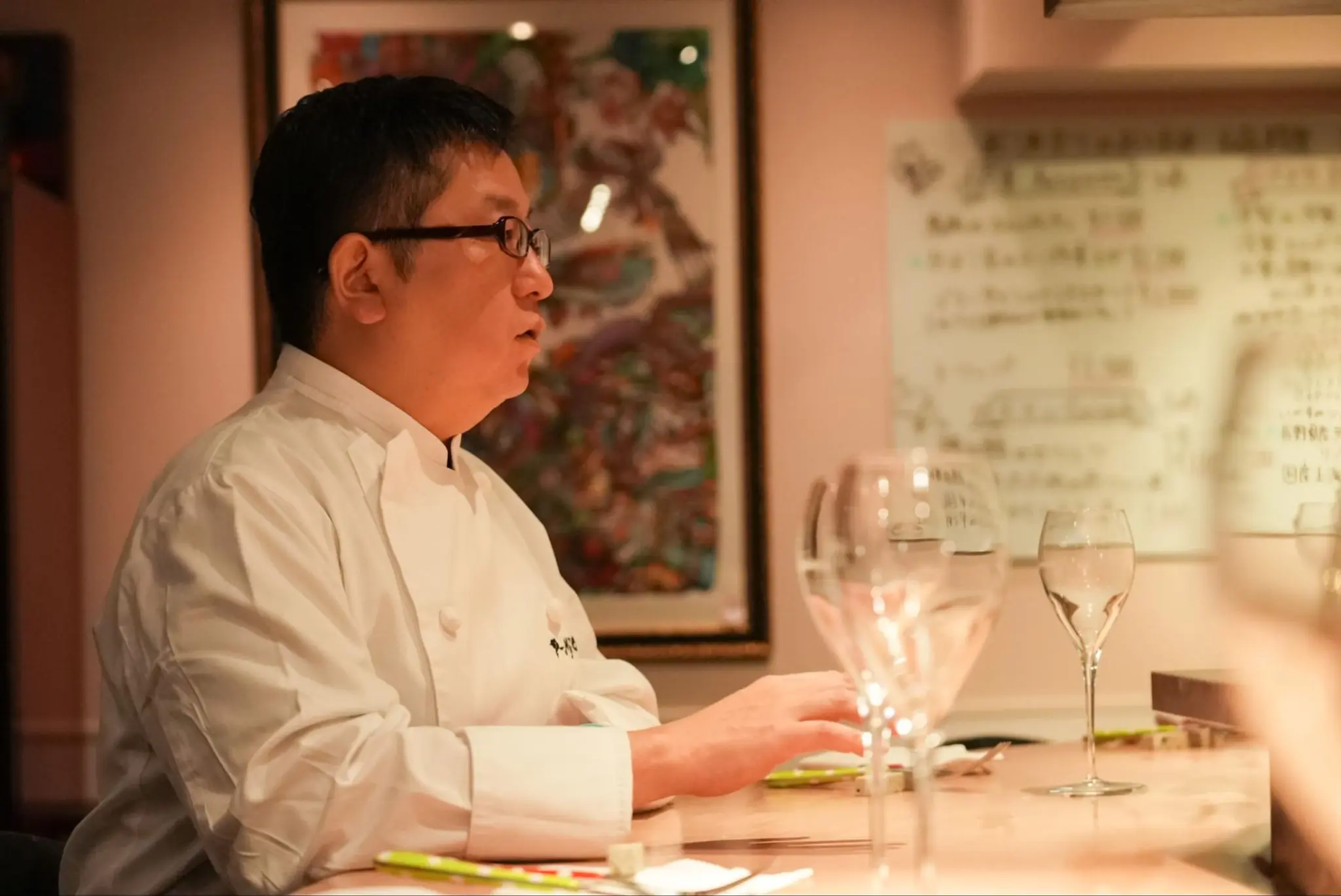
ーーーWhat was life in Italy like?
I first enrolled in a culinary school in Domodossola, a city in northern Italy. I participated in a six-month program that combined classroom learning and practical experience in restaurants. While I was there, I didn’t just study; I also visited various restaurants to try their food. Even before going to Italy, I’d been reading cookbooks about renowned Italian chefs, and I had a strong desire to work under Chef Ochiai. So I sent a letter from Italy, and to my surprise, Chef Ochiai called the restaurant where I was training.
He told me to contact him once I returned to Japan, but when I mentioned I’d be coming back in six months, Chef Ochiai insisted that I stay in Italy for at least a year. I ended up applying for a visa and staying for over a year. However, just three months before I was set to return, I found out that Chef Ochiai had left the restaurant where he’d been working! I panicked and reached out to him. He asked me to let him know when I’d be back, and when I finally returned to Japan, we were able to meet. After discussing various things, we decided that I’d go back to my hometown, work part-time, and wait until he opened his next restaurant. About six months later, I was reading some cookbooks and came across a magazine article announcing that Chef Ochiai was opening a restaurant in Ginza. I thought, “Here we go again!” (laughs). I immediately called him and eventually moved to Tokyo. At 23, I became part of the opening staff at 【LA BETTOLA da Ochiai】.
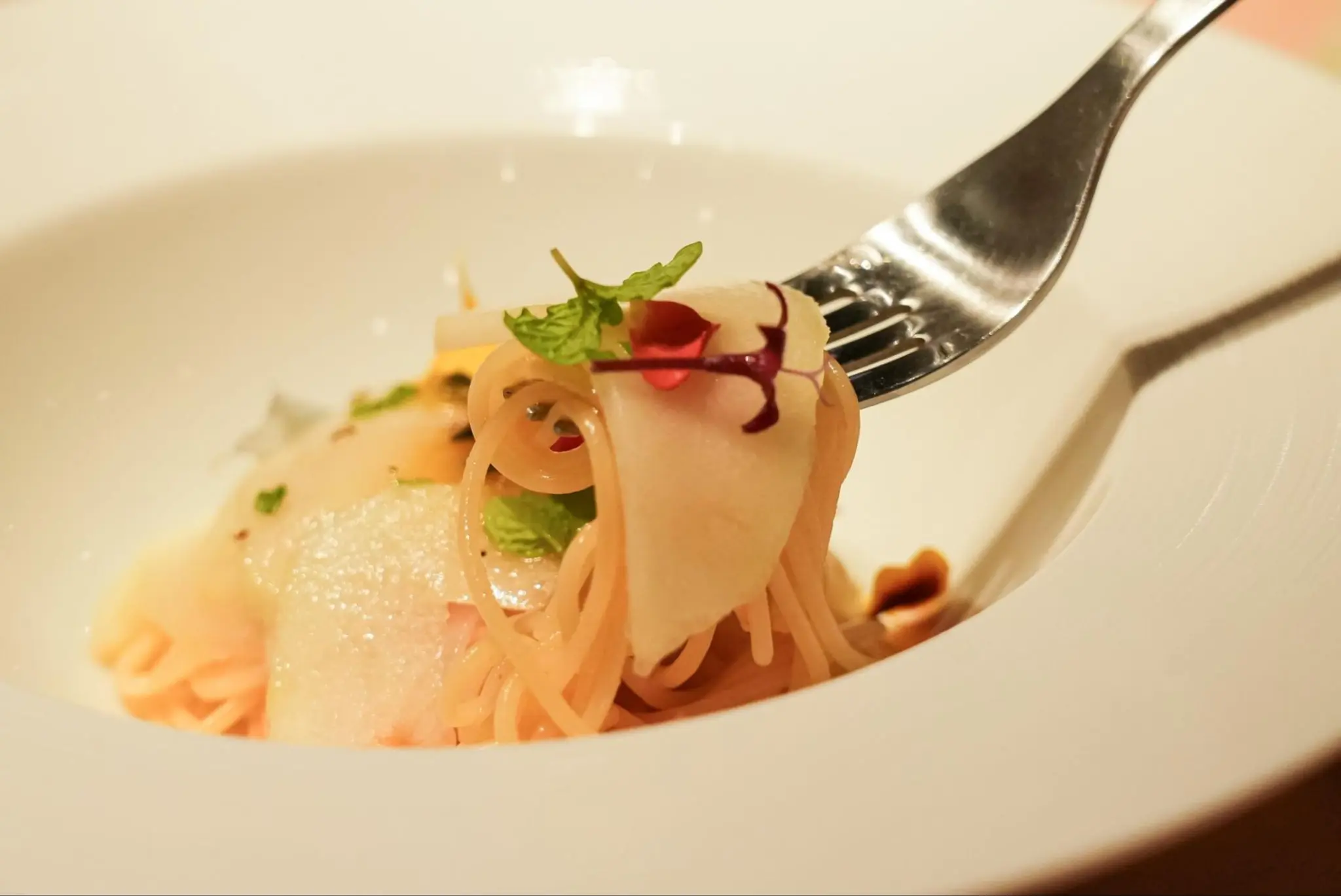
"omakase" style, he quickly rose to fame as a star chef
ーーーCould you tell us about the path you took to become independent?
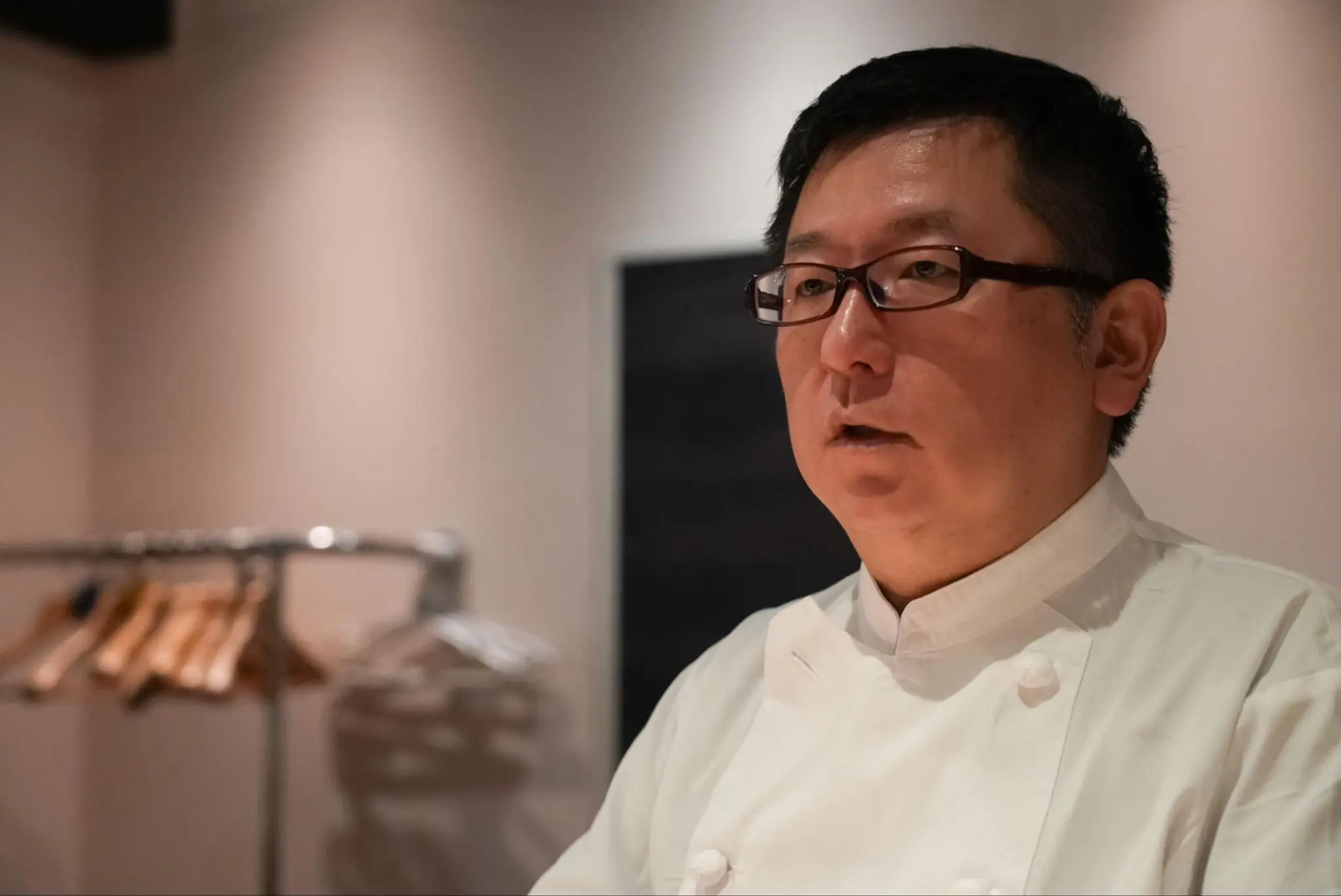
After leaving Chef Ochiai’s restaurant, I continued to help out at various establishments thanks to recommendations from senior colleagues. I had a dream of becoming independent by the time I was 30, so I founded a company in 2004. At the age of 29, I managed to open my first restaurant, 【DAL-MATTO】, in Nishi-Azabu.
I wanted to keep the price range affordable while still respecting the ingredients, so I visited numerous production areas and farms. From working under Chef Ochiai, I learned that being able to maintain low costs often comes down to the chef’s network and connections. Relationships matter, after all. Although I couldn’t reach the same level of influence as Chef Ochiai, I wanted my customers to enjoy a variety of dishes. That’s why I initially started with a multi-course menu priced at 5,000 yen. However, as I explored new ingredients and found ones I really wanted to use, I often found that the costs didn’t align with the restaurant’s concept. With a lot of consultation, negotiation, and help from producers and suppliers, I was able to realize a pricing structure that worked.
ーーーWhy did you decide to go with an “omakase” course?
Back then, “omakase courses” simply didn’t exist outside of sushi restaurants. Twenty years ago, most dining establishments offered either prix-fixe courses or à la carte menus. The only places you’d find “omakase” were sushi bars, and even then, it wasn’t the widespread concept it is today. At the time, it was more of a special privilege reserved for regular customers who visited the same sushi restaurant frequently. I found that idea very appealing and wanted to emulate it. I thought, why not start my own restaurant with “omakase” from the get-go? By noting customers’ dislikes and preferences beforehand, and then trusting us to curate their experience, we could offer even first-time diners the feeling of being long-time regulars.Another benefit was that by knowing the number of reservations ahead of time, we could order seasonal ingredients in bulk. This allowed us to negotiate lower prices and reduce food waste, which in turn helped lower food costs. Those savings could then be passed on to our customers. It turned out to be advantageous for both the restaurant and our guests.
In the beginning, there were suggestions from others like “You should write out a menu” or “Why not offer an à la carte option?” But over time, our customers got used to the format. At that point, there weren’t any online review sites; people mostly found us through magazine features and word of mouth. Interest grew, and so did our customer base.
Anticipating the changing times, you’ve embarked on a new challenge... but
ーーーWhile “omakase courses” have become the norm nowadays, I hear you intentionally changed your approach with this recent renewal?
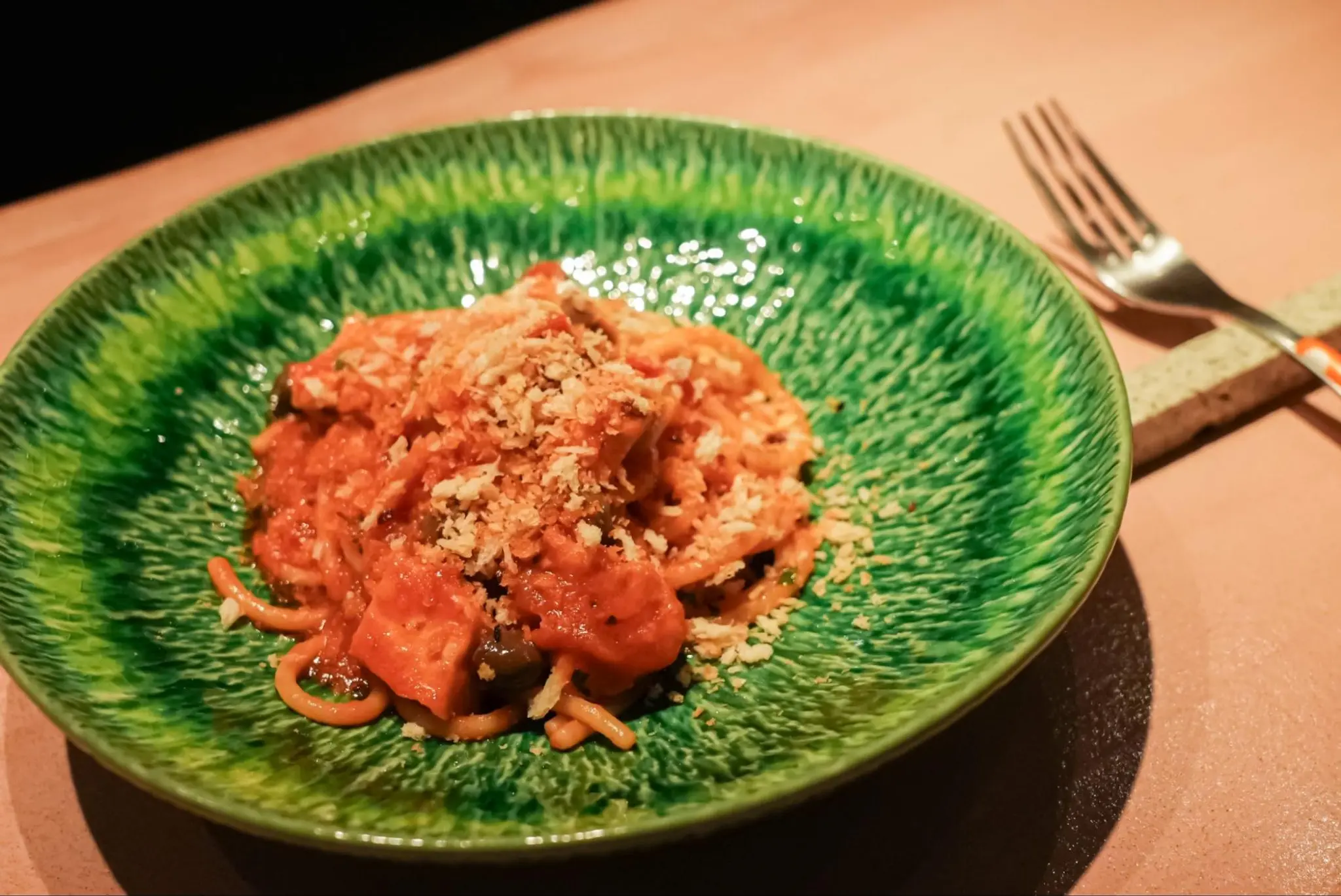
Exactly. Over the past 20 years, more and more restaurants have adopted the “omakase course” approach, to the point where it’s now mainstream even overseas. It’s become so widespread that we’re starting to see a shift back toward à la carte options. With that in mind, I wanted to create a place that combines the best of both worlds—hence, 【P-MATTO】.
As I mentioned earlier, one of the advantages of “omakase” is minimizing waste. For example, if you stock wild mushrooms at a purely à la carte restaurant and no one orders them, they’ll inevitably go bad. That’s why we created a mandatory “appetizer” menu item that allows us to serve seasonal ingredients at their peak. By retaining that “omakase” element where customers trust us to handle the small plates, while also offering à la carte options for greater flexibility, we’ve struck a balance that works.
Additionally, I’m concerned that the overabundance of “omakase courses” has made it harder for younger generations—those in their 20s and 30s—to choose from a menu on their own. I wanted to break that cycle, so now, not only is the food available à la carte, but the drinks are as well.
ーーーDoes it feel like you’re going back to your roots?
Trends tend to come full circle. While “omakase courses” offer plenty of advantages for restaurants, there’s been a growing number of customers who find it too much food to finish. Having run a restaurant for 20 years, I’ve seen how customer preferences evolve. Being a food lover myself, I understand the challenges of a rigid course size and the lack of flexibility in reservation times. About two or three years ago, I began to rediscover the merits of à la carte options and the greater freedom they provide.
ーーーDid changing not only the dining style but also the restaurant’s name have any impact this time around?
It has had some impact. Our customers had a certain image of us, so now when they try to make a reservation, they think, “【Dal-Matto Main Store】 is gone; I’ll just go to a branch since I still want cold pasta.” As a result, the branches’ sales have clearly increased. I initially thought that changing the name would be a natural step to align with the new concept, but recently I’ve been questioning whether that was actually the right decision.
ーーーDid you have any reservations about changing the concept?
I didn’t have any reservations about changing the concept because, from a customer’s perspective, I thought a place like this—where you could casually drop by—would be very convenient. You could just have some appetizers, enjoy a glass of wine, maybe have one dish of pasta, and then leave. Or, if you’re in the mood for more, you could simply order additional items. However, I wanted to avoid the impression of being too casual or “cheap,” so we introduced a required 6,000-yen appetizer course featuring six items. Of course, we ensure that the quality and value are fully justified.
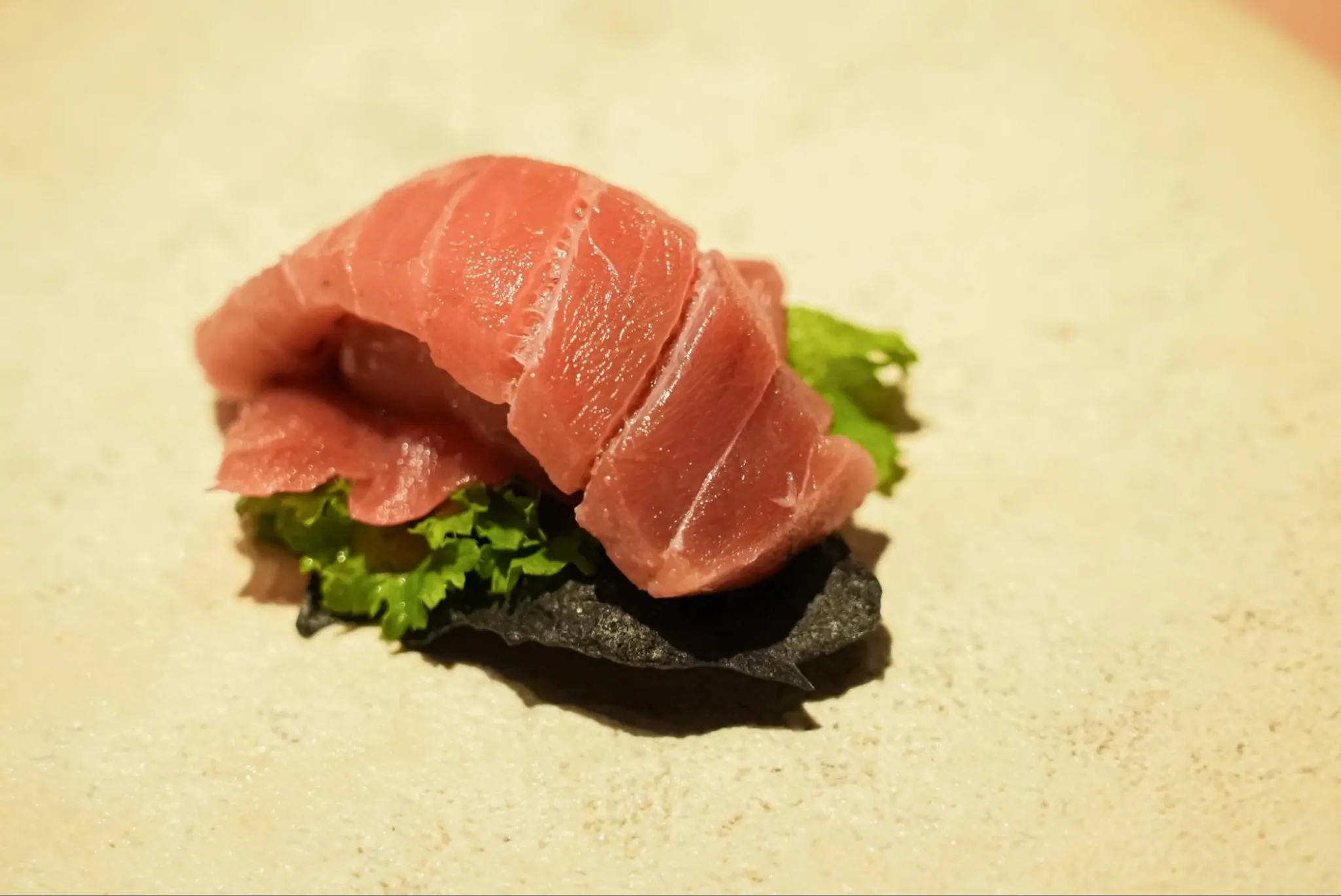
For example, we use tuna from 【Fujita Suisan】, and on occasion, rare ingredients like caviar bottarga. In Italy, bottarga can be made from various types of roe, including tuna and caviar. At our restaurant, we serve shaved caviar bottarga, which is black in appearance and often surprises customers.
Additionally, the “appetizer” course is tailored to avoid any ingredients the customer doesn’t like, ensuring a more satisfying experience. After that, customers are free to choose what they want. They can try a variety of small portions and enjoy a little bit of everything. We’re also flexible if guests want to increase the portion size of their pasta. This type of service is still quite unusual, so some guests are unsure at first. That’s why we always start by thoroughly explaining the ordering system when they arrive.
How do you approach the challenges of adapting to changes over time?
ーーーHave you noticed any new challenges or insights after changing the restaurant’s concept?
What became clear after switching to the current style is that the “omakase course” has been more widely accepted. I realized that many of our regular customers were already comfortable leaving their meal entirely in our hands. On the other hand, while some people enjoy the current approach, looking at repeat visit rates and other factors, I get the sense that it might still be too early—or that the shift hasn’t fully resonated with the times.
Sometimes I wonder if I should have gone all-in on an à la carte-only format, or if the fixed appetizer requirement is actually more of a barrier than a benefit. I had anticipated that à la carte dining might become more appealing in the future, so the idea was to position ourselves ahead of that trend. If the response had been positive, I even considered shifting other stores to a similar model. But honestly, right now, I feel somewhat lost—like I’m still searching for the right path.
I believe that restaurants offering flexibility—where customers can choose both the content and quantity of their meal—will be more successful in the future than fixed-course restaurants. I’m quite certain of that, which is why I decided to make this change. However, I find myself questioning whether it’s just a matter of waiting out a transitional period, or if there’s a flaw in my approach.
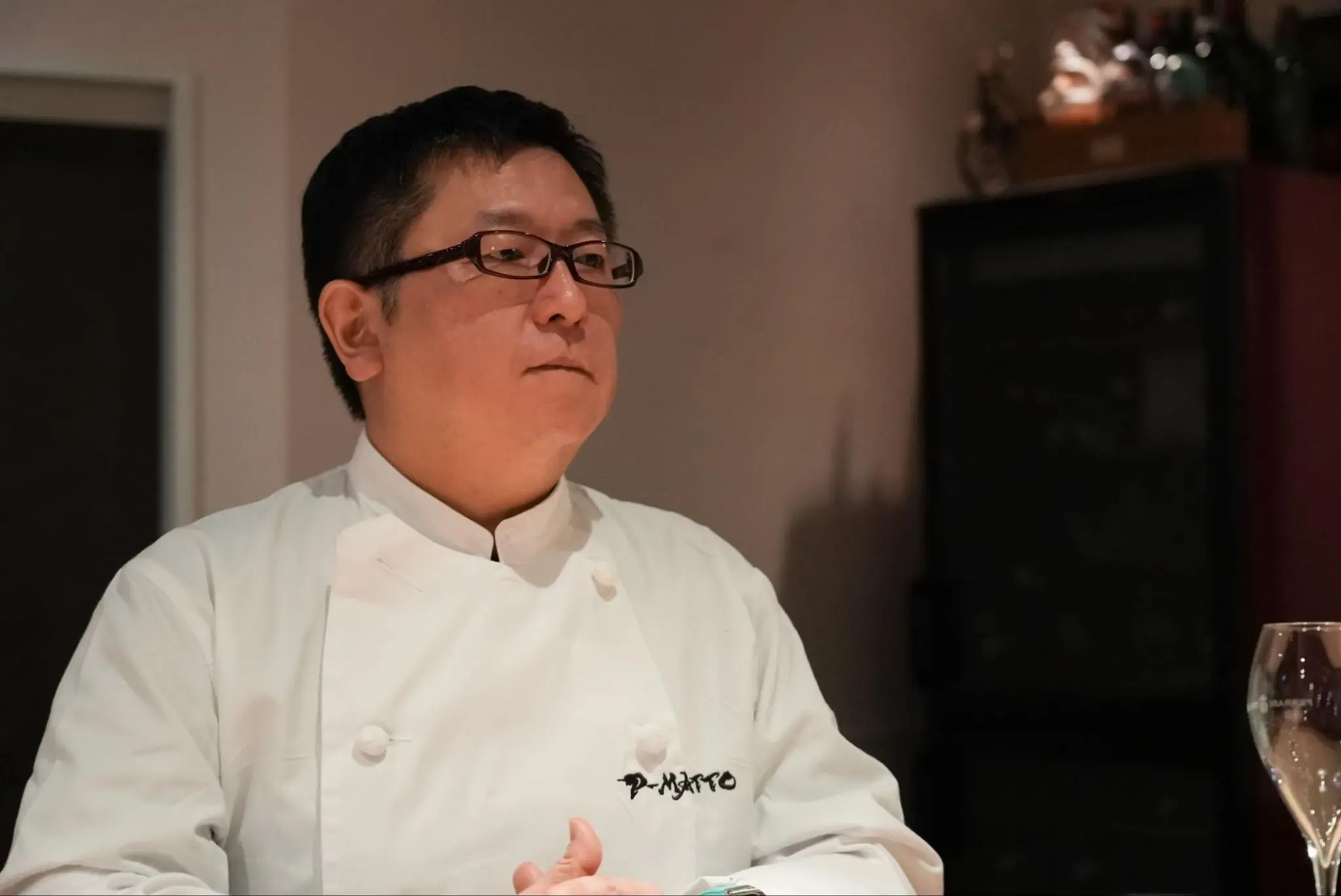
ーーーHave customers’ expectations and desires around food been changing as well?
Twenty years ago, blogs existed, but social media didn’t. Now, social media dominates the landscape. Customers who regularly explore different cuisines are already familiar with rare ingredients, and there’s a noticeable increase in people with a deep knowledge of food. I also receive frequent sales calls and DMs these days. Some are along the lines of, “I introduce restaurants on social media—if you let me eat for free, I’ll feature your restaurant.” It’s just a sign of the times.
I get frequent pitches from PR companies as well. But when something is labeled as a paid promotion with a hashtag, it feels less genuine to me. Even though I personally don’t find paid promotions appealing, I can’t help but wonder if I should be doing more with social media.
When I visit a new region, for instance, I sometimes use TikTok to find restaurants to try. It’s incredibly convenient. But since I’m not comfortable with social media, I think I might need to collaborate with someone who’s skilled in that area. It seems that’s where people are investing their marketing dollars these days. Back then, all we had were printed guides. I know we need to keep up with the times, and I’m certainly giving it some thought.
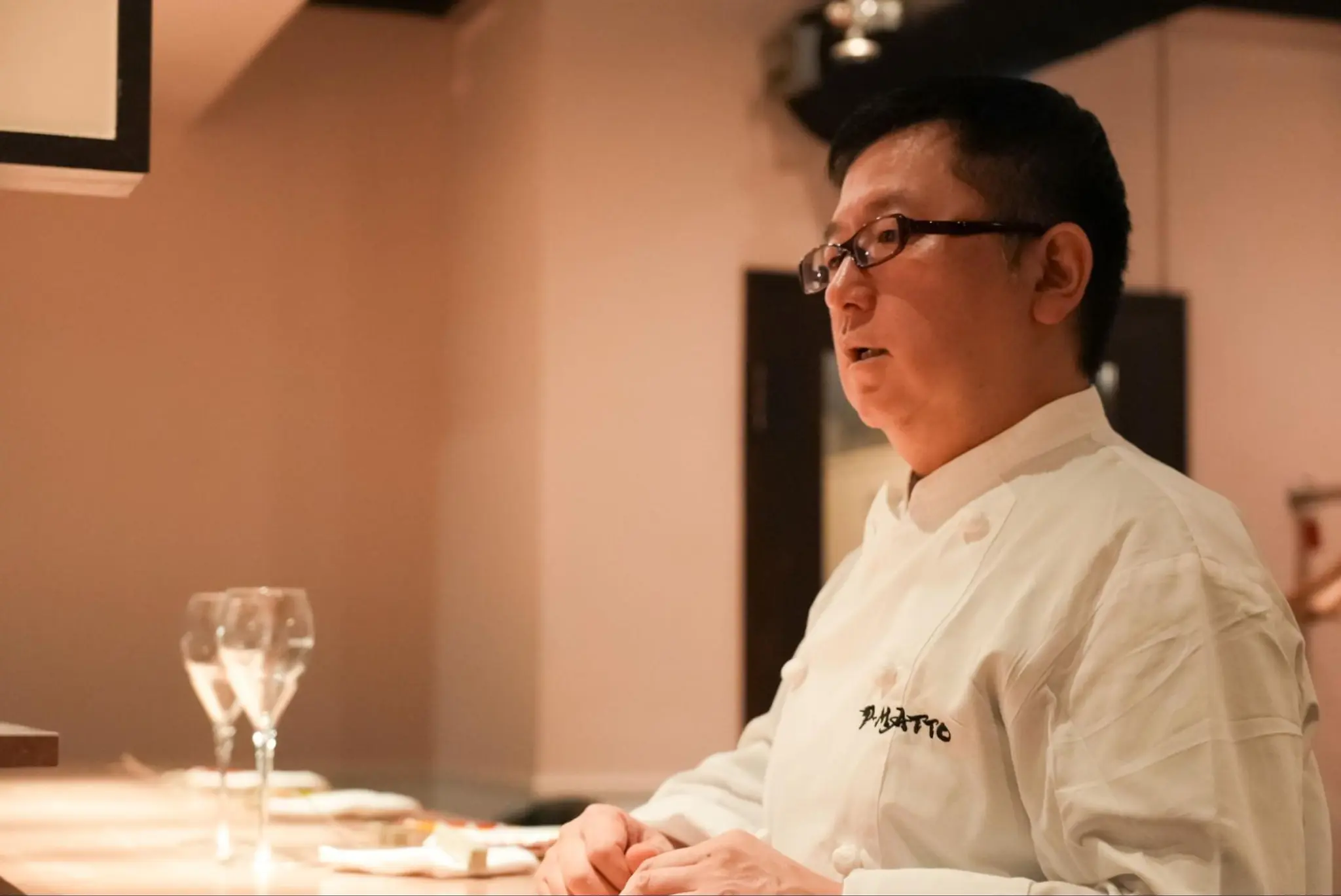
Our unwavering commitment is for the joy of our customers
ーーーDo you have any messages or guiding principles that you would like to share with younger staff members?
There are many details involved in preparation and ingredient handling, but the key message is always to “put in the time and effort to work carefully.” If someone finds that tedious, they’re not cut out to be a chef and should consider stepping away. Beyond that, it’s about thinking first and foremost about “how we can delight the customer.” While I don’t believe in treating customers as if they were gods, it’s crucial that they leave happy and satisfied. That’s what we’re here for, so I remind them not to lose sight of that fundamental purpose.Of course, some basic rules are necessary for the restaurant to run smoothly, but it’s not about rigidly saying “this is absolutely forbidden.” Instead, it’s about finding a reasonable compromise that meets the customer’s needs. I believe it’s most important to think about how to ensure guests leave feeling happy. After all, a comfortable, welcoming environment is always preferable.
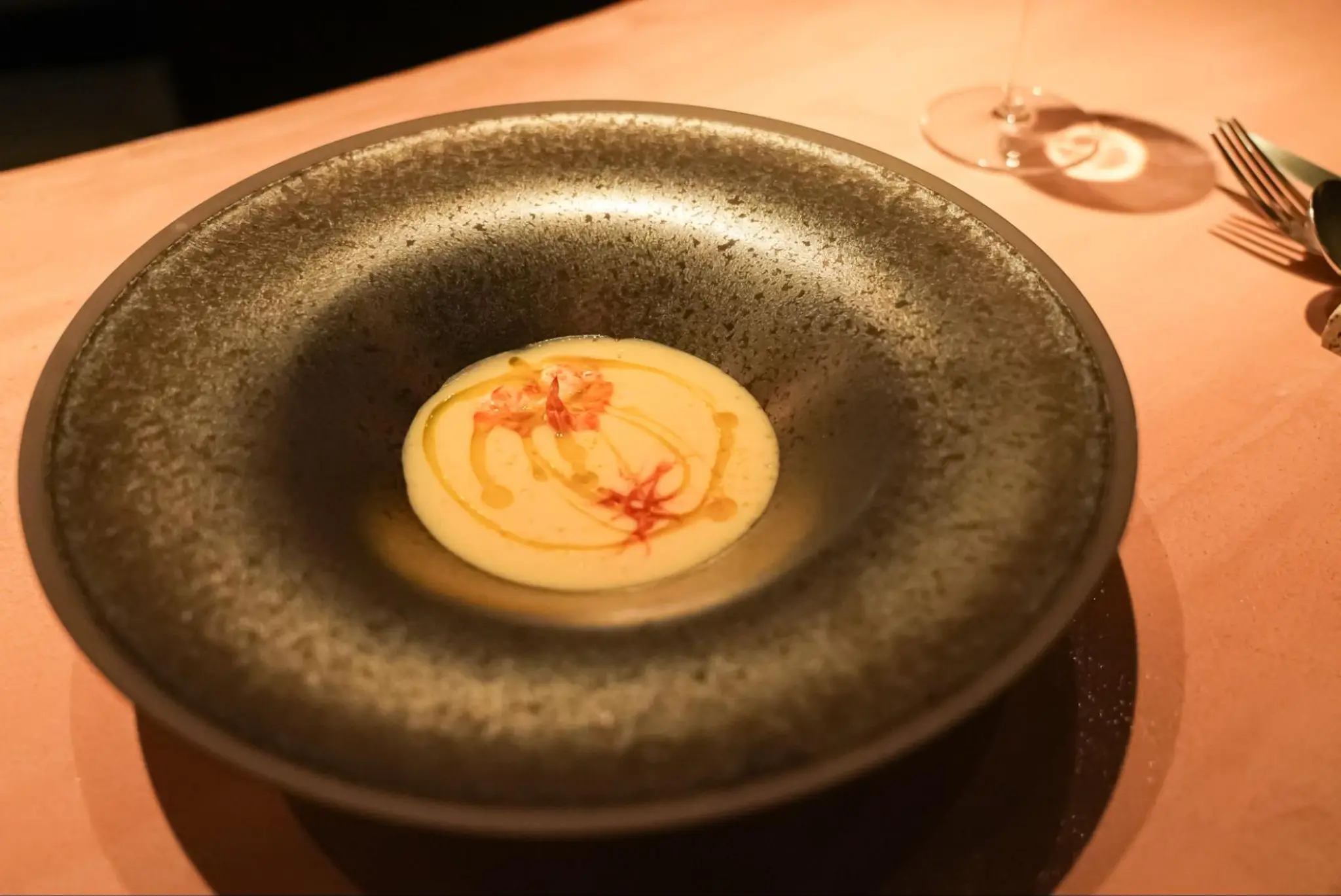
ーーーLastly, how would you define 'delicious,' Chef. Hirai?
Delicious," I believe, is something that connects to a sense of satisfaction. It’s that feeling when your heart is lifted, when you can’t help but smile after that first bite of food. I realized this at a fasting retreat I attended once.
For four days, I had nothing to eat. After that, they served recovery meals—simple dishes like rice porridge and puréed spinach. The spinach had just a touch of salt, and because I hadn’t eaten in so long, the moment I tasted it, I thought, “Wow, this is amazing!” Under normal circumstances, I wouldn’t have considered it particularly flavorful, but at that moment, it was the best thing I had ever eaten. It wasn’t just the taste—it was the act of eating, the sheer joy of chewing, that felt so enjoyable.
I think the atmosphere, the act of eating itself, and the overall experience can enhance the way people perceive flavors. Humans are naturally inclined to find ways to make their meals enjoyable. For me, the essence of “delicious” is when your heart skips a beat, when you can’t help but grin. Moving forward, I want to continue crafting dishes with care, so that our customers can truly feel the joy of dining at our restaurant.
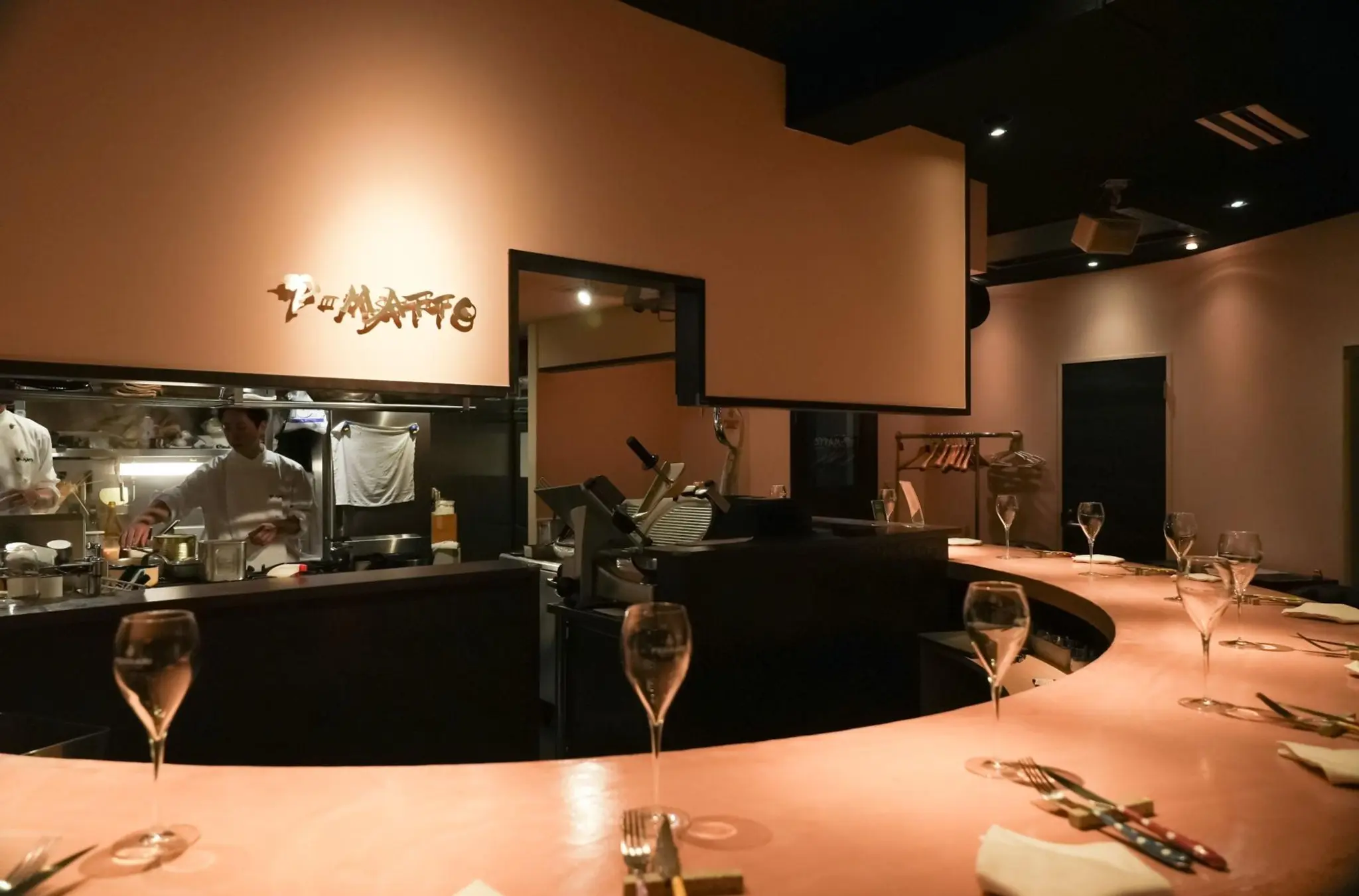
As people’s lifestyles and values continue to diversify, Hirai remains dedicated to exploring new approaches in restaurant management. His passion for dining out ultimately inspired him to pursue a career as a chef, and it’s from this dual perspective—as both a diner and a chef—that he has introduced an innovative model: a fusion of à la carte and omakase. This bold, unconventional concept at 【P-MATTO】 challenges traditional dining norms. It’s definitely worth keeping an eye on how this new proposal evolves in the future.
Restaurant Information
- AutoReserve Magazine
- The hottest new shop right now
- A vision for the future: The aspirations of Masato Hirai of 【P-MATTO】, who is unafraid of change and is constantly exploring what a restaurant should be.