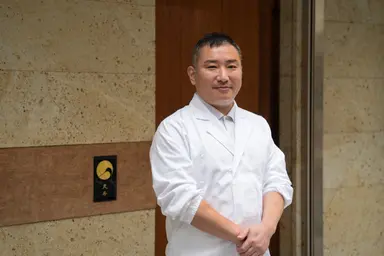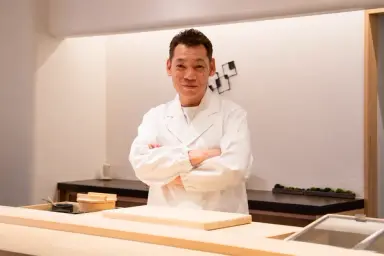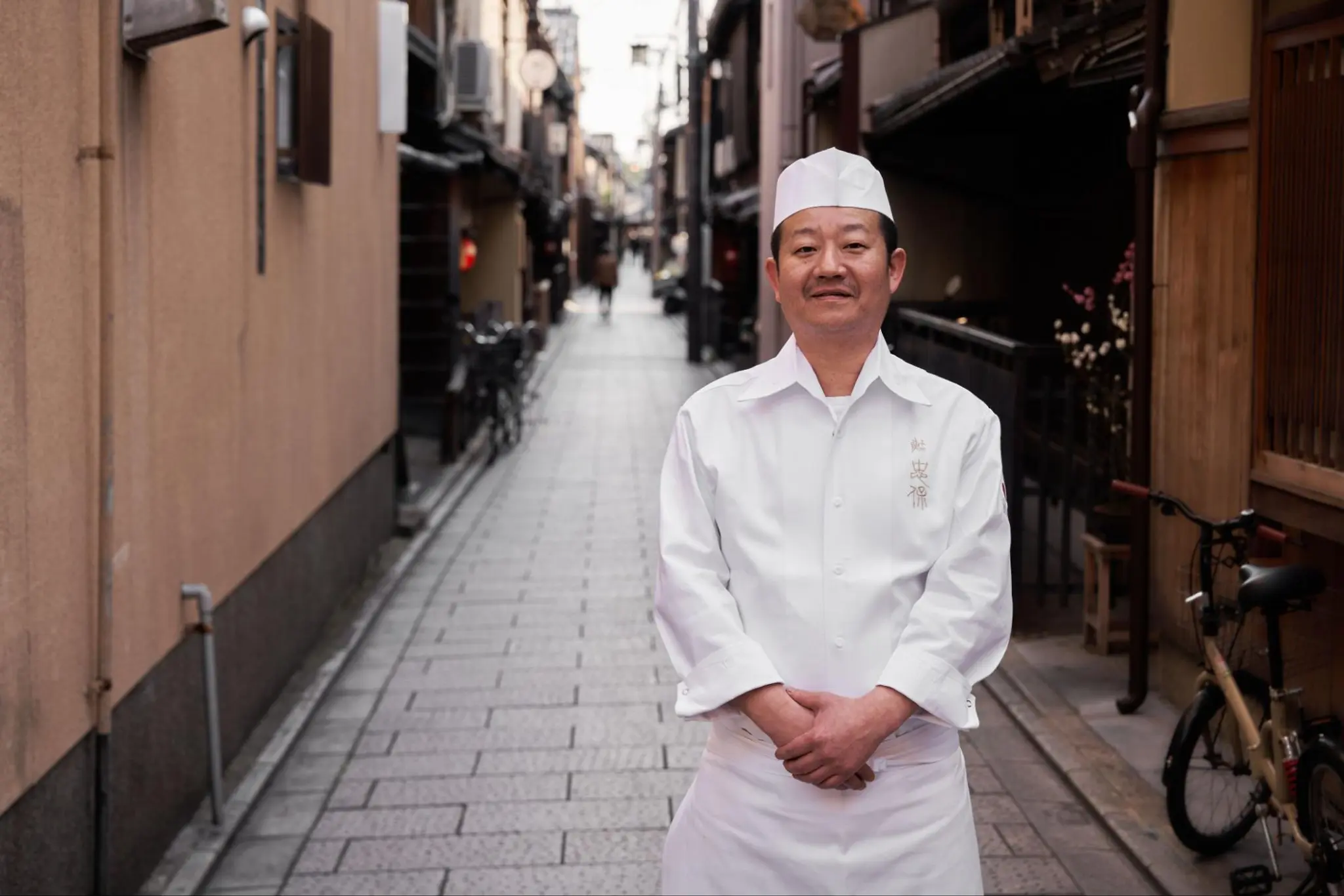
Chef Tadayasu Morita's Uncompromising Path of Sushi, Serving Guests in the Ancient Capital of Kyoto at 【Gion Sushi Tadayasu】
From the Naughty Son of a Fishmonger to Mastering the Art of Sushi – Apprenticeship Journey to Becoming a Second-in-Command
ーーーYou were born in Gunma Prefecture, but why did you decide to open a restaurant in Kyoto, which is in Kansai?
During my apprenticeship in Tokyo, I was taught by a customer that "a chef should visit Yasaka Shrine in Gion," and that was when I first visited Kyoto. I immediately fell in love with the atmosphere of the town, which was filled with charm. After visiting several times, I started to think that I wanted to open a restaurant in Kyoto.
ーーーDid you always decide to become a chef since you were a child?
Since my family ran a fish shop, it was almost a natural decision for me to enter the food world. That said, I didn’t help out much at the shop; I mostly just showed up when the neighborhood aunties gave me New Year's money (laughs). I obtained my chef’s license in the culinary department in high school, and after graduating, I immediately started working at a sushi restaurant.
ーーーCan you tell us about your apprenticeship days?
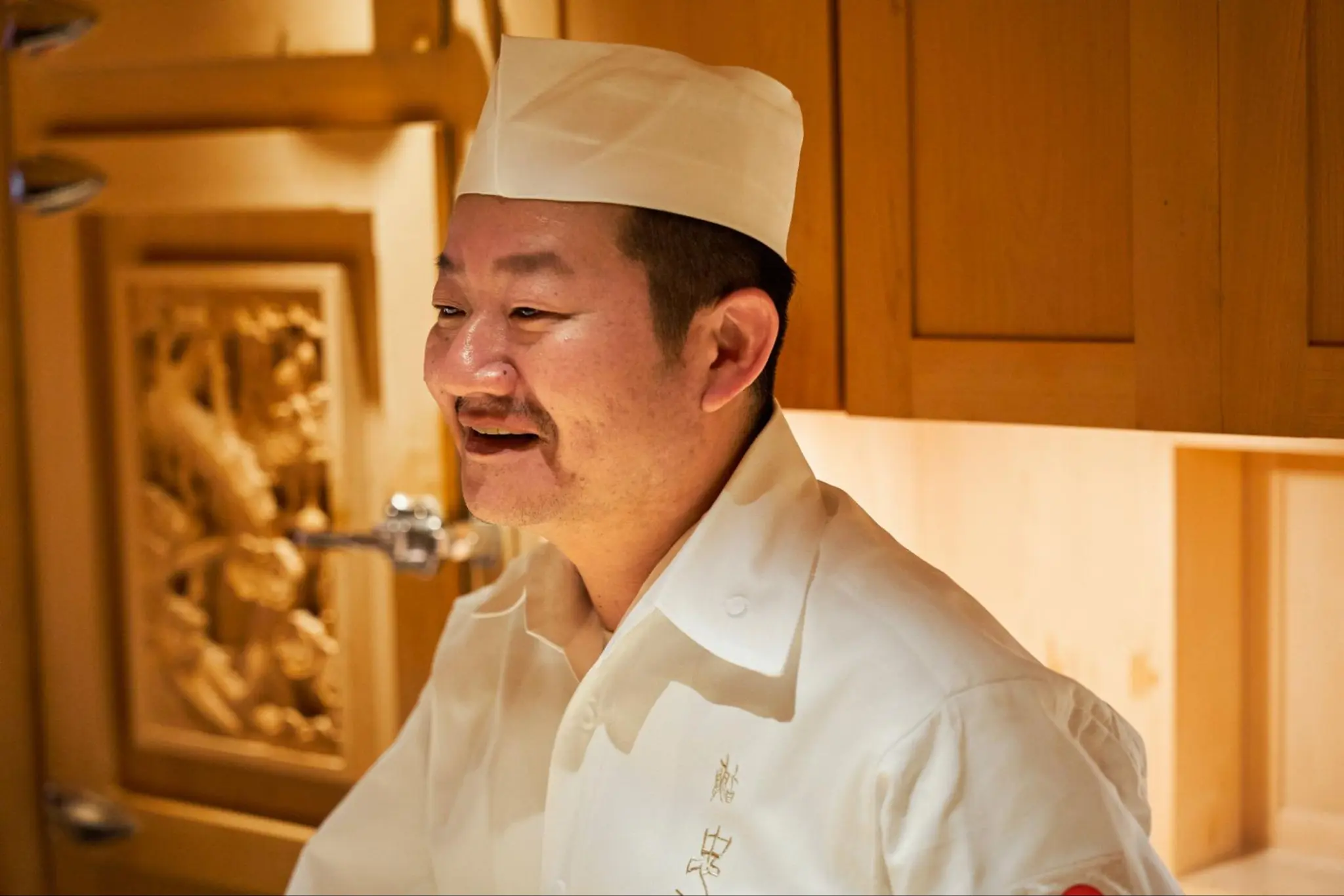
Before opening my own restaurant, I trained at two sushi restaurants in Tokyo. My mischievous personality often got me into trouble, and I was constantly being scolded (laughs). However, at my second apprenticeship, I was entrusted with being second-in-command, just below the head chef, and I was allowed to prepare sushi all day long. Thanks to that, I believe my skills as a sushi chef were honed quite a bit during that time. Back then, it was still the era where we were told, "Watch everything and learn!" So, I constantly peeked at the head chef's work from the side, thinking to myself, "If it were me, I would do it this way," while also using my head to learn the craft.
From 16 Years of Training to Independent Venture: A Bold Move to Kyoto with No Connections
ーーーHow many years did your apprenticeship last?
Due to the effects of the Lehman Brothers crisis and the Great East Japan Earthquake, I struggled to find the right timing for independence. After 16 years of training, I was finally able to open my own restaurant in Shinjuku. Even then, my admiration for Kyoto never faded. On my days off, I would take day trips and stroll through the beautiful streets, immersing myself in the historic Kyoto culture. The Shinjuku restaurant was small, with only six seats, so after about three to four years, I felt the desire to work in a larger space. That’s when I thought, "Why not open a restaurant in Kyoto?" and decided to move to Kansai.
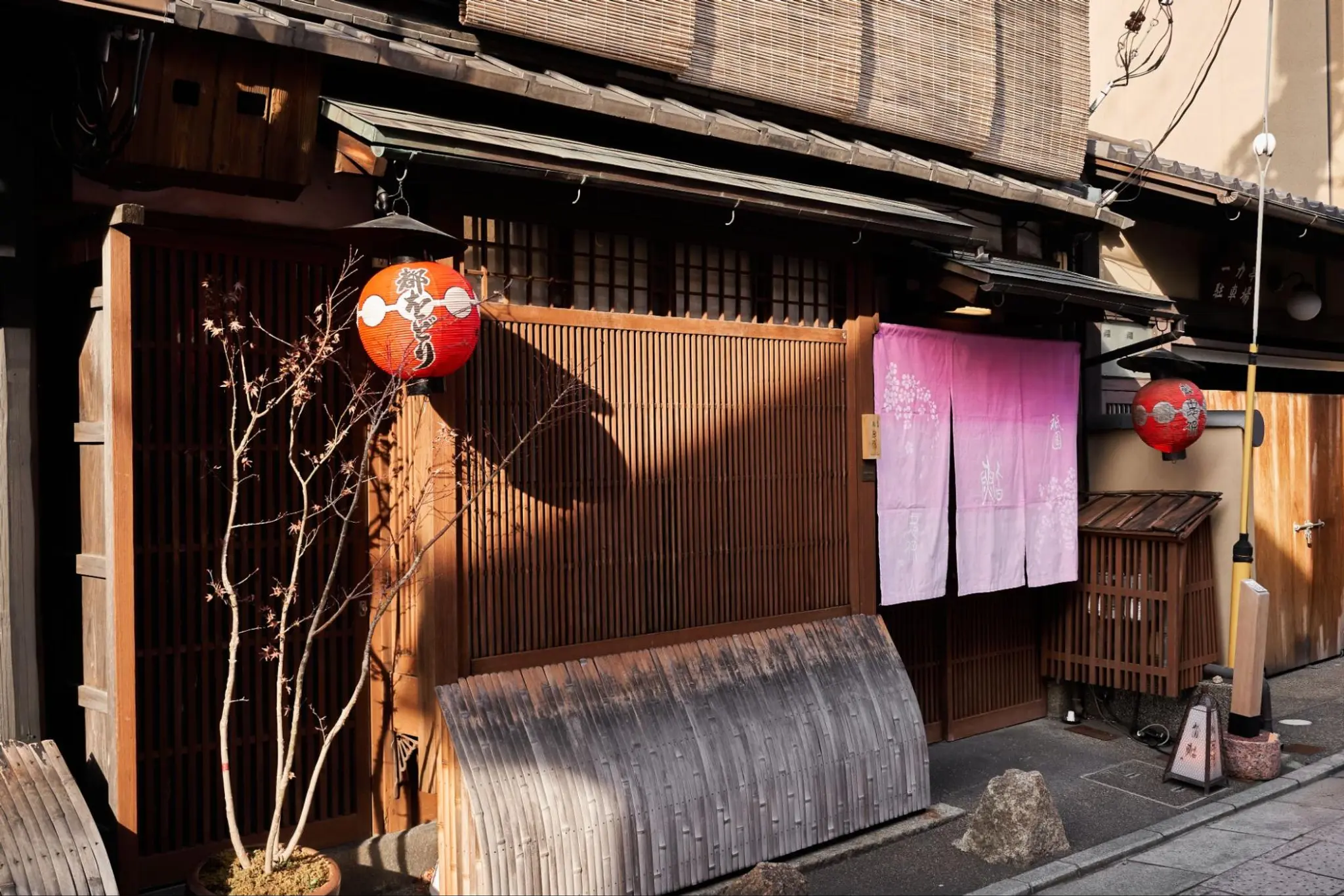
Although there are Kansai people who aim to become sushi chefs in Kanto, I believe it is quite rare for a sushi chef who learned in Edo to open a restaurant in Kyoto, like I did. It took about a year to find the right property, but I was able to open 【Gion Sushi Tadayasu】 in a place near Yasaka Shrine, which felt like a meaningful location. However, since I didn’t know anyone in Kansai, when we first opened, we were simply waiting for customers to come. In Gion, there are many places that refuse first-time customers, so people would cautiously step through the noren (curtain) at first. Gradually, thanks to word of mouth and social media, our restaurant became more widely known, and today, I made about 200 pieces of sushi just for the lunch service.
ーーーIs there a difference between sushi in Tokyo and Kyoto?
In Kansai, since the culture of Japanese cuisine is deeply rooted, there are sushi chefs who train at ryotei (traditional Japanese restaurants) before starting their sushi careers. Because of this, I feel there is a slight difference in the types of sushi ingredients used compared to someone like me, who has only known the sushi world. Even though I opened a restaurant in Kyoto, I had no intention of changing the "flavor of myself" that I had cultivated until then. Therefore, I source all my seafood from Tokyo's Tsukiji.
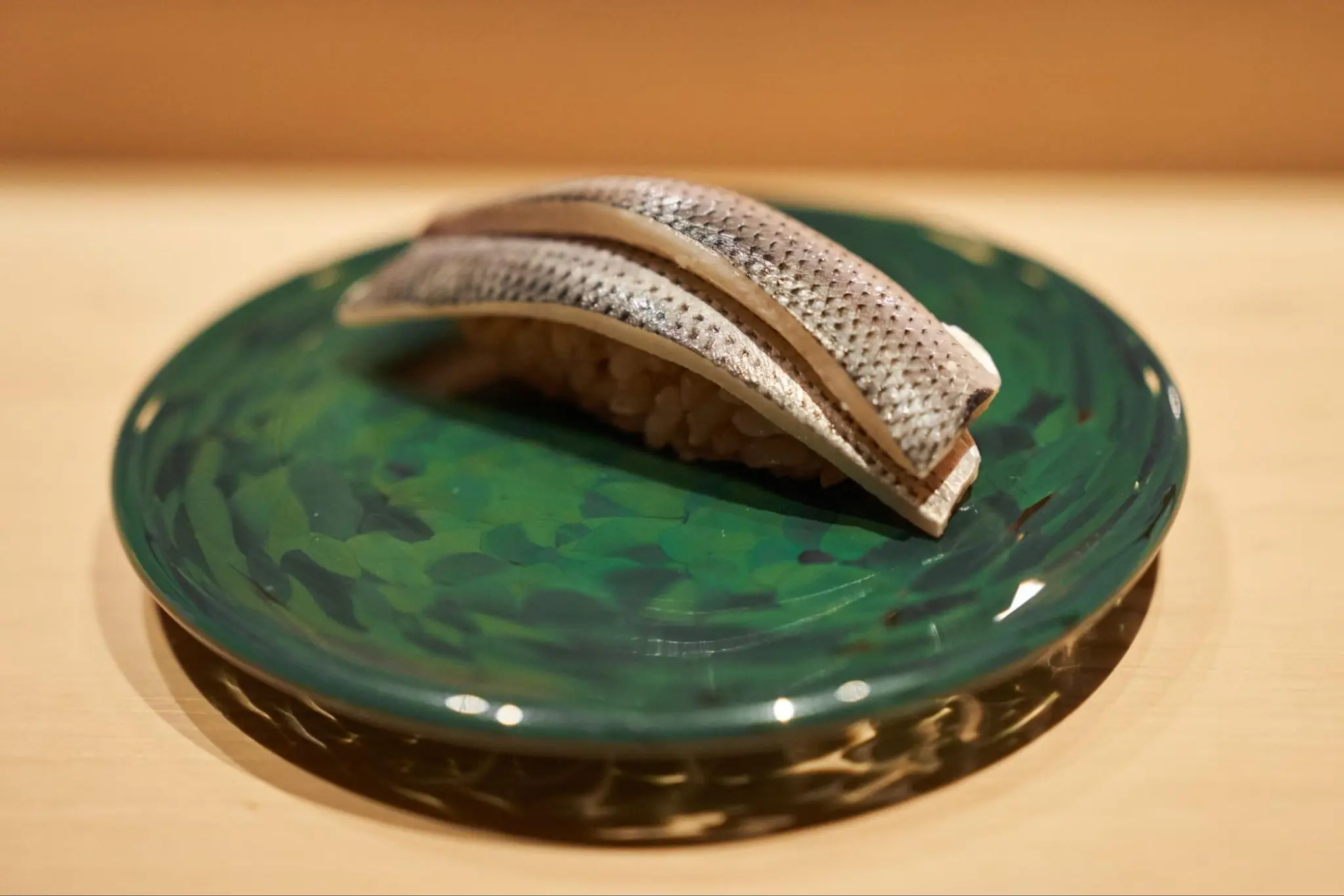
ーーーCould you tell us a bit more about your "own flavor"?
Even though each technique may start by imitating someone, if you continue doing the same thing without changing, you will never be able to make sushi that delights your customers. For example, even when preparing the rice as instructed by my master, I would always jot down ideas in my notebook whenever I thought, "I’d like to try this flavor." I also love eating, so I pursued my own flavor while referencing the tastes from other restaurants.
As I continued to search for my own flavor, I realized that even with the same ingredients and rice, there would be differences in the sushi depending on the chef. This is what makes sushi interesting. At my training restaurant, there were regular customers who would say, "The sushi made by the master and the sushi made by the second-in-command taste different," and they were absolutely right. I studied and researched the softness of the rice, the firmness of the fish, and my method of shaping the sushi, refining these aspects during my training.
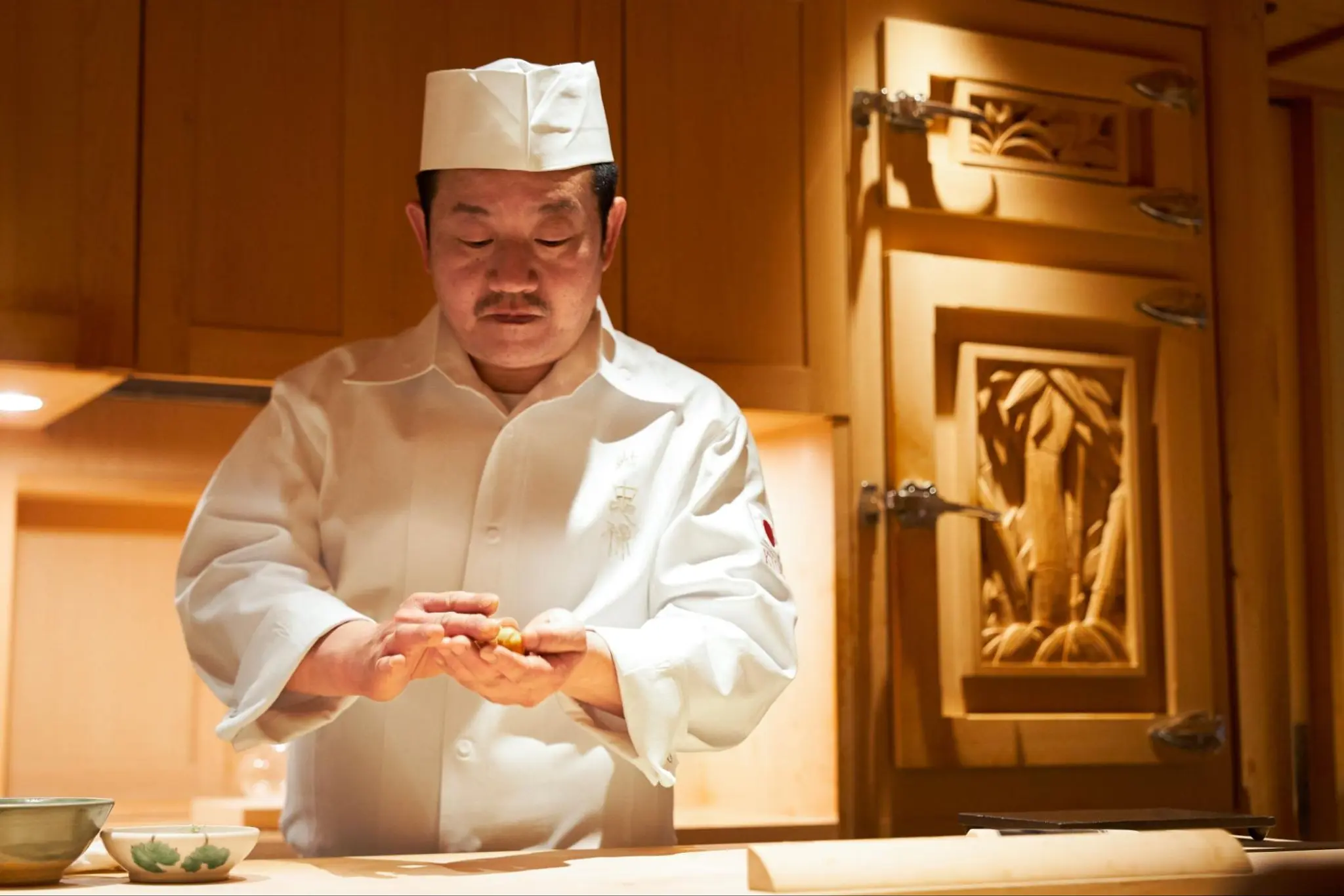
"Mastering the Rice" is the Key to Making Delicious Sushi
ーーーWhat makes the sushi at 【Gion Sushi Tadayasu】 special?
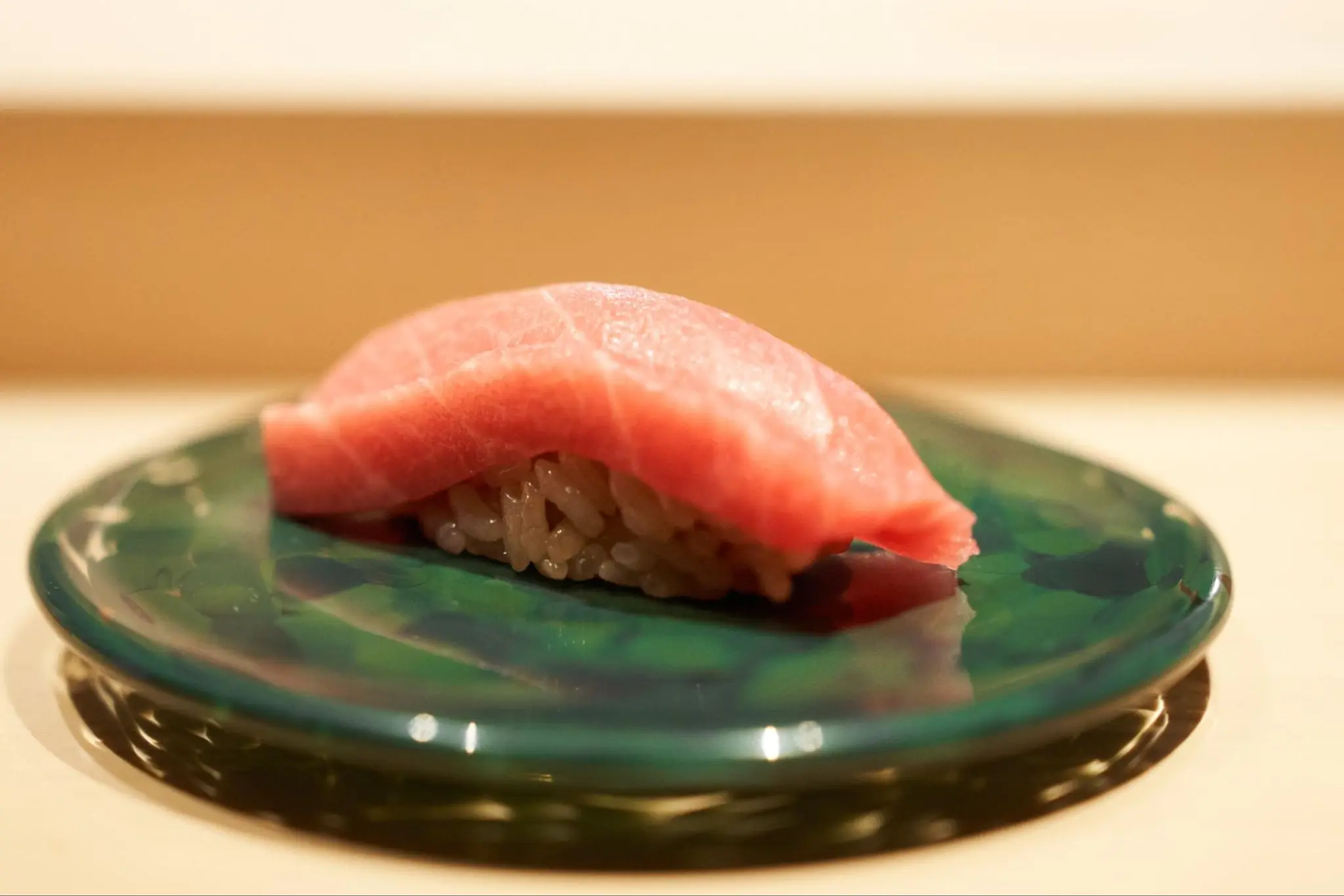
We source both red and white fish and let them rest for at least two days before using them. The only exceptions are shellfish and some of the oily fish, which we serve immediately after preparing. By allowing the fish to rest, not only does its umami increase, but the firm and smooth texture gradually becomes softer. This soft fish pairs perfectly with the rice. The fish melts in your mouth and blends seamlessly with the rice—this is the essence of nigiri sushi and the moment where a sushi chef’s skill truly shines.
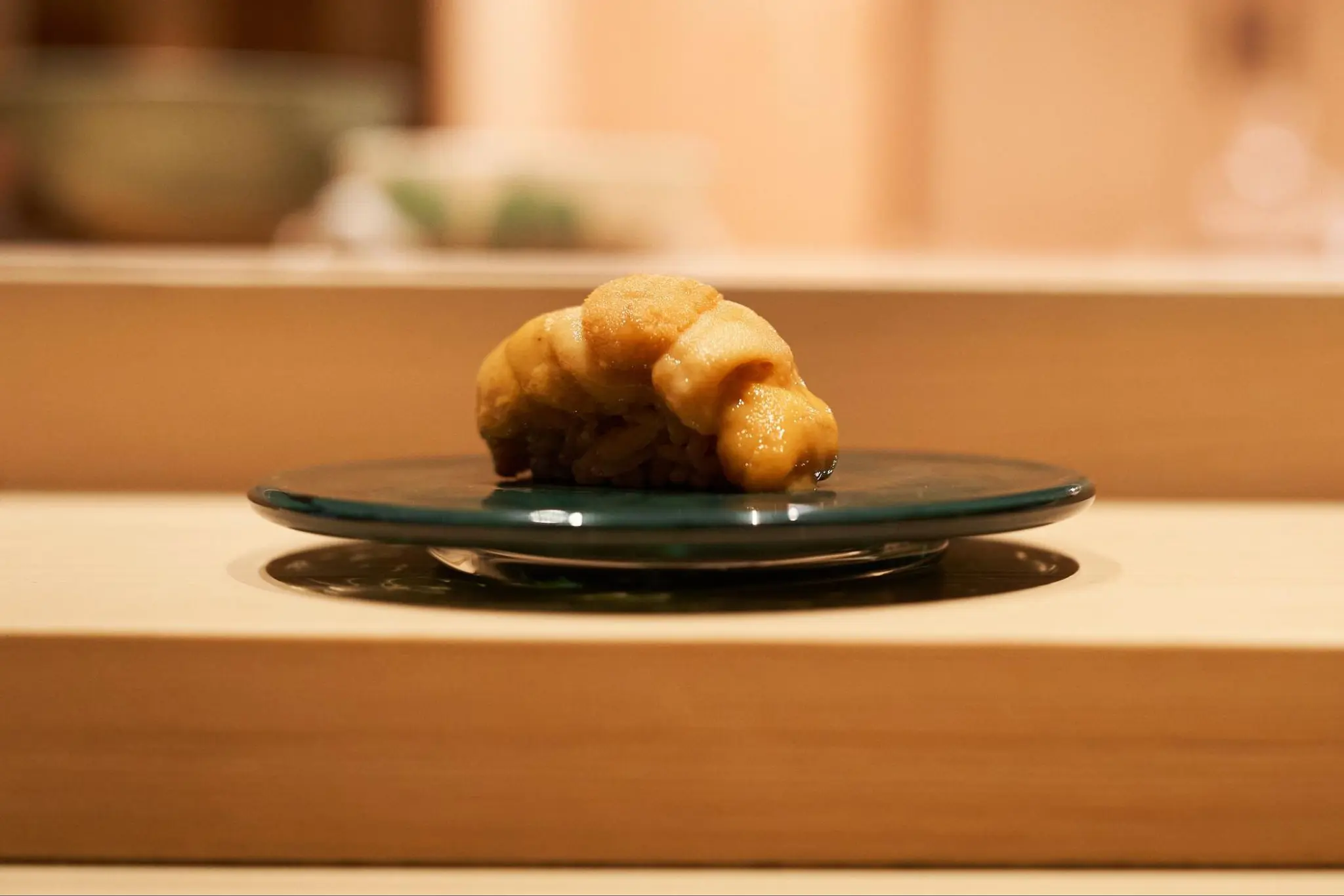
ーーーDoes the taste of sushi depend on the toppings?
The taste of sushi is determined by "80% rice and 20% toppings." The main star of sushi is undoubtedly the rice. While different chefs may have different opinions, I believe sushi is a dish to enjoy the rice. I am far happier when customers compliment the rice, saying, "The rice is delicious," rather than just saying the sushi is good.
When it comes to the toppings, as long as I carefully select seasonal ingredients and prepare them with care, I am confident that I can create a taste that satisfies anyone. However, with the rice, it’s more influenced by the chef's personal preferences—whether it has a strong saltiness, sweetness, or acidity. This means that "my flavor" is directly conveyed to the customers. Sushi is all about the rice. When customers say they like the rice, it’s a huge relief to know that my flavor has matched their taste.
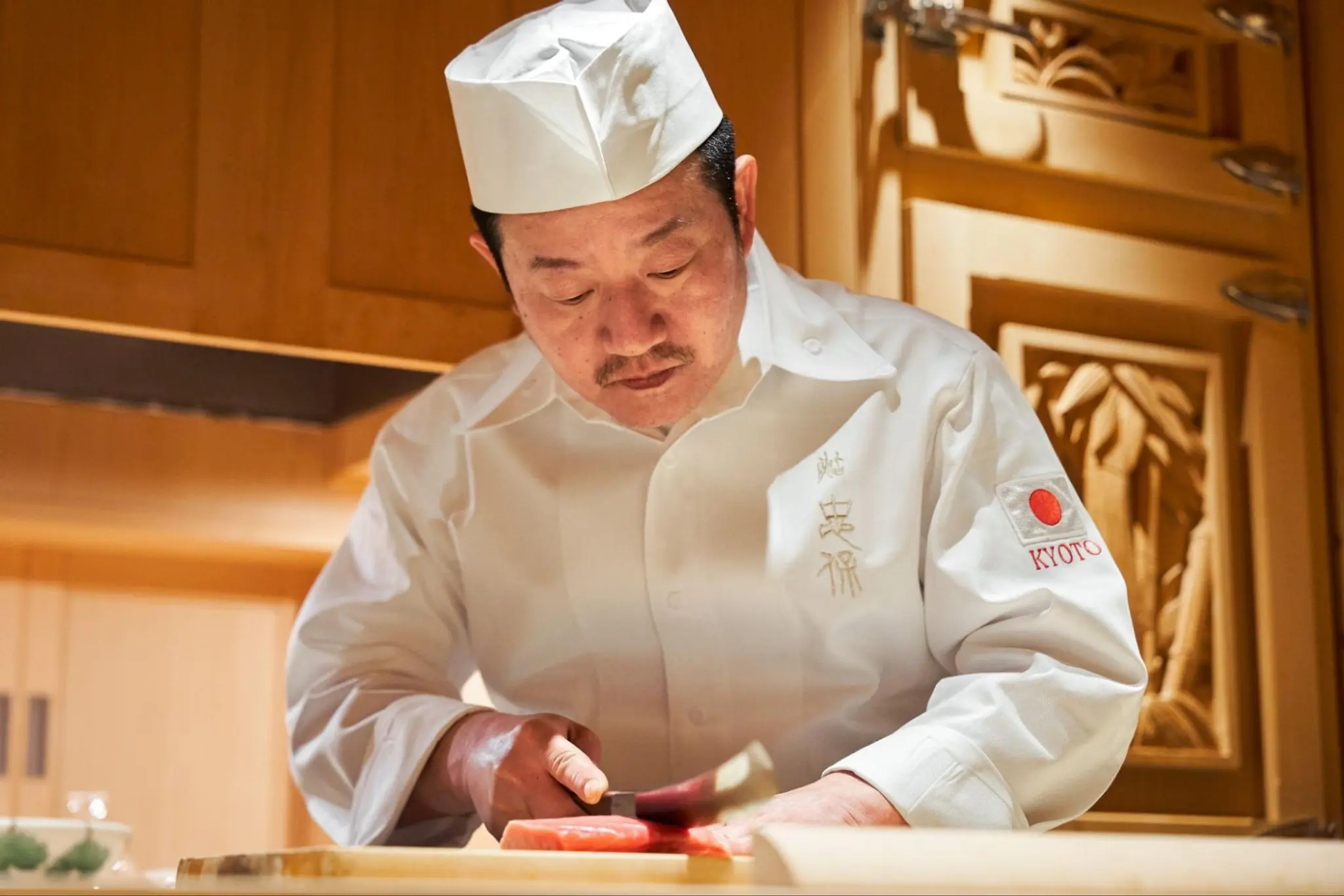
ーーーIt’s about matching the delicious rice with the toppings to create a sense of unity.
For example, when you see sushi in a takeaway box, all the pieces are neatly arranged with the same size of rice and topping, right? The sushi I make is different. I adjust the size of the topping and the amount of rice for each piece. This is my personal approach to creating harmony between the rice and the toppings. And for the tuna, I use two types of red vinegar in the rice to bring out richness. If I were to use the same rice with tuna for a white fish like sea bream, the flavor of the rice would overpower the delicate taste of the white fish. So, for fish other than tuna, I only use one type of red vinegar in the rice. I also adjust the firmness of the rice depending on the topping. For firmer fish like shellfish, I make the rice a little firmer to maintain balance.
Continuing to Make Sushi that Brings Smiles by Valuing the Sense of "Comfort"
ーーーDo you have any particular commitment to the rice you use?
I’ve been using rice from Akita Prefecture, the same rice I used during my apprenticeship, and I’ve continued to use it at my restaurant. I’ve even visited the rice fields of the farmers who grow it, so I have a deep connection to it. In fact, when I first moved to Kyoto, I encountered an issue. I used a traditional donabe (clay pot) to cook the rice just like I did in Tokyo, but the rice turned out soggy and unusable. Before moving to Kansai, I didn’t know this, but Kyoto’s water is softer, or "soft water," compared to Tokyo’s harder water, which causes the rice to cook very differently. I spent quite a bit of time adjusting the water ratio and heat to get the rice just right. There was even a period when I would drive an hour and a half each way to fetch well water from the countryside. This was probably the biggest challenge I faced when I started my restaurant in Kyoto (laughs). Now, it’s a fond memory.
ーーーLastly, what does "delicious" mean to you?
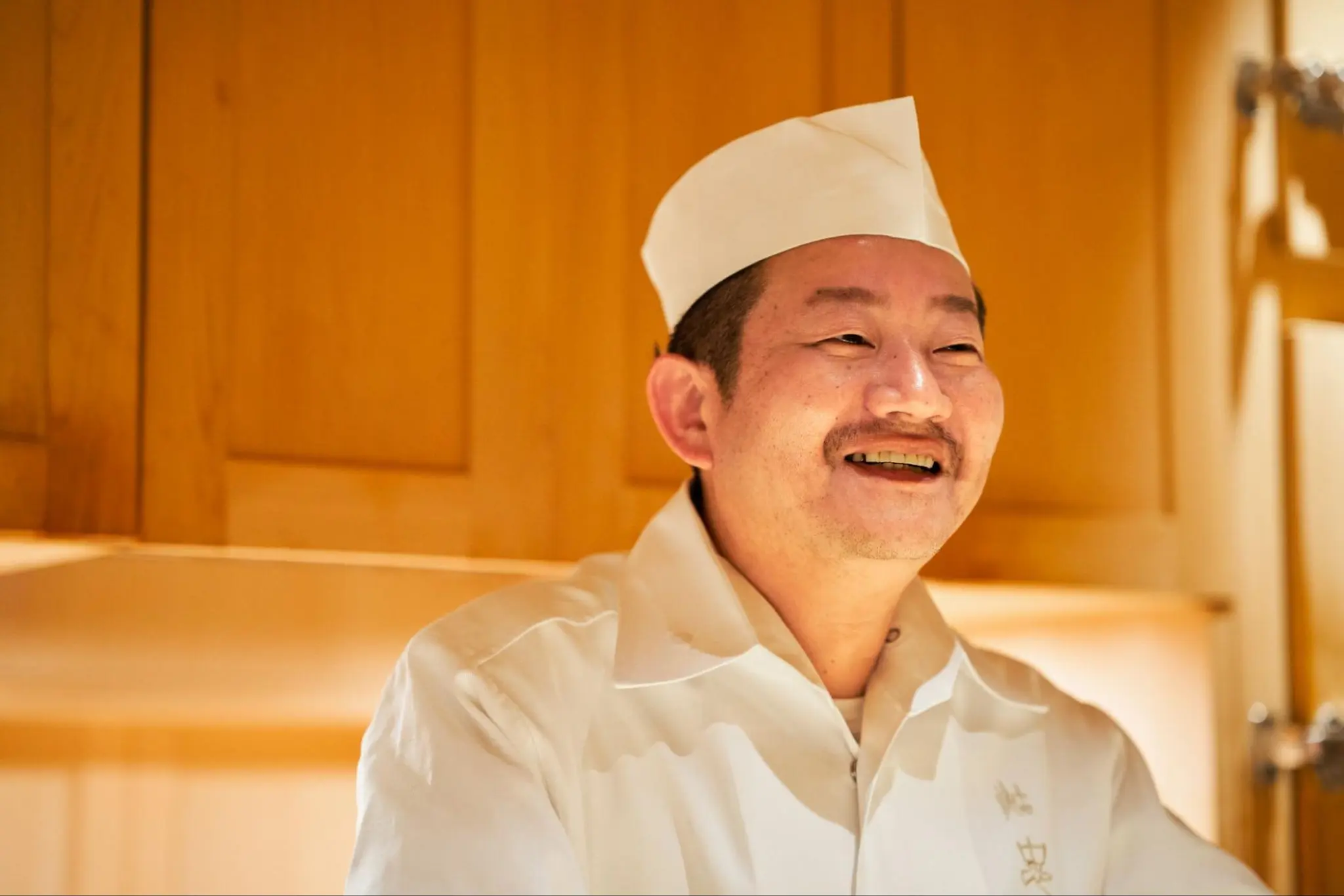
"Delicious" means different things to different people. Since everyone has different tastes, something I might find "delicious" might make someone else think, "?" And I believe preconceived notions play a big part in this as well. If someone says, "This is delicious, try it," we tend to feel that it’s delicious. The word "delicious" is used for all types of food, so we say "delicious" when eating sushi or even ramen. In Japan, there are fewer foods that are bad, and the word "delicious" is heard everywhere. For me, I value the feeling of "comfort" rather than just "delicious." Don't you think there are few experiences where food makes you feel genuinely comfortable? When food makes you feel good, it brings out a smile on your face. And that sense of "comfort" is also conveyed to the creator. When I see customers with their eyes closed murmuring things like "I see..." I feel deeply moved, knowing that they are truly savoring my sushi. When the customer's emotions rise, the chef's emotions rise as well. This is probably a feeling that only a sushi chef standing behind the counter can experience. "Delicious" is, of course, expected, but I want to continue making sushi that touches the hearts of my customers.
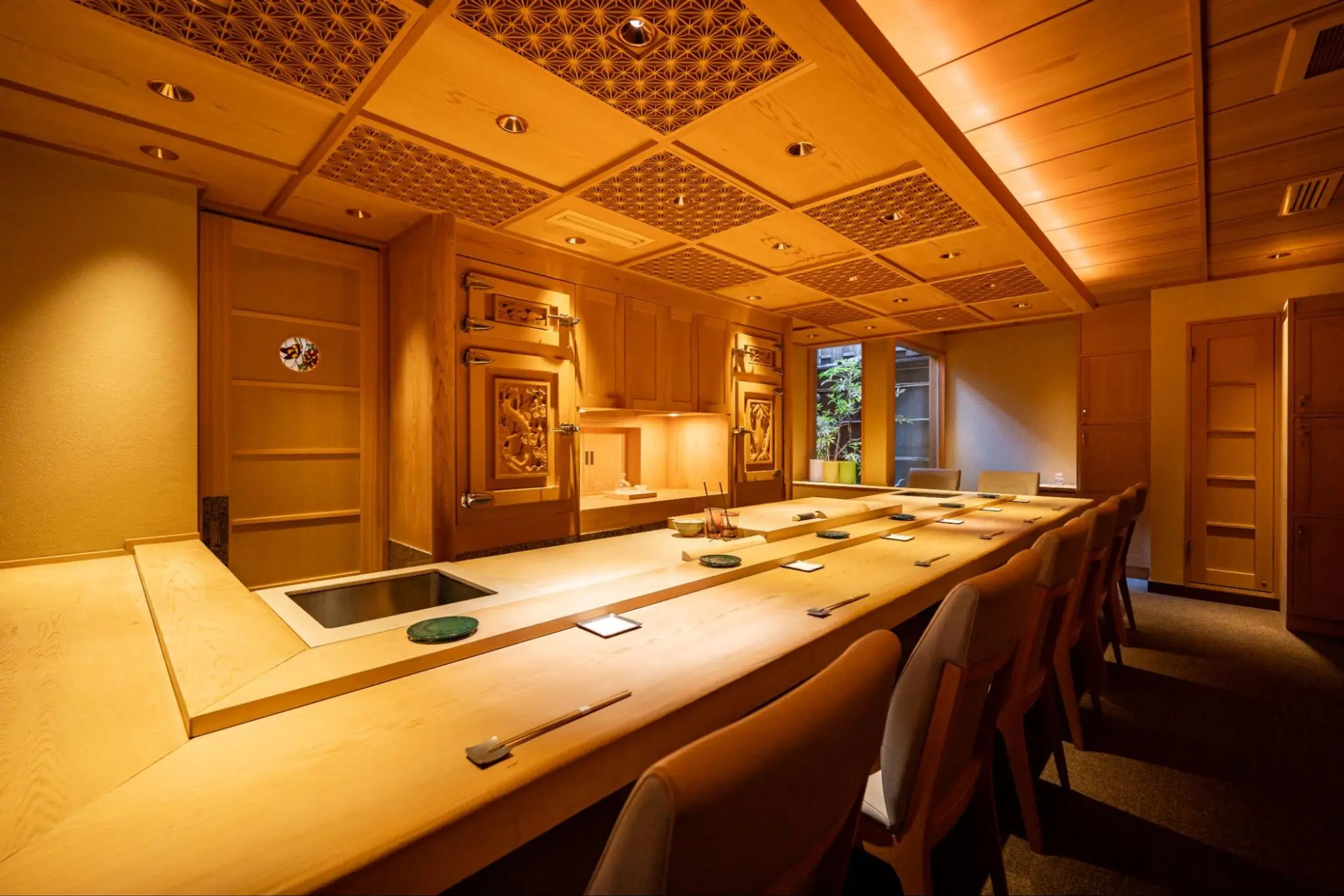
Although he will not bend the flavor he perfected in Tokyo, Chef Tadayasu Morita’s love for Kyoto shines through in his mention of local specialties like Kyoto vegetables, conger eel, saba sushi, and pickles. "Kyoto is wonderful," he said quietly. His love for Kyoto, which he had "fallen in love with at first sight," was evident in every part of our conversation. By the way, he describes his sushi as "not Edomae, but 'otokomae' (handsome)." His sushi, with toppings that release umami in every bite and rice that grows sweeter the more you chew, harmonize perfectly into his signature "otokomae" sushi. Once you try it, you’ll undoubtedly become a fan.
Interview and Article by: Reiko Aoki
Photography by: Masato Suzuki
Restaurant Information
- AutoReserve Magazine
- Chef Tadayasu Morita's Uncompromising Path of Sushi, Serving Guests in the Ancient Capital of Kyoto at 【Gion Sushi Tadayasu】