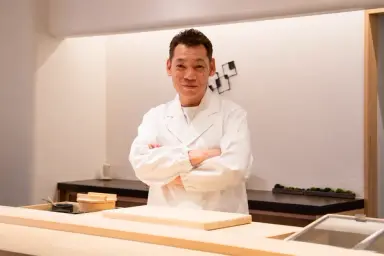

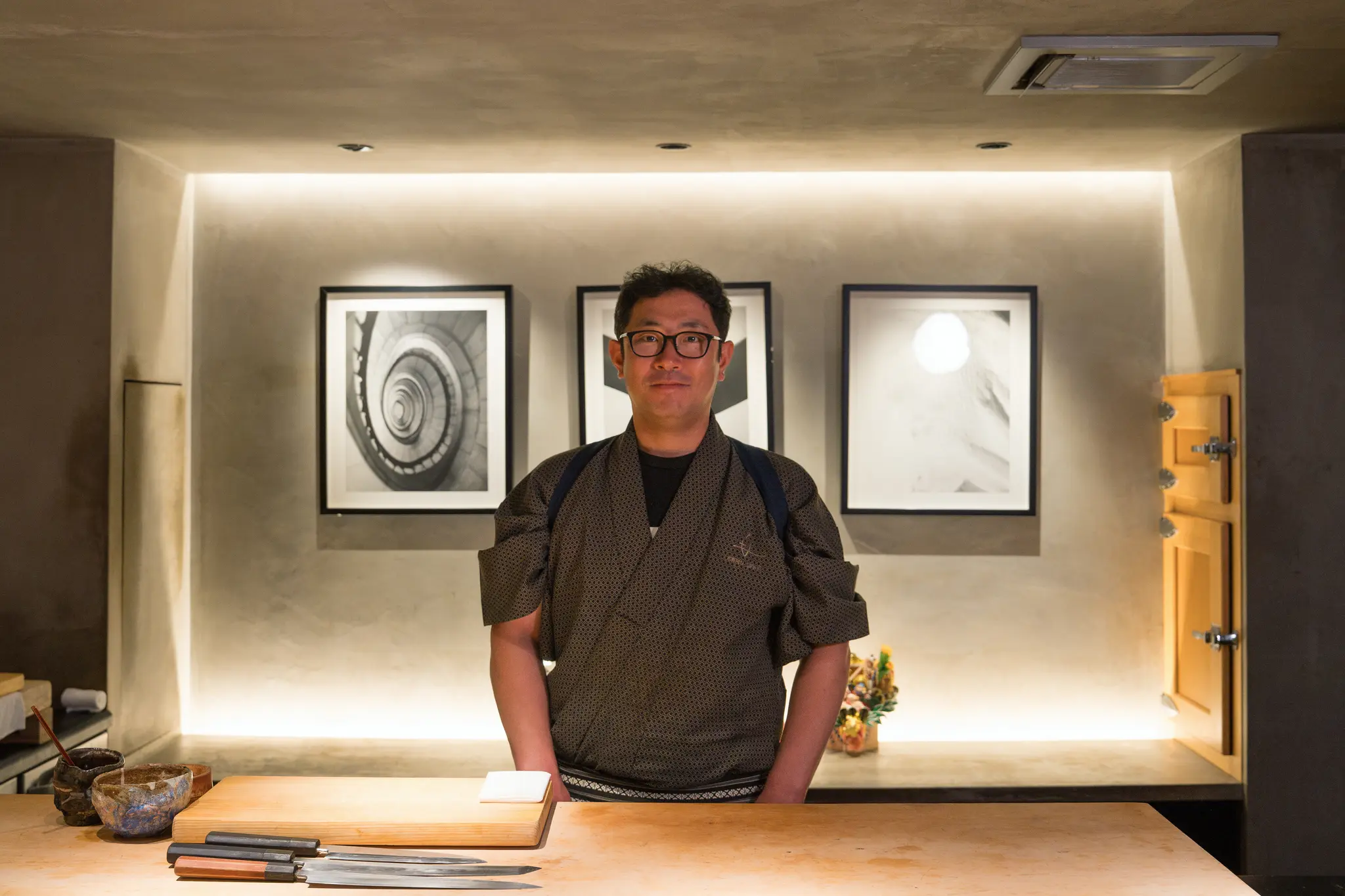
Beyond Making Sushi: Hisashi Udatsu of Udatsu Sushi Envisions the Future of Sushi Artisans
Inspired by the sight of sushi chefs, I chose the path of a craftsman.
— What inspired you to become a chef?
When I was little, my parents ran a food shop in Kunitachi, and next door there was a takeout-only sushi restaurant. The sushi chef there was a very kind, caring man. My parents would tell me, “Don’t bother him so much while he’s working,” but I would often sneak out and go visit him anyway (laughs).
I was captivated by the kindness of the chefs who took me under their wing and by the sight of adults hard at work, and that inspired me to want to become a chef myself—an experience I still remember vividly to this day.
I played baseball throughout my school years, but when it came time to choose a high school, I still knew that I wanted to become a sushi chef someday, so I chose a school with a culinary arts program.
— Could you tell us about your years of training?
I began my career by joining Kanda Edokko Sushi, which was founded in 1957, through a job listing at my culinary school.
There were job openings at several other major sushi restaurants, but I chose this one because I felt they would train me thoroughly from the ground up. I think having a structured training system is important for developing people, but as a learner, I wanted to train somewhere that would teach me everything from how to prepare fish to how to shape sushi, tailoring the instruction to my individual progress rather than applying a one-size-fits-all standard.
Once I actually started working there, it was incredibly busy. The restaurant had 27 seats and turned them over eight times a day. During service, I was constantly making sushi, and because I also had to do the prep work every day, I learned to work quickly. I gained confidence in my prep experience and skills as well, because I handled an exceptionally high volume of work.
To be honest, there were times when I felt like quitting and when the grass seemed greener elsewhere. However, I decided that fully mastering what I could learn in my current position would be more valuable for my future than moving somewhere else and starting over from scratch. In the end, I stayed with the company for eight years.
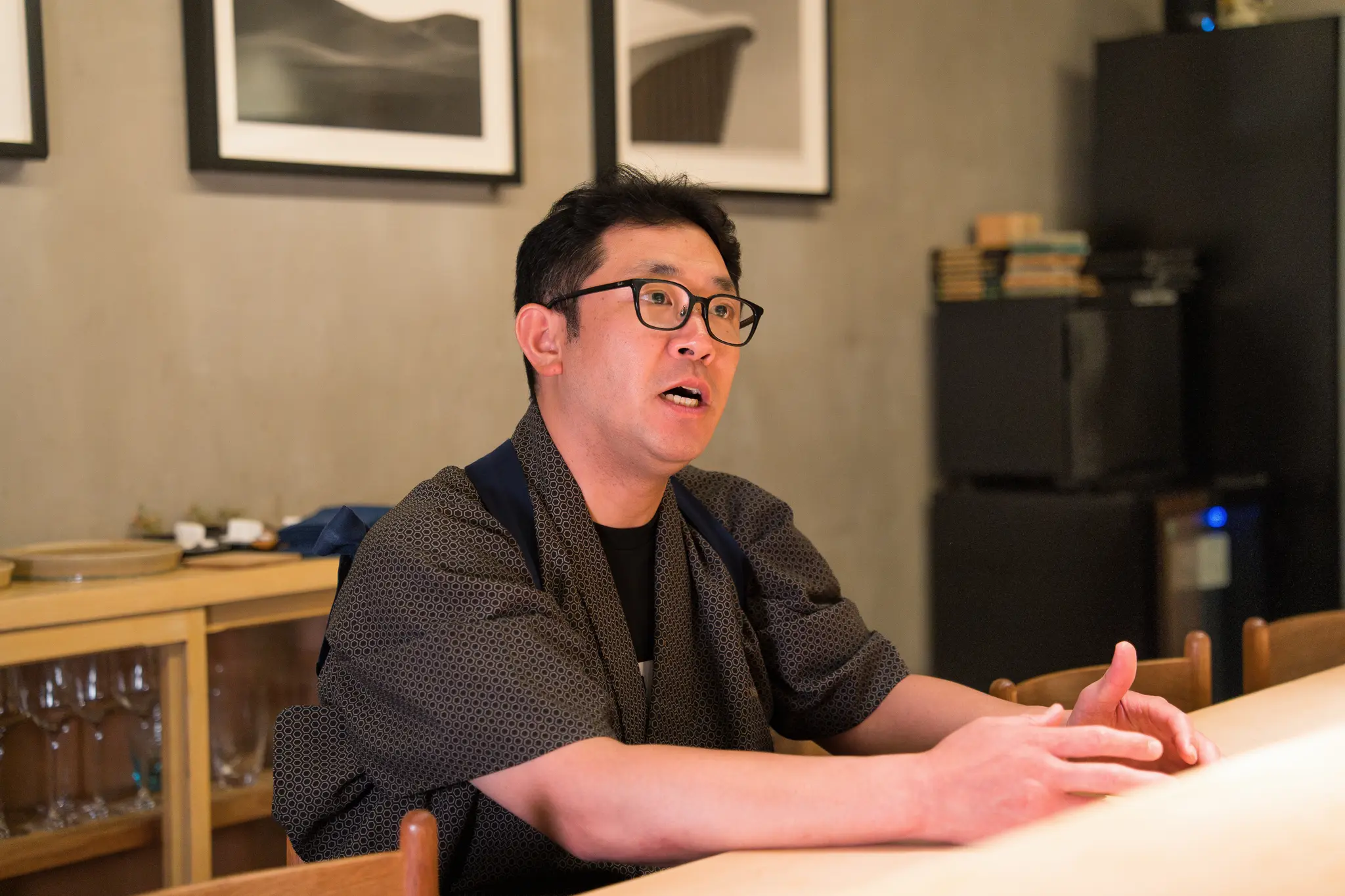
After that, I moved to Ginza Sushi Ichi's Ginza flagship restaurant, which is currently closed. Drawing on my previous experience, I was entrusted with the second-in-command position and was also involved in launching the restaurant's overseas expansion.
Since the head chef couldn't leave the main restaurant, I was sent instead, and together with the Japanese team members I had trained with in Ginza, I trained the local staff.
I spent about a month helping launch Ginza Sushi Ichi's Bangkok location, and around two weeks assisting with the opening of its Singapore location. I feel very fortunate to have had such rare and valuable experiences.
Compared with my apprenticeship in Kanda, the restaurant's approach and the nature of the work were completely different, and the clientele was different as well, so it took some adjustment to the new environment. It also made me mentally tougher.
A step toward independence, guided by fate
— What prompted you to start your own business?
Originally, the owner-chef of a restaurant called Yanagi Sushi was planning to step down, and I was approached with the offer, “We’d like you to take over as head chef. You can even change the restaurant’s name.”
I thought that under those conditions, I could start from scratch and create a store that matched my own vision, while still having an established business to build on.
However, I had no experience designing an interior from scratch or working as a head chef. There was still a lot I didn’t know about sourcing ingredients and other aspects of the business, so I decided I needed to learn more and spent about a year and a half gaining experience under the owner of a restaurant in Nishi-Azabu.
At that point, it wasn't so much that I had decided to open my own practice; rather, I had been approached about it and it was still just under discussion, so none of the details had actually been decided.
However, after some time had passed, we happened to run into each other on the street and agreed to catch up sometime, which led to us going out for a meal together.
I felt it was meant to be, and since they had gone to such great lengths to encourage me, I decided to start my own business.
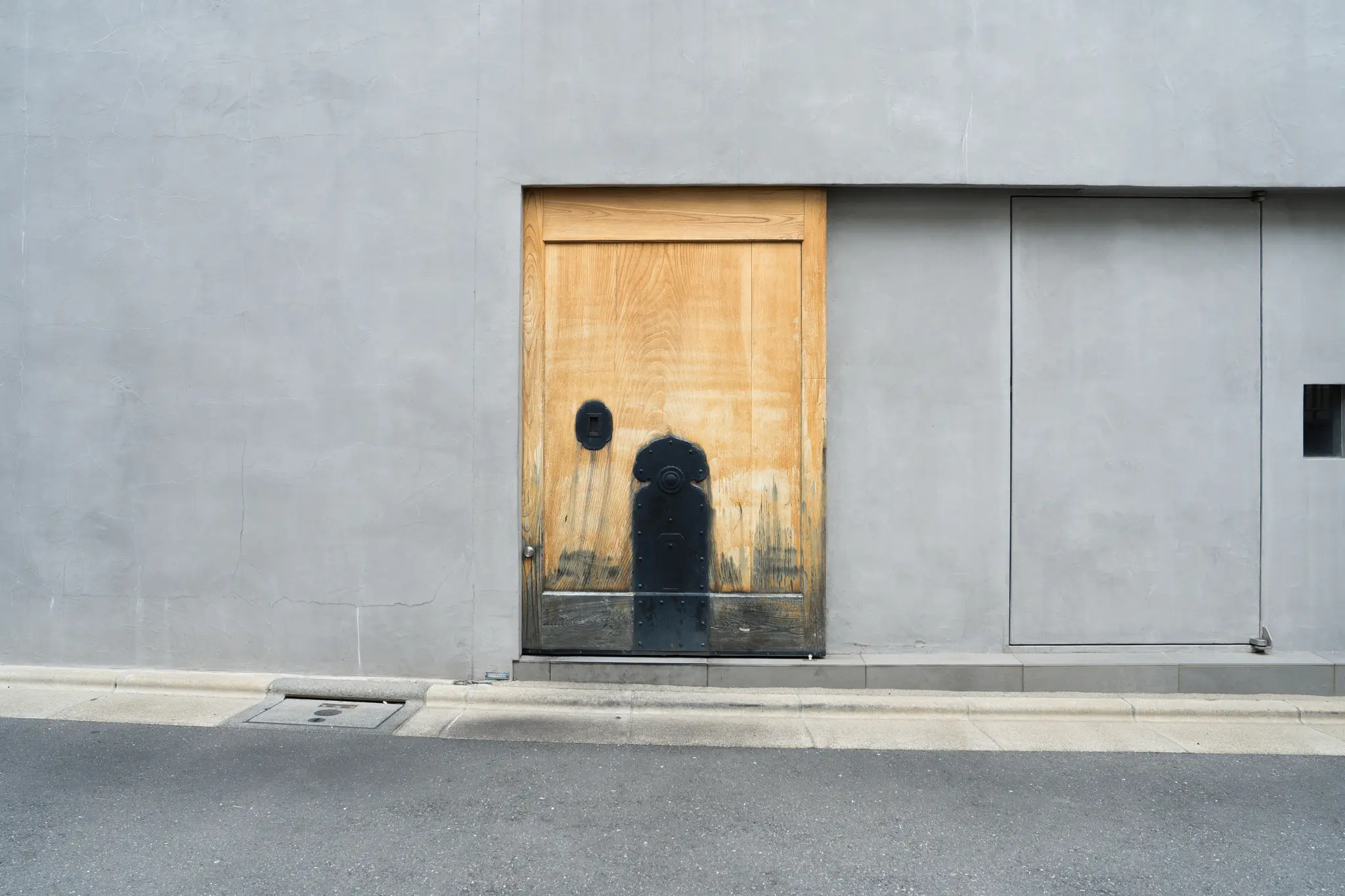
— Were there any challenges or memorable experiences when you first opened the business?
Attracting customers has definitely been a challenge. It still is, actually (laughs). Ideally, customers would keep coming forever, but sometimes circumstances arise that prevent them from coming back.
It's a constant battle with the pressure of keeping customers coming back. As long as I keep the business going, it's probably something I'll have to deal with for the rest of my life.
At first, customers I had served during my apprenticeship came to see me, and others began finding me through information online.
That said, we still weren't very well known, so I also went around introducing myself to hotels. I had occasionally dealt with Aman Tokyo over the phone during my training in Ginza, and they apparently remembered me. After coming to dine with us once, they began referring guests to us as well.
Then the COVID-19 pandemic began, and realizing that customers were unlikely to come in for quite some time under the circumstances, I decided to focus on takeout and tried promoting it on Instagram.
It seems that this caught the attention of about five online magazine publishers, and from there, the name Udatsu Sushi began to spread.
Two or three years later, once travel restrictions had been lifted and the COVID situation had settled down, more and more international guests began visiting us. We were also featured in the Michelin Guide for two consecutive years, which made us feel as though we had suddenly gained widespread recognition.
A Cohesive Sushi Experience, Born from Human Connections
— Is there anything in particular you value when it comes to ingredients?
Of course, using delicious ingredients is a given, but what we value most is our connection with people.
When I go to the market, there are professionals there who know how to judge quality. I inspect things with my own eyes, but I also trust the experts on the ground. If I put my trust in them, they support me in return. I value that kind of relationship as well.
I also love Itoshima in Fukuoka. I've met local producers face-to-face and tried hands-on activities like fishing and farming. We use herbs from Kajitani Farm in Hiroshima, and I once went there and stayed for four days to gain firsthand experience.
And that's why I want to value direct connections with people.
I believe we are only able to cook because there are people who grow and harvest the ingredients for us. I always try to remember and appreciate just how much time and how many people are involved in bringing a single dish to completion.
— You offer two types of sushi rice. Could you tell us what makes each one special?
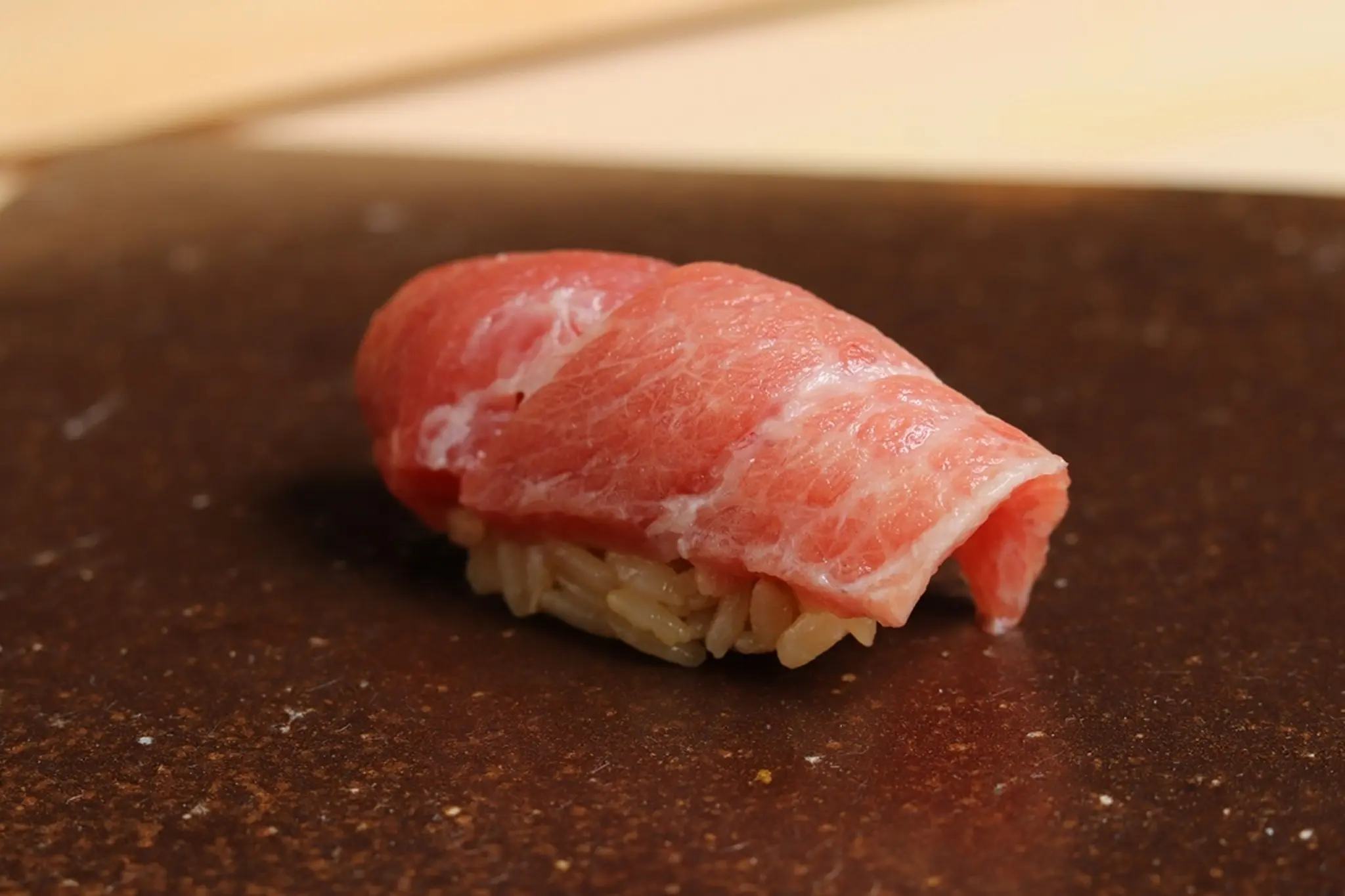
I think every sushi chef has their own philosophy, but to me, tuna is the quintessential sushi topping—the king of sushi—so I wanted to prepare sushi rice that pairs perfectly with it. However, rice blended specifically for tuna may not always be ideal for other toppings.
So, we decided to use two types of sushi rice: red vinegared rice specifically for tuna, and white vinegared rice carefully balanced to complement everything else.
We also choose organic rice and vinegar for the sushi rice, and place great importance on the vitality that comes from natural farming.
An organically evolved art space and international expansion with an eye toward the future of emerging artists
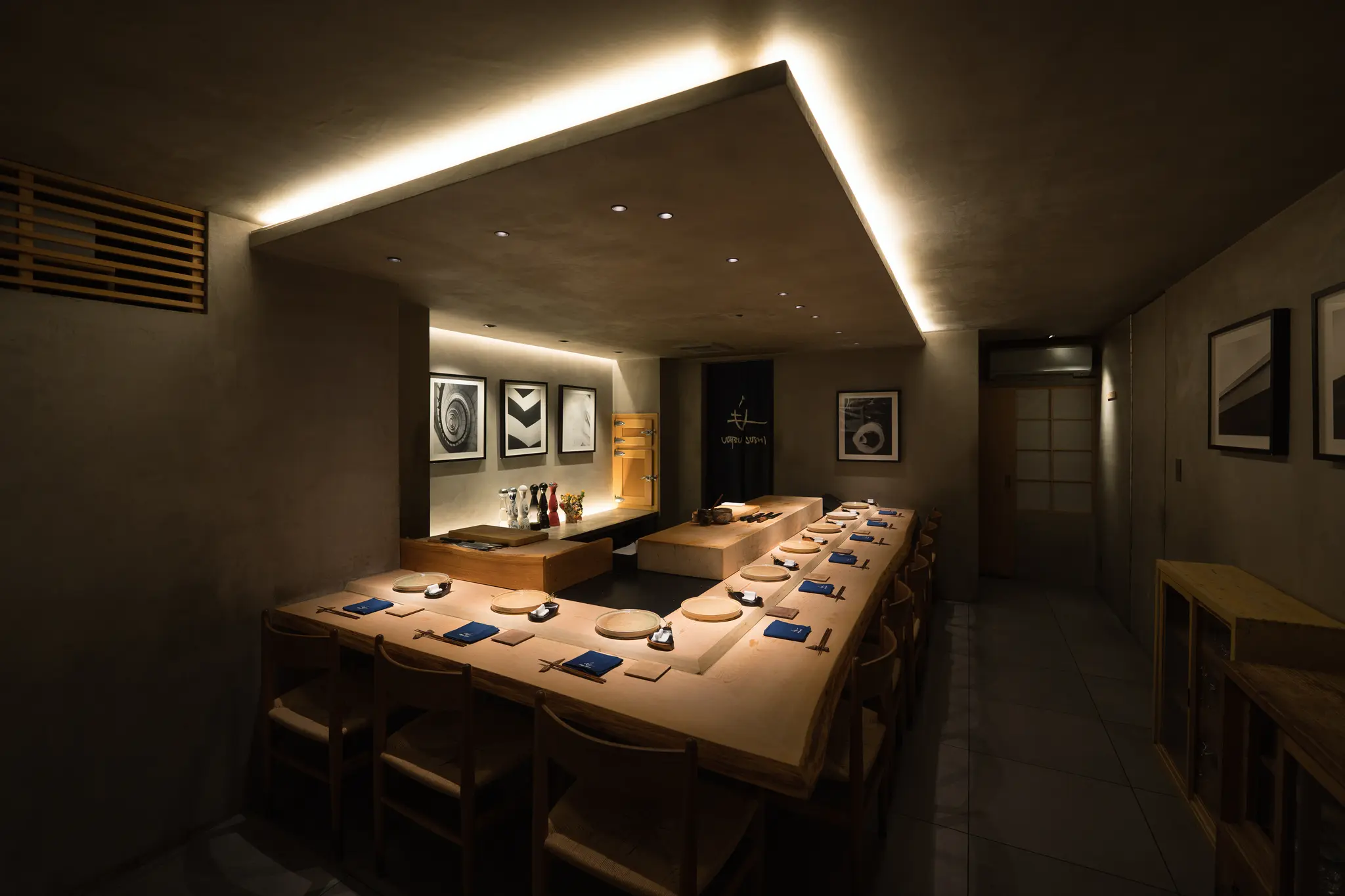
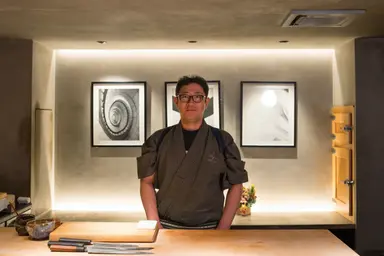
— The art gallery-like interior is lovely. Could you tell us about its theme and the details you were particular about?
Actually, I wasn't the one who came up with this.
I wasn't originally interested in art, and when we were discussing the interior design with the designer, I didn't give much thought to the space itself.
More than anything, we were focused on practical considerations, such as having enough space to work and setting the counter at a height suited to me. As we discussed things like what to do with the walls and whether to put anything on them, the designer said, “Isn’t sushi a form of art?” That sparked a lively conversation, and we decided it would be nice to display paintings and make the space feel like an art gallery.
It wasn't something we had planned from the outset. They're experts in creating spaces, so it came about naturally as things progressed, with the simple thought that it would be interesting to bring together what each of us has to offer as professionals.
However, at first, some people would say, “This place is all about looking good on social media.”
Even if you say that, what's done is done, so if that's what you want to believe, go ahead and believe it (laughs).
At the end of the day, what matters most to us is that our guests leave feeling that they had a delicious meal.
— Could you also tell us what led you to decide to expand overseas?
Originally, we had received offers from several countries, including South Korea, Italy, the United Kingdom, and the United States. However, they all fell through when the COVID-19 pandemic hit. Now that the restrictions have finally been lifted and the number of international visitors has increased, we have started receiving those kinds of offers again.
When I spoke with our employees, I found that many of our younger staff were eager to take on opportunities overseas. As the head chef of 【Udatsu Sushi】, I have a place here, but as the younger team members grew and developed, I felt there were not enough opportunities for them to thrive. One reason we began expanding overseas to Hong Kong and Los Angeles, where we had received offers, was to create those opportunities for them.
The young people who come here to train do so because they want to become craftspeople. Once they have finally acquired the necessary skills, it is frustrating to have nowhere to put them to use and no choice but to maintain the status quo—especially when their pay does not increase either.
So I thought we could expand the business and put them in charge of a new location. Then, if they delivered results, their pay would increase as well. The biggest factor may have been my desire to create an environment where we could both benefit in that way.
However, expanding overseas presents significant challenges. Domestically, we can quickly go to the site and address any issues right away, but overseas, we cannot get there at a moment's notice. Managing operations is extremely difficult when those kinds of risks are taken into account, so we are not really considering further overseas expansion over the next few years.
Right now, my goal is to get the newly opened HISASHI SUSHI in Omotesando firmly established, while giving more and more young chefs opportunities to make sushi and creating a place where they can thrive.
The Potential and Challenges of Sushi Beyond Japan
— You just mentioned the challenges of expanding overseas. Could you tell us what you have learned from interacting with customers abroad?
I see the potential for cultural exchange with people from overseas.
Since they traditionally did not have a culture of eating raw fish, I feel that Japanese foods such as sushi and sashimi are beginning to gain acceptance, but there are still many finer points that have yet to be fully understood.
More and more people from overseas are eating sushi in Japan and deciding that they want to become sushi chefs themselves. I feel there is still room to share more of what makes Japan special by providing them with an environment where they can learn to make truly high-quality sushi rather than something mediocre—including techniques such as salting fish—and recreate sushi at a more advanced level.
Of course, other countries have their own unique strengths, and since the world is connected by the oceans, I believe even better cultures and environments will emerge. That gives me hope for the future.
— I hear that these days, people from overseas sometimes study sushi at culinary schools in Japan before going on to train at a restaurant.
It's the same for us. We have four students from South Korea, one from Thailand, one from Vietnam, and one from China.
The young woman from Thailand is trusted to run the restaurant when I’m away, and although it has only been four years since she graduated, she is already thriving on the front lines. The young woman from Korea is also making sushi at 【HISASHI SUSHI】 in Omotesando. The others are progressing rapidly as well and will soon begin assisting, so I think they’ll be making sushi themselves within another year.
They really are full of motivation.
They work incredibly hard, and everyone is determined to learn the job.
— From the perspective of the challenges involved in reaching overseas audiences, is there anything in particular that stands out to you?
I don't think this is limited to sushi, but it is somewhat regrettable when interpretations or perceptions that differ from the original form become popular. I see that as an issue, and I believe it is something we can change. At the same time, those interpretations may reflect new forms and needs, so I don't think they are necessarily wrong.
Perhaps the biggest issue is the environment surrounding the fishing industry. Japanese fish is of excellent quality, and overseas demand has been growing in recent years. Buyers willing to pay any price can end up buying out the supply, leaving little for those of us here in Japan. That is a situation we really need to address.
If prices soar, problems such as poaching will also increase, posing a major challenge to protecting Japan's resources.
The fishing community in Itoshima is also working to address this issue, and of course, I’m sure many other places are doing the same. They strictly observe fishing bans and fish in a way that takes marine resources into consideration.
Even as global warming brings changes to the ocean, I believe we are still able to consistently harvest high-quality seafood thanks to the people who have worked to protect the environment over the years.
Creating a place where young talent can thrive. Shaping the future of sushi and dining.
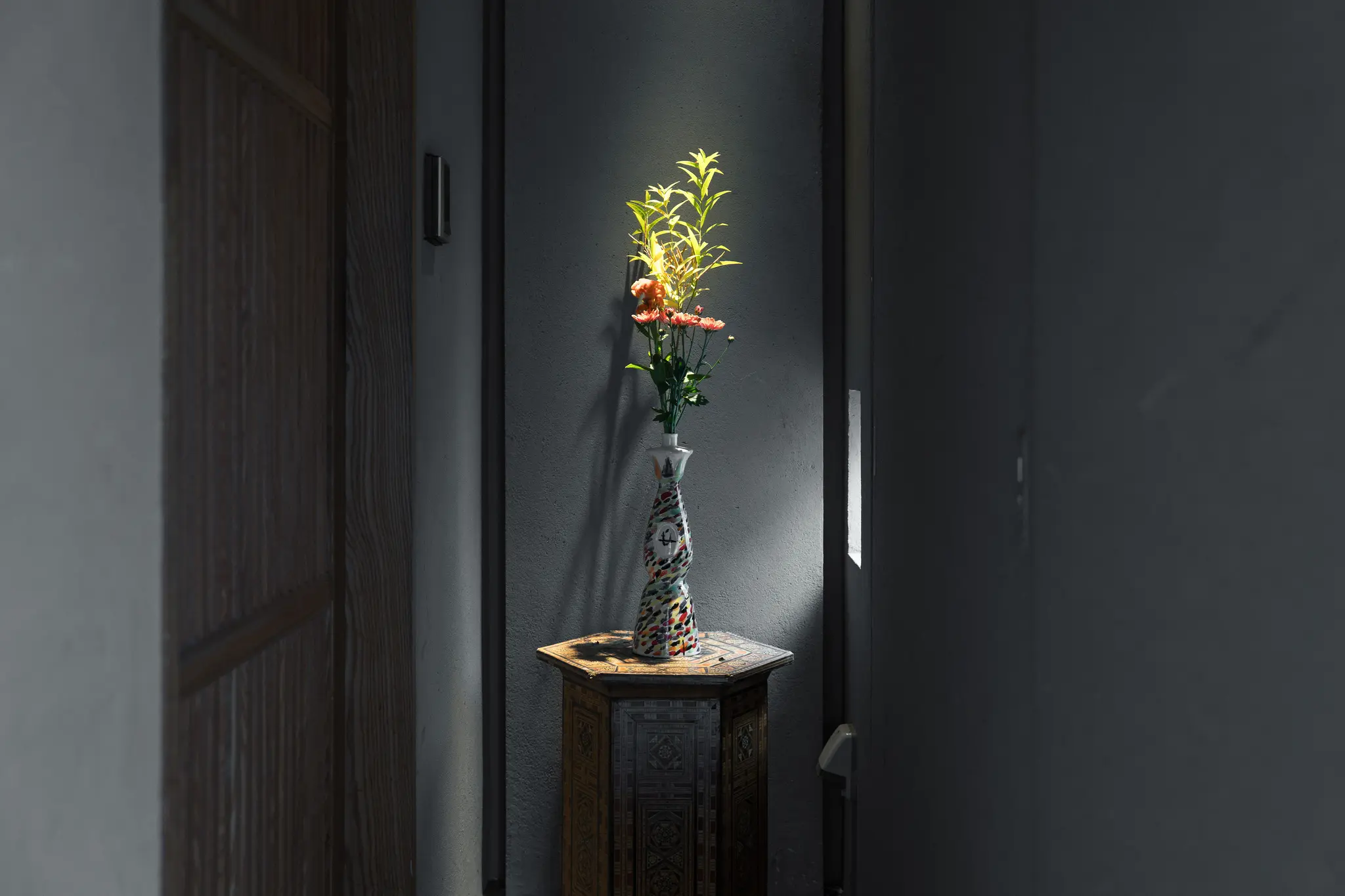
— Could you tell us about HISASHI SUSHI, which recently opened in Omotesando?
As I mentioned earlier, we opened the restaurant both to create a place where young chefs could thrive and with the concept of allowing customers to enjoy the sushi they want whenever they want.
At 【Udatsu Sushi】, dining is offered as an omakase course at set times, whereas at 【HISASHI SUSHI】, the omakase course is more like a secret menu option, with à la carte dining as the standard.
We created this restaurant to be the kind of place you can drop into whenever you think, “I want sushi right now!” We welcome walk-ins throughout our opening hours whenever seats are available.
In recent years, fewer people have been working in the food and beverage industry, and I feel that the pandemic accelerated this trend even further. But people will never stop eating, so I want to help revitalize not only the sushi business, but the entire food and beverage industry. These days, working in food service seems to be seen as a job with little hope or opportunity. In reality, it offers tremendous possibilities, brings you into contact with all kinds of people, and provides many unique benefits and priceless experiences that you simply cannot find in other fields.
— What are your plans for the future?
Udatsu Sushi has also expanded to Hong Kong and Los Angeles, but lately I’ve come to feel that without Udatsu himself, it wouldn’t truly be Udatsu Sushi. That’s why I want to stay healthy and keep working for as long as I can.
I want to keep moving forward, always holding on to my commitment to remain a true sushi chef and to the spirit of inquiry that drives me to discover how to create even more delicious food.
As a company, we have created a new foundation with HISASHI SUSHI, so we would like to strengthen that foundation, hire more people, and build a system that will enable us to expand rapidly with new locations and grow as a brand. Once the foundation is firmly in place, I believe the rest will be a matter of management.
— Lastly, Mr. Udatsu, what does “delicious” mean to you?
To make people smile through food.
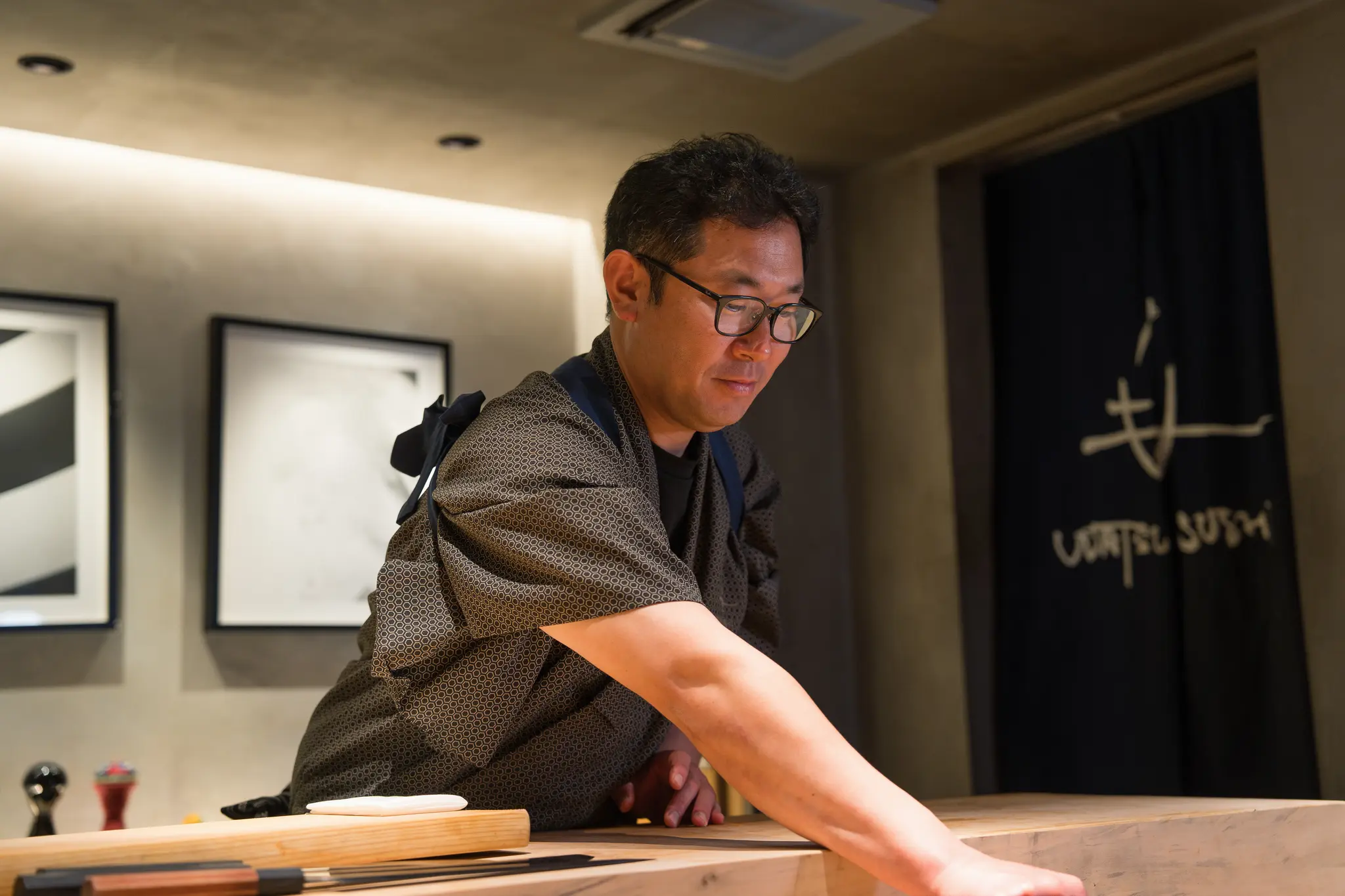
What Mr. Udatsu values is not only the ingredients themselves, but also the connections with the people behind them. He is also creating opportunities for young chefs to put the skills they have acquired as sushi artisans to use and thrive, passing the culture of sushi on to the next generation. At the heart of it all is surely his spirit of inquiry: continuing to work as a craftsman while constantly pursuing ever more delicious food. At Udatsu Sushi, why not savor each piece before you while also appreciating the connections and stories behind it?
Reporting and Writing / AutoReserve Magazine Editorial Team
Photography / Shoichi Baba
Restaurant Information
- AutoReserve Magazine
- Restaurants recommended by top chefs
- Beyond Making Sushi: Hisashi Udatsu of Udatsu Sushi Envisions the Future of Sushi Artisans
.jpg?format=webp)

.jpg?format=webp)