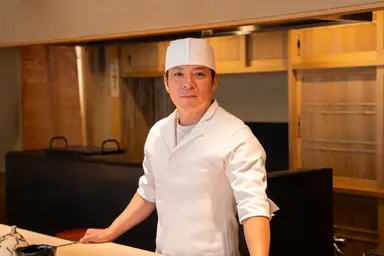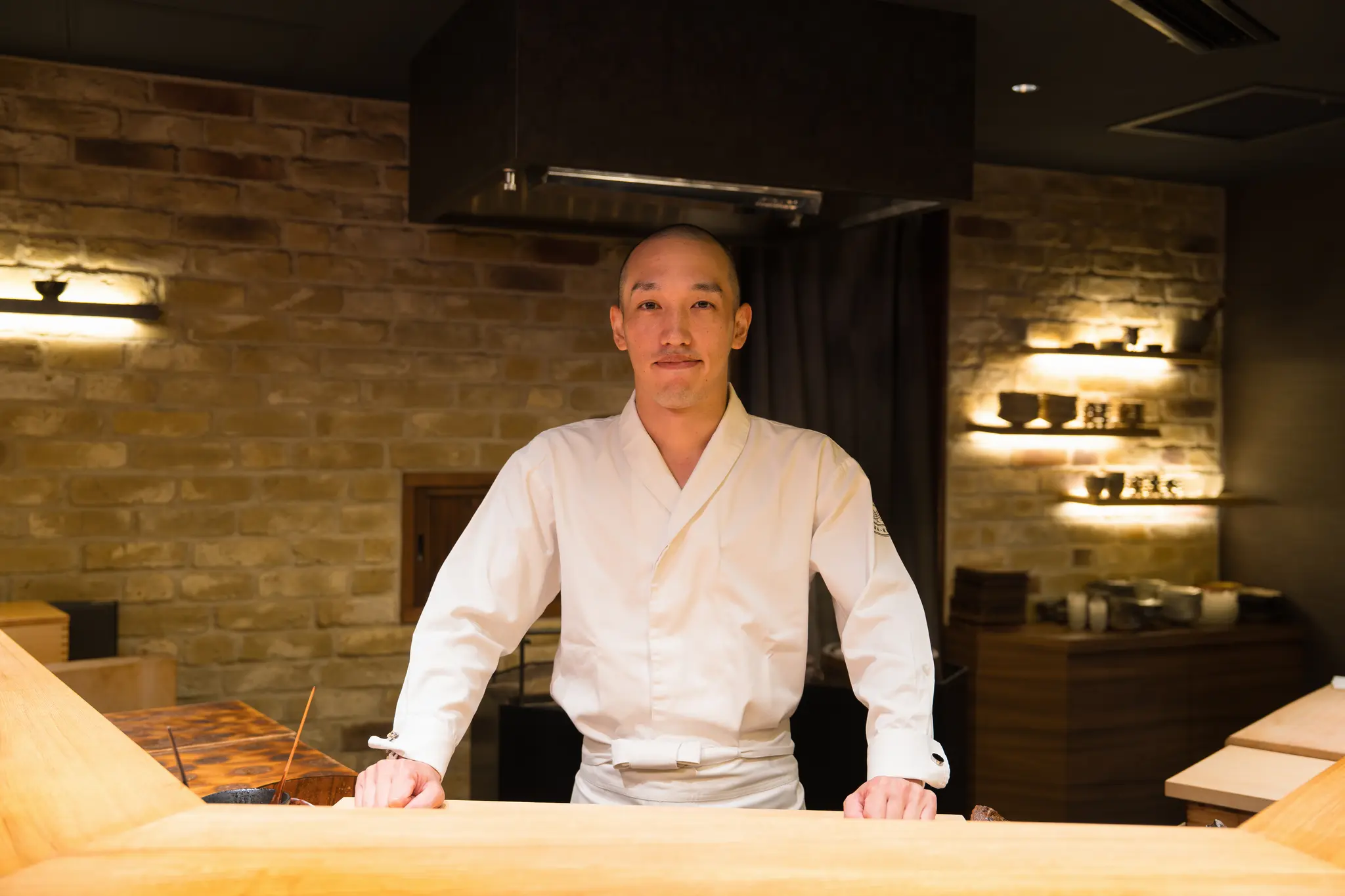
Understanding Fish, Mastering Sushi, and Nurturing Talent: The Future Envisioned by Danku Sasaki of Sushi Rinda
In Pursuit of What Makes Food Delicious: How a Love of Fish Led to Becoming a Sushi Chef
— What inspired you to become a chef?
When I was in junior high school, ramen was the go-to local food you could enjoy without spending much money.
Around that time, I realized that when I ate something truly delicious, I would get this shiver of goosebumps. I think wanting to seek out that feeling was what first drew me so strongly to the world of cooking.
It started with wanting to experience that feeling myself, but at some point, I began to think, “I want to offer that experience to others” and “I want to give it to someone else.”
My grandparents ran a fish shop in Aomori, which gradually sparked my interest in fish. When I was in high school, I started working part-time at a seafood izakaya, and before I knew it, I wanted to learn more about fish and how to prepare it.
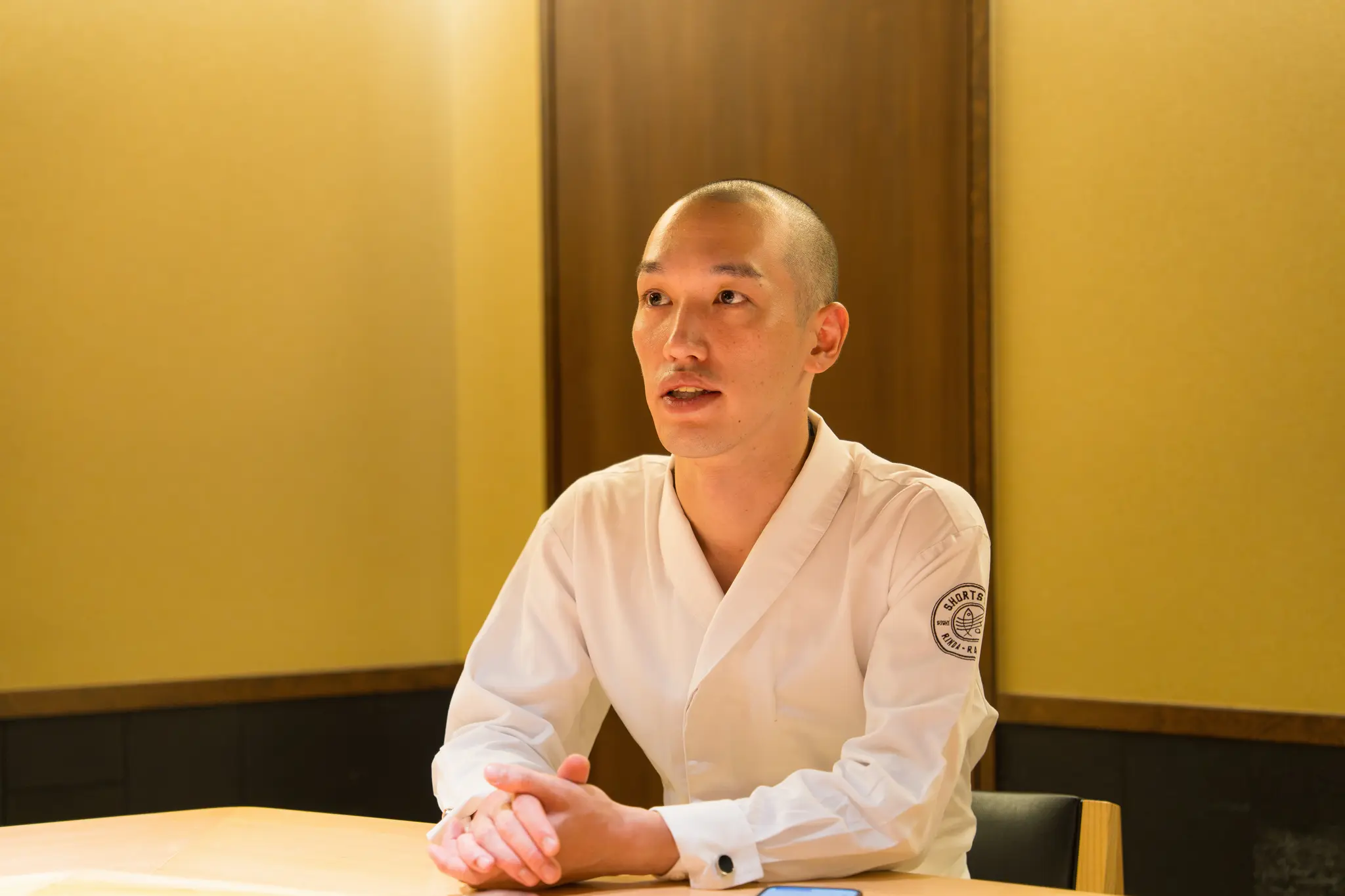
I became a chef at the age of 19 and worked in the world of Japanese cuisine, where I could handle fish. But as I grew eager to work with fish on a deeper level, I realized that becoming a sushi chef was the only path for me, so I began my training at 22.
I wanted to master cuisine centered around fish, and what began as an effort to study sushi as part of that pursuit ultimately led me to become the sushi chef I am today.
— By the way, do you have a favorite fish?
That's a tough one, but it's a good question. If I had to choose a fish I'm particularly fond of, it would probably be splendid alfonsino.
Judging their quality is extremely difficult, so ever since I became a chef at 19, I photographed them almost every time and studied the images to learn the distinguishing features of each region, such as the shape of the face and the overall form. I had an entire folder filled with nothing but photos of splendid alfonsino (laughs).
After all the hard work I went through, this fish holds a special place in my heart. Even now, I'm confident that no one can match my eye for selecting the best splendid alfonsino.
An environment where you can fillet fish, make sushi, and gain experience
— Could you tell us about your years of training?
At the time, Sushi Rinda had a much larger staff than it does now. I chose to train there because young chefs were given opportunities to thrive.
At the time, it was said that becoming a sushi chef, like any other artisan, required ten years of training. Looking around the industry, all the successful chefs seemed to be seasoned veterans in their forties and fifties. Against that backdrop, Sushi Rinda and its sister restaurant Ranmaru stood out as places where chefs in their twenties were also thriving.
I didn't think I could wait through such a long apprenticeship either, and there were already people making a name for themselves in their twenties. On top of that, I had this unfounded confidence that I loved fish more than anyone else my age, so I jumped right in, thinking I could make an impact straight away.
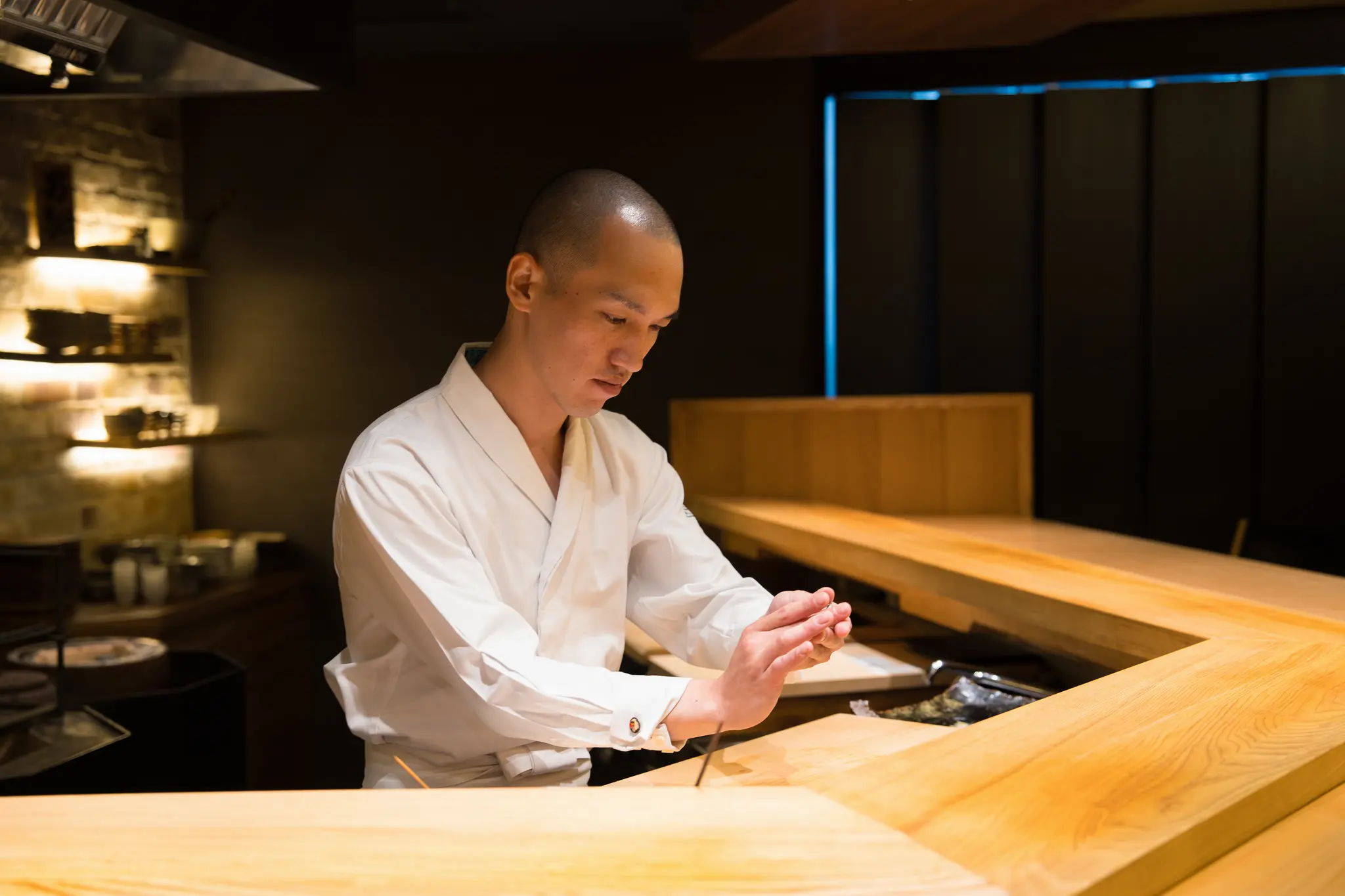
However, when I actually got into it, I found the reality was harsher than I had imagined.
Although I had experience working in Japanese cuisine, I was taken aback by the difference in skill level required to prepare fish at a sushi restaurant. My skills did not meet the restaurant’s standards, so I was not allowed to work at the fish station for nearly a year. When I was finally able to start preparing fish, I was delighted, but I also worked desperately to improve as quickly as possible.
Once I actually started filleting fish, my peers and I would race against the clock while trying to keep our cuts clean, or compete to see who could process the most fish, so I think I improved quickly. It took a long time and a lot of hard work before I was allowed to help with the prep, but of course, there was also a great deal to learn along the way.
We currently don't have a set waiting period for that. Even if someone has only recently joined the company, we let them start doing prep work right away if they seem capable.
— Could you tell us about your sister restaurant, Bullpen?
After joining the company and completing their initial apprenticeship, once they learn how to fillet fish, they need experience to develop into sushi chefs. To give these young chefs a place to grow, we created the “Bullpen,” named after the area where baseball pitchers warm up by throwing pitches.
At the time, Sushi Rinda operated only in the evenings, with two seatings per night and limited seating capacity. With nine seats filled twice, we could serve just 18 guests. Even if we served ten pieces of sushi per course, that gave us the opportunity to make only 180 pieces a day.
Of course, we inevitably grow through our daily efforts, but even so, gaining experience takes time.
So at Bullpen, we adopted a standing-dining format, and since around 50 guests a day were visiting at the time, I had the opportunity to make about 500 to 600 pieces of sushi—roughly three times as many as at the main restaurant.
We created this as a place where guests can enjoy the same fish served at our flagship restaurant for about half the price, while giving young chefs the opportunity to hone their sushi-making skills.
By that point, I was so busy that I honestly barely remember it. But it was definitely fulfilling. Looking back on my career as a chef, I really feel that it was a period when I gave it absolutely everything I had. Every day was a struggle, and it was normal for me to spend practically all my time at work (laughs).
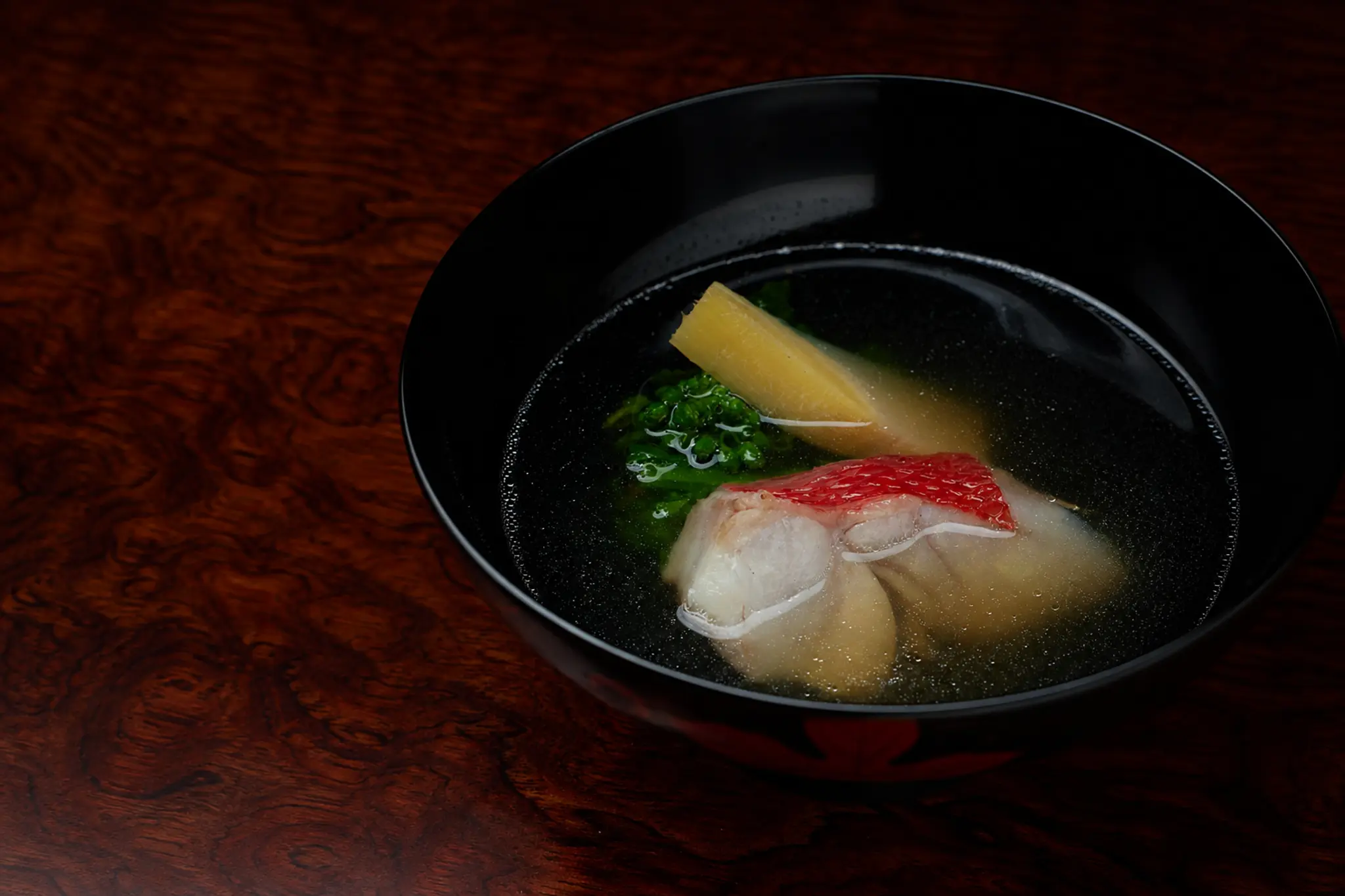
At present, I myself am no longer involved with [Bullpen] at all. The eighth-generation sushi chef is now doing a great job. It now has seated dining rather than standing-room dining, but its philosophy remains unchanged, and it continues to serve as a place where young chefs can learn and hone their skills.
A New Side of “Rinda” Portrayed as a Leader
— We understand that you were appointed head chef of Sushi Rinda following its major renovation.
Next to [BULLPEN] was a restaurant called [DUGOUT], which served as a place to take on new challenges after graduation. I ran it as my own proving ground, offering just six seats a day and keeping it off social media and the internet.
When the decision was made to renovate Sushi Rinda, part of me wanted to work there again, and I felt I might be the right person for the job. Then the company president gave me the encouragement I needed. That was when I resolved that this would be my next big challenge.
Sushi Rinda has always been a lively, bustling restaurant where young chefs can thrive.
Compared with those days, our average spend per customer has increased and the setting has changed, so simply carrying on as before was not an option. I felt I needed to preserve what was good while also bringing out my own new style. With a renewed sense of discipline, I continue to focus on balance and contrast, while placing great importance on the ingredients and the way we conduct ourselves, so that everything conveys a sense of refinement.

— Are there any key points you keep in mind when driving change?
We want our customers to enjoy their meals with a smile.
While maintaining high standards is an important part of being a professional, if the atmosphere is so strict that younger staff feel intimidated, it can stifle their individuality and create an environment that customers cannot enjoy either.
When you don't yet have the skills or experience, your youth is your greatest asset. I want to bring out each staff member's appeal in a lively, fresh way.
We’re focused on building a team where we can encourage people to step forward more proactively and work together.
Bringing out the fish's natural flavor while thoughtfully composing the ingredients and progression
— Is there anything in particular you keep in mind regarding the course?
When curing fish in vinegar, I make sure not to overpower its natural flavor.
Edomae sushi often has a pronounced vinegary tang, but I want diners to appreciate each fish’s natural character—its richness if it is fatty, or its refined flavor if the flesh is clean and free of off-notes. That is why I cure the fish lightly and gently in vinegar overall.
We also keep the marinade light enough that it doesn't become too salty, taking care to preserve as much of the fish's natural flavor as possible.
When it comes to the balance between the topping and the rice, I want to tailor each piece to the customer's preferences. At some sushi restaurants, it can be difficult to ask for less rice, but I want to accommodate each customer's tastes.
I shape each piece of sushi with that particular customer in mind, even tailoring the size of the topping.
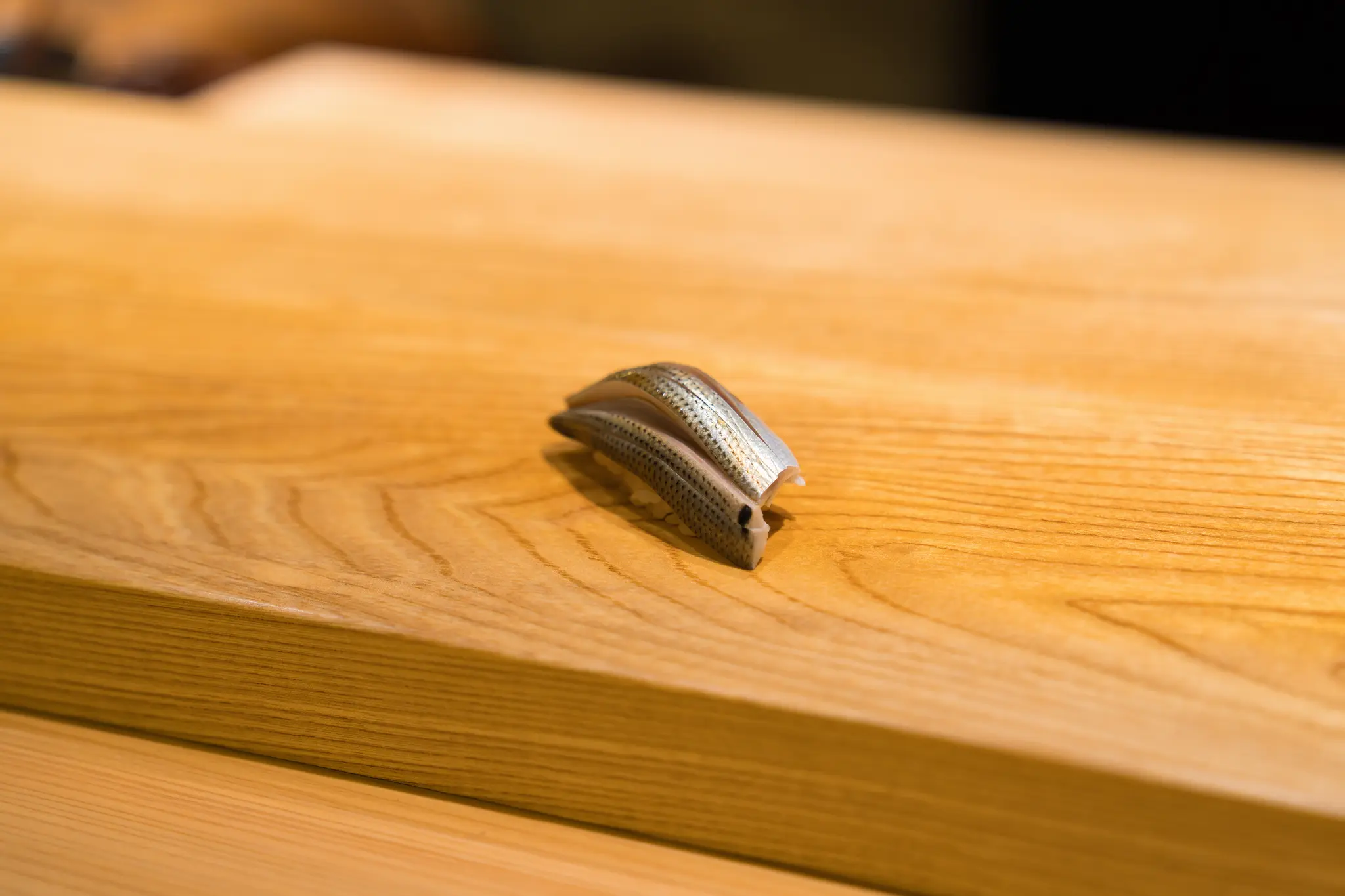
What I place the greatest importance on is the flow of this course.
Of course, while giving careful thought and attention to every single piece, I believe the overall flow is what matters most. I design the course with the diner's overall satisfaction in mind, creating peaks and valleys in the progression like an electrocardiogram, so that even when serving the same type of fish, the experience never becomes monotonous.
We avoid serving similar items back-to-back, varying the selection among seared dishes, rich and fatty cuts, vinegar-cured fish, and silver-skinned fish. We also vary the garnishes and seasonings—such as ginger and garlic—to create a course that never overwhelms the palate.
Ideally, we'd be able to elicit a reaction of surprise from our customers.
Sometimes, by the time we reach the second half of the course, I'm already getting full from all the substantial dishes, so even when one of my favorite items is served, the ideal moment to enjoy it at its best has already passed.
To prevent that from happening, I structure it like a baseball batting order, giving each step along the way a specific role.
— Could you tell us what you consider important when selecting ingredients?
It really comes down to using fresh, high-quality ingredients.
Sometimes I go to the market myself, and other times I have the produce shipped directly from the source.
Over the course of my career as a chef, I've built up a wealth of experience about which fish are best at certain times of year and which regions I prefer, so each year feels like a chance to see whether that experience still holds true.
We make adjustments each year based on what was different, saying things like, “The timing was a little off this year,” or “It was two weeks early.”
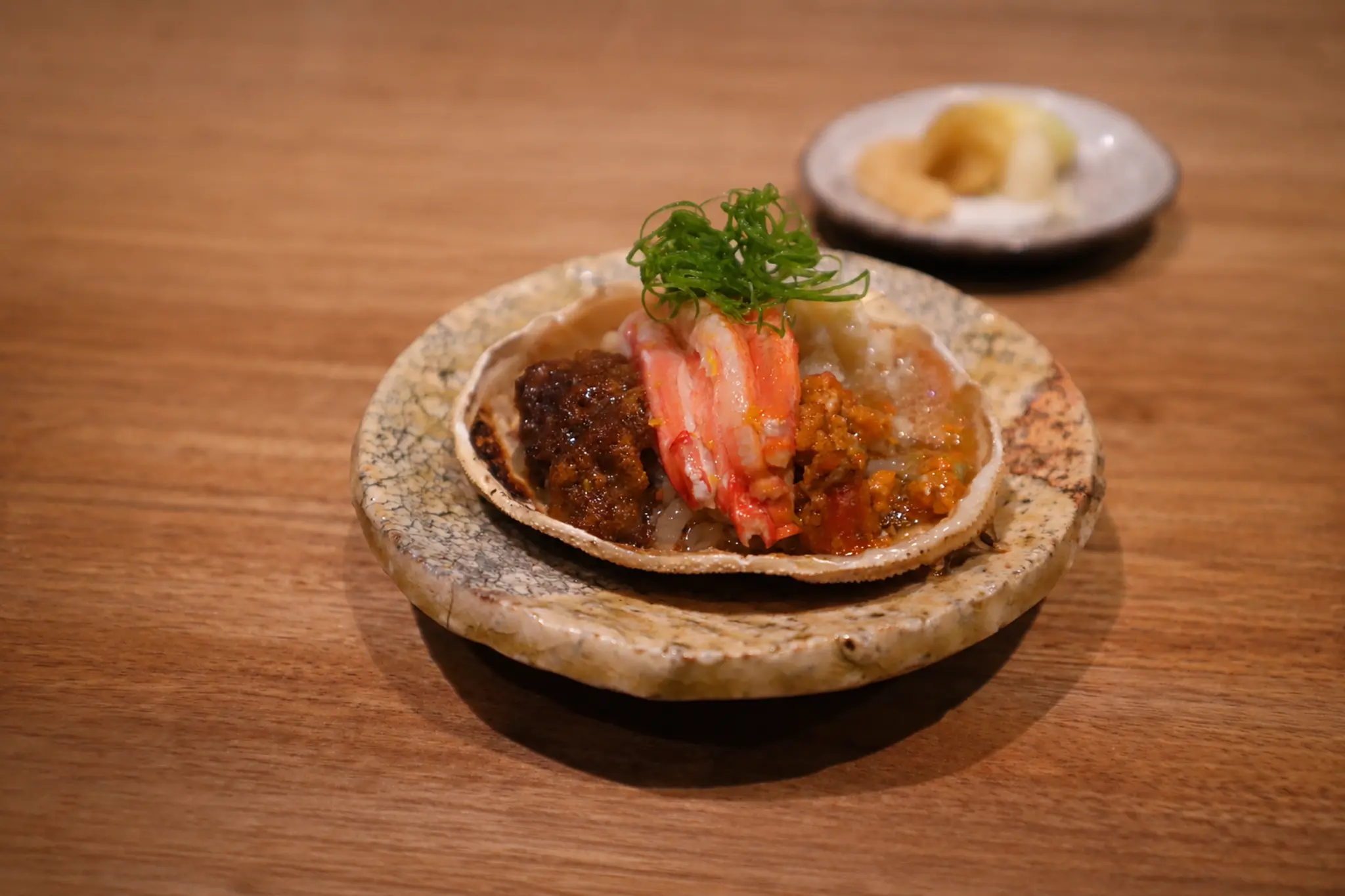
Sometimes we take on new challenges, and communication with our suppliers is also very important. The products pass from farmers and fishermen through wholesalers to intermediate wholesalers, and then we purchase them for our restaurants before they finally reach our customers. Including the people who handle deliveries, everything is passed along from person to person, and ultimately, it is our responsibility to serve it to our customers.
That's why I'd rather buy from someone I feel comfortable with.
I want to source from people who greet me warmly and make me think, “This is someone I want to buy from.” To build those relationships day by day, I’ll sometimes bring them a little treat.
I believe that, like the anchor in a relay, a chef's job is to take the final baton, deliver it to the guests, and send them home with a smile.
If something comes up, we make sure to communicate it clearly and build a relationship where we can help each other grow. We’re both fully committed.
A once-in-a-lifetime moment born in that instant
— Is there anything in particular you keep in mind when it comes to the space and hospitality?
The concept I’ve had in mind since we first began the renovation is to create the space together with our customers, with everyone contributing.
We want each member of staff to be able to showcase their own unique strengths and thrive, while also preserving what we can of the lively, bustling atmosphere that characterized the good old days of Sushi Rinda.
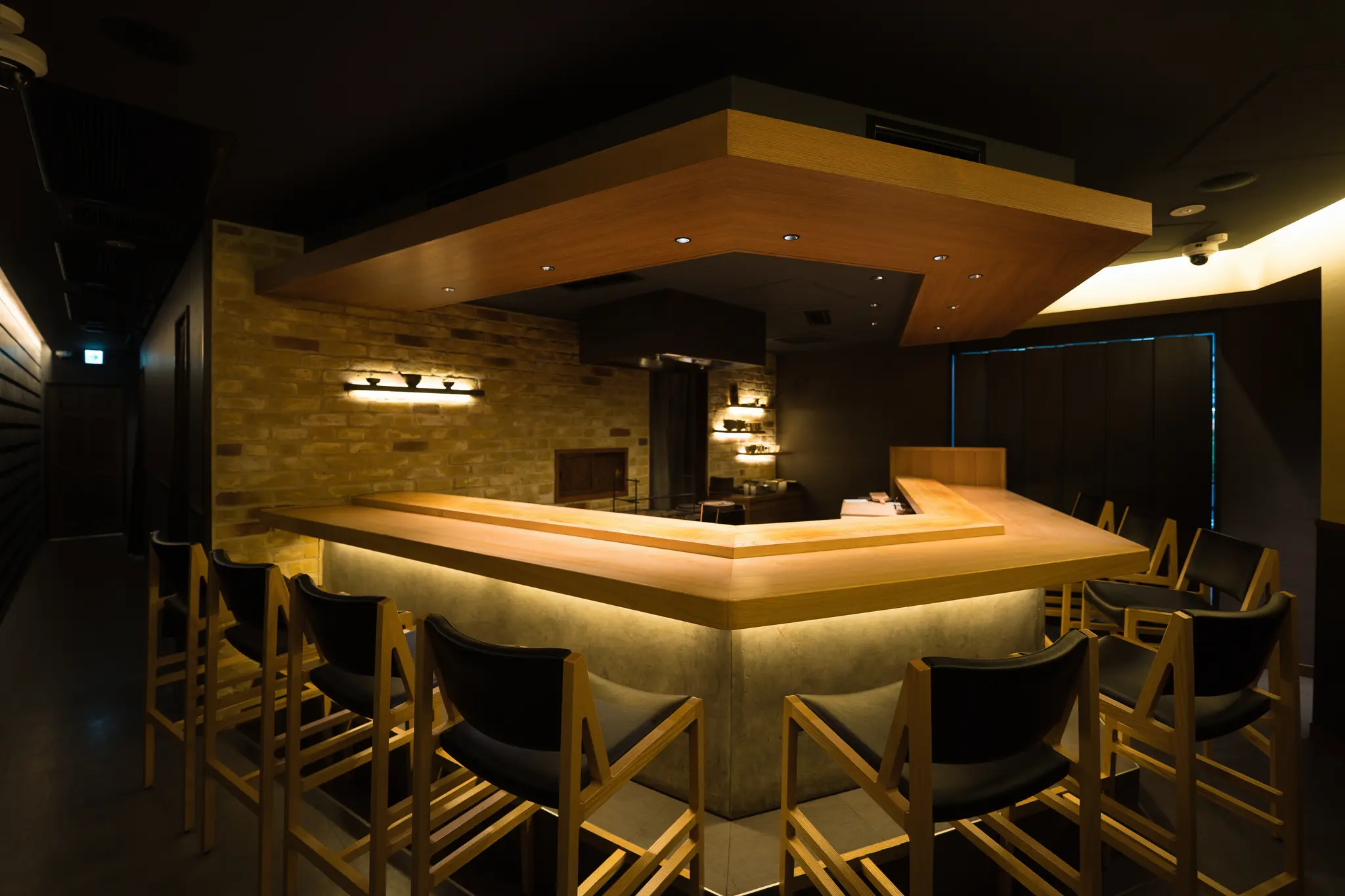
Also, the counter is designed so that customers can see one another, creating a sense of togetherness. That may not appeal to everyone, though, and it might not be suitable for certain types of dates.
Calling it a once-in-a-lifetime opportunity to share a table together might sound a little grandiose, but what matters most to me is that we all come together to create this particular arrangement, this space, and this interaction with our guests.
So, one of the interesting things is that even with the same guests, simply changing where they sit can create a completely different atmosphere or feel.
We also have guests who come alone, so we make a point of ensuring that no one feels left out. Sometimes, this creates an atmosphere where everyone—even people meeting for the first time—ends up chatting together.
When that happens, everyone is all smiles and seems to really enjoy the sushi, so I’m very conscious of the idea that it’s something we all create together.
— Was there a particular reason you chose to have nine seats at the counter?
The number of seats has absolutely nothing to do with baseball (lol). Sometimes we place them closer together to make 10 seats, and other times there are 8.
As we continue working together as a sales team, there are many ways in which our customers help us grow.
Since we are a young team, many of our clients are one or two generations older than us, and many of them are business owners.
Since we work with people like that, I tell our staff that even though we are the ones being paid, they should absorb and learn whatever they can from them.
Building a future-focused team to bring more smiles
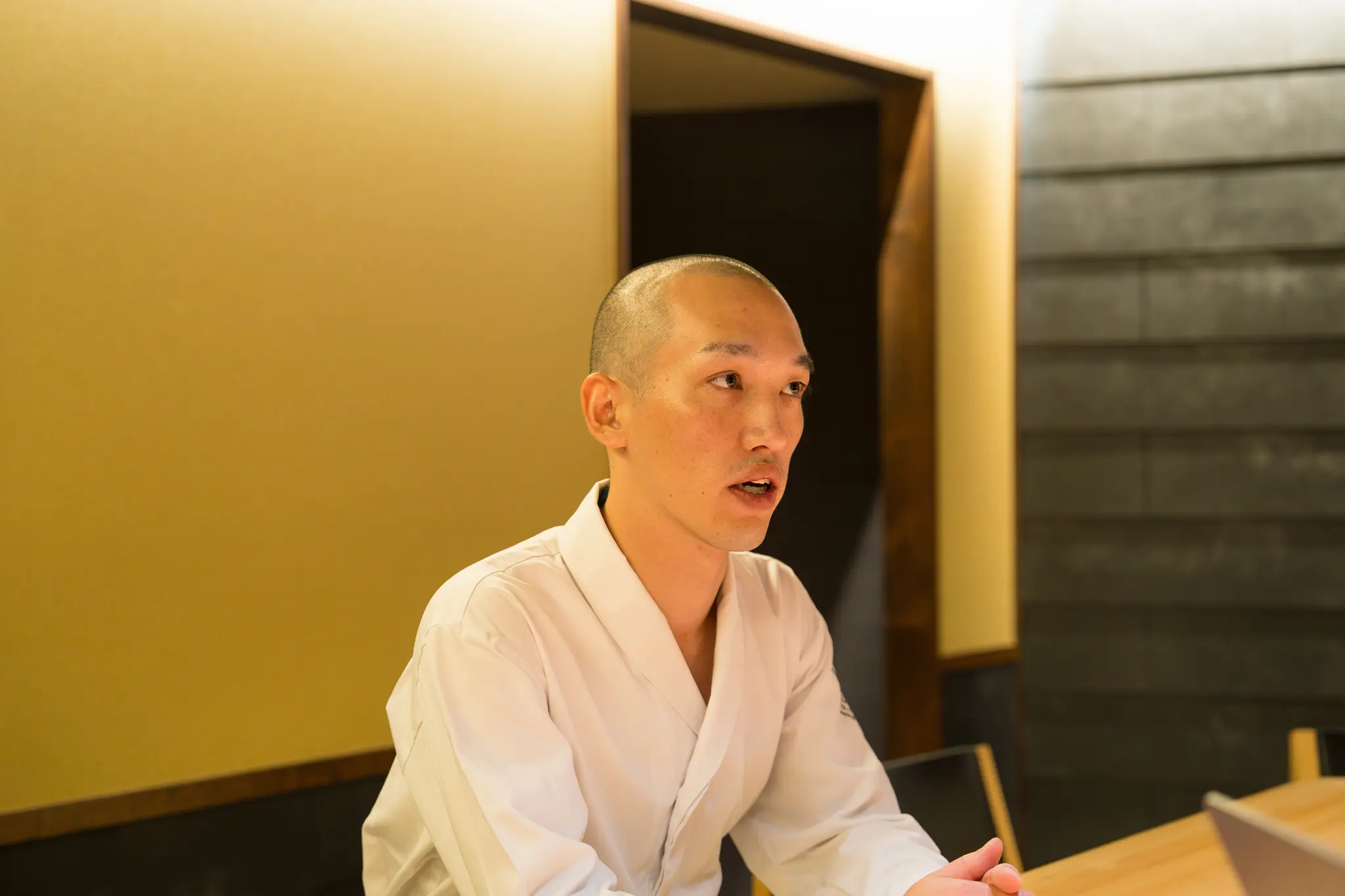
— What are your plans for the future?
We've welcomed many young staff members, and thankfully, reservations at Sushi Rinda itself are generally fully booked. Going forward, I'd like to hand over the daytime service to them.
This is a challenge for me as well. While I personally find fulfillment in being at the restaurant day and night, many of our staff want to gain experience at both the “bullpen” and the “dugout” and aim even higher.
That's why I want to help those staff members grow to the point where I can entrust them with the lunch service at Sushi Rinda. That way, I can focus on the evening service, while the entire team continues to improve together.
Basically, I'm the only one making the sushi, so I'd like to set things up so the restaurant can run even when I'm not there. That would also help each staff member grow, and I think it would allow us to further differentiate the lunch and dinner offerings.
Ideally, as our younger staff continue to grow, we'd eventually be able to entrust them with the evening operations.
It takes courage to change the status quo, and thankfully, we're currently fully booked and able to maintain a level of service that keeps our customers satisfied.
When I think that changing the way we operate might cause us to lose some customers, I can't help but feel afraid.
However, I believe it is something we will eventually have to take on.
— Lastly, Mr. Sasaki, what does “delicious” mean to you?
I think the element of “fun” is important too, so perhaps “smiles.”
When something tastes delicious, your expression softens, and when you're having fun, you can't help but smile. Even in our company motto, we emphasize the importance of keeping the corners of our mouths turned upward. Whether we're having fun or enjoying something delicious, I believe that the moments that enrich our hearts are accompanied by a smile.
I feel like people who are rich in spirit aren't sullen or constantly frowning—they always seem to have a smile on their face. The same goes for popular people, doesn't it? (laughs)
You could also consider factors like umami and the lingering aftertaste, but everyone has their own criteria for what tastes good, including their sense of taste, so it isn't the same for everyone.
Even if our tastes differ, I think what we all share is the way we react when we find something delicious—the “delicious smile” that lights up our faces.
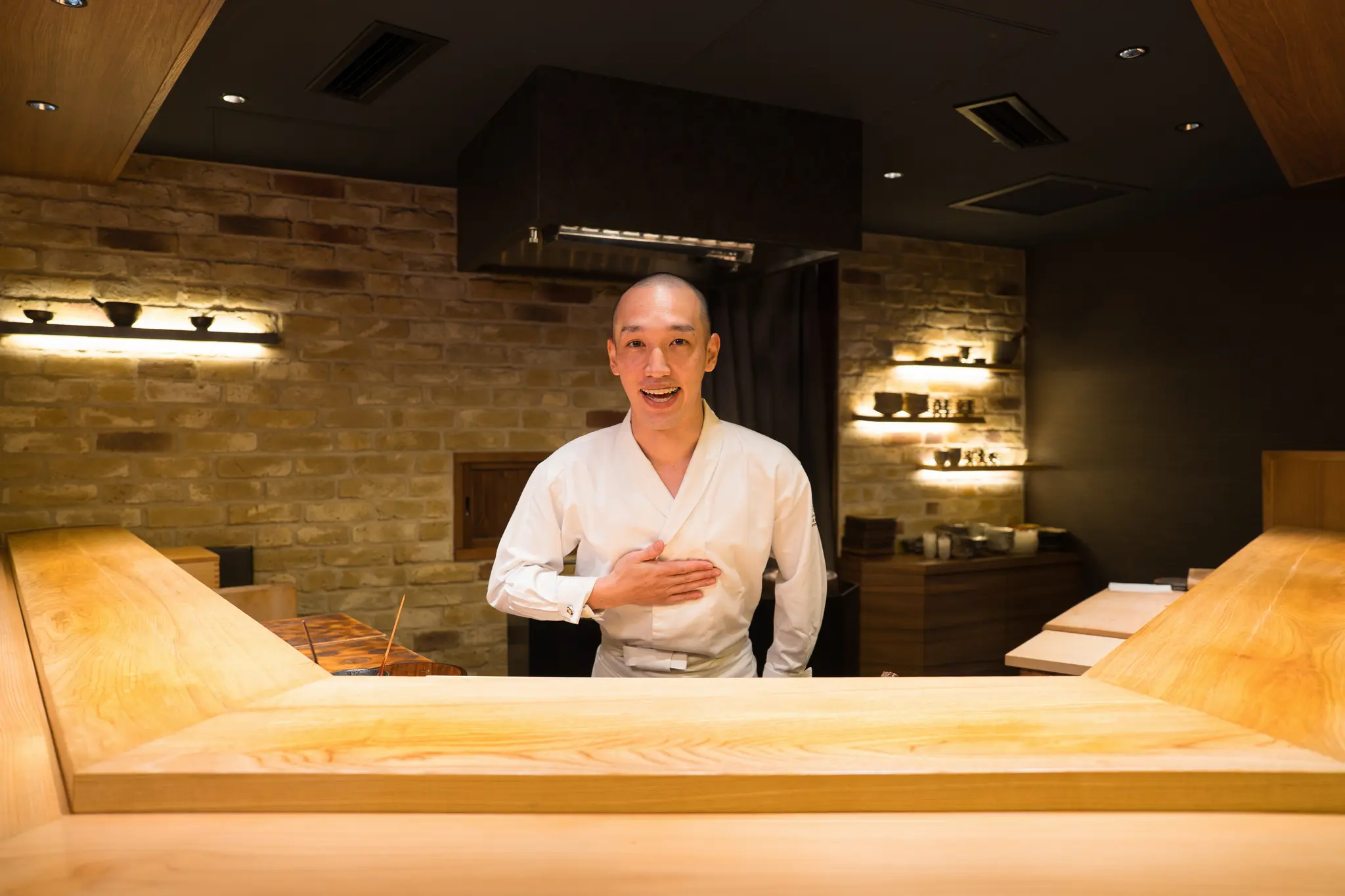
Inspired by the profound joy of tasting something truly delicious, Sasaki deepened his curiosity about fish and embarked on his journey as a sushi chef. From bringing out the natural flavors of each fish to shaping the flow of the entire course and creating an environment where younger chefs can grow, his focus has remained unwavering: to offer something better. Beyond his own development, passing on his skills to the next generation while continuing to evolve the restaurant is one of the challenges he hopes to take on. His closing words, “Delicious food brings smiles,” reflect his belief that cuisine is not only about taste, but also about the expressions it inspires and the richness it brings to people’s hearts.
Reporting and Writing / AutoReserve Magazine Editorial Team
Photography / Shoichi Baba
Restaurant Information
- AutoReserve Magazine
- Restaurants recommended by top chefs
- Understanding Fish, Mastering Sushi, and Nurturing Talent: The Future Envisioned by Danku Sasaki of Sushi Rinda