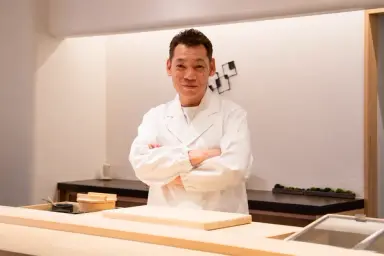

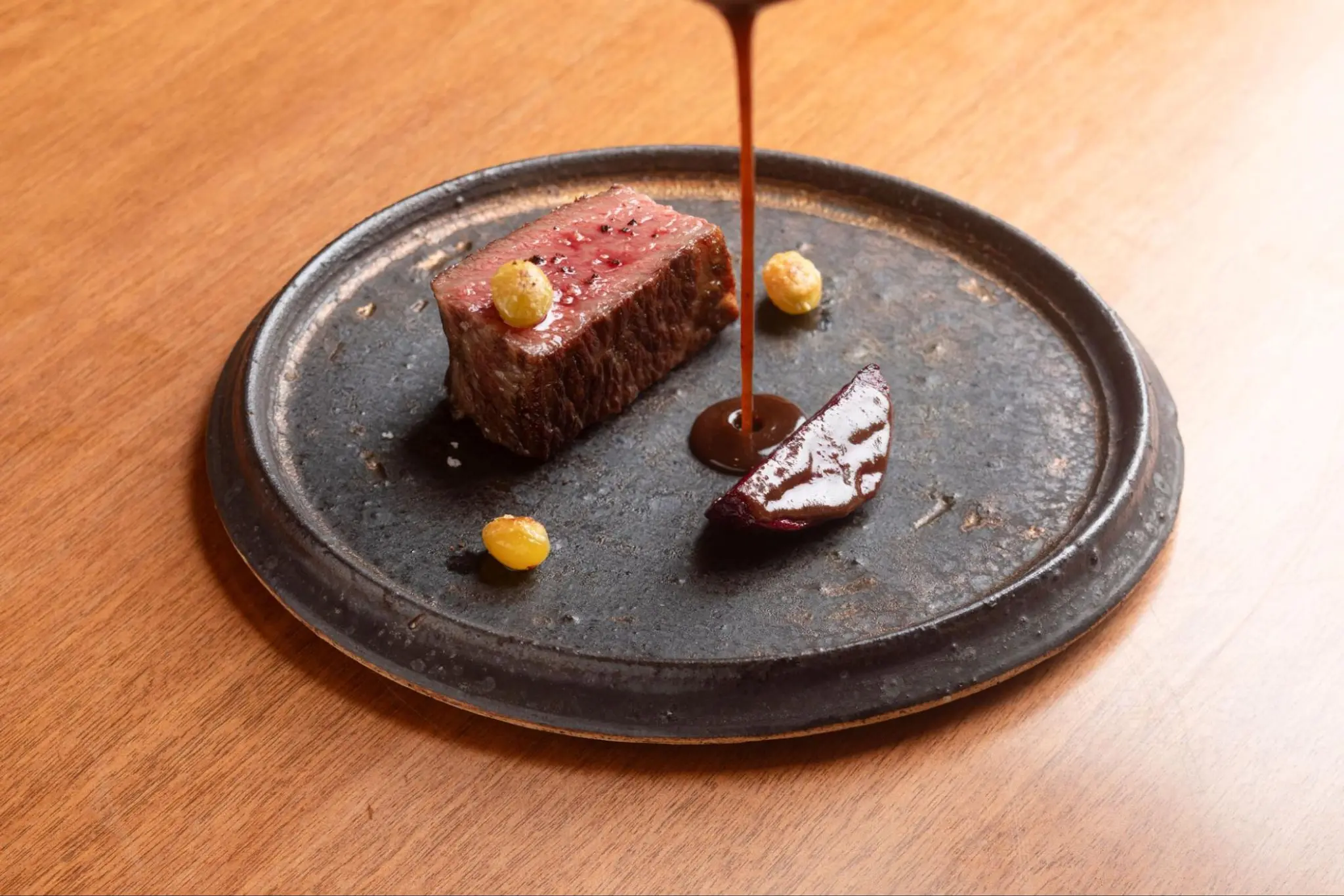
Mastering Classic French Cuisine and Connecting Tokyo’s Bountiful Food to the Future: The Challenge of Chef Naoki Matsuo at 【L’Arbre】
Tokyo is a Treasure Trove of Ingredients
ーーーBefore opening 【L’Arbre】, you had already been growing vegetables, correct?
I started with a small home garden, but I began cultivating vegetables more seriously about three years before leaving the Imperial Hotel. A local farmer kindly lent me a 30-square-meter plot, and from early on, I had a clear vision of growing and harvesting my own vegetables to make them the main ingredients in my restaurant’s dishes.
Now, I cultivate about 60 varieties of seasonal vegetables, herbs, and fruits, including blueberries and raspberries, all grown without pesticides or chemical fertilizers.
ーーーI hear that you are committed to using ingredients from Tokyo, not just vegetables.
Yes, we source brand pork like “TOKYO X” and goat meat locally, and during the season, we can catch ayu (sweetfish) in the Akigawa Valley. Additionally, rare domestic vanilla beans are harvested in the Ogasawara Islands. Many people may not realize this, but Tokyo is truly a treasure trove of ingredients.
However, for game meats like wild boar and venison, we have to source them from neighboring Saitama Prefecture. In western Tokyo, wildlife damage is a significant issue, and while animals are culled, processing facilities are hardly operational, making it difficult for us to obtain the meat. Despite this, I continue to serve game meat in the hope that Tokyo-produced game will gain recognition and eventually become a common part of the distribution network in the near future.
ーーーDo you find it frustrating that Tokyo-produced ingredients are not widely distributed?
Tokyo’s food culture thrives on the convenience of being able to access ingredients from all over Japan and the world. As a result, Tokyo-grown ingredients are rarely used in restaurants within the city. When I became a chef, I realized this reality and felt a lingering sense of disconnection, thinking, “I can’t see Tokyo’s true identity in its cuisine.”
Since I come from a region where agriculture is prominent, it was a natural progression for me to arrive at the concept of “using Tokyo’s ingredients.” I wouldn’t presume to say that I’m supporting producers through my cooking, but if raising the value of Tokyo’s ingredients helps open up new supply channels, I would be delighted. Moreover, if customers develop an interest in Tokyo’s ingredients and culture, leading them to visit the production areas, I believe it would spark movement beyond just dining. Restaurants and cuisine can serve as a medium to connect people, helping to revitalize entire regions.
Awakening to the Joy of Making Gyoza and Pursuing a Culinary Career
ーーーWere you always passionate about food from a young age?
I was the type of child who enjoyed helping out in the kitchen from elementary school. One of my most vivid memories is making gyoza. The joy of watching my family enjoy the dumplings I had wrapped was truly special. What made it even more exciting was that the more I practiced, the better I became. I found great satisfaction in hearing compliments like “this is delicious,” and I was fascinated by the sense of progress as my cooking skills improved. Then, during my middle school years, I was captivated by the chefs on the TV show Iron Chef. Their presence and charisma left a deep impression on me, and that was the final push that made me decide to pursue a culinary career.
My family was in the electrical equipment business, so I was slightly concerned about how my parents would react. However, they fully supported me, saying, “You should do what you love.” With their encouragement, I entered culinary school immediately after high school. There, I studied the fundamentals of Western, Japanese, and Chinese cuisine, but ultimately, I chose Western cuisine due to the Italian food boom at the time. After graduation, thanks to a recommendation from one of my instructors, I was able to start my career at the Imperial Hotel.
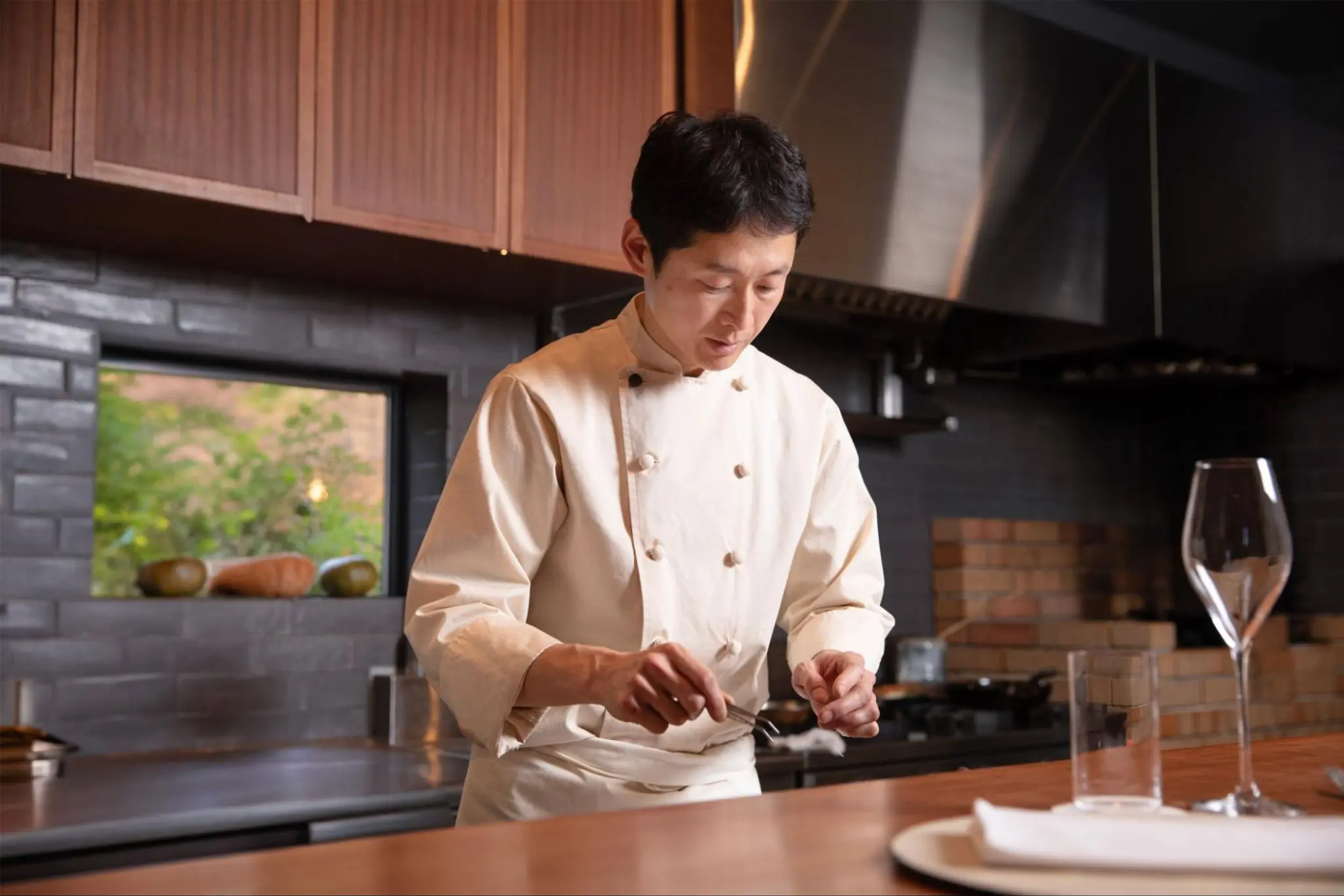
ーーーSo, your journey as a chef had finally begun.
For the first three years after joining the company, about three hours of my daily work consisted of "washing"—specifically, polishing pots and pans in the banquet kitchen, which handled weddings and parties. Looking back, I am still grateful for that period because it ingrained in me one of the fundamental principles of cooking: cleanliness. As chefs, we are entrusted with our customers' well-being, and ensuring hygiene—preparing "clean food"—is a crucial responsibility. Washing is not just a chore; it is an essential step in the cooking process.
Of course, simply following instructions wasn’t enough to grow as a chef. Even in dishwashing, I focused on being precise and efficient so that I could finish quickly and spend the remaining time learning from senior staff. Within the hotel, there were various specialized departments, and I frequently visited the butchery, where I learned the art of meat preparation. By sacrificing break time and making the most of my hours after work, I had endless opportunities to learn. Being in an environment where I could gain knowledge based on how I managed my time was truly a blessing.
ーーーWhat led you to pursue French cuisine?
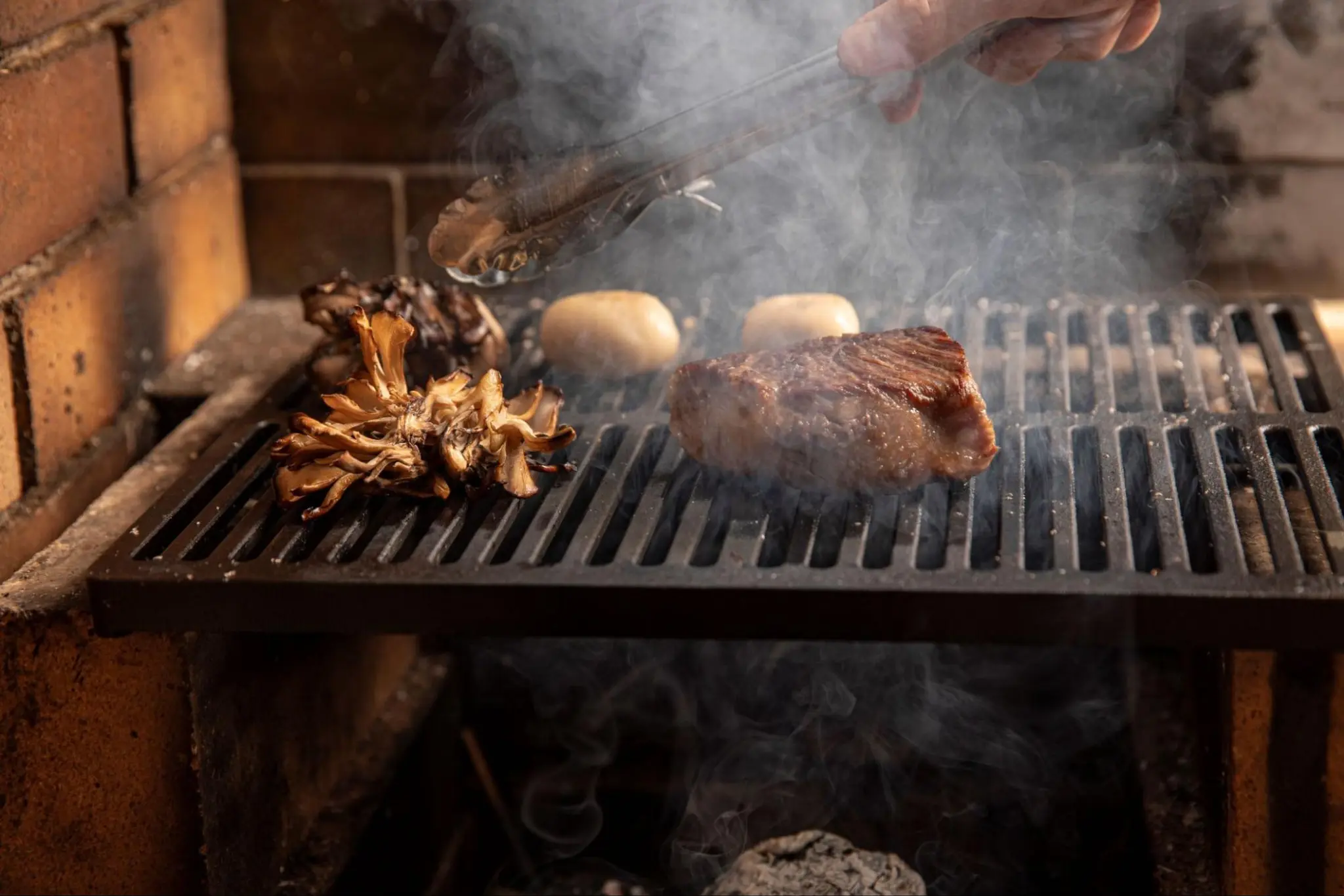
After spending about two years in my initial assignment at a teppanyaki restaurant, the hotel announced that Chef Thierry Voisin would be joining as the head chef of the main dining room. Chef Voisin had previously served as the executive chef at the three-Michelin-starred 【Domaine Les Crayères】 in France, and he was someone I deeply admired. When he came to Japan to introduce himself before officially taking the position, he visited the teppanyaki restaurant where I worked. Seizing the opportunity, I boldly approached him and told him in French, "I want to work with you." That passion resonated with him, and the following year, I was invited to join 【Les Saisons】.
At that time, I was 25 years old, but in that elite kitchen filled with experienced professionals, I was the most junior member. Over the next 17 years until I left the Imperial Hotel, I immersed myself entirely in the world of French cuisine. I trained at the three-Michelin-starred 【Le Cinq】 in Paris and achieved second place overall in a competition hosted by the Académie Culinaire de France.
As a sous-chef, I was responsible for developing new menu items and presenting them to the head chef. Sometimes, the chef would challenge me by saying, "Create something using this ingredient." Through countless trials, tastings, and adjustments, we refined ideas into innovative dishes. The process involved extensive discussions and refinements, ensuring that each dish was both unique and exceptional. Chef Thierry Voisin was truly like a father figure in my French culinary journey.
Continuously Pursuing a Unique French Cuisine That Can Only Be Created in Japan
ーーーDid your experience working at a teppanyaki restaurant influence your decision to include a counter table at 【L’Arbre】?
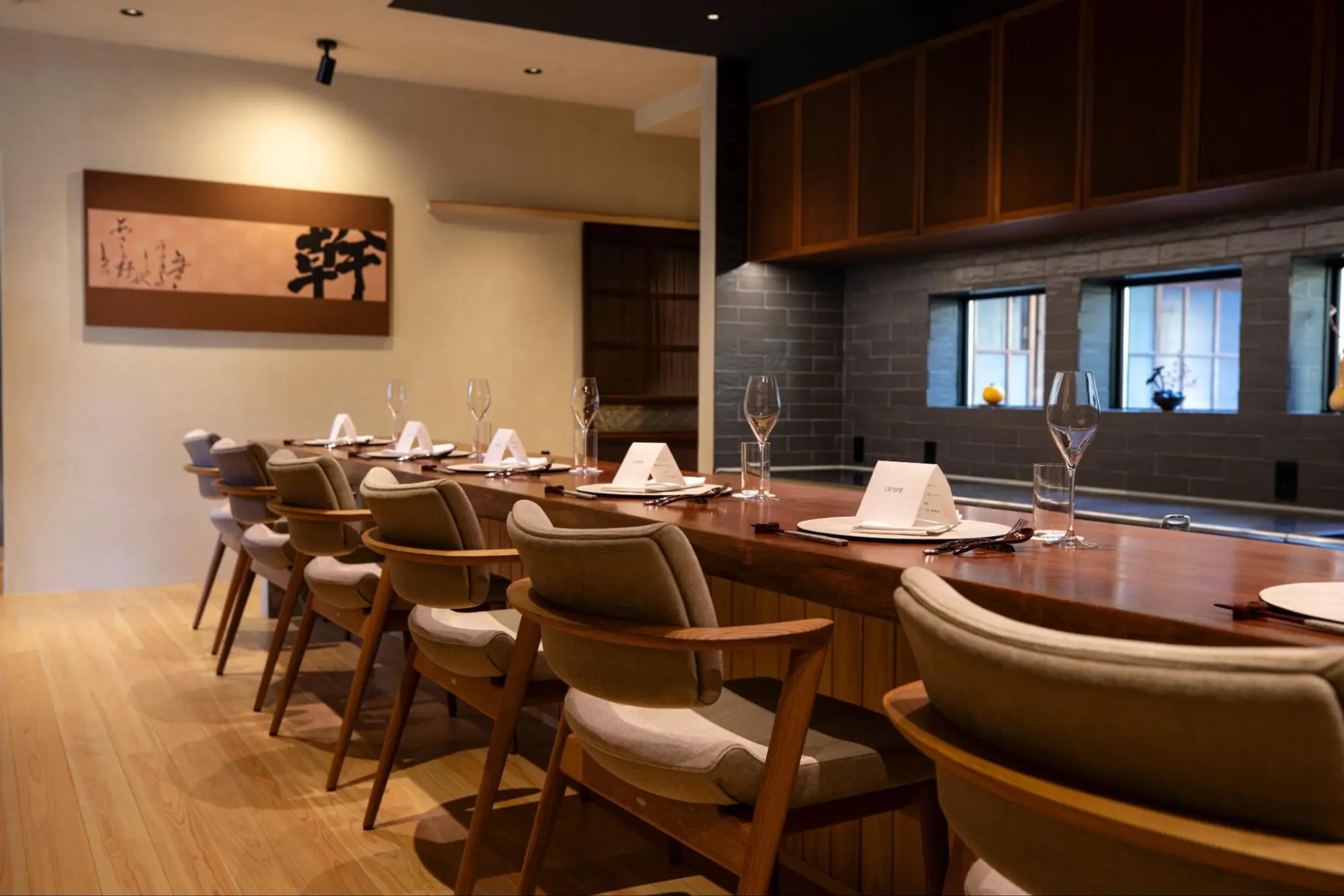
I decided to incorporate it because there is a special kind of excitement in receiving direct reactions from guests—something that cannot be experienced when working deep inside the kitchen. Our cuisine features both highly original ingredients and unique cooking methods, resulting in a menu full of distinctive dishes. At the counter, I, as the chef, can personally introduce each dish to the guests as I serve them. However, I also recognize that overwhelming guests with too much information can take away from their enjoyment of the meal itself. To strike the right balance, I limit my explanations to about 50% and allow guests to fully immerse themselves in the dining experience. If they have any questions, I am more than happy to answer them in full..
ーーーCould you tell us more about the characteristics of your cuisine?
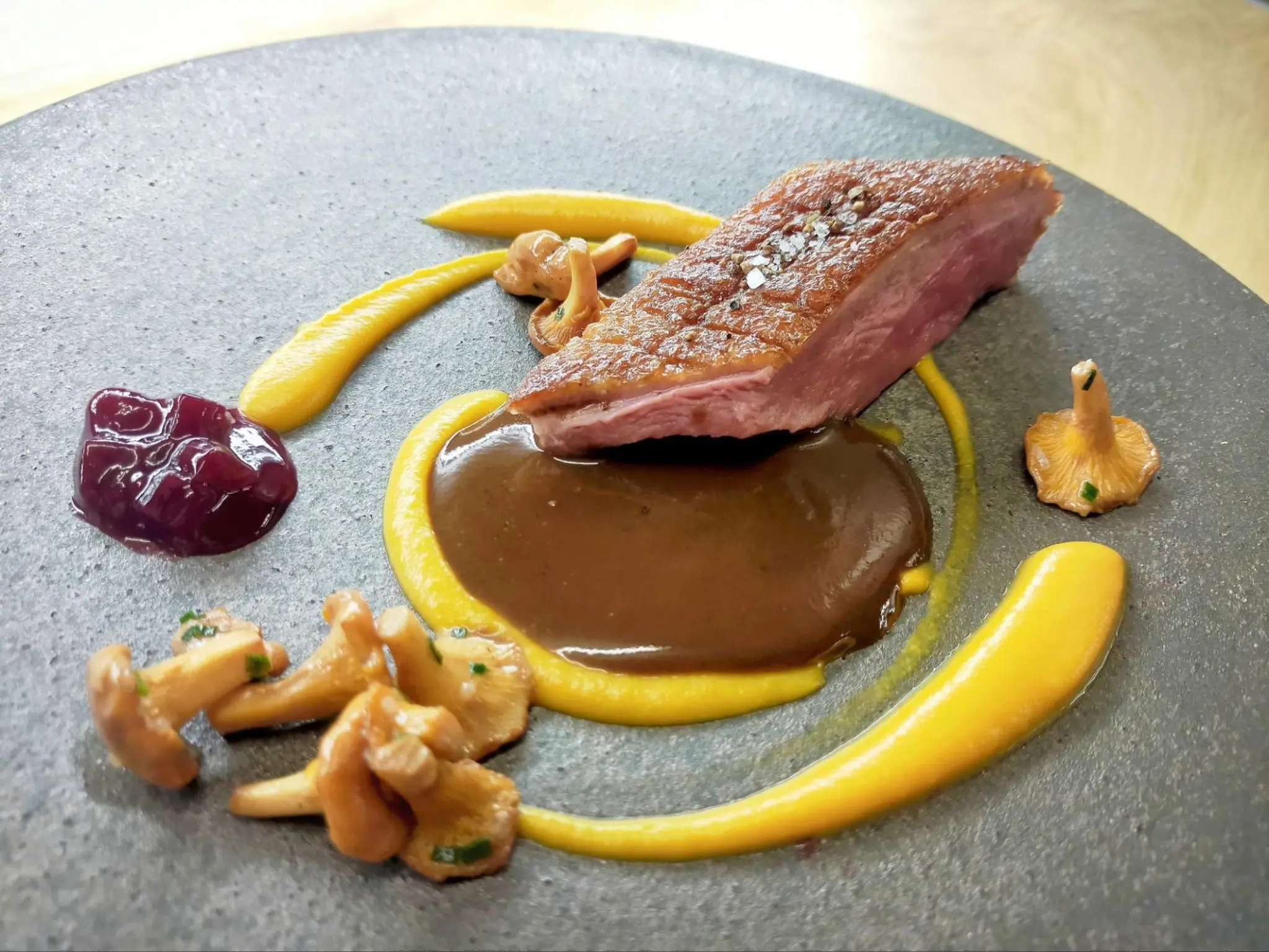
The foundation of my cooking is the classical French cuisine I learned from Chef Voisin during my time at the Imperial Hotel. However, in terms of presentation and ingredient combinations, my dishes have evolved into something entirely different. When working with local ingredients, my starting point is always, "How has this ingredient been traditionally enjoyed in Japan?" Instead of simply substituting Japanese leeks for French poireaux, I ask myself, "What is the best way to bring out the deliciousness of Japanese leeks?" and then develop the dish into French cuisine from there.
Rather than just using ingredients in their fresh state, I explore traditional Japanese methods such as curing with salt, fermenting, or drying. These techniques, which are not commonly found in French cuisine, allow for a variety of flavors and aromas to emerge from a single ingredient. By skillfully layering and combining these elements, I create unique French dishes that are deeply rooted in Japan’s culinary heritage.
ーーーI noticed that you have “Noshikomi Udon”, a traditional dish from Okutama, on your menu.
I’ve been researching Tokyo’s regional dishes through literature and resources such as the Ministry of Agriculture, Forestry, and Fisheries’ website, with the intention of continuously sharing this knowledge. Noshikomi Udon is said to be a dish passed down through families, but I had never actually eaten it myself because no restaurants serve it as part of their menu. The more I research the culture of this region, the more I realize how little even I, as a local, actually knew.
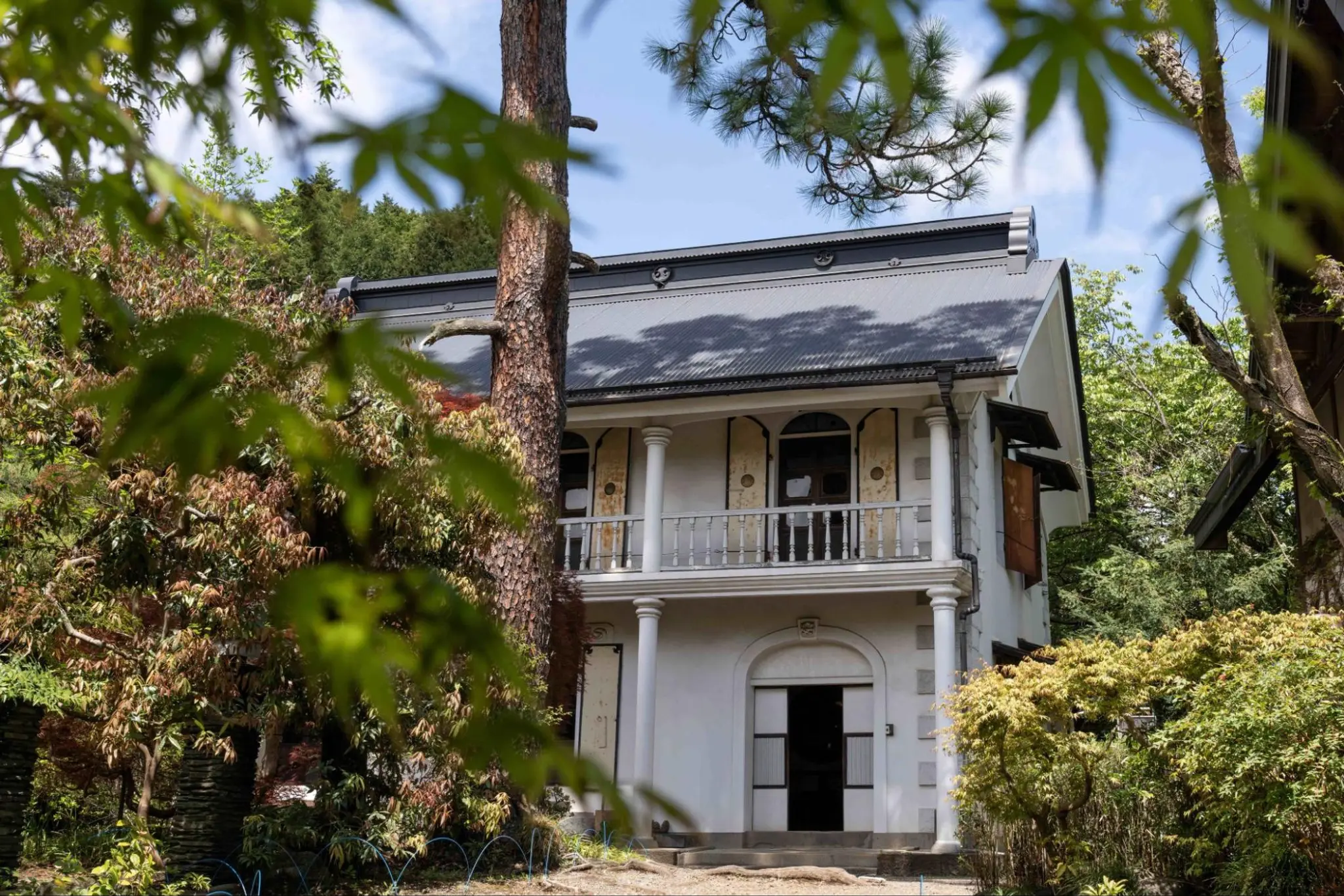
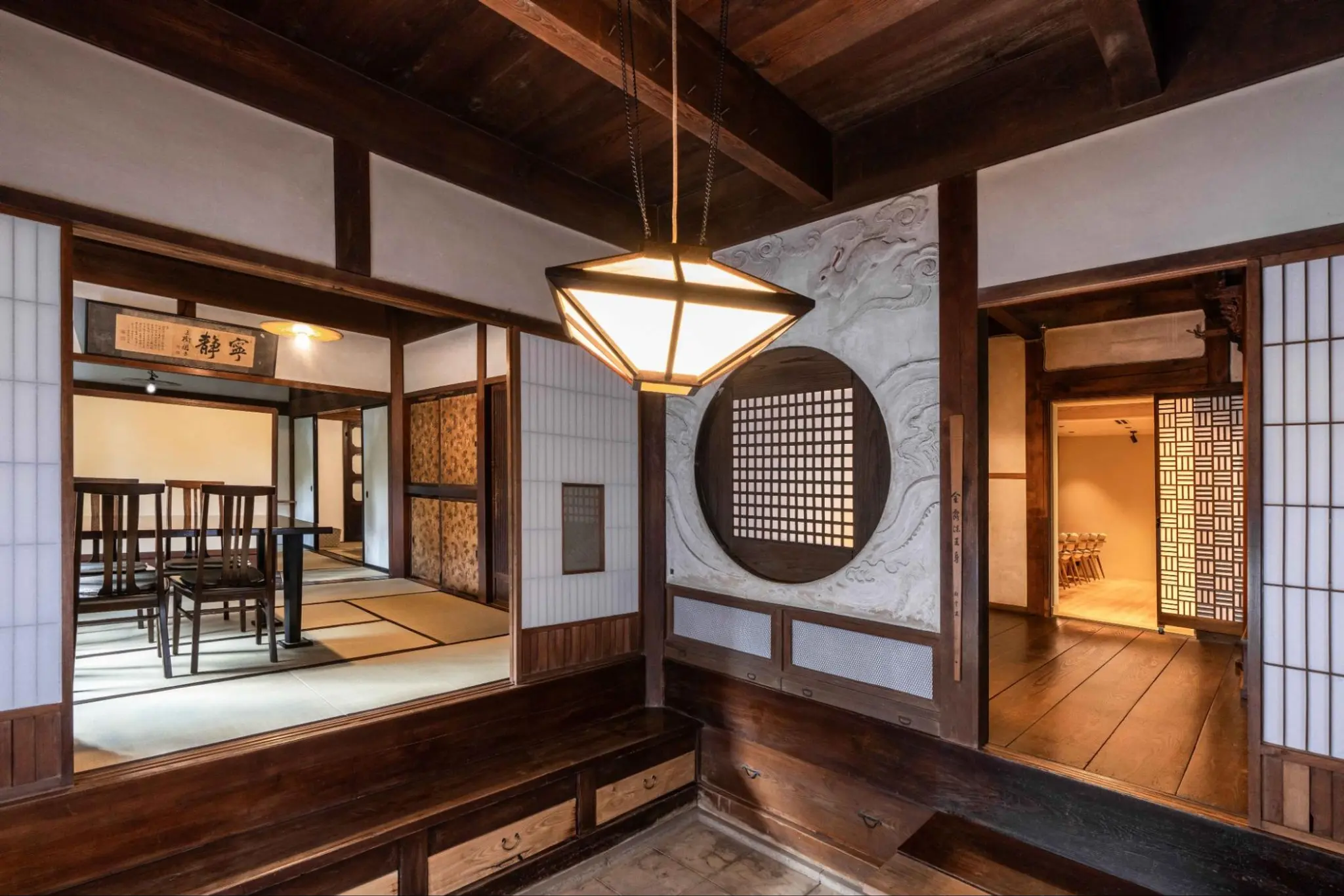
For example, I have incorporated buttons made from silk thread used in the Kuro-Hachijo textile into our uniforms, and I use Gundo-shi, a handmade Japanese paper unique to Akiruno City, as part of the restaurant's interior design. However, many local guests see these materials for the first time when they visit. I want this restaurant to be a hub for Tokyo, and that sentiment is reflected in its name. 【L’Arbre】 means "tree," "lineage," or "axis" in French. My connection to trees runs deep—my name contains the character for "trunk", and the Kozukue family, who built the Kozukue Residence, made their fortune in forestry. Most importantly, I believe that the local ingredients and traditional crafts of this area are like trees deeply rooted in this land.
These trees bear the fruit of culture, drawing people together to partake in its bounty. I hope that our guests will take home the richness of this land’s culture and, in doing so, help spread the charm of this region to other places.
"Deliciousness" in Memories
ーーーWhat is most important to you when conveying "deliciousness" to your guests?
The most important thing is that the guests feel happiness. That comes from engaging their five senses—taste, smell, sight, hearing, and touch—with something familiar. I believe that "deliciousness" exists within the experiences our guests have already had—the things they have seen and tasted before. Only when we touch upon those experiences can they truly perceive the flavors we offer as "delicious."
At the same time, if our dishes evoke nostalgia, guests can momentarily travel back in time, reliving joyful memories from the past. This, in turn, enhances the depth of flavor. When the "deliciousness" of a cherished past experience merges with the "deliciousness" of the present, the enjoyment of the dish is amplified many times over.
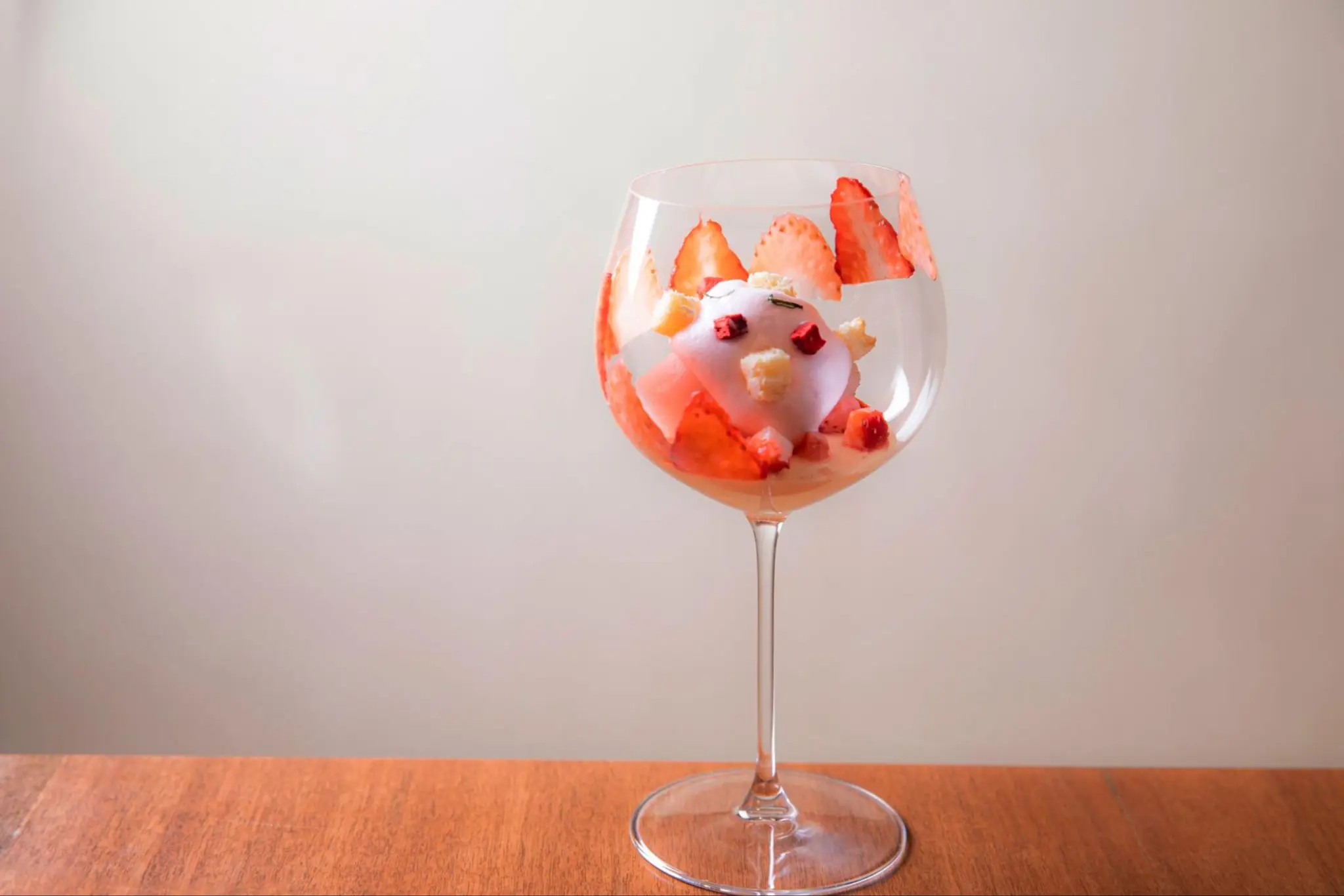
ーーーLastly, what does "delicious" mean to you, Chef Matsuo?
"Delicious" is not something that exists in isolation. It is meant to be shared with family and those around us, allowing it to be passed down through generations and eventually becoming part of a lasting culture. Here in Akiruno, through my cooking, I hope to continue conveying the culture and charm of Japan—specifically Tokyo—to as many people as possible.
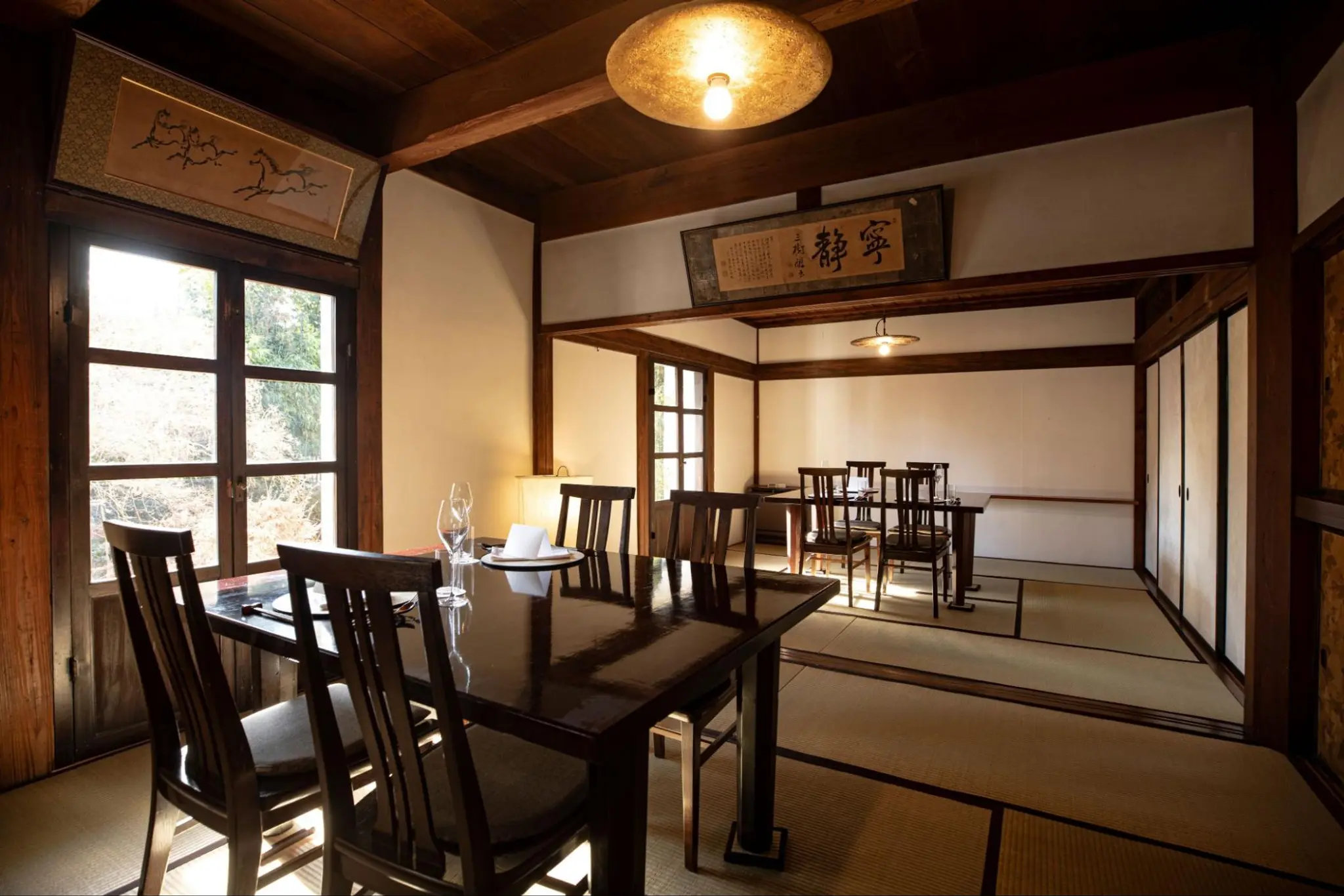
Having experienced the essence of French cuisine at a world-class hotel, Chef Matsuo made the bold decision to pioneer authentic "Tokyo French" and took his first step toward that vision. He laughs about the challenges of drawing people to a location away from the city center, yet the world’s attention is already focused on his new endeavor. We, too, wish to fully indulge in his French cuisine, which evokes a deep sense of nostalgia for the Japanese soul.
Interview & Writing / Reiko Nakajima
Restaurant Introduction
- AutoReserve Magazine
- Mastering Classic French Cuisine and Connecting Tokyo’s Bountiful Food to the Future: The Challenge of Chef Naoki Matsuo at 【L’Arbre】