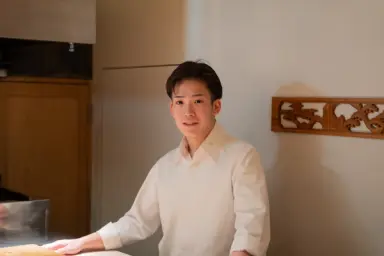
Childhood Experiences with Food and Travel Sparking the Path to Becoming a Chef
ーーーWhat inspired you to pursue a career in culinary?
Initially, I never thought about becoming a chef. Until I graduated from university, I had never even held a kitchen knife, and the first time I washed rice to cook was when I was 22. Both of my parents worked, so we often ate out when I was a child. They loved food and would make spontaneous trips for culinary adventures—like driving from our home in Fukuoka to Yamaguchi just to enjoy delicious Ayu (sweetfish). I grew up in an environment that celebrated food, which was a real blessing. While I enjoyed eating, I originally wanted to become an editor for a food magazine after graduating. However, I failed every application to publishing companies during the tough job market at the time. I briefly considered taking a gap year to try again but eventually decided, “I love eating, so why not try making food?” That’s when I enrolled in culinary school after graduation.
ーーーDid you feel any pressure or disadvantage due to your age at that time?
I started working in the kitchen at 23 after earning my culinary license. I had already set my mind on opening my own restaurant someday, and I made sure not to waver from that goal. Considering my age, I felt that the 20s were the prime time to delve deeply into a specialization. By my 30s, I knew I’d need to take on responsibility in leadership roles and deliver results. That’s why I chose training environments where I could gain a wide range of practical knowledge, skills, and experience.
After training for three and a half years at 【Bistro d’Arbre】 in Ebisu, I went to France. Over the course of three years, I honed my craft at prestigious places like the three-star restaurant 【Le Doyen】 in Paris, bistro 【L’Ami Jean】, and bakery 【Maison Kayser】. After returning to Japan, I gained additional experience in pastry making and as a chef at “Le Jeu de l'Assiette” in Daikanyama. In 2015, I achieved my dream of opening my own restaurant.
Cooking is not about Conformity but a Reflection of Living in the Present
ーーーWhat left a strong impression during your training?
In the beginning, my body just wouldn’t move the way I imagined, and I got scolded by my senior colleagues a lot. It was frustrating when nothing went as planned, and there were times I sulked. But I didn’t have the courage to quit, and since I didn’t dislike cooking, I managed to stick with it. I realized how painful it is to feel stuck and not make progress. When I decided to face things head-on and move forward with determination, the way I viewed everything began to change.
When I moved to France, I was eager to study authentic French cuisine in Michelin-starred restaurants. However, I was surprised to discover how much freedom there was in cooking. Some places delved deeply into classical ingredients and methods, while even three-star restaurants reinterpreted traditional techniques with a contemporary twist, creating dishes unrestricted by convention. It wasn’t about what was old or new—it was about expressing the individuality of the chef and the restaurant, a reflection of “living in the present.”
Every customer who feels drawn to the unique character of a restaurant comes for that distinct experience. Seeing chefs uncompromisingly satisfy their guests through their craft left a profound impression on me.
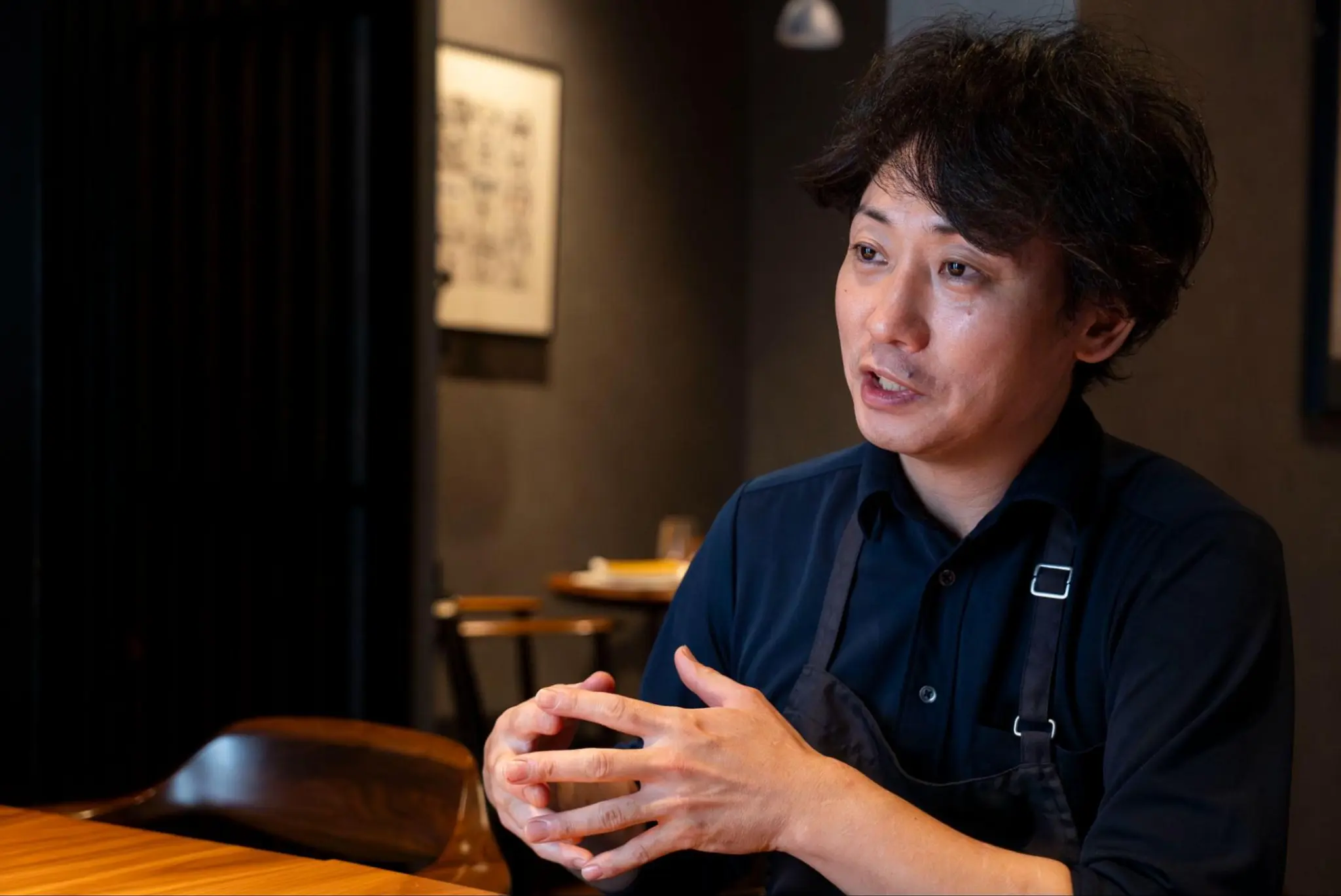
ーーーHave these experiences influenced your own cooking?
Absolutely. They solidified my aspiration to create a gastronomy that draws guests to my restaurant through my cooking. That said, I didn’t want to simply “import” what I had learned abroad into Japan.
What may be considered “cutting-edge” when brought back to Japan will inevitably become outdated as time progresses. I didn’t want my knowledge and techniques to remain stuck in my training days.
After mastering the flavors and techniques of classical French cuisine as a foundation, I focused on how to infuse my own expressions into it. Methods like cooking techniques, ingredient pairings, cuts, and plating are just tools. The ongoing pursuit of crafting dishes I find genuinely delicious and ones that bring joy to my guests is a journey that continues even now, after going independent.
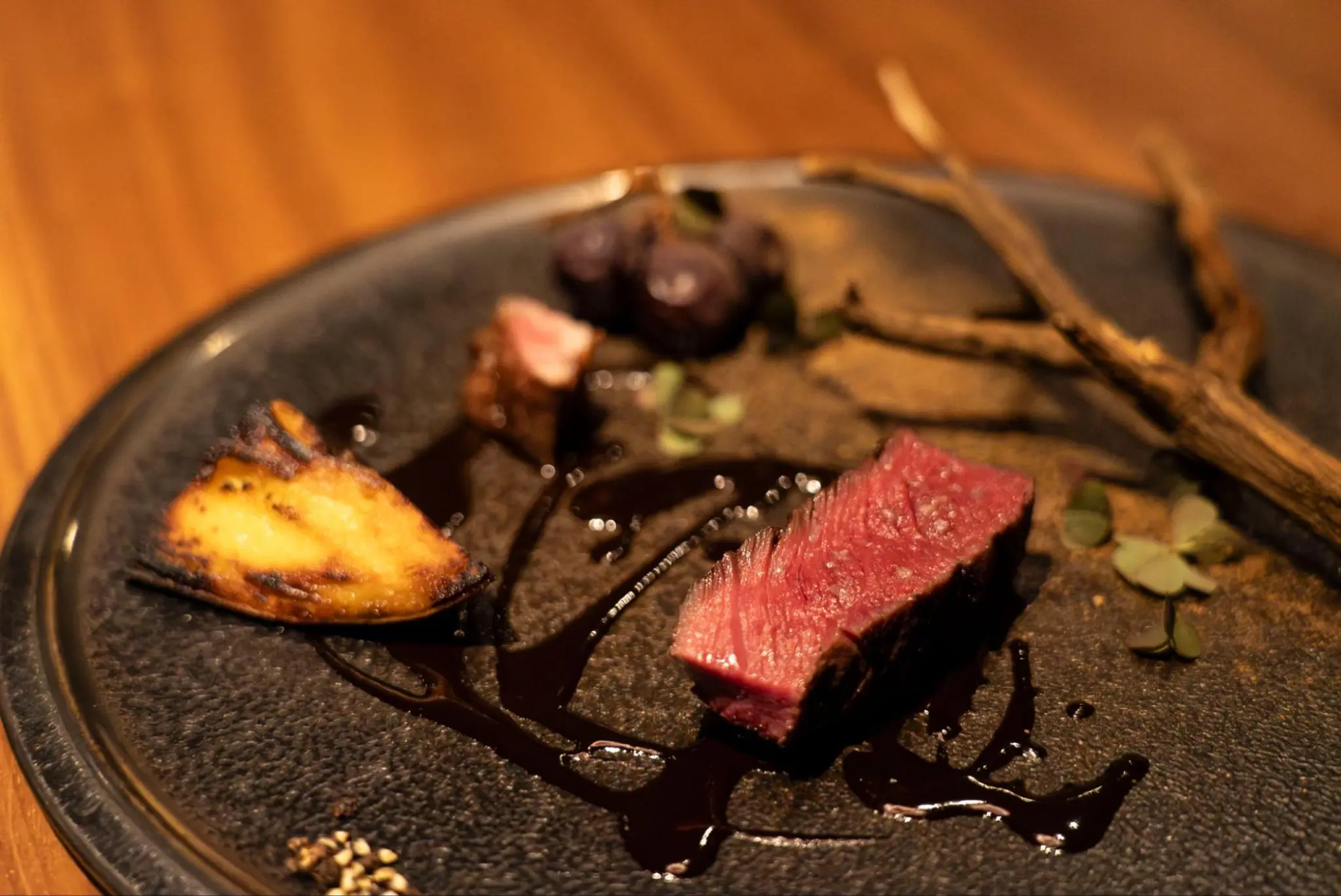
Techniques and Ideas Behind their Creative Cuisine
ーーーWhat are the characteristics and philosophies of your cuisine?
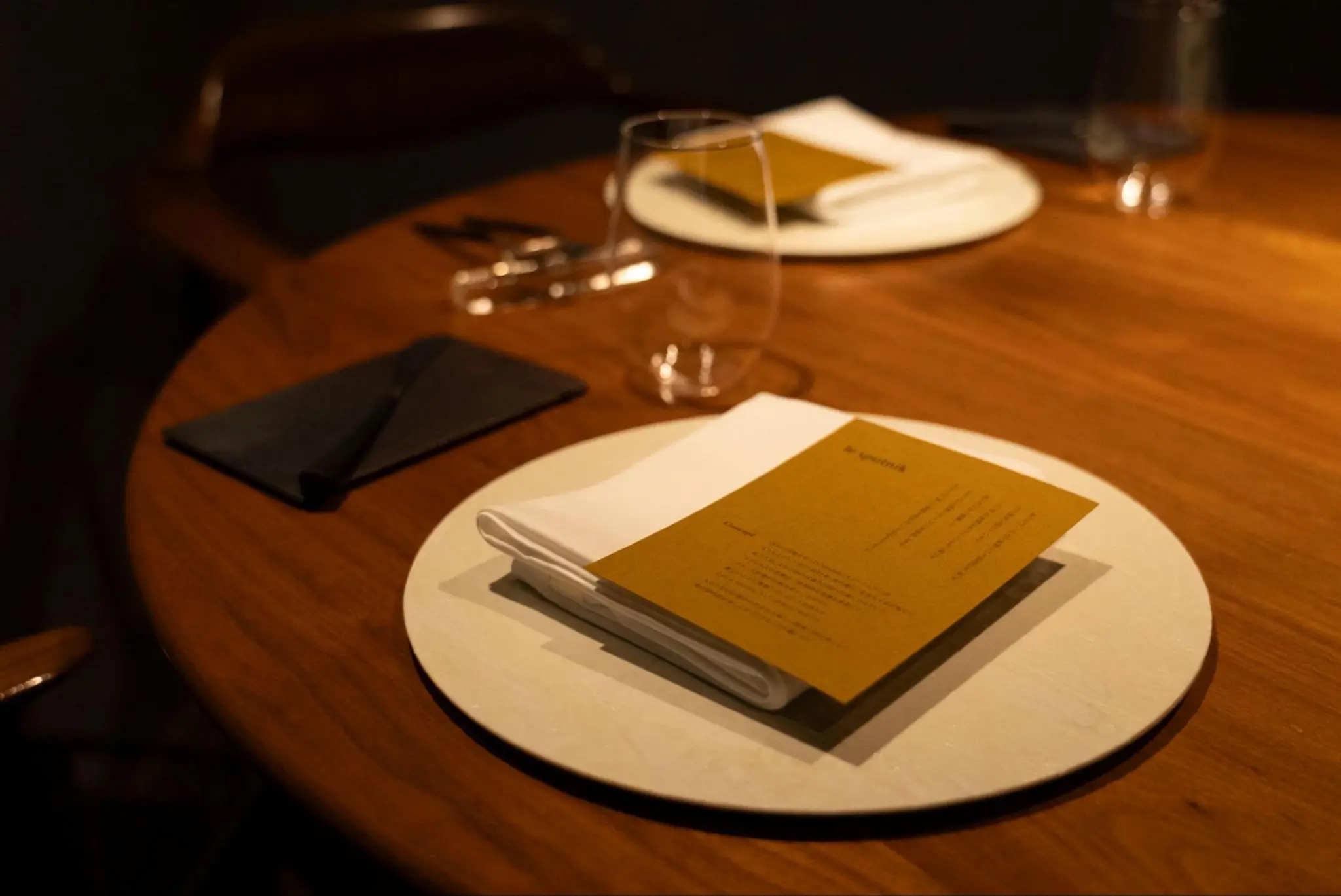
For both lunch and dinner, I offer an omakase-style course. Dinner typically consists of 13 to 14 dishes. While there are classic French dishes, I also incorporate many free-spirited elements, using an abundance of spices and drawing inspiration from Japanese, Chinese, and ethnic cuisines.
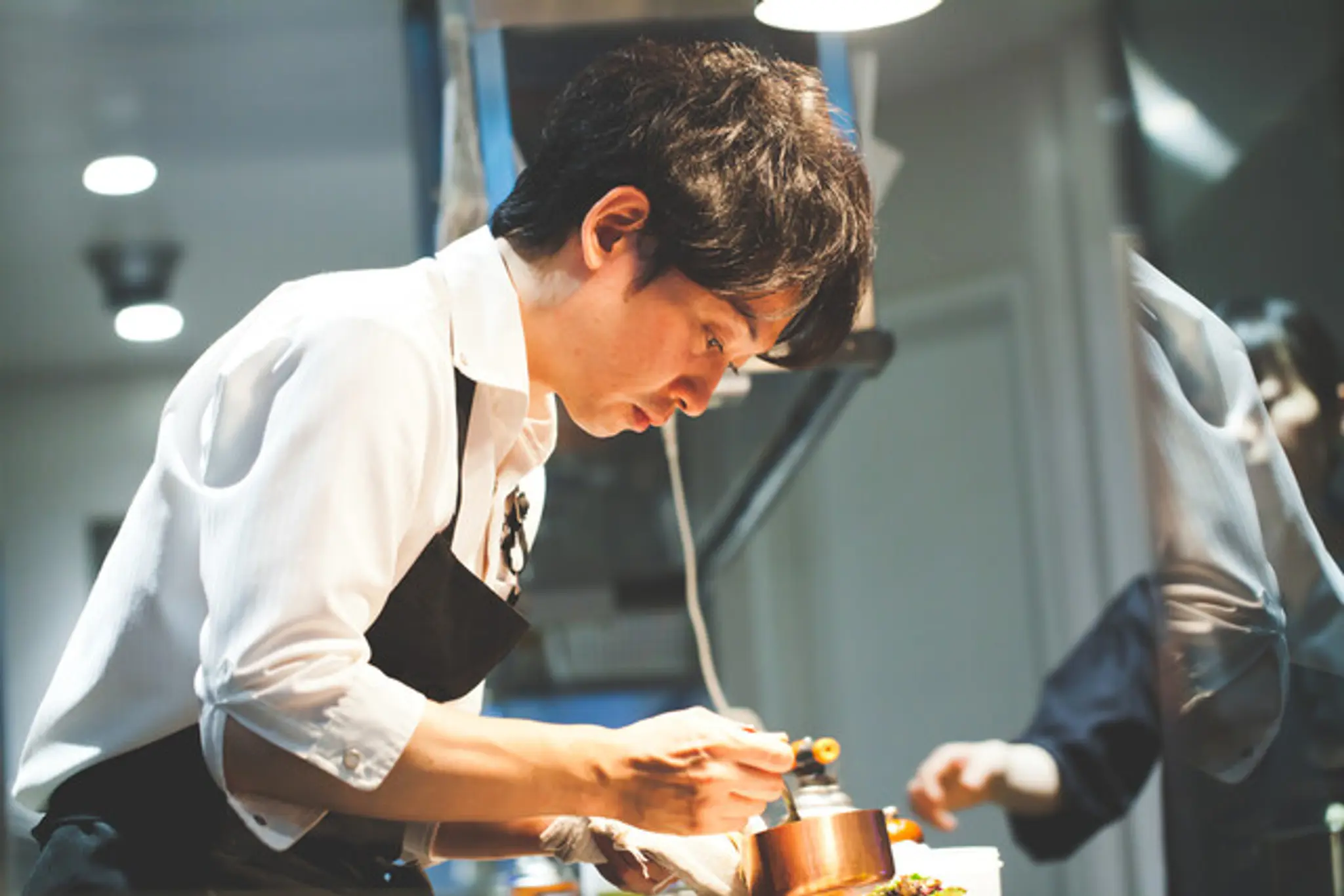
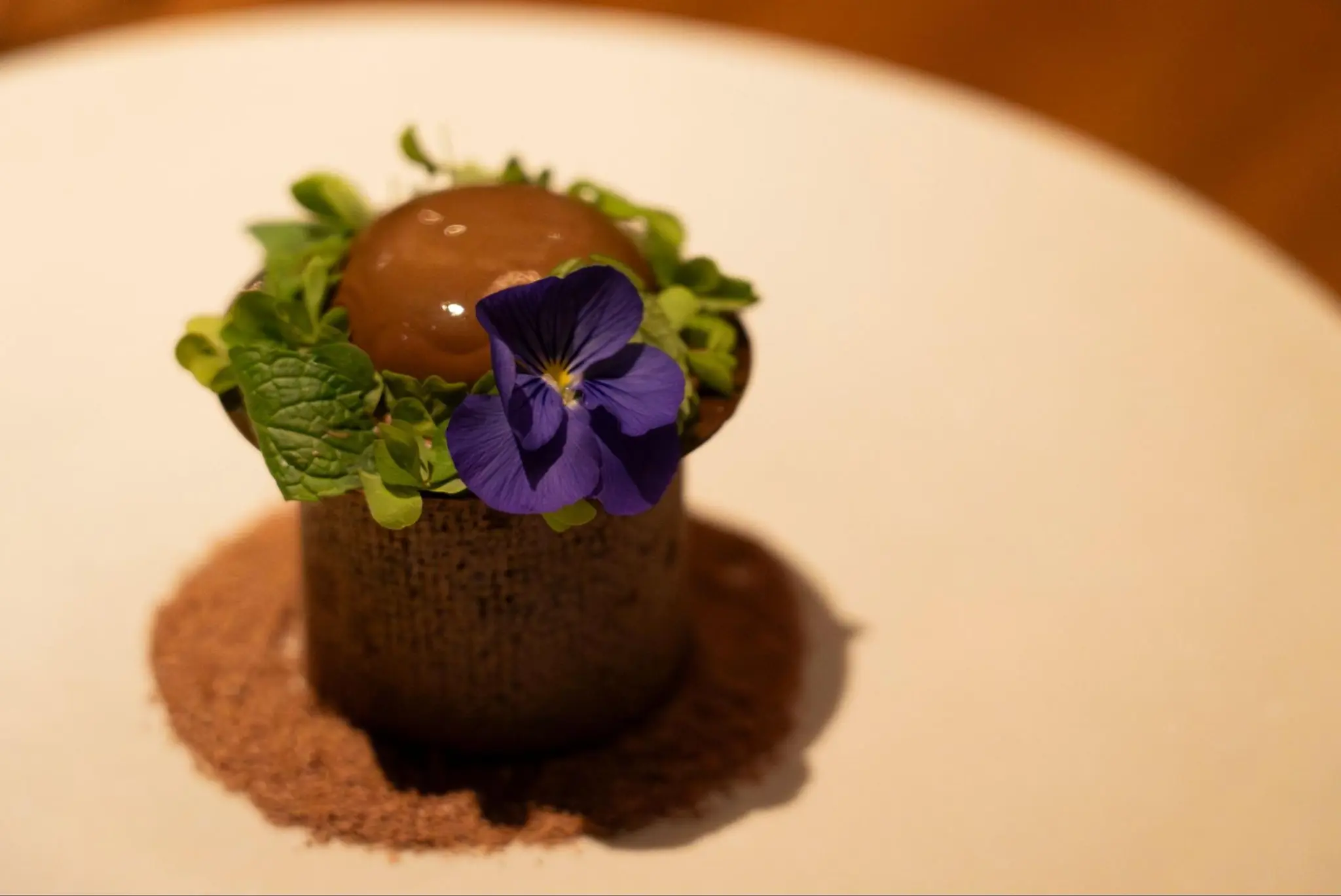
My focus lies in the cooking methods, especially when it comes to the fire and desserts. Different meats such as venison, duck, lamb, and beef have varying levels of moisture and fat, so I adjust the cooking method based on the texture, often using indirect heat, resting, or applying pressure to achieve the best results. Particularly with Ezo venison, it’s a favorite among regular customers due to its tenderness, juiciness, and the smoky flavor that I strive to achieve. I carefully consider the heat conductivity and go through multiple steps to perfect the roasting process. As for desserts, I aim to maintain a balanced visual presentation and a unified flavor profile, creating a cohesive and well-structured experience.
ーーーIt seems like you're always seeking the best solution based on experience and knowledge for your creative approach.
For me, cooking is about having a passion for what I do, and I don't intend to impose my methods on the customer. I love delving into one thing and studying it, so I experiment with various approaches, whether it be cooking methods or ingredient combinations, until I find the best solution. I prefer to prioritize what brings out the best flavor, even if it's not the most efficient. I want to live as a “craftsman”, paying close attention to the details of my work. My dishes have contemporary elements, so they may seem flexible at first glance, but in the finer aspects of cooking, I maintain a strong commitment to craftsmanship, which may seem stricter than the presentation suggests.
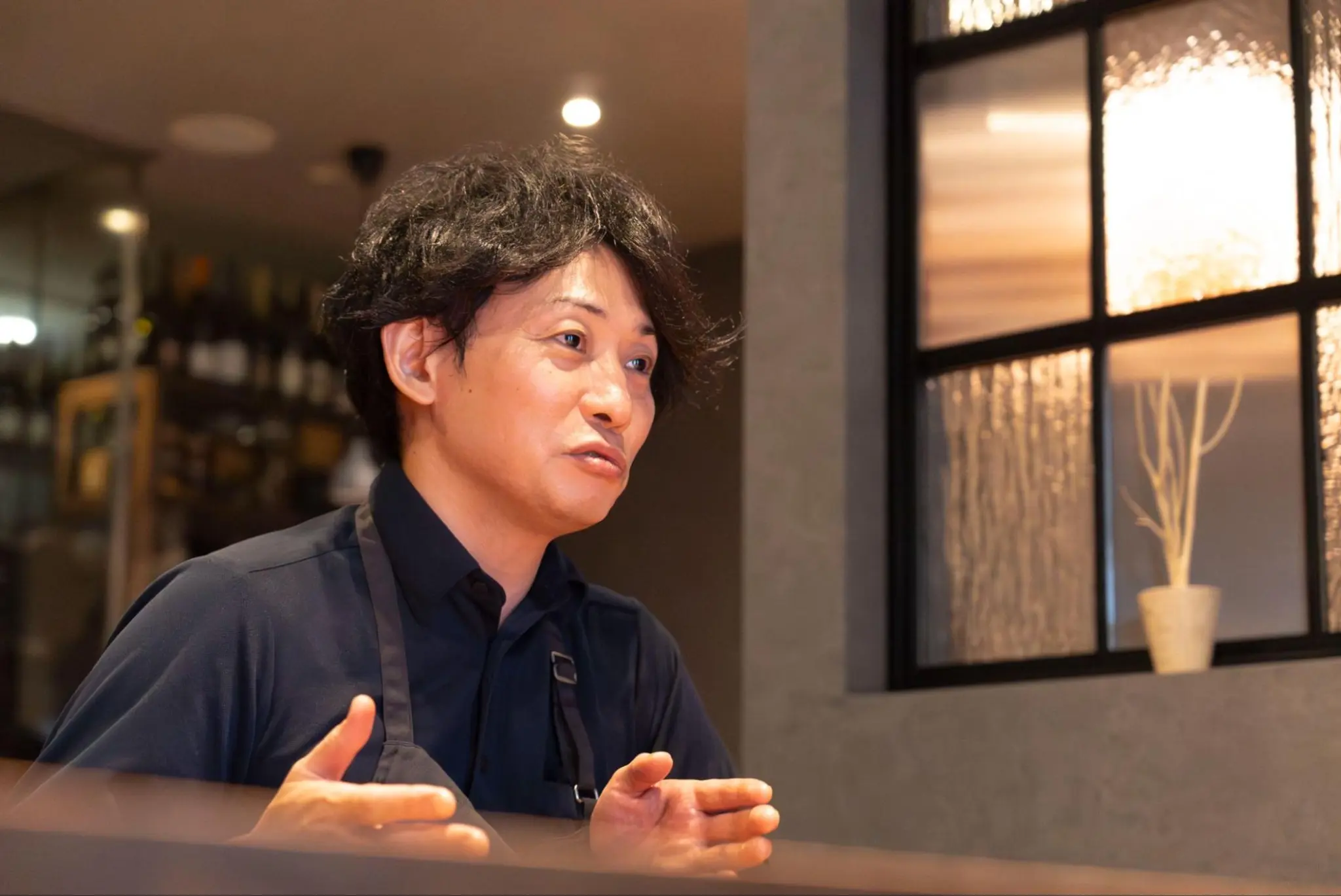
ーーーHow did your Signature dish, 'Rose Beet,' come to be?
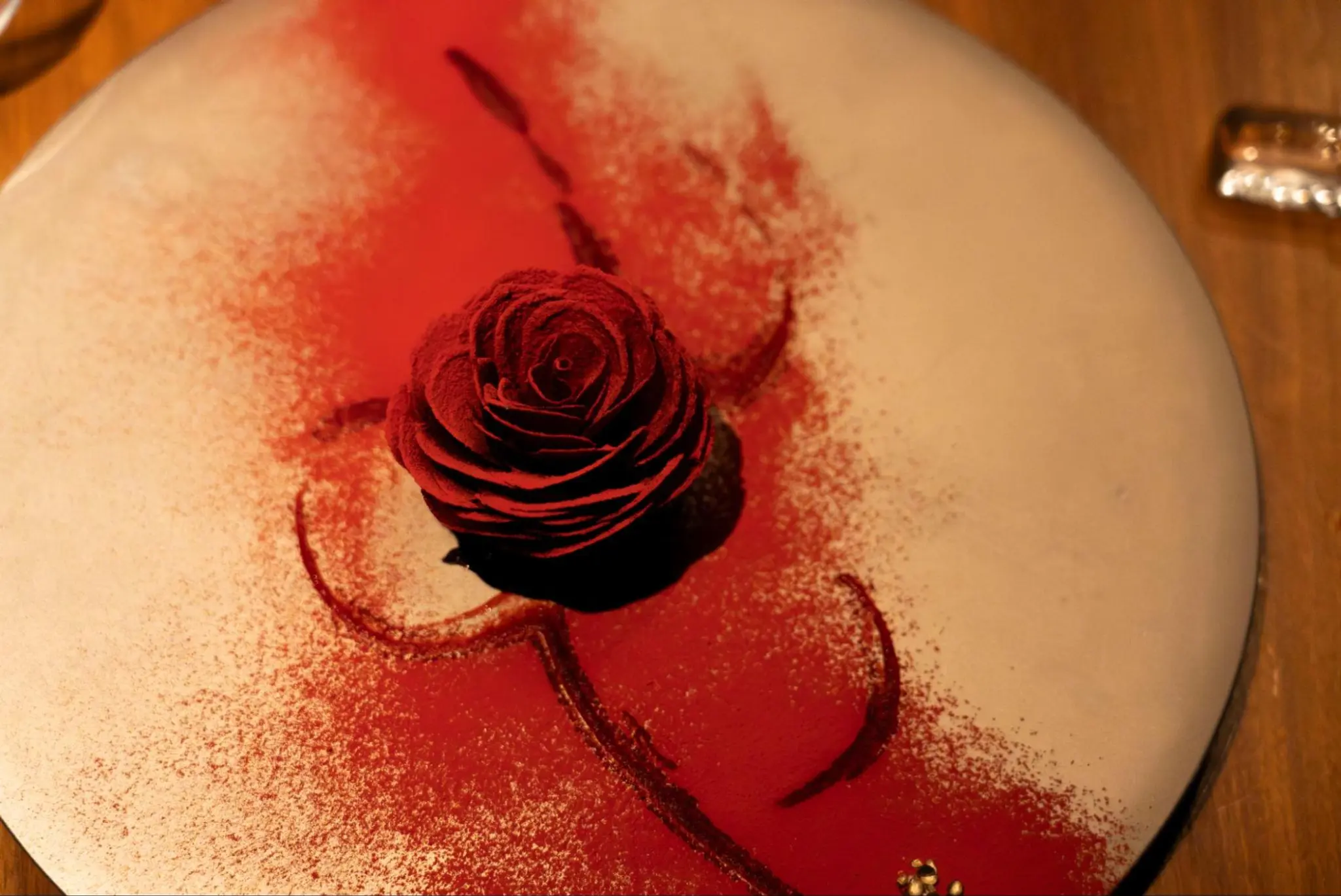
When I opened my own restaurant, I wanted to create a new dish for my regular customers. I thought it would be delicious to combine the sweetness of beets with foie gras using a beet tuile. Initially, I layered them like a mille-feuille, but the surfaces soon became damp and the texture was lost. Then I decided to insert the foie gras into the tuile, which preserved its crisp texture. By standing it upright, the tuile created a shadow, and the deep red gradient of the beet became more vibrant. I shaped each tuile individually, and once it was baked, I had to curve it immediately. It was a labor-intensive process, but by shaping it like a rose and adding dried beet powder and sauce, it became a well-structured dish. When we first opened, this dish became our signature and was featured in magazines and online, helping establish our identity as “the rose restaurant”. It has since become a firm favorite of our customers.
ーーーYour 10th Anniversary is coming up next year. What are the demographics of your customers?
We have a lot of repeat customers. In recent years, we've seen an increase in international visitors, with some days having over half of our customers from abroad. I always keep a record of the dishes each customer has had, so I can reference it when they return. Even if they come every month, I want to maintain their sense of anticipation and surprise, so unless they request it, I avoid repeating dishes. Some customers return to enjoy a dish they particularly liked, so during reservations and throughout the meal, I try to gauge their preferences and needs in order to tailor the course accordingly.
Chef's in Tokyo Compete with Individuality and Skill
ーーーWhat does “delicious” mean to you, Chef Takahashi?
I believe it’s a dish that reflects the creator’s emotions. While fresh, seasonal ingredients naturally have their own “deliciousness”, I think true “deliciousness” emerges when the maker’s intent and feelings—such as the desire to deliver something delicious—are infused into the dish. This elevates the natural flavors of the ingredients. At every restaurant, the chef's desire to deliver something delicious is what forms the foundation of the dish, even in products mass-produced by large food manufacturers.
The value of things changes over time. Customers’ needs and backgrounds have become more diverse, and one’s own values also evolve. The basic style of a restaurant has always been to offer delicious food for customers to enjoy, but what additional value is being sought? The extent and substance of that value is left up to the customer and the chef. If customers agree with what I think is delicious and say things like “I want to eat his food” or “Let's eat at 【le sputnik】, that’s where my idea of “delicious” aims to be.
ーーーWhat do you consider to be the added value of cooking?
Added value can come from the local environment or culture that nurtures the ingredients, but Tokyo is a place where ingredients and people from both Japan and abroad gather, so anything goes, and you can use anything here. From another perspective, because it’s hard to narrow down a concept and the pace of change is rapid, it’s a difficult place to add value. That's why I think Tokyo is a place where chefs compete based on their individuality and skill.
I’m not great at expressing myself with words, so the best way to convey my message is through my food. If I compare a course meal to a journey, customers are entrusting themselves to my cooking from the “beginning” to the “end”. I would be happy if I can offer a time where they feel the anticipation of “what’s coming next?” and experience combinations of ingredients or flavors they’ve never had before.
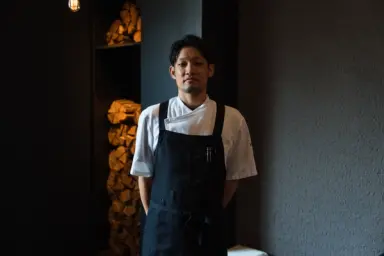
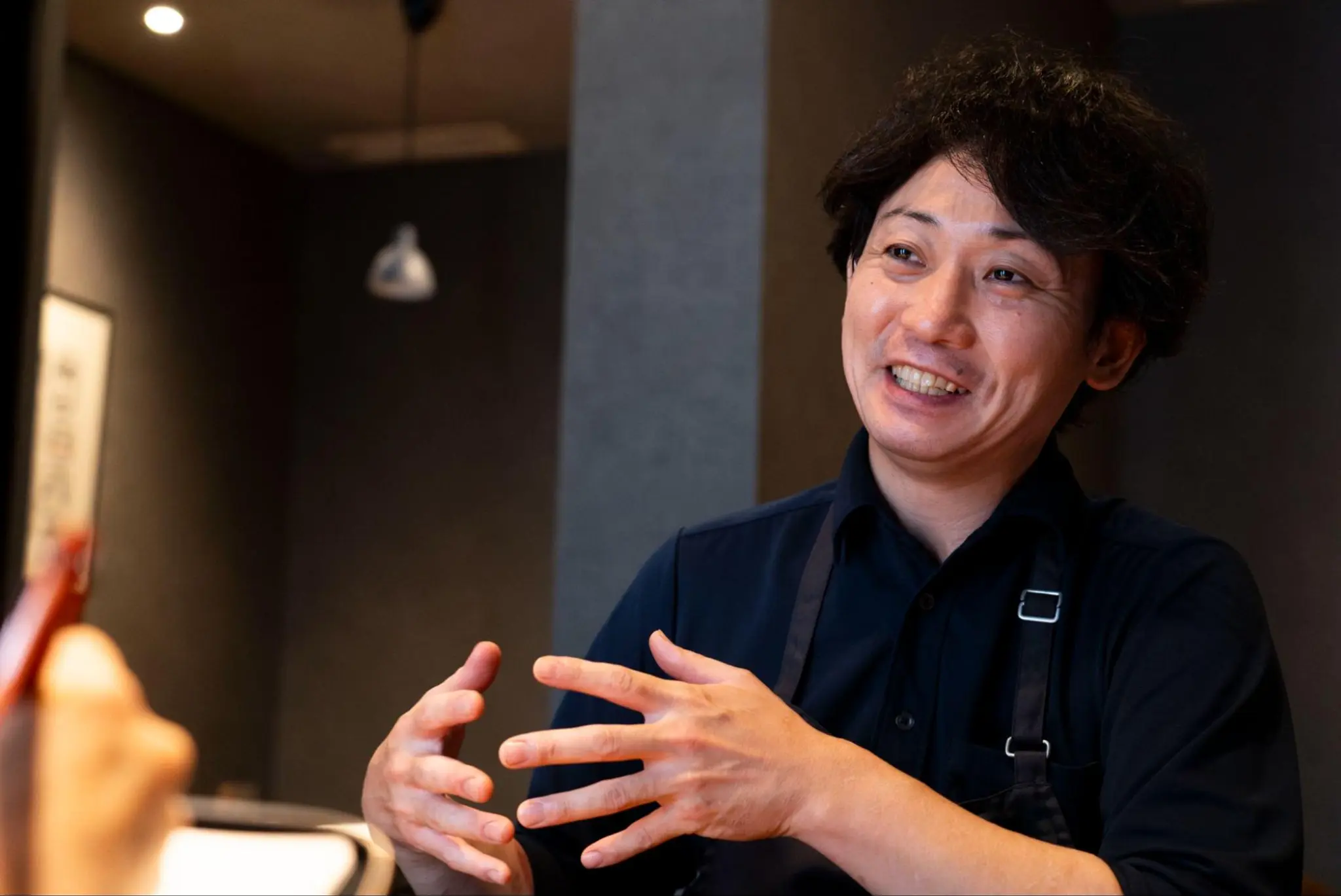
Chef Yujiro Takahashi, who shyly admits, “I'm not great at expressing myself with words”, speaks volumes through his creative and diverse dishes. Each one seems to eloquently communicate with guests, showcasing a deep consideration for ingredient and seasoning combinations, as well as precise cooking techniques. His unyielding curiosity and sincere approach to life, reflected in his craftsmanship, leave a strong impression.
As 【le sputnik】 approaches its 10th anniversary next year, one wonders what kind of culinary journey it will invite guests on next.
Interview and text by Yuri Yanagiya
Photography by Azusa Nakaoka
Restaurant Information
- AutoReserve Magazine
- Restaurants recommended by top chefs
- A Culinary Journey of Creativity and Theory【le sputnik】