

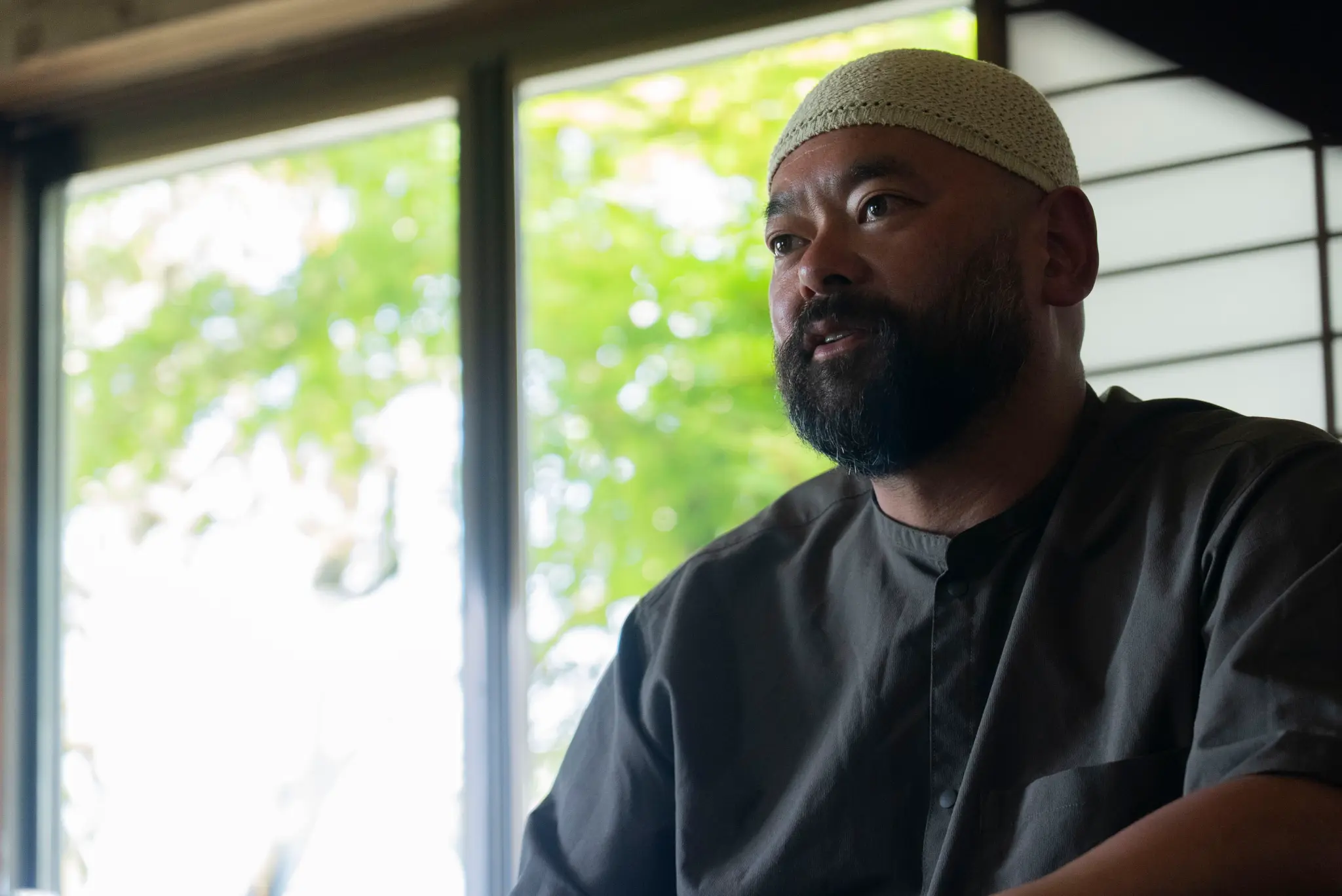
Tasting Life in a Dish: The Challenges and Philosophy of Hunter Chef Kazuhiro Inoue at 【RESTAURANT UOZEN】
Exposed to Ingredients from Nature Since Childhood
ーーーWhat inspired you to become a chef?
I spent my childhood in Kagawa, surrounded by mountains and the sea, where I enjoyed fishing and cooking the catch. My experiences, like eating wild boar and pheasant hot pots with my father, probably influenced my desire to pursue cooking. By high school, I had decided I wanted to be a chef, and although I considered attending culinary school, my parents encouraged me to go to university. It was after university that I started working part-time in an izakaya, which ultimately led me to pursue a career as a chef.
ーーーWhat kind of work did you do when you first entered the workforce?
I worked for about two years at a Chinese restaurant [Closed] in KIHACHI (Ivory Company), South Aoyama. The reason I applied there was that I had been attending a gourmet salon run by KIHACHI. However, at that time, they required graduation from a culinary school for hiring, and despite applying several times, I was turned down (laughs). That rejection made me more determined, and I persisted until they finally hired me (laughs). At the start, more than learning culinary techniques, I focused on learning the professional skills necessary to thrive as a member of society.
After leaving KIHACHI, I had a period where I spent time doing things I enjoyed, not limited to cooking. Later, I was involved in the establishment of locations like Roppongi Hills, Atago-yama Hills, and Omotesando Hills before opening my own restaurant, Restaurant HOKU [Closed] in Ikejiri, Tokyo.
ーーーCan you share your story about when you first went independent?
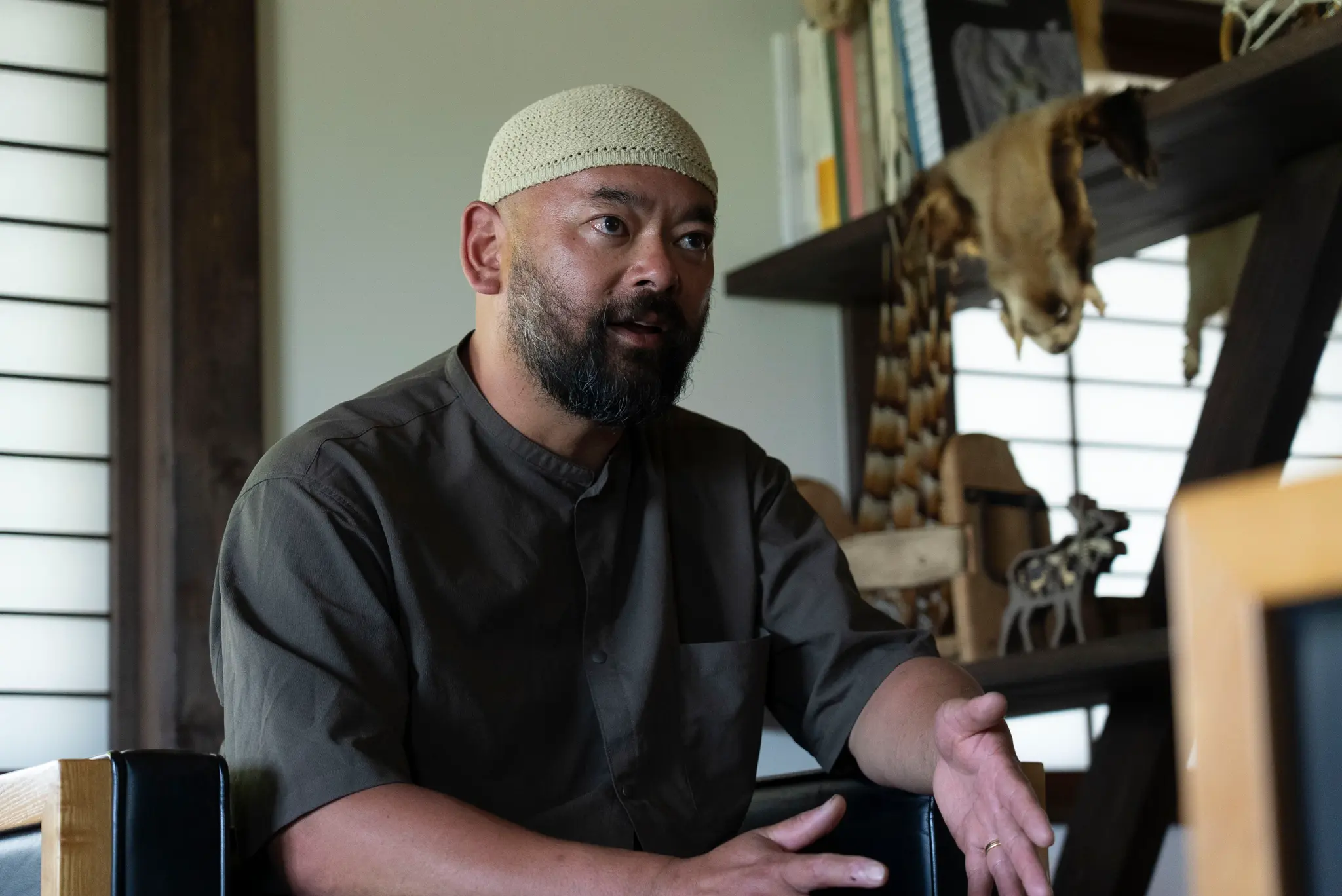
This was 20 years ago, and at that time, issues like food safety and food fraud were commonly discussed. I opened a restaurant with the concept of serving organic food from individual farmers, such as "carrots grown by Mr. ○○," which was a new idea at the time. Looking back, it was almost impulsive, but I thought, "Let's go for it!" (laughs). I think my youth gave me the courage to take that leap.
As time passed, I began feeling that Tokyo’s environment wasn’t right for me. I felt pressure to adapt to the pace of customers and the times, but I wanted to go at my own pace (laughs). After opening the restaurant, I struggled with many aspects of running the business, which made me question, "Why am I working so hard?" I actually closed the restaurant for three months to reflect on things. I’m not someone prone to mental ups and downs, but I thought it was important to step away and gain perspective, so I spent time riding my Harley without a destination in mind. Soon enough, I realized my bank account was rapidly decreasing, so I decided to reopen the restaurant (laughs).
Guided by Timing, The Beginning of UOZEN as an Opportunity
ーーーWhat led you to choose Niigata as the place to open your restaurant?
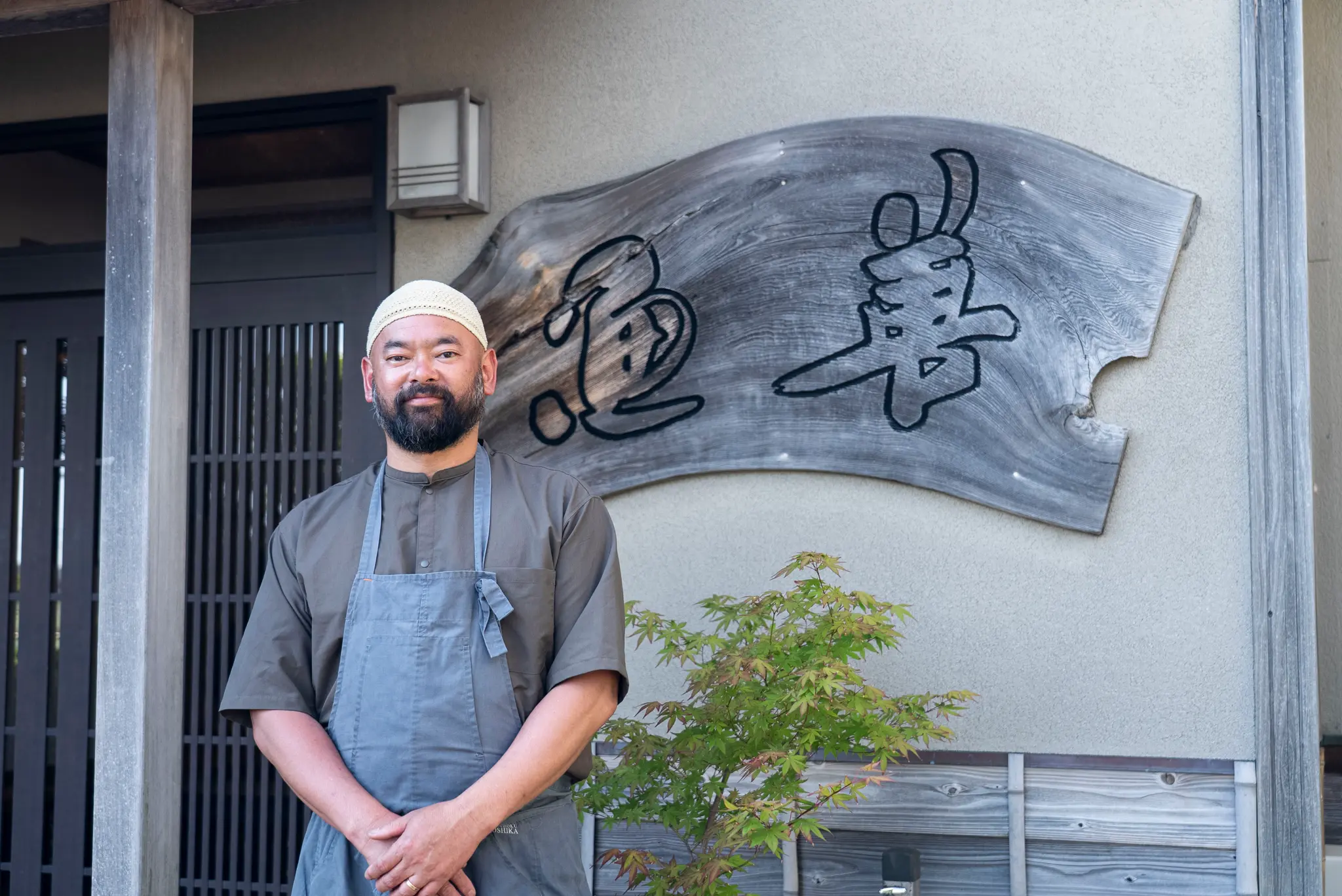
There were several locations I considered, including Kagawa, but in the end, I arrived at Niigata, where my wife’s family lives. Her family owned a Japanese restaurant called 【魚善(Uozen)】, which was about to be sold or rented out. At that moment, I decided to start my own venture here. I believe in the importance of intuition and timing—being able to seize opportunities when they arise. I’ve prepared myself for such moments, but some people might not recognize an opportunity if they aren’t ready. That’s why I try to stay mindful of timing and gut feelings (laughs).
ーーーHow did your current cooking style evolve?
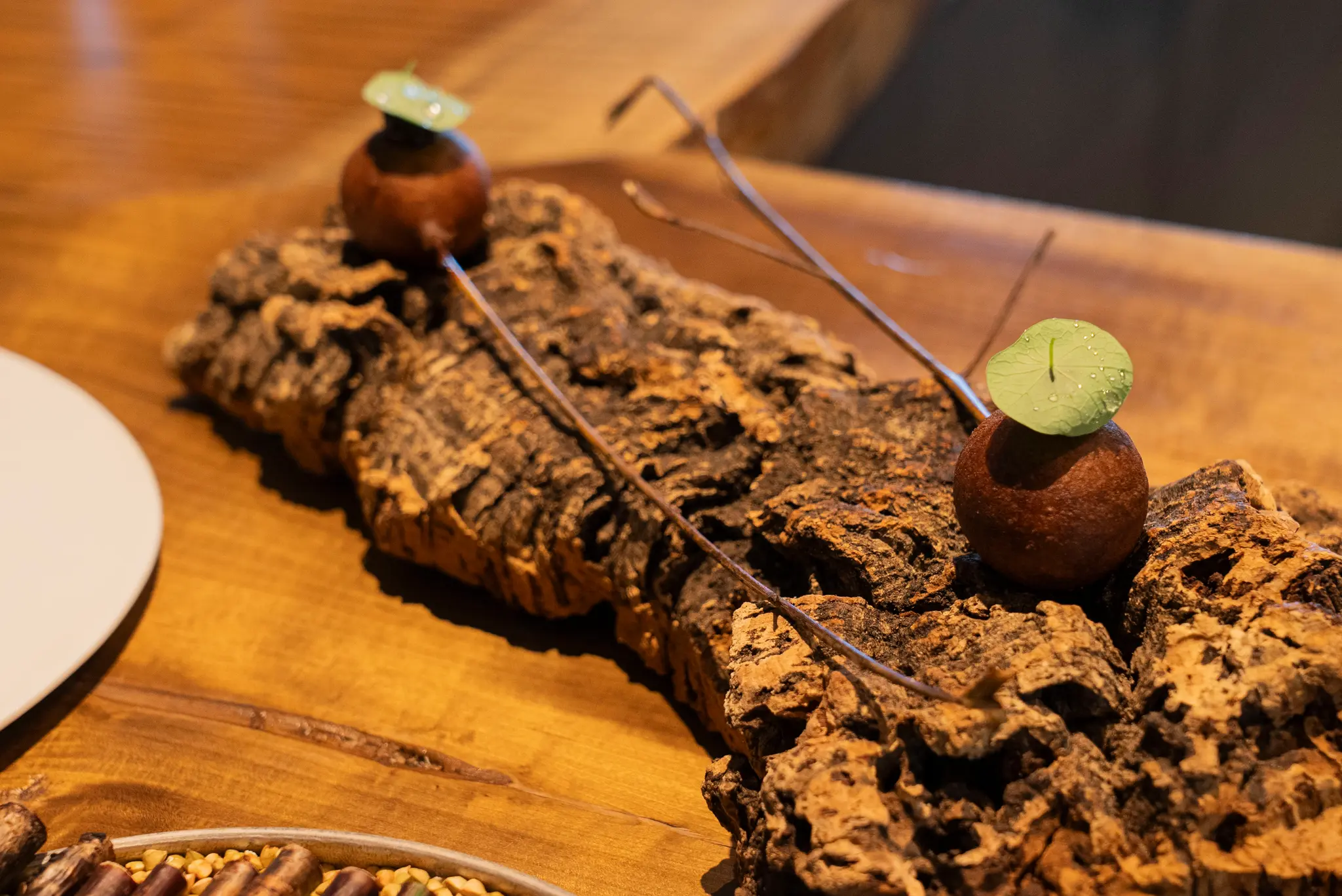
When I first opened the restaurant, I had no particular style. I used ingredients from outside Niigata, like foie gras and French duck, but over time, I started to notice how many edible ingredients were available in nature around me. In winter, for instance, I saw delicious-looking wild ducks in the rice fields and thought, "I can use this." It was a natural evolution—my desire to share the beauty of local ingredients with my guests. It wasn’t initially about promoting local consumption; it was about the joy of discovering what was available around me. As I learned about people who hunted local game like wild ducks, I decided to try hunting for myself.
Understanding the Land and Deepening Knowledge of Ingredients
ーーーWhere do you hunt?
I mostly hunt in the mountains nearby, with the closest being the hill behind my house. While there are many mountains that produce great ingredients, knowing a mountain is key. Just hearing that “great ingredients can be found there” doesn’t guarantee that I will be successful. It’s important to understand the land—the soil, rocks, and plants that grow there—and why certain ingredients thrive in specific places. When I first got my hunting license, I traveled to different areas, but at that time, it was more about "luck" than skill. Now, I prefer to understand the animals’ behavior and terrain before hunting. Hunting requires deep knowledge of the land—it’s not easy if you don’t understand the environment.
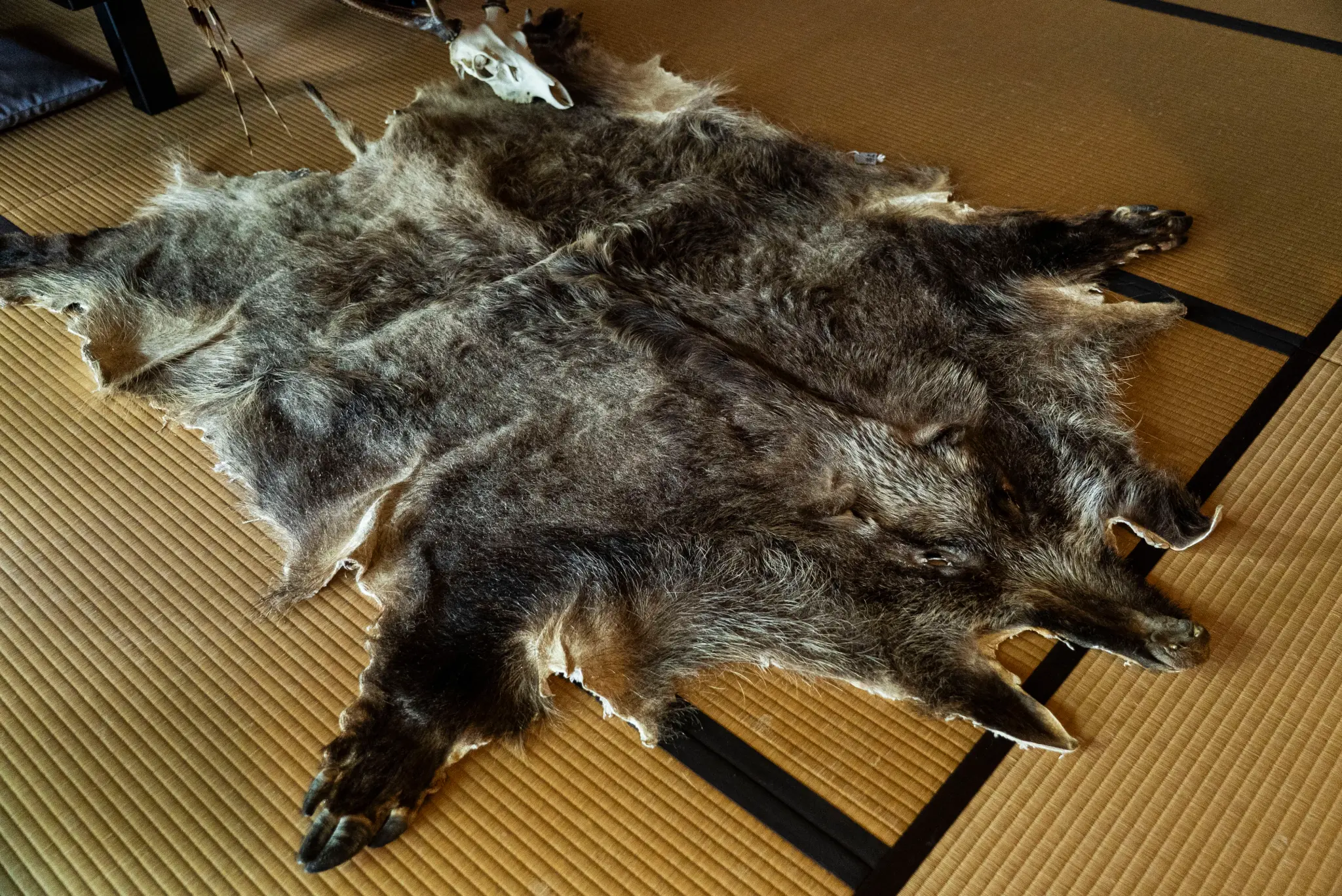
I hunt alone with my hunting dog, but usually, hunting is done in groups. At first, hunting solo doesn’t go well, and you’ll often miss your chance because the animals notice you. The way you walk in the mountains is crucial—there are specific ways to move quietly so that you don’t alert your prey. If you don’t know the mountain well, you’ll struggle. That’s why I only hunt in areas I know well.
ーーーAre there days when you don't catch anything?
About half of my hunting trips result in no catch. It’s not that easy (laughs). Early on, I was happy to catch one or two animals, but this past winter, with heavy snowfall, it was easier, and I caught five wild boars. Since I couldn’t carry them all by myself, I had to call a friend for help (laughs). Sometimes, I don’t get back until 8:30 PM, and it’s completely dark in the mountains at that time. I have to walk with a snowshoe and flashlight to navigate the snowy trails. It’s not something you can do unless you enjoy it. If I just wanted to use the ingredients in my dishes, it would be much easier to have someone else catch them.
ーーーWhat are the unique features of Niigata’s ingredients?
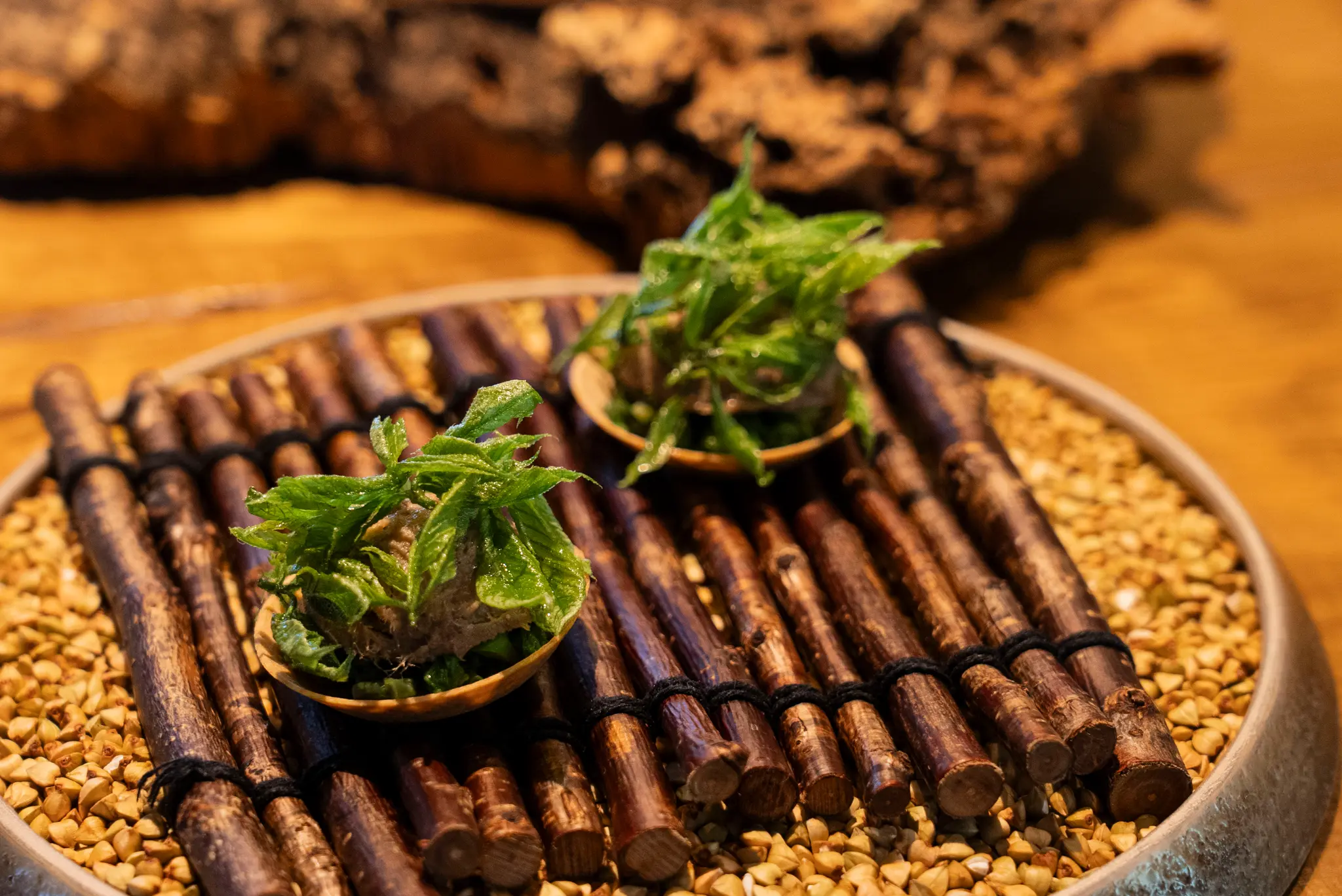
Niigata is long from north to south, so there’s a great variety of ingredients. For example, the wild herbs harvested from different areas of the prefecture vary. In my garden, we’re about to harvest garlic. I plant a year's worth of garlic before the snow falls, letting it overwinter for production. We also grow fava beans.
ーーーDo you harvest all the ingredients yourself?
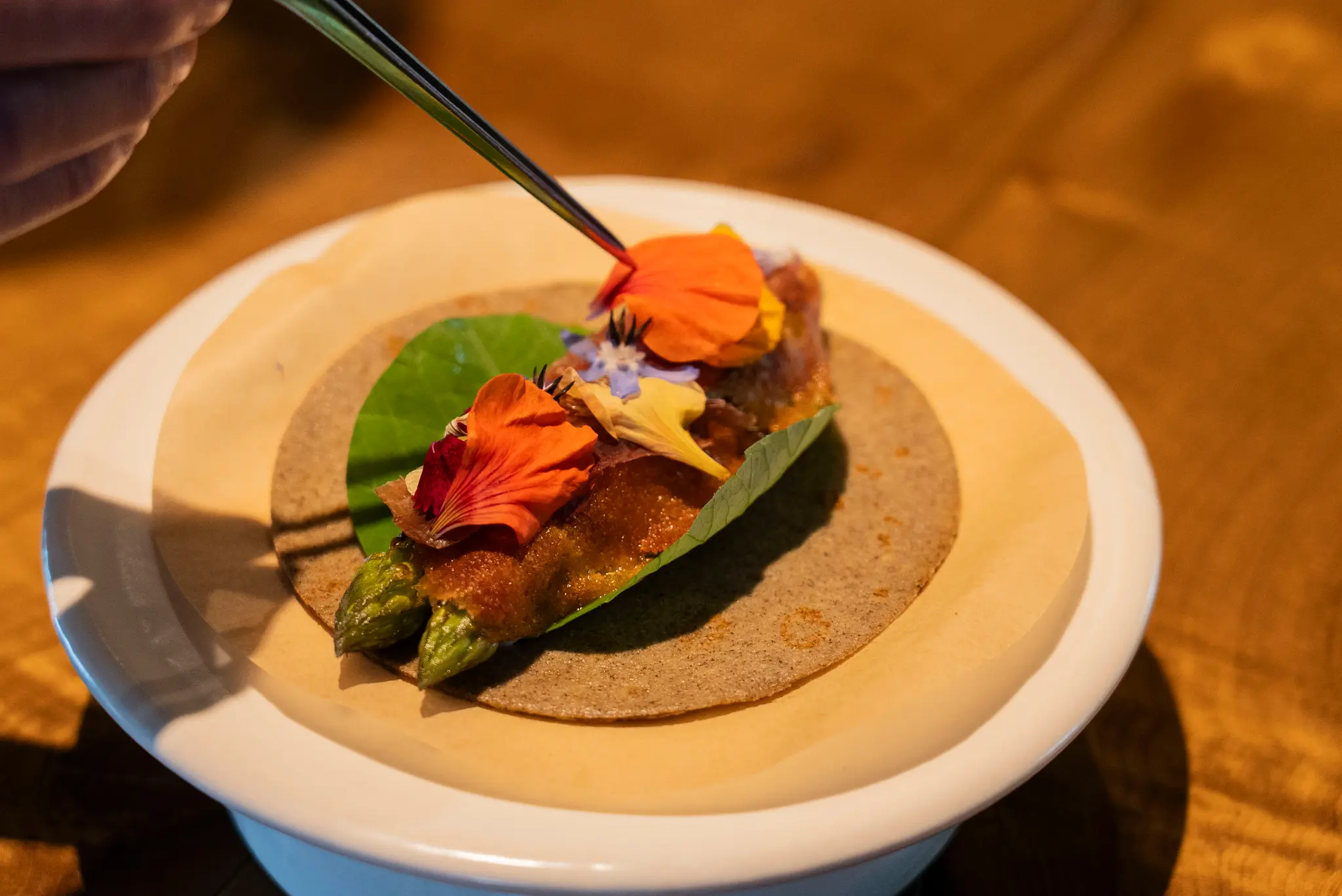
I do buy some ingredients, especially things like asparagus and corn, as they are better when grown by professionals. I get asparagus from “Soganouen”, a farm that also grows some of Japan’s best tomatoes. At 【RESTAURANT UOZEN】, most of our ingredients are natural, so mushrooms are harvested and preserved for later use. In spring, it’s mostly wild herbs.
Experiencing the True Nature of Dining by Tasting Life
ーーーWhat are your plans for the future?
I want to create an experience where guests can not only enjoy the ingredients I have hunted but also go fishing or gathering together. Since it’s difficult to increase the number of customers with a small seating capacity, I’m considering a new style of restaurant where we serve one or two groups at a time, providing an educational experience about food. Guests could harvest things from the garden and incorporate them into their courses.
ーーーWhat does French cuisine mean to you?
I think food genres are about how the person eating feels about it. I don’t cook with the intent of making French cuisine, although I do use French techniques. The ingredients I work with are not strictly French, but I do believe French cooking is adaptable and can be made into something globally recognized.
An experience that changes your sensitivity towards food by learning about ingredients
ーーーFinally, what does "delicious" mean to you?
It’s about the story behind the ingredients, the backbone of the food. For example, if I were to roast a boar I hunted and pair it with ginkgo, without telling the story, it would just be a dish. However, if I explain that when I gutted the boar, I found ginkgo inside, it adds a layer of meaning: this boar grew by eating ginkgo. By adding that story, the dish gains a unique value. It’s something only I can do.
If you already have the boar meat and are just thinking about what to pair it with, there’s no story behind it. But for me, since I go hunting, I can tell the story of where the boar lived and what it ate to grow. I believe that knowing these details adds more flavor to the dish. The same goes for vegetables or wild herbs—I like to pair things that grow close to each other. I think being able to do this is one of the strengths of our restaurant.
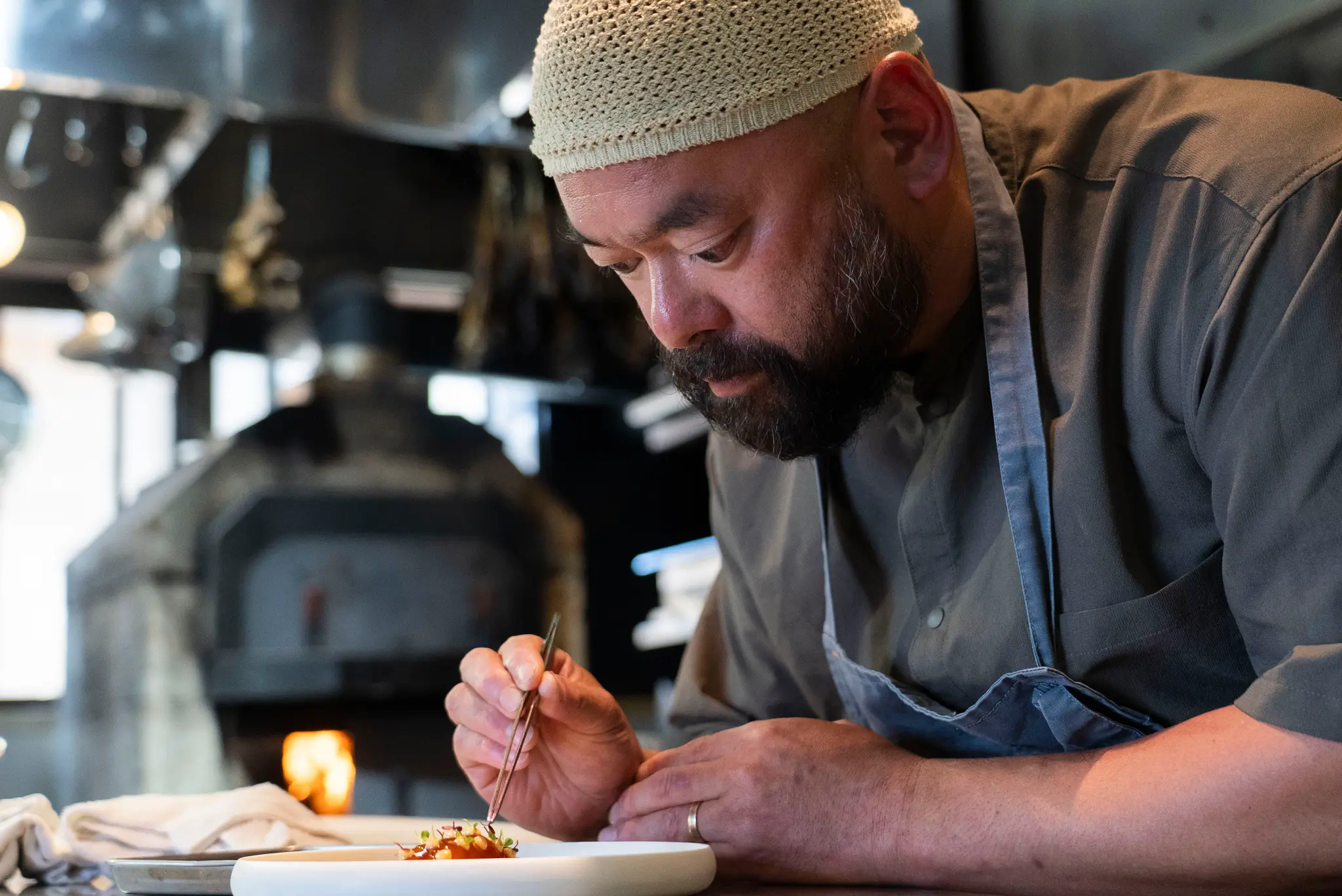
Delicious food is already overflowing in the world, and I feel that updating that deliciousness requires new discoveries and stepping outside of established concepts. For example, I’d only ever eaten fava beans cooked, but when I tried fresh, just-picked fava beans without adding anything, they were incredibly juicy, sweet, and their fragrance was so much more pronounced. That kind of experience is what I consider “delicious.”
I believe that the definition of deliciousness changes depending on who is eating or preparing the food. Even if you do the same thing, you won’t get the same taste. I see a chef’s job as identifying that unique deliciousness and cooking accordingly. While fresh, seasonal ingredients have an unbeatable taste, that’s not the only condition for something to be “delicious.” I feel that when you add the value of a story, a new layer of deliciousness is created.
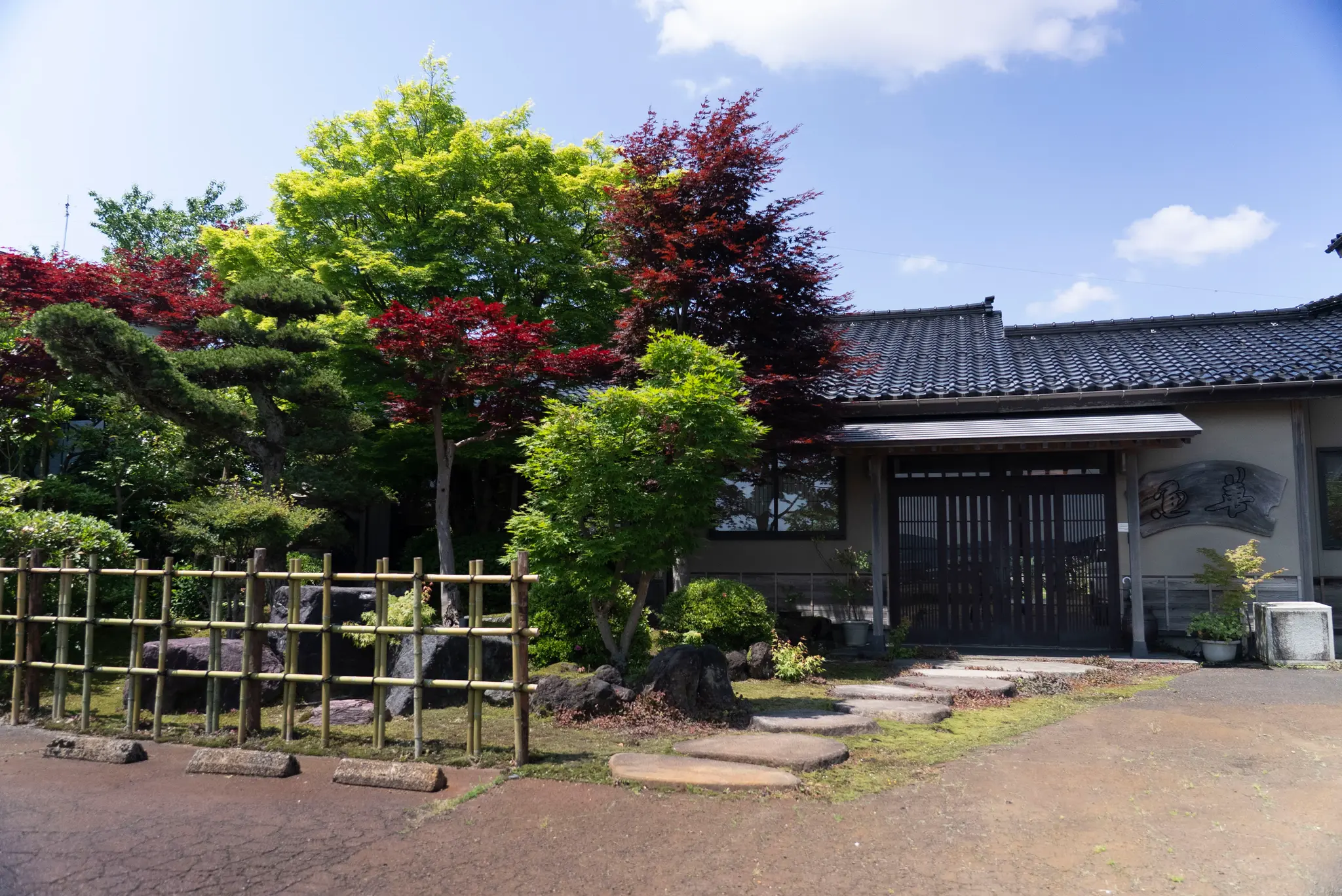
As Chef Inoue describes, "delicious" is not just about satisfying your taste buds. It’s about connecting with the story behind each dish, which deepens your appreciation and creates a lasting experience. Chef Inoue embodies this philosophy through his hunting, cultivation, and cooking, and 【RESTAURANT UOZEN】 offers a unique opportunity to taste the life he infuses into every plate.
Interview and text by AutoReserve Magazine Editorial Team
Photography by Azusa Nakaoka
Restaurant Information
- AutoReserve Magazine
- Japan’s world-renowned flagship restaurant
- Tasting Life in a Dish: The Challenges and Philosophy of Hunter Chef Kazuhiro Inoue at 【RESTAURANT UOZEN】
.JPG?format=webp)
.JPG?format=webp)
.JPG?format=webp)

