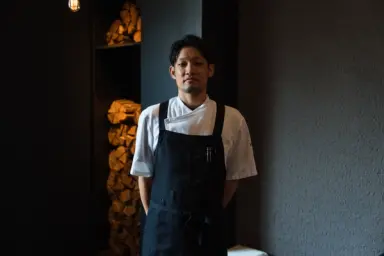
The Japanese Chinese Cuisine Created by "Wakon Kansai"(Japanese spirit, Chinese talent) at Sazenka: The Answer Chef Tomoya Kawada Reached
A Determination Born from the Frustration of a Loss
ーーーWhat inspired you to pursue Chinese cuisine?
My first encounter with Chinese cuisine dates back to my kindergarten days. In my family, we had the habit of dining out several times a month, and I was introduced to various types of cuisine from a young age. Among them, my favorite was Sichuan cuisine, though I have no memory of it myself (laughs). According to my parents, I was drawn to spicy dishes such as Yunbai Rou (steamed pork slices), Bang Bang Ji (spicy chicken), Mapo Tofu, and Dan Dan noodles, along with the atmosphere of the restaurant. After visiting this restaurant many times, I began to say, "I want to become a chef when I grow up."
ーーーYou were fascinated by Sichuan cuisine from a young age, weren't you?
Even after I became more aware of my surroundings, my admiration for becoming a chef never faded. I gradually realized that the first cuisine I loved was Chinese food, and there was a genre called Sichuan cuisine. After high school, I entered a culinary school in Tokyo. Of course, my major was Chinese cuisine. In fact, even as a high school student, I was researching restaurants where I wanted to work and spent my free time visiting eateries. Just before graduation, I visited the renowned Sichuan restaurant, 【Azabu Chōkō】. It must have been rare for a student to dine alone, and the owner-chef, Matsuo Nagasaka, kindly spoke to me. I eagerly shared my passion for wanting to study Chinese cuisine, and he warmly responded, "When you come to Tokyo, come visit again."
After moving to Tokyo, I visited Chef Nagasaka again and was so moved by the taste of his Dan Dan noodles that I impulsively asked if I could work part-time at the restaurant. To my surprise, he immediately accepted, saying, "Come tomorrow." I still vividly remember that day, April 1st. The culinary school’s entrance ceremony was on April 7th, so I had secured a part-time job before even starting my studies.
ーーーThat's some incredible initiative! What kind of restaurant did you want to work at?
During my high school years, I was deeply involved in volleyball, but in my final tournament, we lost early, and that experience taught me that "strong teams" are "strict teams." I felt immense frustration when we lost, but looking back, that frustration became a valuable asset. I reflected deeply on why we lost and came to realize that if I were to pursue a career in cooking, I had to learn at the "strictest restaurant."
ーーーWhat did you feel was "strict" and appealing about 【Azabu Chōkō】during your research?
From Chef Nagasaka's demeanor, I sensed "strictness," and the beauty of the dishes and the precise cutting of ingredients conveyed that same "strictness" and meticulousness. He continued to make dishes that respected Sichuan culinary traditions while also looking to the future, and the restaurant’s size was just right for me to learn closely from the head chef. If the restaurant were too large, it would be hard to get close to the head chef. I worked at 【Azabu Chōkō】 for two years as a part-timer while attending culinary school and then for eight years as a full-time employee, totaling ten years of study there.
What does it mean to cook Chinese cuisine? In search of an answer, it has been a journey of trial and error in the dark
ーーーWhat were the struggles you faced while training in Chinese cuisine?
I never really felt hardship, but around my fifth year, I started grappling with the question, "Why am I, a Japanese person, making Chinese food?" At first, I was purely passionate about cooking and Chinese cuisine, but after visiting China and meeting local chefs, I started feeling envious of the chefs who were deeply immersed in the "heart of Chinese cuisine." It was like how Japanese chefs make Japanese food, French chefs make French food, and so on. I was struck by the "authenticity" Chinese chefs exuded.
Japanese people, in contrast, study not only Japanese cuisine but also culinary arts from various countries, which is quite rare globally. For example, French chefs who specialize in Chinese food are rare, and while many French chefs are interested in Japanese cuisine, it's more of a learning experience. In China, most chefs only cook Chinese food. Meanwhile, in Japan, although there are many Japanese chefs, there are also an astonishing number of French chefs, and there are chefs specializing in Italian, Chinese, and Spanish cuisines. The diversity in Japanese cuisine is remarkable, and I think many chefs may share my internal conflict.
ーーーDid being Japanese become a struggle as you progressed in your career?
At that time, I struggled with the question of why I was pursuing Chinese cuisine in Japan. I couldn't find an answer beyond, "Because I like it." When I first entered the culinary world, I could only focus on the cutting board and the stove. However, as I encountered various cultures and explored history, my perspective gradually widened. I could have gone to China for training, but I decided to stay in Japan because I love this country, and I was certain that the Chinese cuisine I wanted to create could only be realized here, nurtured by Japan’s climate and environment.
At the same time, I became aware of how little I knew about the cuisine of my own country. I began a journey of exploring Japanese cuisine and had the opportunity to speak with Chef Seiji Yamamoto of 【Ryugin】. At the age of 28, I humbly asked him if I could study Japanese cuisine from scratch.
The Birth of 【Sazenka】 Amidst Struggles and Hope
ーーーWhat did you learn while training in Japanese cuisine?
While learning Japanese cuisine under Chef Yamamoto, I encountered the concept of "Wakon Kansai," which means "Japanese spirit, Chinese talent." Japanese people have historically embraced Chinese traditions and culture, transforming them into uniquely Japanese forms. This transformation has served as the foundation for the development of the country. The most representative example of this is the Japanese language. Japanese characters were introduced from China during the Han dynasty, which eventually formed the basis for the Japanese language as we know it today. This concept of "Wakon Kansai" became a significant guiding principle for me, and it helped me clearly define my goal of achieving a harmonious blend of Chinese and Japanese cuisine.
Furthermore, I began to realize that “tradition” refers to something that has survived because it has been supported by many people throughout history. Food, like anything else, must be beneficial for the body, or it will eventually fade away. History has shown us that unsustainable foods have disappeared. By learning from tradition and focusing on what has endured, I believe we can glimpse the future of Japanese cuisine. For me, the place to express this future is at 【Sazenka】, where I can continue to provide a harmonious blend of the past, present, and future, all while creating something that is uniquely my own.
ーーーCan you share your thoughts on "Wakon Kansai" and the teachings of Chef Kawada?
To summarize what Japanese cuisine is, I would say, “It is cuisine that expresses the richness of Japan.” If Chinese cuisine also embodies the idea of expressing "the richness of Japan," it follows the principles of "Wakon Kansai," and the techniques will follow. "Richness" in Japan is found in the ingredients. Chef Yamamoto also said, “Dishes that bring out the best of the ingredients are the ones that create richness.”
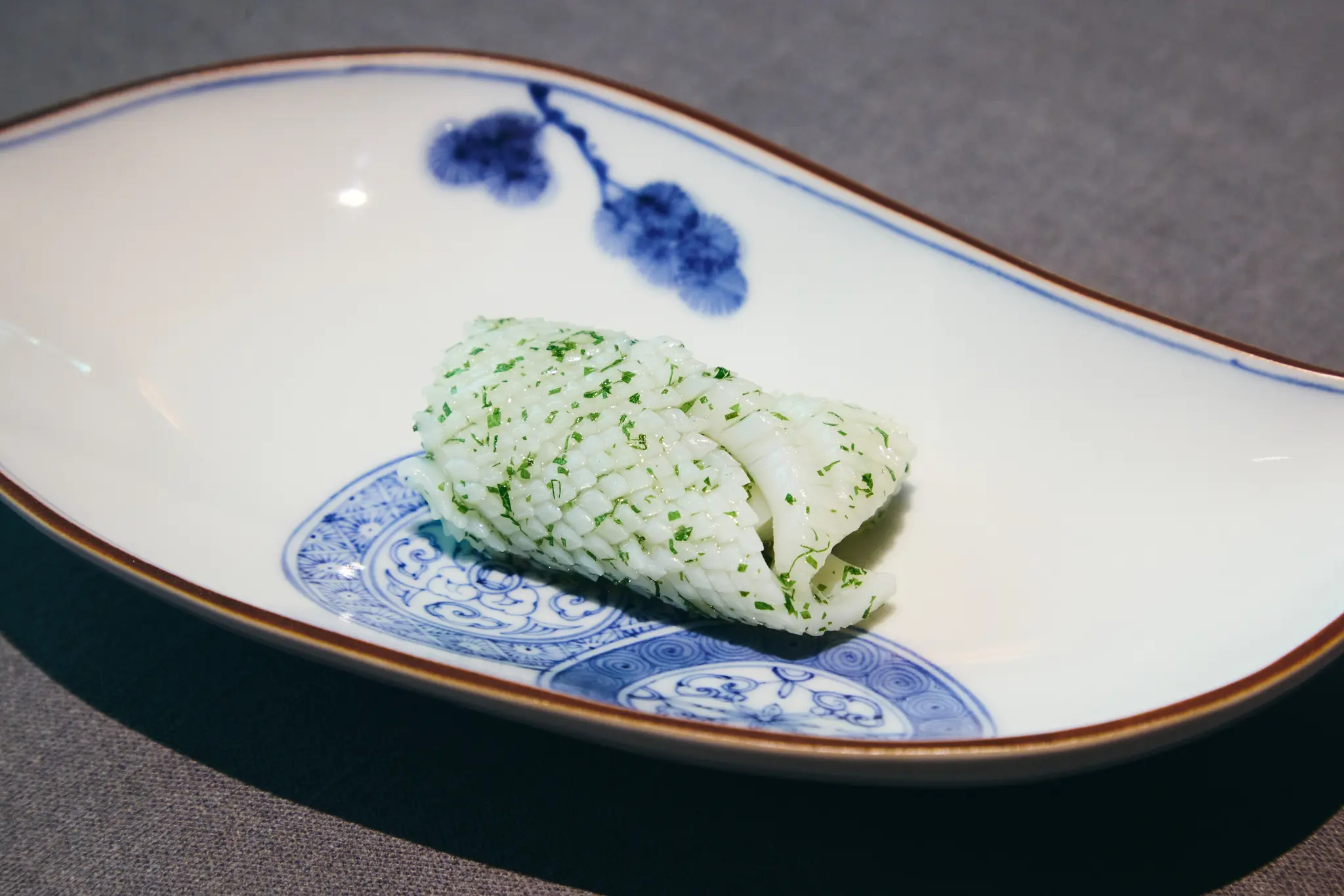
Chef Yamamoto taught me to “raise your awareness of how much you can deliver to the customers in this age.” This taught me not only technical skills but also the importance of mental discipline.
ーーーWhat is your approach to ingredients (food items)?
Japan has four distinct seasons and a rich natural environment. It is blessed with outstanding producers and an excellent distribution system. I believe that chefs should fully understand this flow. While the potential of the ingredients is critical, how they are delivered to the kitchen, as well as how they are processed and prepared, should never be neglected. Above all, the condition of the ingredients when they are served to customers is of utmost importance. No matter how exceptional the ingredient is, if it is in poor condition, it is nearly worthless. A fresh sardine cooked well will taste better than a tai (sea bream) that has lost its quality after several days in the harbor. I believe in serving dishes that capture the “moment when the ingredient shines”—this is my philosophy.
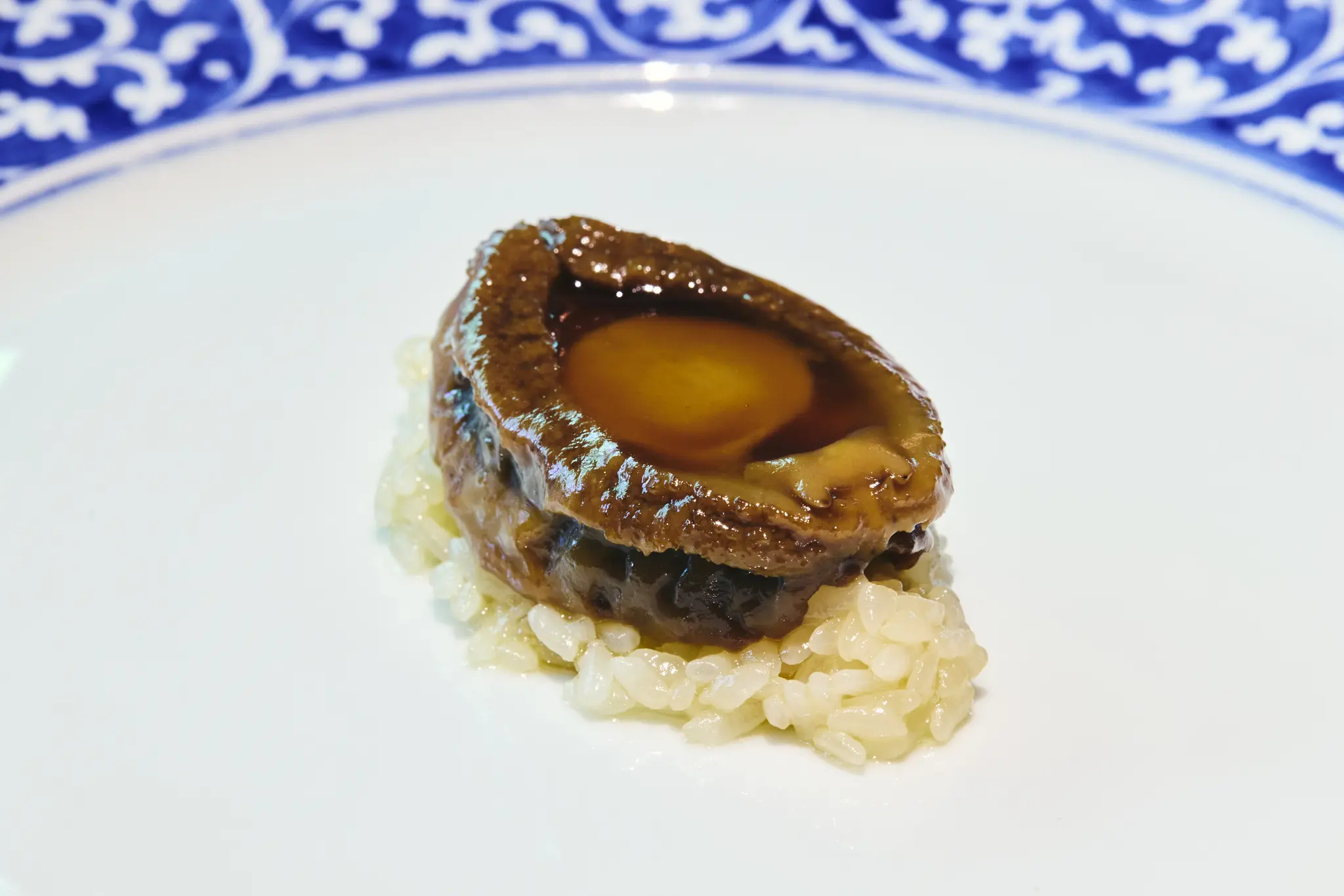
ーーーWhat do you focus on when cooking?
At our restaurant, we value "seasonality," "temperature," and "ingredient integrity." "Seasonality" means capturing the peak of ingredients. "Temperature" means serving ingredients at the optimal temperature. And "ingredient integrity" refers to respecting the texture and quality of ingredients so they shine. I focus on harmonizing these three elements with the Chinese cooking methods I’ve learned. Chinese cuisine includes cooking methods from Sichuan, Shanghai, Guangdong, Beijing, and more. I select the best method for each ingredient and present it to our customers. As the saying goes, "A treasure that is not utilized is wasted." We must bring out the best in the “treasure” ingredients and serve them at their highest quality. If the best way to enhance the ingredient is to simply cut it with a Japanese knife and season it with salt and yuzu, I would do so without hesitation.
【Sazenka】’s Cuisine Absorbs the World’s Cultures and Forms Them
ーーーDo you find any inspiration when creating new dishes?
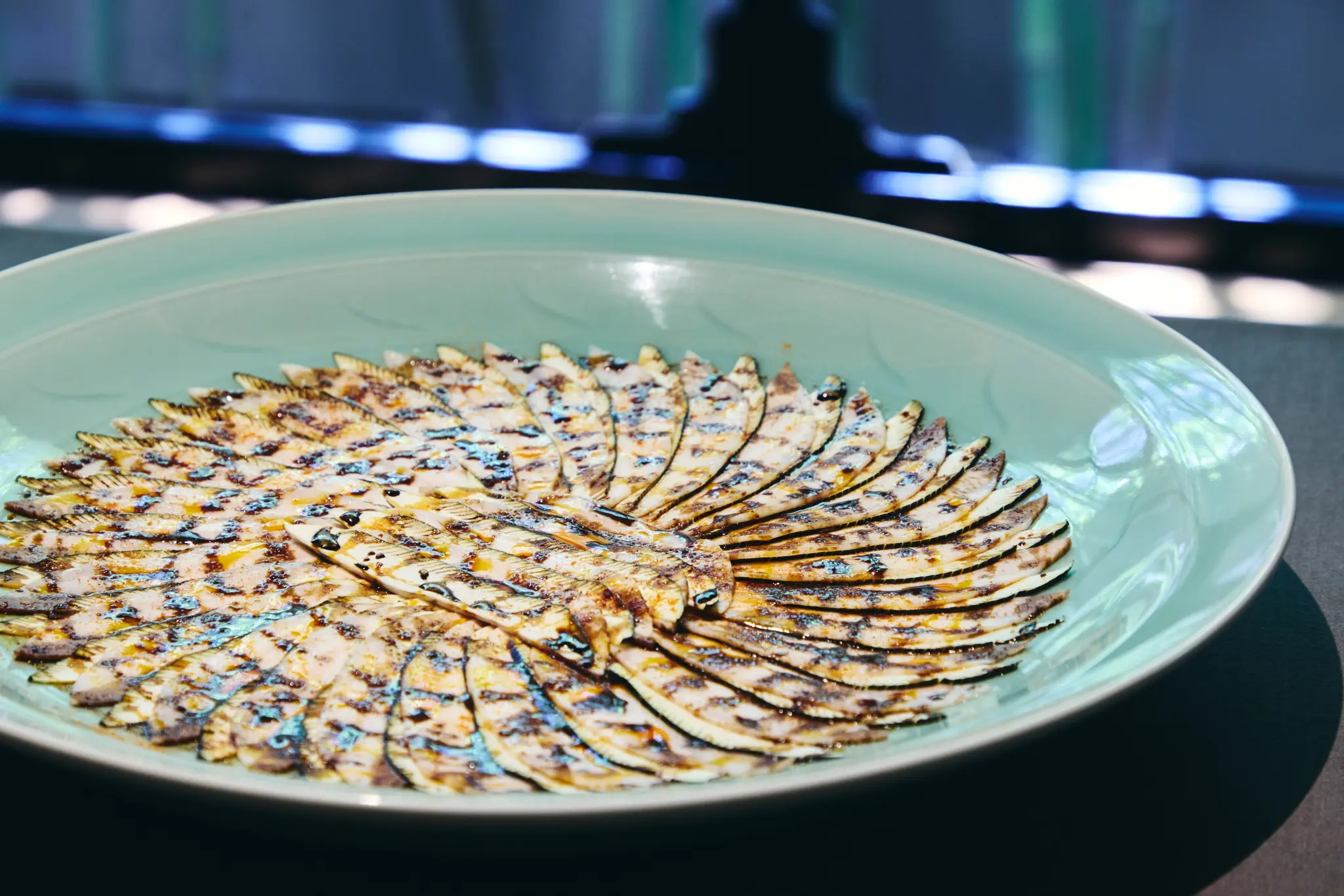
I gain inspiration from various sources, such as books, experiencing local dishes in China or Taiwan, visiting production areas, and speaking with producers. One of the frequent sources of inspiration is “landscapes.” For example, the beautiful lake scenery in Jiuzhaigou, Sichuan, left a lasting impression on me. The memory of that landscape was expressed through one of Sazenka’s signature dishes, Yunbai Rou (sliced pork). The jade-colored dishware is inspired by the color of the lake. My experience eating the original version of Yunbai Rou in the region also sparked the creation of the dish.
When I first saw the Great Wall of China, its overwhelming scale reminded me of Chinese cuisine. Just as Chinese culture has evolved over thousands of years, I aim to create grand and expansive dishes as well. On the other hand, I am deeply drawn to the delicacy and tranquil atmosphere of ancient cities like Kyoto, Japan. Ancient monks traveled to China and were surely influenced by its vast landscapes. When I think about it, everything is interconnected, and I am deeply moved by how many things have influenced the "now." I also wish to incorporate the elegant sensibility and "wabi-sabi" spirit of Japan into my dishes.
ーーーDo you also draw inspiration from other cuisines?
Of course. Chinese cuisine typically uses high heat to cook ingredients quickly, but I am always exploring how to control heat and temperature in a way that brings out the brilliance of the ingredients. French cuisine’s techniques for cooking ingredients at precise temperatures have been very helpful to me, and as I experimented with these methods, I discovered that Chinese cuisine also has its own way of gently cooking ingredients, much like French and Japanese cuisines. In recent years, I’ve had more opportunities to visit Korea, and I’ve found that the subtle differences, such as how chili peppers are used and the design of the dishes, give rise to a different food culture from Chinese cuisine, which I find very interesting.
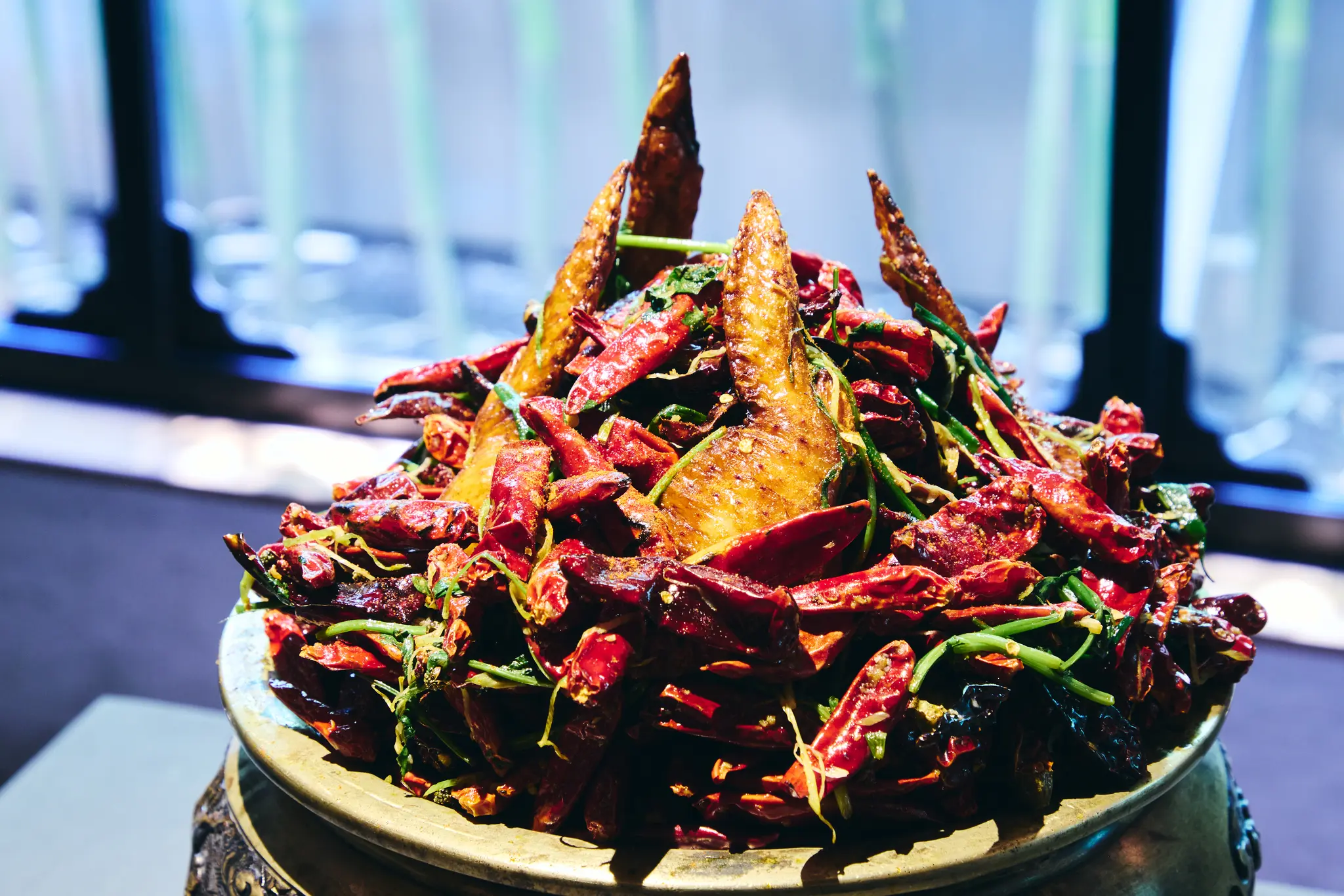
Creating the Charm of 【Sazenka】 as a Team
ーーーHow do you feel about receiving such prestigious recognition, like the Michelin three stars?
The key point is that "ratings and stars should never come first." First and foremost, we must focus on delighting the customers in front of us, and by doing so, a bright future will unfold naturally. The priority is "today’s customers." What kind of dishes should 【Sazenka】 present, and how can we provide excellent service? I always concentrate on these questions. The future will come after that. I feel that good evaluations come gradually. I am grateful for the Michelin stars, but after receiving such recognition, I tighten my resolve and focus on cooking passionately for today’s customers. I’m still thinking about tonight’s service (laughs).
ーーーWhat do you expect from the chefs who work at 【Sazenka】?
I want them to understand the importance of service. That’s why at 【Sazenka】, chefs spend the first two to three years assisting with the service as well. I trained in Chinese cuisine for ten years and in Japanese cuisine for five years, and half of that time was spent learning about service. Standing in the front-of-house made me realize that the restaurant is driven by the customers seated at the table, and everything else follows. The chefs often focus on “bringing dishes out from the kitchen,” but in reality, the restaurant works in reverse: customers arrive first, then the front-of-house staff serve, and only then does the kitchen cook.
Our dish, Yunbai Rou, which is served with a steaming hot bamboo basket lid placed over the plate, was inspired by my experience working in the front-of-house during my training. I realized that when dishes are completed in the kitchen and carried to the table, their quality deteriorates during transport. I wanted to present the dish in its perfect state at the table, leading to the unique design where the dish is finished at the table in front of the customer.
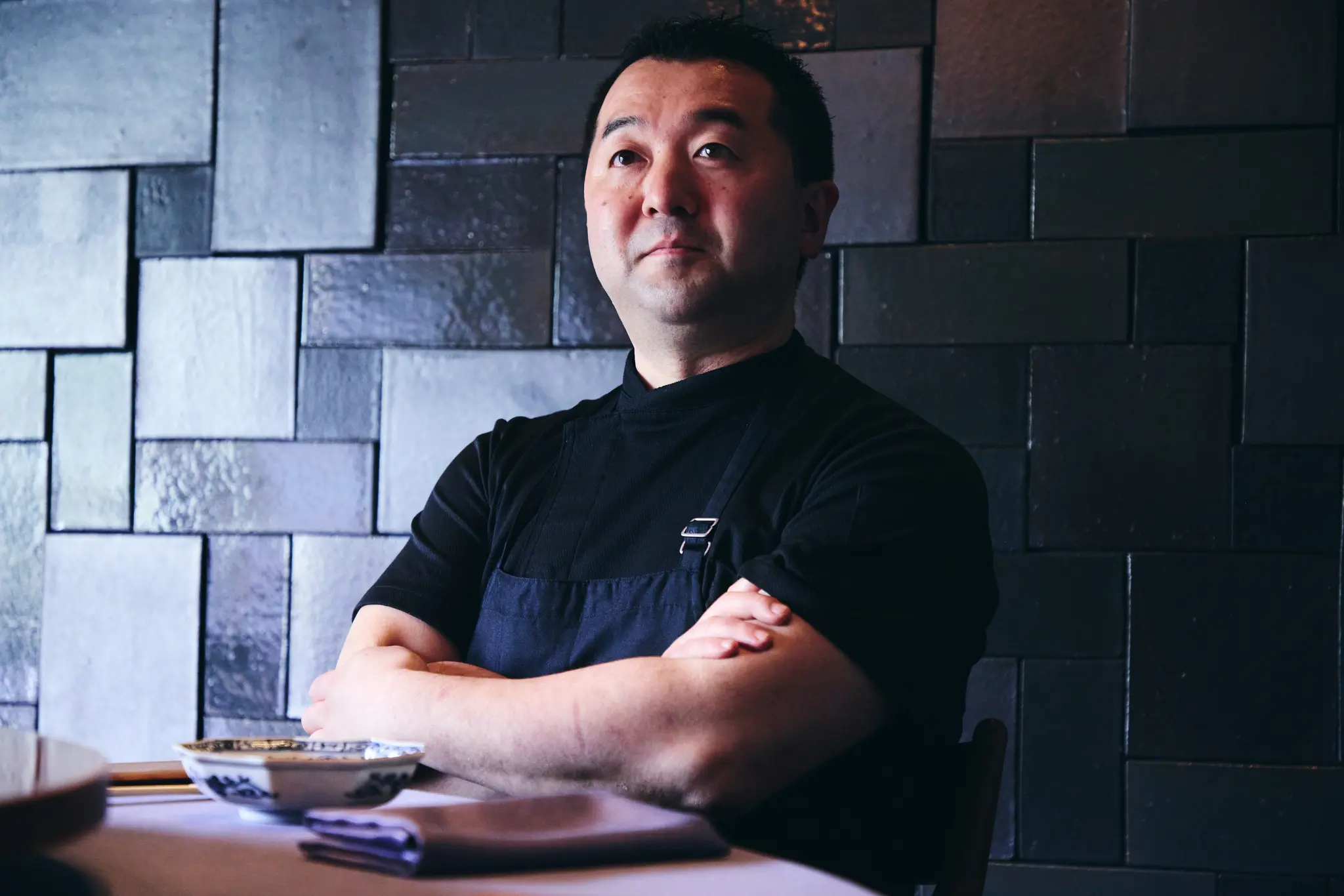
ーーーThis dish was created not only from your experience in the kitchen but also from your front-of-house perspective!
It goes both ways. Front-of-house staff also spend time in the kitchen, observing the cooking process and learning about the ingredients. During the Shanghai crab season, the entire staff helps peel the shells, and by participating in cooking tasks, they can naturally explain the dishes to customers with their own words. At 【Sazenka】, I want all the staff to develop an understanding not just of their individual tasks, but of the entire restaurant. This is true for the cuisine as well. 【Sazenka】’s dishes are based on both Japanese and Chinese culinary traditions. Harmonizing the kitchen with the service, and blending Japanese and Chinese cuisine, is not easy, but by challenging ourselves, we open up new worlds.
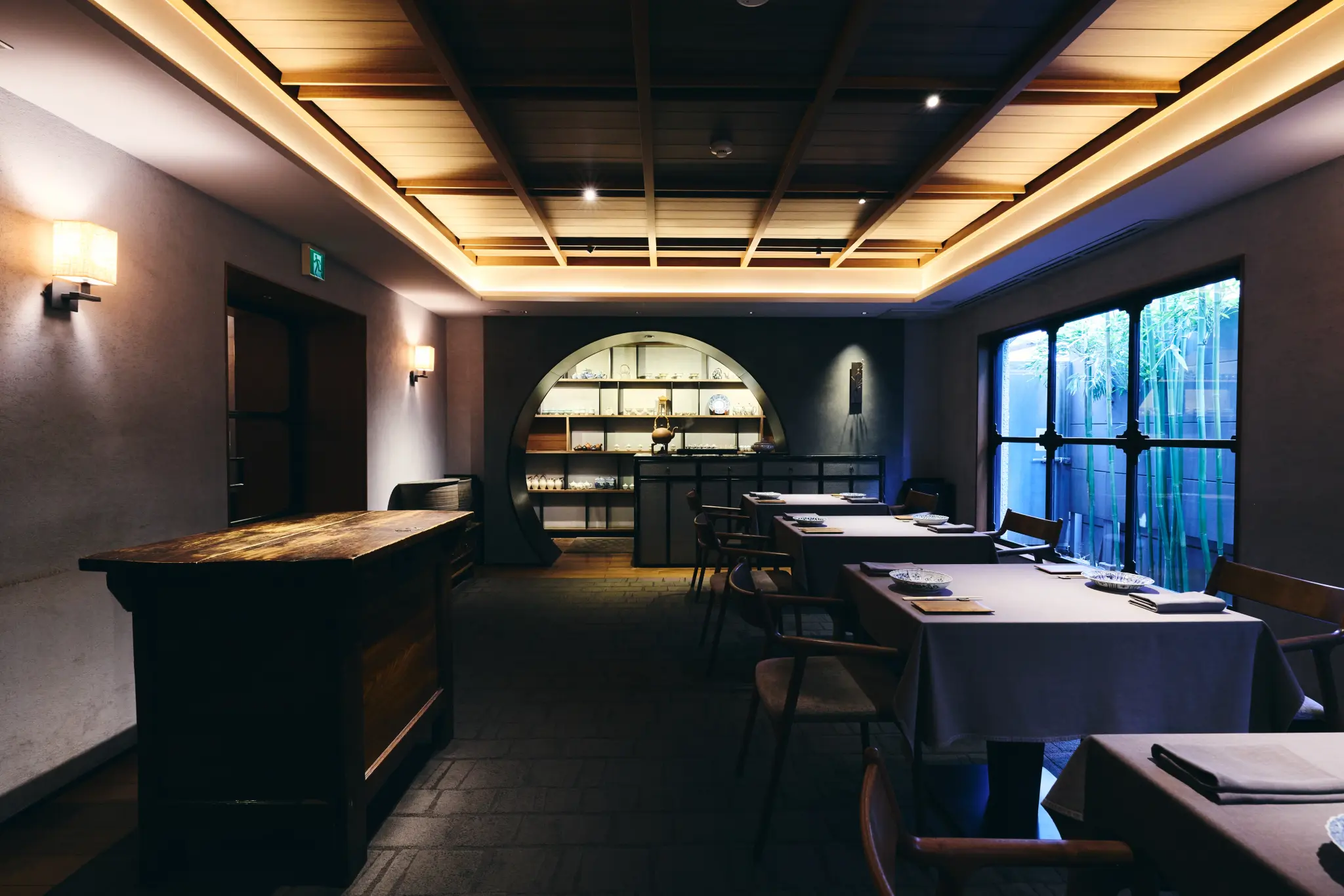
ーーーDo you get inspired by your staff?
It happens almost every day. We collaborate, blending the youthful energy of my staff with my own thoughts, to create new dishes. I often give challenges to the senior chefs, and we constantly test new recipes. About half of our cooking staff trained in Chinese cuisine, while the rest come from French, Italian, and Spanish backgrounds. We enjoy merging their expertise into Chinese cooking, and I genuinely enjoy the process of creation. Last year, we experimented with a Shanghai crab paella with a staff member from Spain. Though we couldn’t finish the dish in time due to the end of the season, it may become a secret menu item for our customers in the future.
The French-trained chef also developed a Shanghai crab curry, which we actually served as a secret menu item for customers. He became the "head chef" of the dish, and now I feel it is truly his creation. By having our staff take ownership of a dish, we ensure that its quality remains high, and their motivation to create is elevated. If I only created dishes myself, the staff would become passive, but when it’s their dish, they have a personal responsibility to maintain its quality.
ーーーWhat message would you like to send to the next generation of chefs?
Believe in the path you’ve chosen, and keep moving forward every day. Don’t lament what you don’t have, but focus on what is right in front of you. By doing so, gratitude will emerge, and that gratitude will become the energy to move forward. I stopped holding onto the idea of what I lacked, like "What if I were Chinese?" Instead, I focused on the power of being Japanese, and that focus led to the creation of 【Sazenka】. Concentrating on what is in front of you and appreciating it will allow you to create great things.
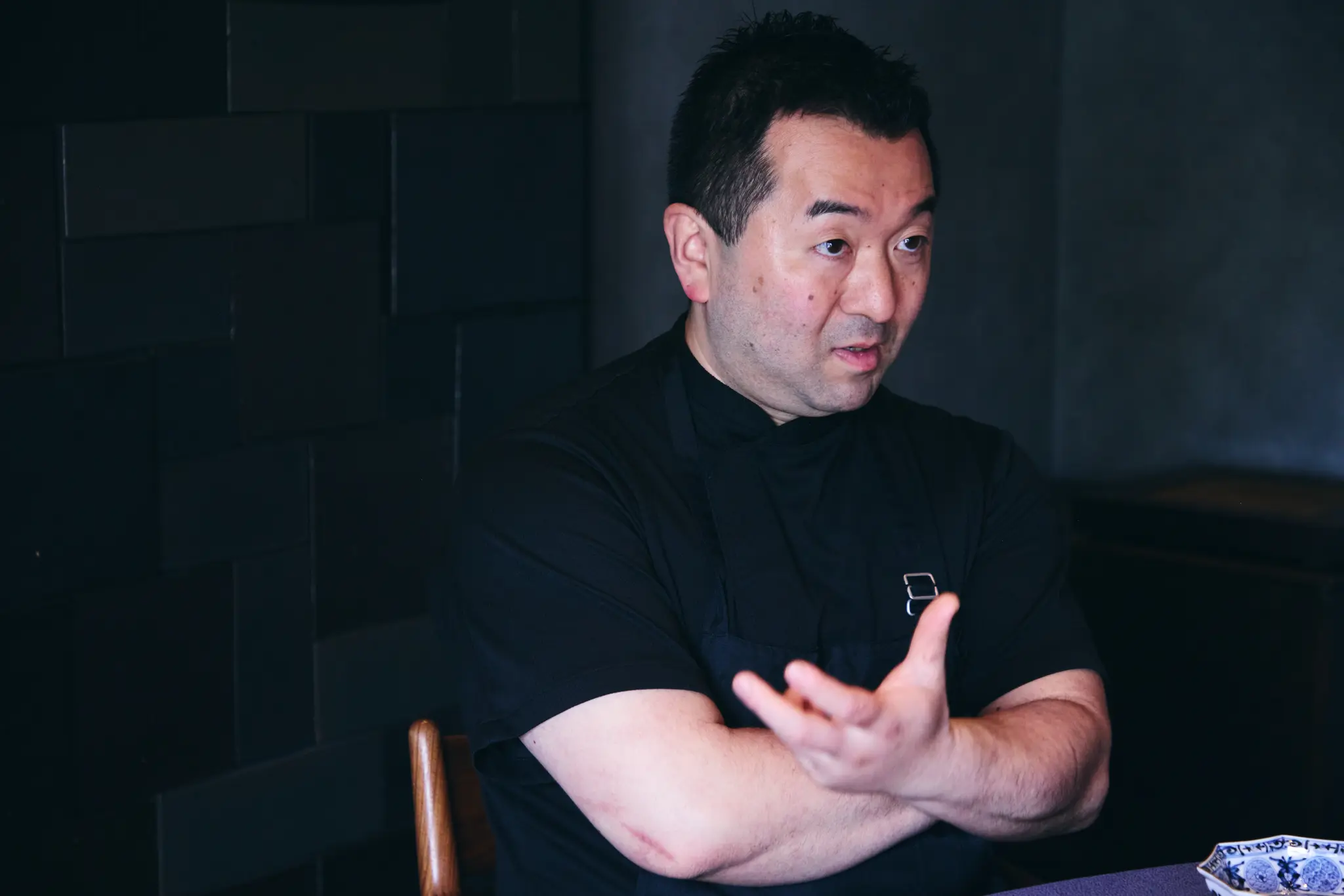
I am fond of history. My parents’ and grandparents' generations lived through the war and the chaotic post-war period, experiencing immense hardships. Today, we live in a world filled with abundance, and I feel that we are becoming insensitive to this "richness." In the restaurant business, we encounter obstacles like rising costs and labor shortages. But I believe that by using our heads and being creative, we can overcome these challenges. By focusing on the "richness" around us, we will always find ways to navigate through difficult situations.
ーーーWhat are your future goals?
Looking ahead, I have three main goals. The first is to focus on "today." We need to intensify our focus on preparing for the opening of a new restaurant and delighting today’s customers. The second is to relocate the restaurant. The kitchen has become cramped, so we are considering a nearby move. The third goal is to continue training our 15 chefs. I want to guide them toward a bright future.
If we keep focusing on these three goals, I believe new opportunities will arise, and I can live a fulfilling life as a chef.
ーーーFinally, what does "delicious" mean to you?
For me, "delicious" is when the person eating the food feels, "I’m glad I was born into this world." It’s a way of providing that moment of happiness. The "delicious" experience enriches the soul and nourishes the body. "Delicious" is the energy for tomorrow. There’s a phrase, "Kōfuku" (口福), which refers to how food can create happiness for individuals, and I believe that through food, each person’s happiness is woven together.
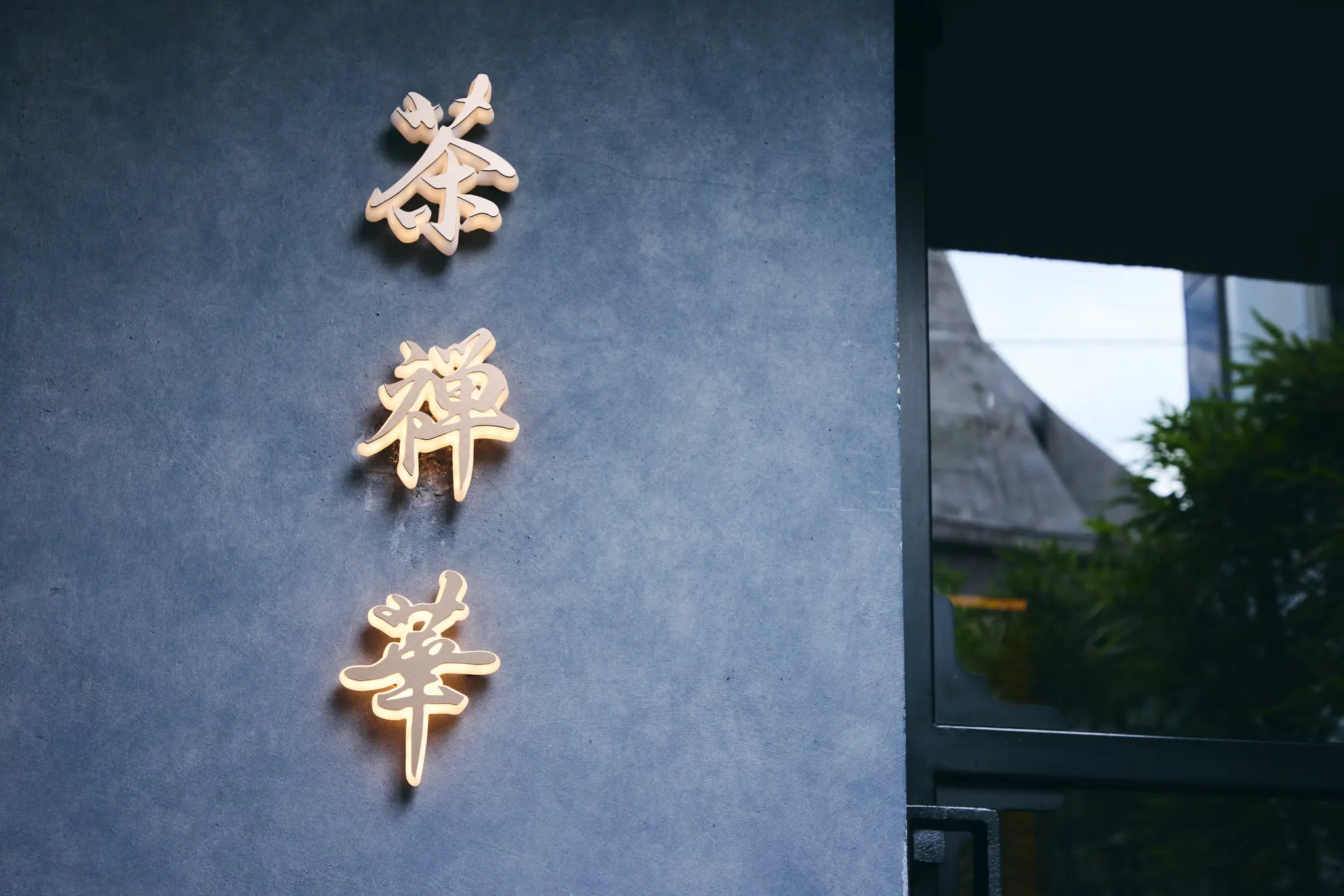
When I asked Chef Kawada what Chinese cuisine means to him, his response, with a bright smile, was, "It’s the ultimate play!" That spark in his eyes surely hasn’t faded since he was a boy captivated by Chinese cuisine. While he sought strictness during his training, 【Sazenka】 is not only about strictness but also about "gentleness" that is created with the staff. The balance of "strictness" and "gentleness" embodies the concept of "harmony" that Chef Kawada repeatedly mentions. What kind of story will this world-renowned Japanese Chinese restaurant unfold for us in the future?
Interview/AutoReserve Magazine Editorial Team
Text/Reiko Aoki
Photography/Tomohiro Yasui
Restaurant Information
- AutoReserve Magazine
- Japan’s world-renowned flagship restaurant
- The Japanese Chinese Cuisine Created by "Wakon Kansai"(Japanese spirit, Chinese talent) at Sazenka: The Answer Chef Tomoya Kawada Reached
.jpg?format=webp)
.jpg?format=webp)
.jpg?format=webp)