Pushing Tradition to Innovation: "Tempura Fukamachi" in Kyobashi, Upholding the Flavors of "Yama-no-Ue Hotel"
ーーーCould you tell us about the journey leading up to the restaurant’s opening?
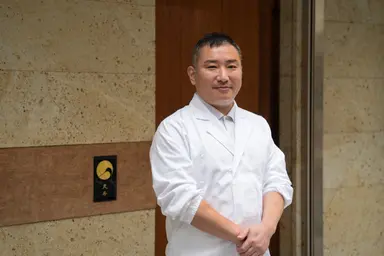
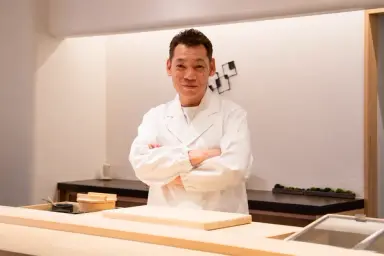
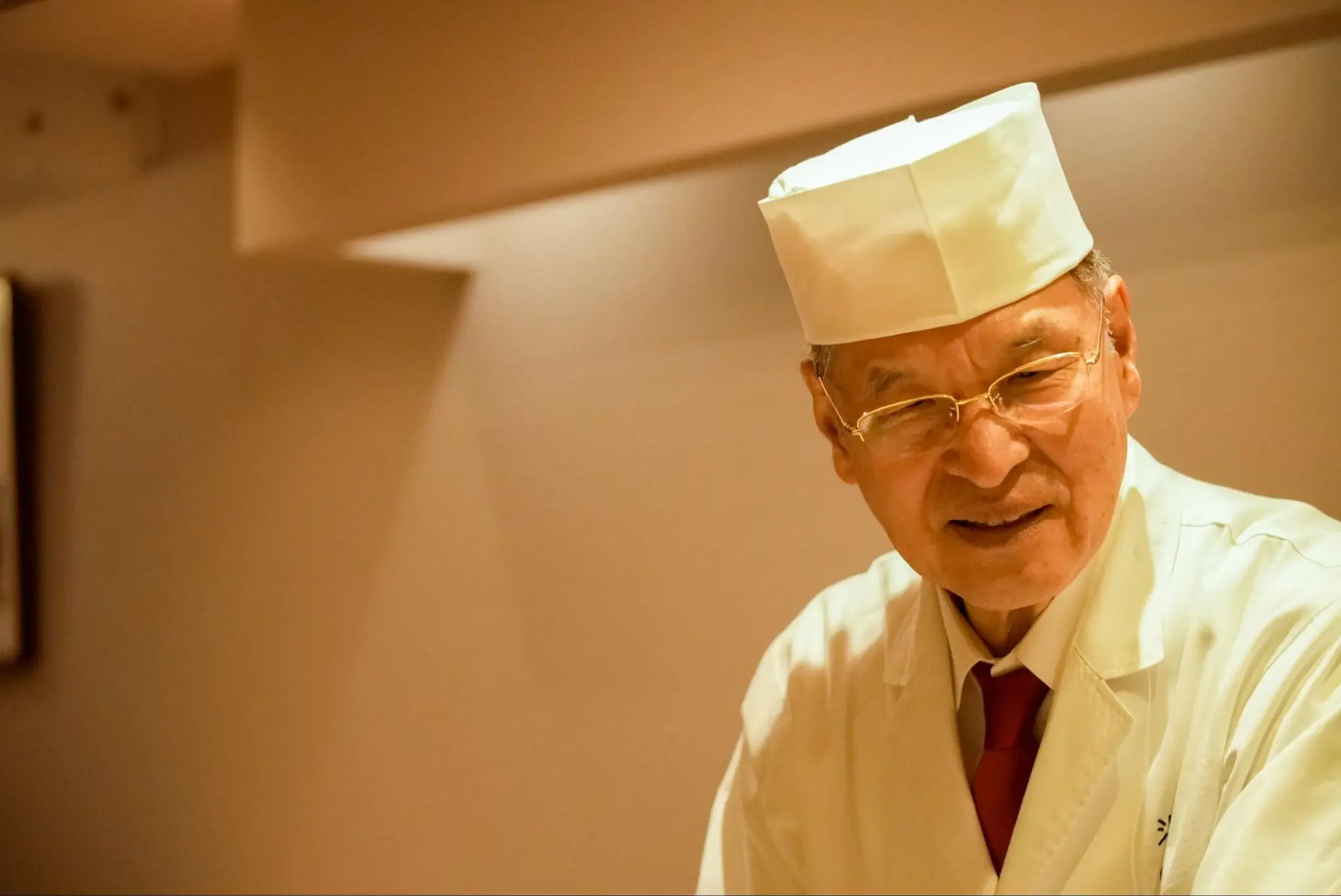
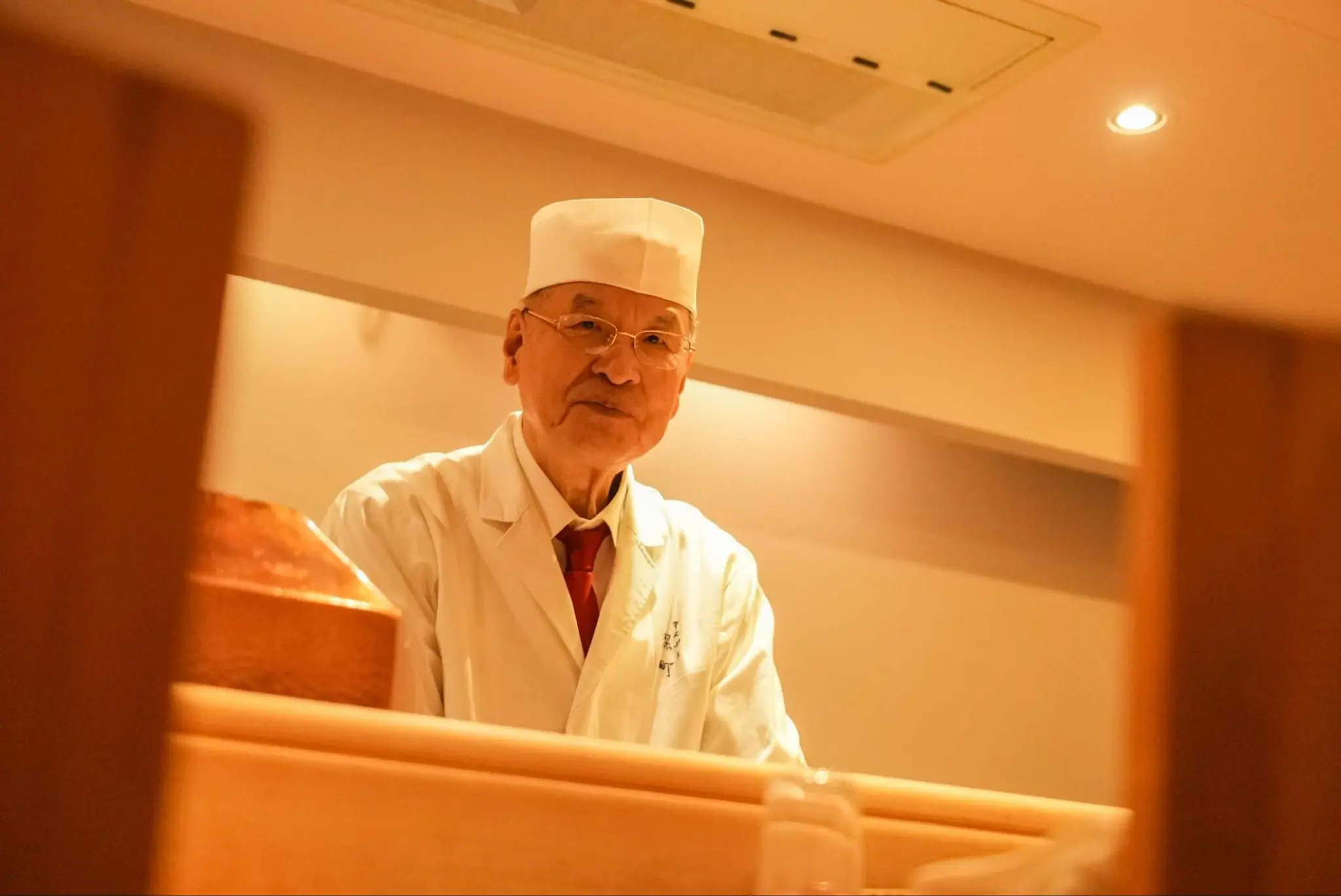
Chef Masao: After graduating from high school in Ashikaga City, Tochigi, I joined 【Yama-no-Ue Hotel】 in Ochanomizu at the age of 18. I spent 34 years in its Japanese cuisine division, 【Washoku to Tempura Yama-no-Ue】, before going independent in 2002, continuing the Edomae tempura tradition from 【Yama-no-Ue Hotel】. Originally, I actually wanted to become a chef. There was someone near my family home who was a head chef at an established hotel. Hearing his stories about good pay and the chance to train abroad really inspired me. I thought, “Alright, I’ll become a chef!” and I applied, but I didn’t get the job. That’s when fate led me to knock on the door of Chef Masao: After graduating from high school in Ashikaga City, Tochigi, I joined 【Yama-no-Ue Hotel】 in Ochanomizu at the age of 18. I spent 34 years in its Japanese cuisine division, Washoku to Tempura Yama-no-Ue, before going independent in 2002, continuing the Edomae tempura tradition from 【Yama-no-Ue Hotel】. Originally, I actually wanted to become a chef. There was someone near my family home who was a head chef at an established hotel. Hearing his stories about good pay and the chance to train abroad really inspired me. I thought, “Alright, I’ll become a chef!” and I applied, but I didn’t get the job. That’s when fate led me to knock on the door of 【Yama-no-Ue Hotel】. You never really know how things will turn out.You never really know how things will turn out.
56 Years as a Craftsman, with a Deep Commitment to Edomae Tempura
ーーーWhat did you learn at 【Yama-no-Ue Hotel】?
Chef Masao: There’s a saying about being truly “hard-core”, and the founder of 【Yama-no-Ue Hotel】, President Yoshida, was like someone with a thousand hard-cores. He left his job as a company employee to establish the hotel, and although he wasn’t a chef himself, he had an intense passion for cuisine. To ensure customers left satisfied, he was uncompromising about freshness, meticulously selecting ingredients, constantly refining flavors, and scrutinizing everything from plate choices to hospitality. He didn’t just leave it all to the chefs; he actively offered his own input. I learned an incredible amount from him.
ーーーWhat are the unique qualities of 【Tempura Fukamachi】that you’ve inherited from the Yama-no-Ue style?
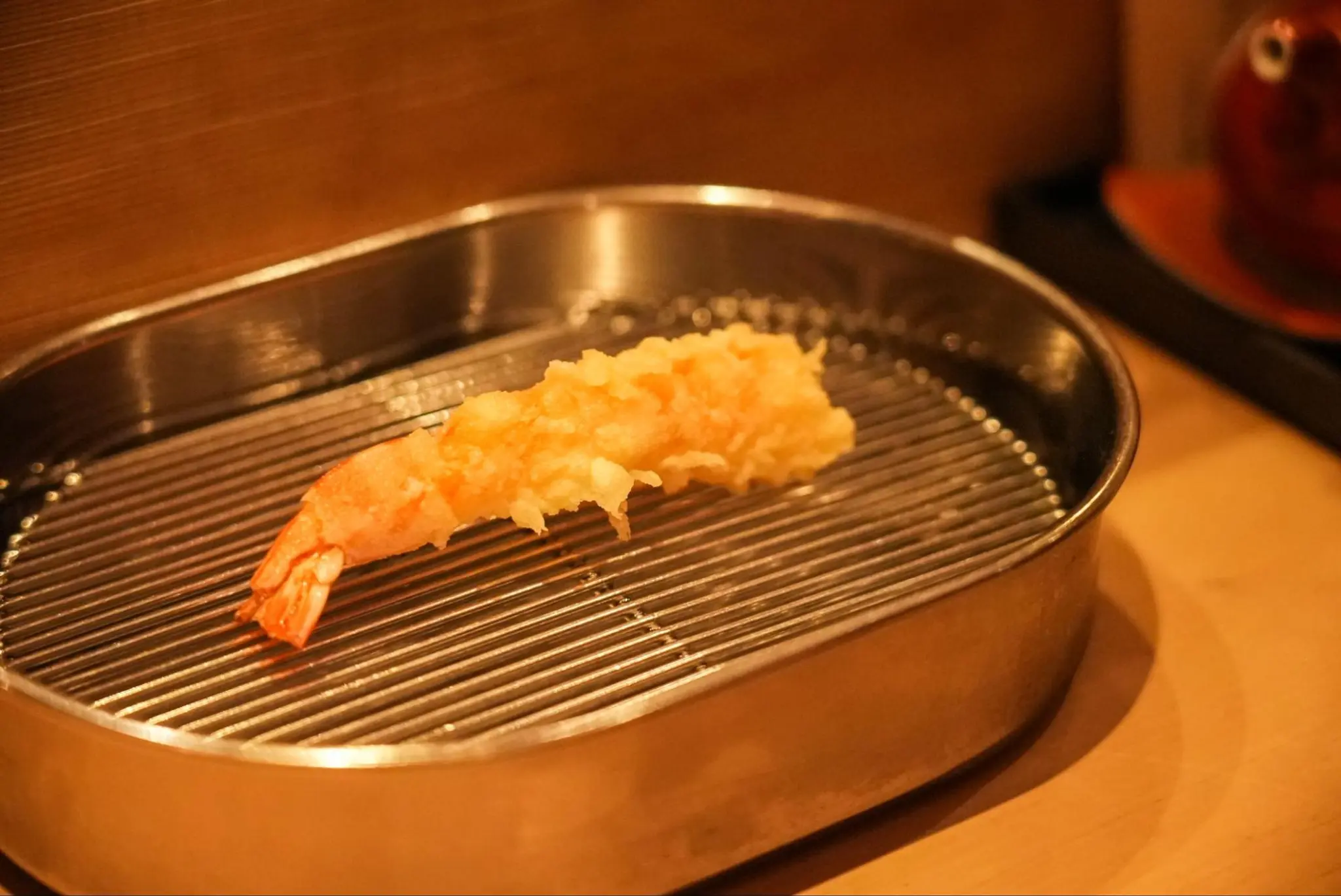
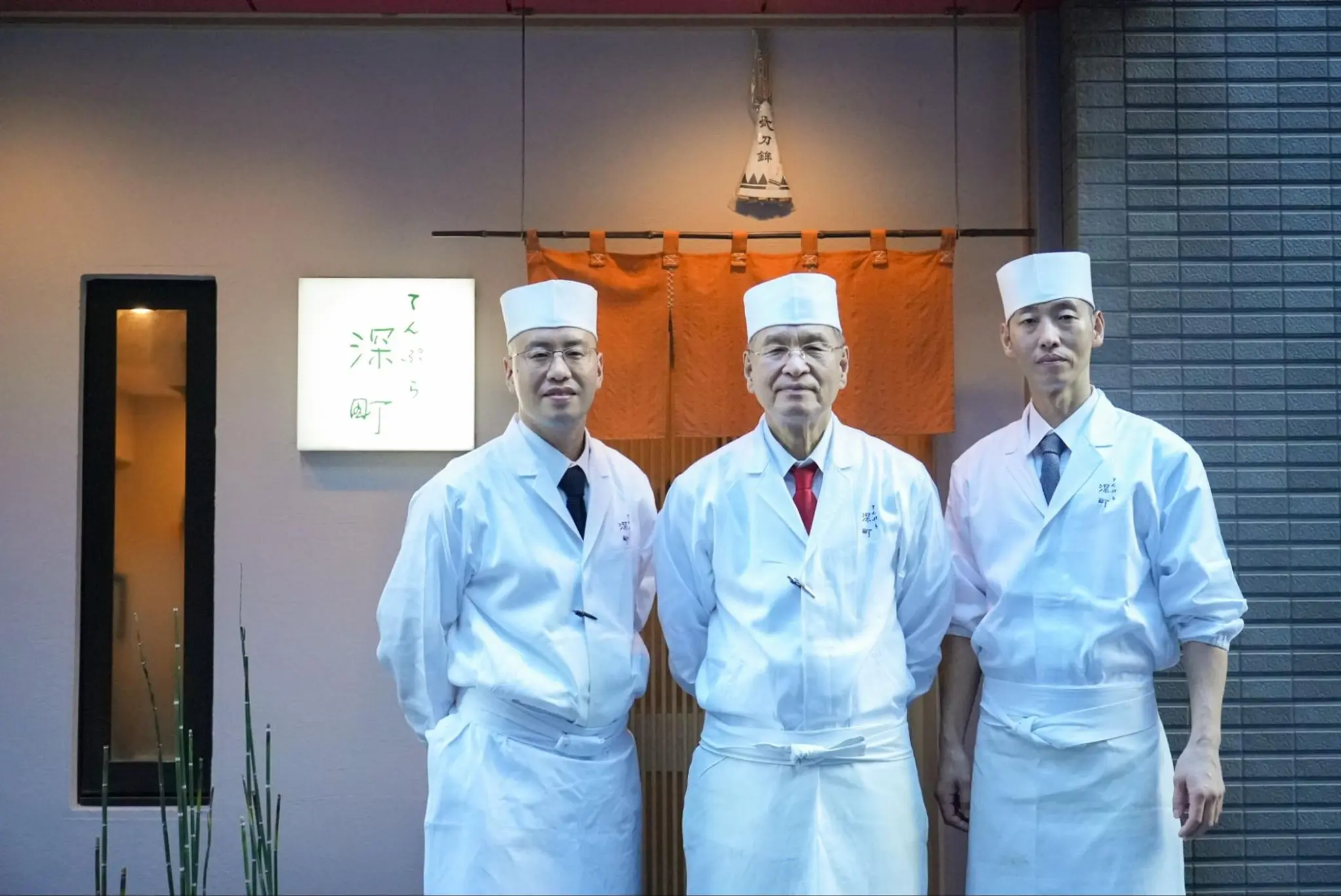
Chef Masao: Sesame oil is essential to Edomae tempura. Tempura is a simple dish: you coat fresh ingredients with batter, fry them in oil, and serve with salt or tentsuyu sauce. With so few components and steps compared to other dishes, there’s no room for shortcuts. That’s why choosing each ingredient and process matters greatly. President Yoshida’s principle of using the best, freshest ingredients, even if it meant a slightly higher cost, is something I still uphold.
At 【Yama-no-Ue Hotel】, we used a blend of three parts light (Taihaku) sesame oil to one part fragrant (Taikou) sesame oil, roasted at a low temperature. We only use Taihaku sesame oil, adjusting for a lighter aroma since our street-front location attracts more female patrons, and this change has worked well. The soy sauce for our tentsuyu is sourced from Taiko Shoyu-ten in Mihonoseki, Matsue, Shimane, a tradition we’ve maintained since the hotel days. We also source ingredients from Toyosu Market three times a week. Although I trust my sons to handle some of these responsibilities, in my pursuit of quality, I find myself wanting to see things with my own eyes and hear directly from suppliers.
―――What are 【Tempura Fukamachi】's signature dishes?
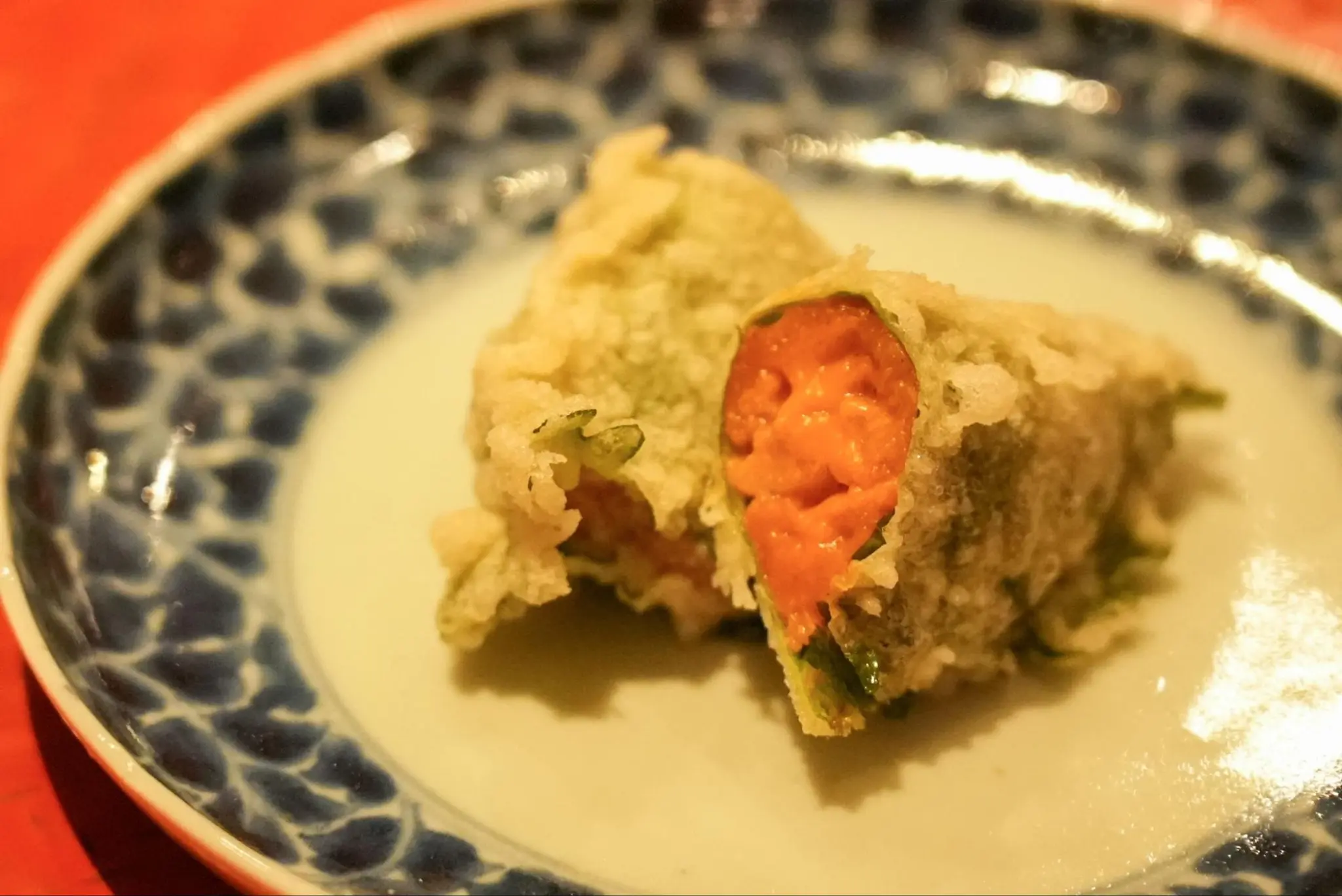
Chef Masao: We offer an omakase (chef’s choice) course only. Carefully selected seasonal items make up our menu, with lunch featuring 12 items, including two kuruma shrimp, three types of fish, five kinds of vegetables, and fresh sea urchin. Dinner includes 15 items, with kuruma shrimp, various fish, vegetables, and kakiage. We also accommodate specific requests if customers have preferences. Many patrons come to enjoy our specialties, such as tempura of kuruma shrimp, sea urchin wrapped in shiso leaves, or sweet potatoes fried for over an hour at low temperature. In the coming season, the umami of kuchiko tempura also intensifies.
What defines the “classic” in tempura?
ーーーAre both of your sons involved as chefs at 【Tempura Fukamachi】 since you became independent?
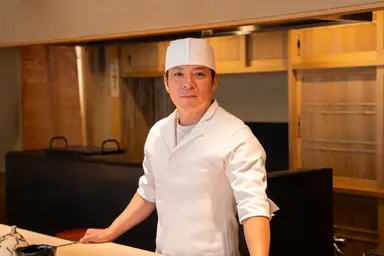
Chef Masao: Yes, my eldest and second sons alternate weekly between lunch and dinner shifts. I also work at the restaurant, but mostly in a supportive role, leaving the main responsibilities to them. Small nuances arise in how we cut ingredients, control oil temperature, and time the frying, so allowing each of them to handle the entire process is beneficial. We do not divide tasks and line up behind the counter with specific roles.
―――It must be reassuring to have both sons as chefs.
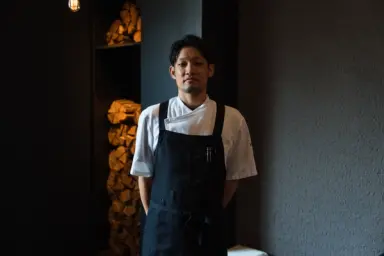
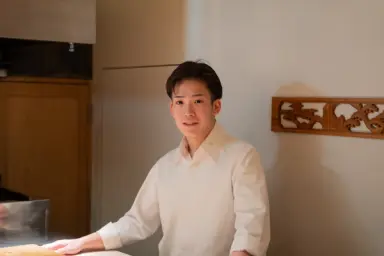
Chef Sumio: My older brother has been working with my father since 【Tempura Fukamachi】 opened. When my father left 【Yama-no-Ue Hotel】 after 34 years, my brother was training at a kaiseki restaurant in Tokyo, and I was still in high school. On his last day at Yama-no-Ue, my mother, sister, brother, and I went to dine there. Many regular customers came to see him off, and my father continued frying tempura at the counter until the end. It was a very moving experience. Although I hadn’t yet thought specifically about my future, that day I decided to follow in my father’s and brother’s footsteps and become a chef myself. After training at 【Yama-no-Ue Hotel】, I joined 【Tempura Fukamachi 】to work alongside them.
ーーーHow do you inherit knowledge and skills from your father, the head chef?
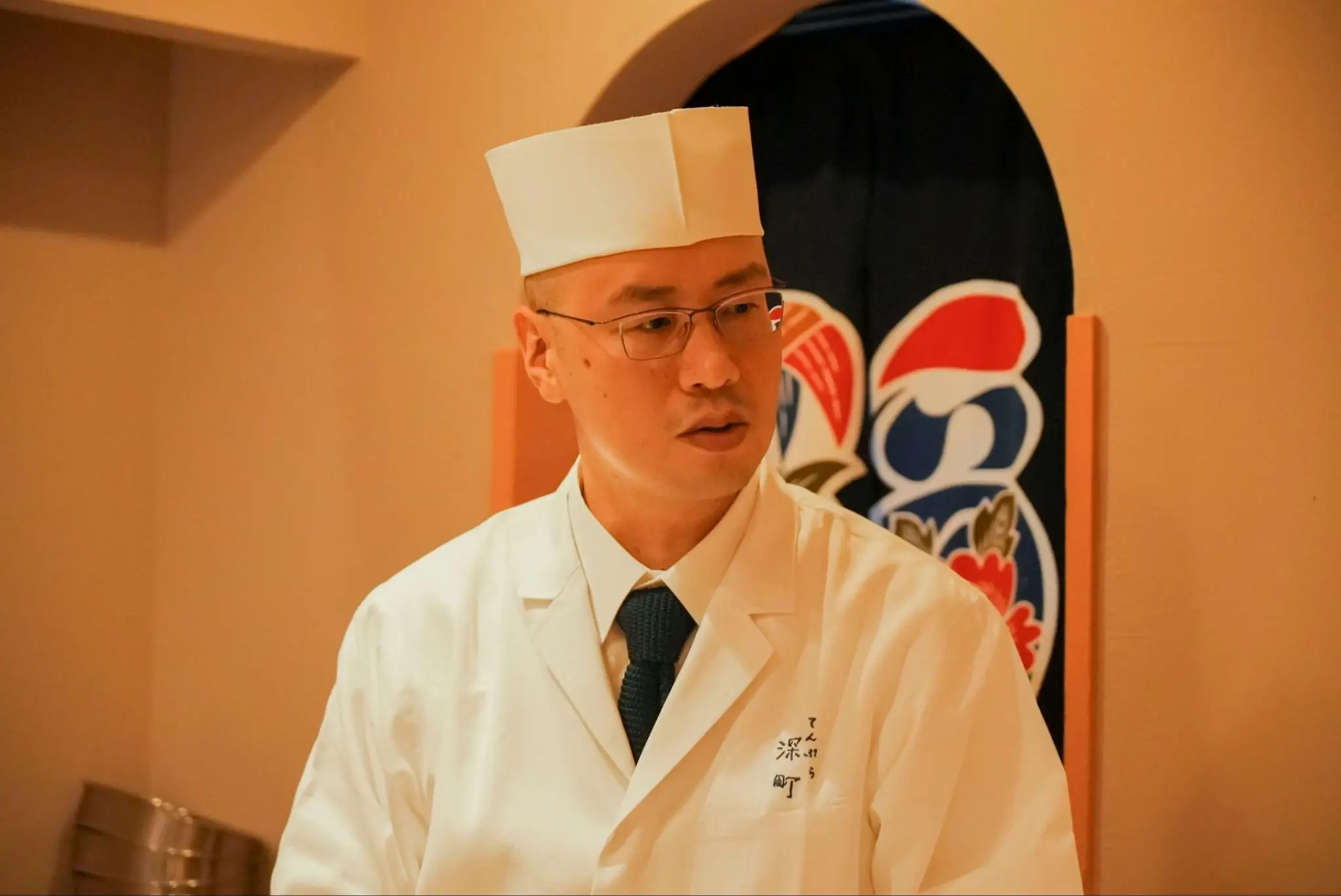
Chef Sumio: My father hasn’t given me specific instructions like “do it this way.” While I do ask questions when I have them, I primarily learn by observation. My father's tempura has a solid, well-defined style. At first, I tried to imitate it because it's the classic approach. I wanted to gain recognition from customers, to fry tempura like my father, and to hear them say, “You’ve started to resemble your father’s flavors”. However, his tempura encompasses 50 years of experience as a chef, all of his knowledge, skill, and passion—it's not something that can be easily replicated. (laughs)
Of course, I aim for higher standards, but there came a point when I suddenly realized I would never be my father. Even though we’re family working at the same restaurant, the tempura doesn’t turn out the same at all. The techniques, temperature settings, and subtle nuances are slightly different. Tempura truly reflects a person's aura and humanity. Over time, I’ve come to understand this, and when I find myself reflecting and feeling uncertain, it shifts to “searching for my own style”. This realization was more about what I learned from our customers than anything else. While my father is frying tempura, he doesn’t talk much. Each moment is critical in tempura-making. I've seen his dedication to serving delicious tempura, and I want to cherish that same focus while pursuing my own path.
Customer demographics reflect societal trends
ーーーWhat kind of customers visit your restaurant?
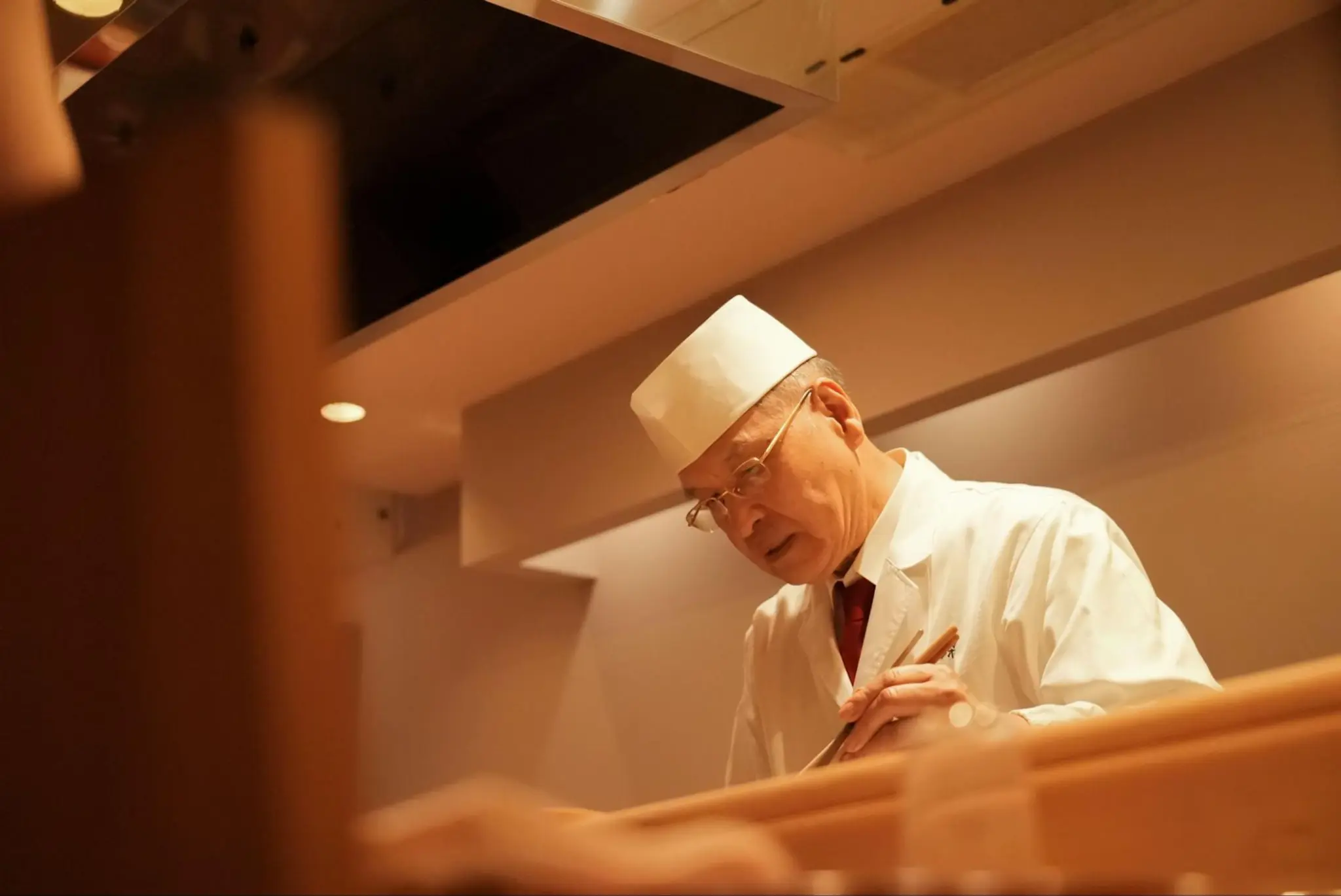
Chef Masao: Having been in this business for 56 years, I’ve seen how customer demographics change with the times. In the past, many of our guests were here for business entertainment, and the average age was likely higher than it is now. Since there are many pharmaceutical companies, hospitals, and large corporate headquarters around Ochanomizu and Kyobashi, we had a lot of medical professionals dining with us. After the bubble burst, and around ten years ago when the pharmaceutical industry started to discourage entertaining clients, we gradually saw an increase in international customers. It’s said that over 30 million tourists visit Japan each year now. This area is close to both Tokyo Station and Ginza, so the influx has been significant. Currently, during lunch and dinner, about 70% of our customers are foreigners, with only around 30% being Japanese.
Among the Japanese patrons, many are long-time regulars from the 【Yama-no-Ue Hotel】 days. Newer customers include those who love tempura and younger guests who have never been to a tempura specialty restaurant but are intrigued by our offerings through the internet and social media. It's interesting to see that many of our guests in their late 30s to 40s are young entrepreneurs, reflecting the changing times. We serve a wide range of customers, from those in their 20s to those in their 90s.
ーーーHow do inbound customers react?
Chef Sumio: We have a diverse range of visitors from different food cultures, so not everyone thinks tempura is "delicious!" While tempura is well-recognized as a Japanese dish, there are very few restaurants specializing in tempura overseas, and many international guests aren’t accustomed to eating it. This makes me curious about how those who are unfamiliar with tempura will react when they finally try it. To ensure they have a good experience and enjoy every bite, we return to the basics: using fresh oil, frying at the right temperature for each ingredient, and serving it in a well-drained state. When customers tell us “This is delicious!”, it reassures me that we’re on the right track with what we’ve been doing. I often learn a lot from our international customers as well.
Embracing innovation within tradition, without resisting the times
ーーーDo you have any upcoming challenges or aspirations?
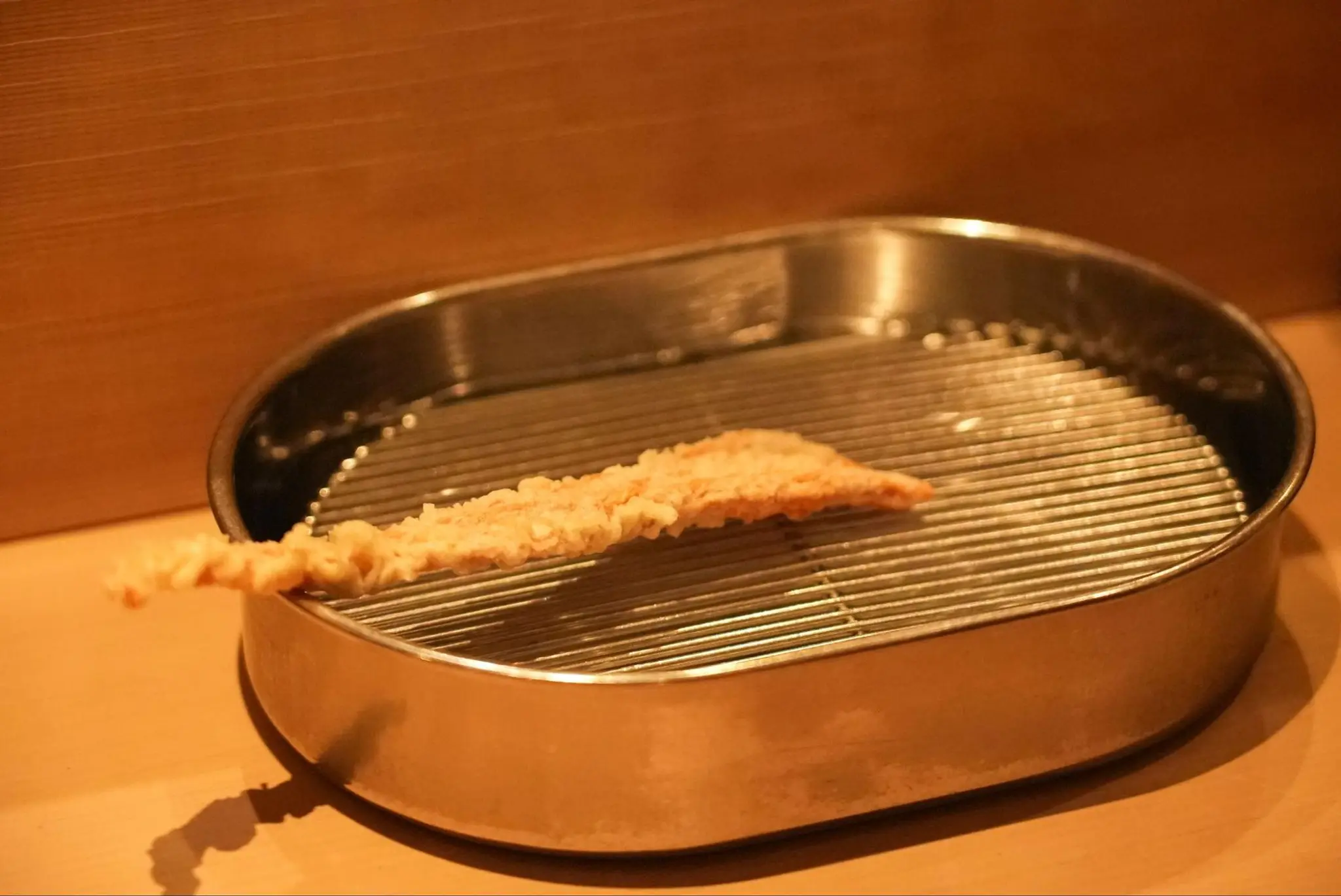
Chef Masao: The style of tempura has changed. People's preferences are changing. In the past, when we served shrimp tempura, depending on how well done it is fried, we’d hear complaints like, “This is raw!” But lately, more customers prefer it not to be cooked too much. Moreover, while it used to be said that tempura should be fried to a deep golden color rather than left white, I believe we can’t just cling to old traditions just because they are rooted in Edo culture. Tradition isn’t outdated; times change. Fashion evolves, and so do food trends. The people who live in this world, both customers and chefs, also change. I think we’ll continue to see this evolution. Even ingredients that were once easily obtainable are becoming harder to find. Our offerings will adapt alongside the changing thoughts and lifestyles of our customers. Occasionally, I have these conversations with our regular patrons.
Chef Sumio: Yes, our tempura has a traditional feel, but I want to further evolve it. While there aren’t many new ingredients specific to tempura, I aim to create new combinations within the system of tempura. For instance, I like to propose ideas like, “What if we combine these two ingredients for a kakiage?” There are still plenty of delicious ingredients in Japan. While we want to preserve the timeless goodness of traditional tempura, we also want to pursue an exciting evolution by adding a splash of color and creativity to our offerings.
―――What does "delicious" mean to both of you?
Chef Sumio: To me, "delicious" means something that leaves a strong impression or memory on the customer. It’s about making them think, “I want to eat this again.” If we don’t serve dishes that provide a sense of excitement or surprise, customers will eventually get bored.
Chef Masao: I agree. For me, "delicious" also means something that makes you want to eat it again. The sensation of "deliciousness" has been the same over the years, but I believe the preferences for what is considered delicious have changed with the times. Whether it's French, Italian, or Japanese cuisine, we are increasingly moving toward a more multicultural approach. While sushi and tempura may be a bit behind in becoming truly multicultural, customers are always seeking new experiences and asking, "What’s this?" I can’t say whether tempura will catch up with the multicultural trend, but we will continue to evolve by incorporating new elements. As chefs, our goal will always be to create dishes that make customers think, “I want to eat this here.”
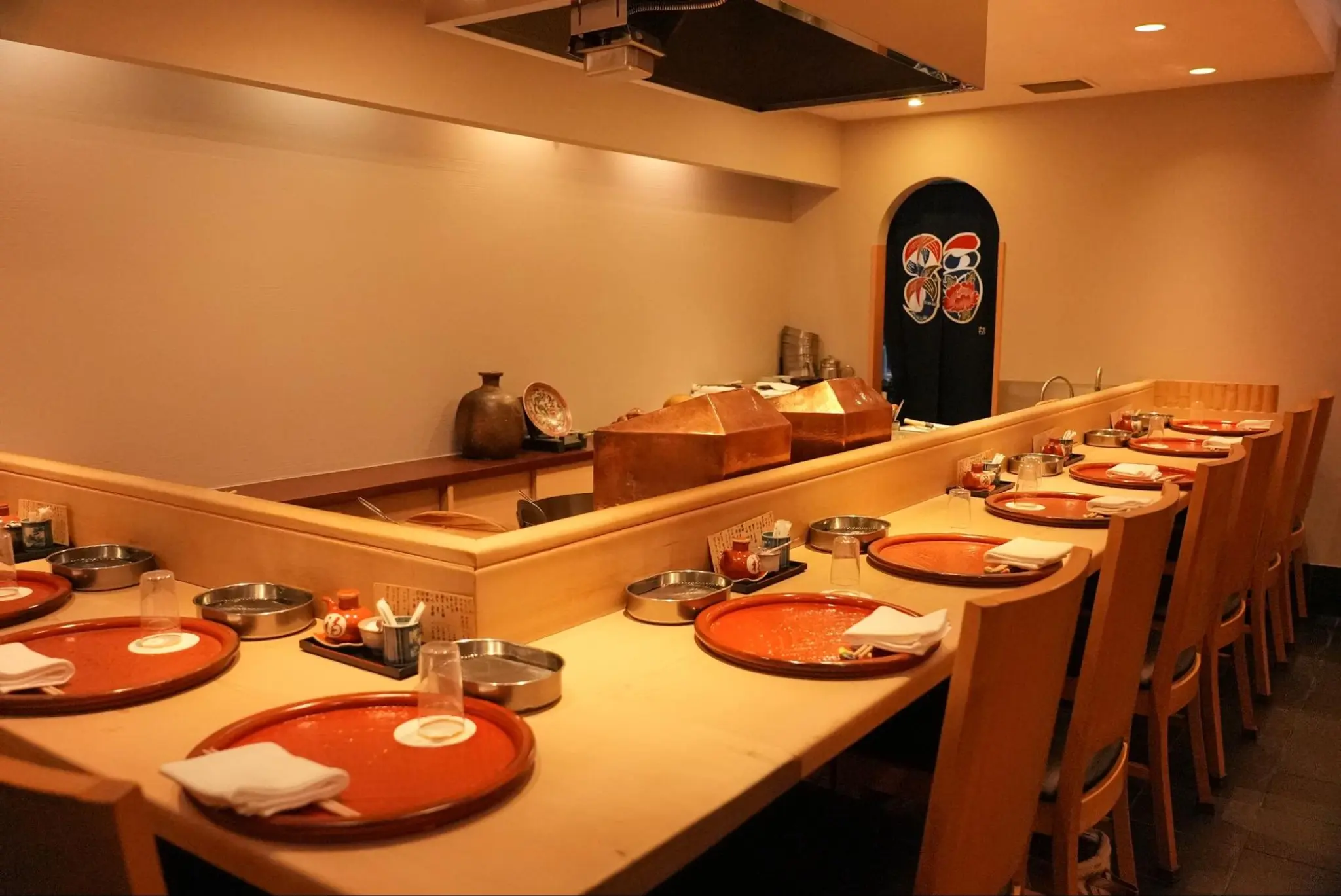
The origins of tempura are surrounded by various theories, but it has widely developed as a soul food for the common people during the Edo period. Today, "TENPURA" has become a universal language around the world. We look forward to experiencing the beautiful craftsmanship and dishes imbued with the spirit of the Fukamachi family, who are dedicated to preserving the culinary culture of Edo-style tempura in this ever-changing era.
Interview and Text: Yuri Yanagiya
Photography: Azusa Nakaoka
Restaurant Information
- AutoReserve Magazine
- Japan’s world-renowned flagship restaurant
- Pushing Tradition to Innovation: "Tempura Fukamachi" in Kyobashi, Upholding the Flavors of "Yama-no-Ue Hotel"