The Fusion of Nature and History in Nara: A New Culinary Culture Created by Chef Daiki Horita at 【VILLA COMMUNICO】
From a Chance Encounter to the Culinary Path: Drawn by the Joy of Cooking
ーーーPlease tell us what inspired you to become a chef.
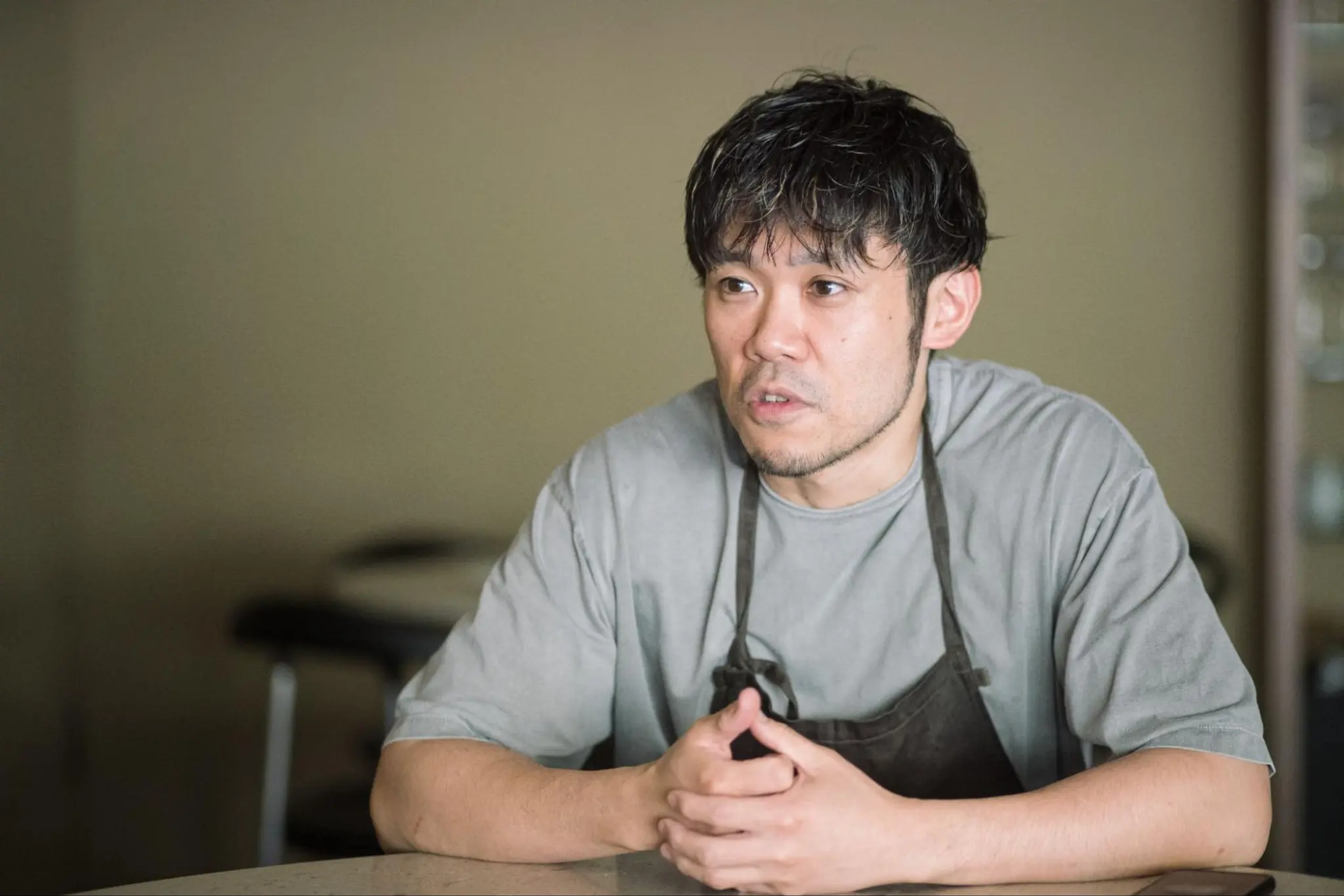
Actually, I never really considered becoming a chef. I hadn’t attended culinary school, and in university, I studied design and apparel, planning to enter that industry. However, during my university years, I worked part-time cooking at a restaurant, and I found it incredibly enjoyable. Cooking was fun, and the more I worked, the more I was drawn into the world of cuisine. When it came time to decide my path after graduation, I realized that to work in the apparel industry, I would need to go to a specialized school. On the other hand, the culinary world allowed me to enter the field directly and hone my skills while working. At that time, the TV show “Iron Chef” was very popular, and being a chef was seen as a cool profession. Watching that show, and above all, my genuine enjoyment of cooking work, became the trigger for me to pursue a career in cooking.
ーーーPlease tell us about the story leading up to opening your own restaurant.
After graduating from university, I went to Tuscany, Italy, to study Italian cuisine and language. Afterwards, I honed my skills at 【Il Sole】 in Bologna, acquiring authentic culinary techniques. I stayed in Italy for about a year, and immersing myself deeply in the local culture and cuisine was a valuable experience that helped solidify the foundation of my cooking.
After returning to Japan, I worked at several restaurants in Kyoto, but the last restaurant where I worked closed down, which led me to consider my next path. Even while I was in Italy, I had the desire to “start independently in my hometown, Nara,” and I decided to return to Nara at this turning point. After returning, I gained experience helping at a friend’s restaurant; however, it was a relatively casual establishment and somewhat different from the culinary style I aimed for. At that time, there were no restaurants in Nara that could be called “gastronomy,” which was the style I aspired to. About six months after I returned, a restaurant called 【i-lunga】 opened, and I was greatly inspired, thinking, “This kind of restaurant can be in Nara too.” I asked to work there and spent about four and a half years refining my skills, mainly in classic Italian cuisine.
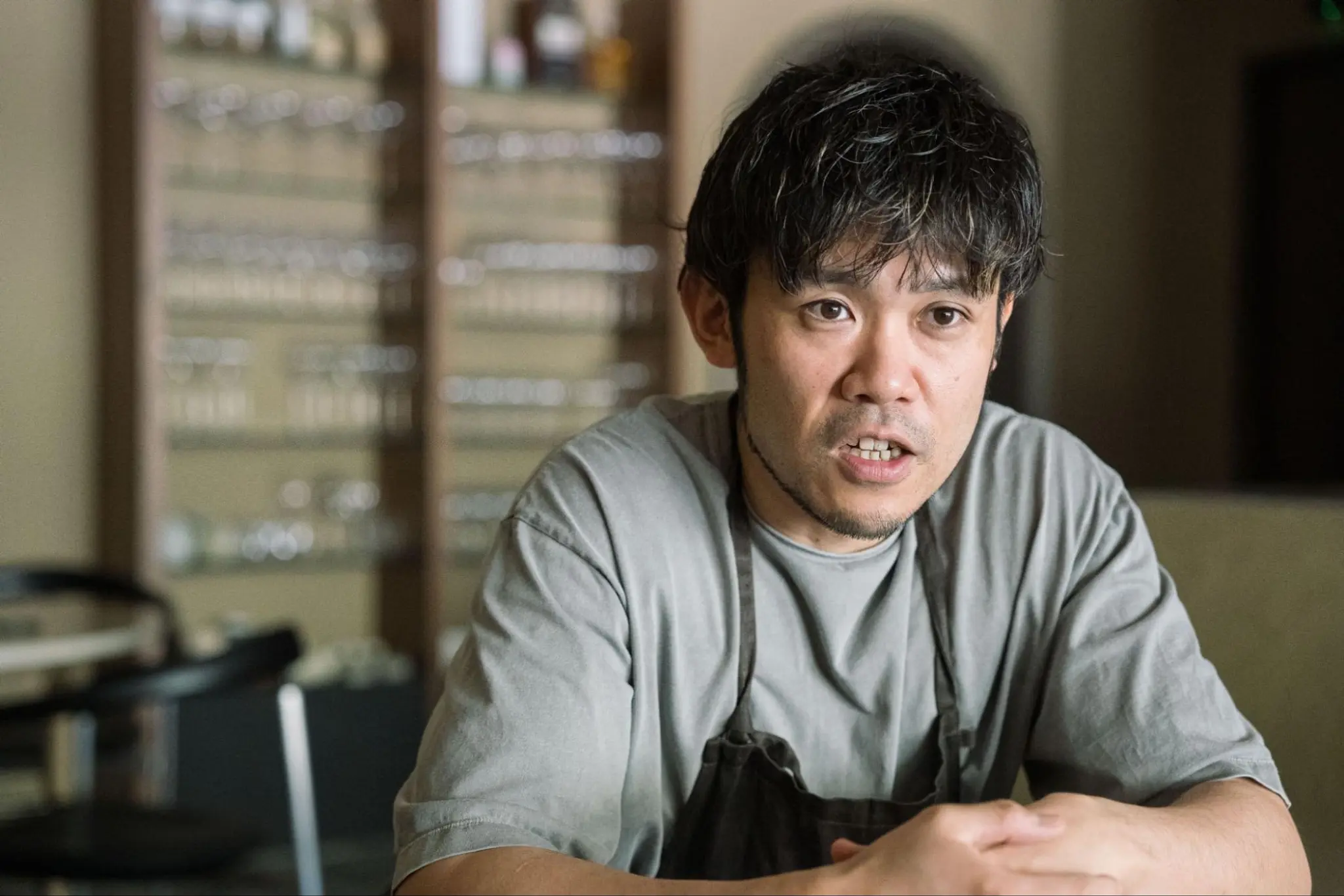
After resigning, I wanted to further broaden my culinary skills and learn modern cuisine and French techniques, so I spent one year gaining experience in French cooking at 【Lamberry Naoto Kishimoto】 in Kyoto. Through this training, I learned how to approach ingredients with a broader perspective, not limited to just Italian cuisine.
After that, Chef Kawashima, who operated the two-Michelin-starred 【akordu】 in Nara, offered me the opportunity to become the head chef at their Nara branch. I served as head chef at the branch restaurant 【Avalott's】 for about two and a half years. During this period, my preparations for independence became more concrete, and I was able to acquire the knowledge and experience necessary for restaurant management. Subsequently, by purchasing the 【Avalott's】 location, I opened 【communico】 in Higashi-Ikoma, Nara. I operated 【communico】 for about six years, establishing my own culinary style while making the most of Nara’s local ingredients. Then, as a new challenge, I received the opportunity to start 【VILLA COMMUNICO】, which brings us to the present day.
Embedding Nara’s Culture and History into Cuisine — The Inherited Memory of Fire
ーーーWhat prompted you to decide on this new challenge?
The previous restaurant was located near Osaka, where there was often demand for urban-style cuisine. Rather than focusing on utilizing local ingredients, the emphasis was on offering dishes preferred in metropolitan areas. While providing food to meet customer needs, I felt a sense of discomfort growing inside me, but at that time, I concentrated on creating the dishes that were requested. However, the cuisine I truly wanted to make was one rooted in the food culture of the land, and if it perfectly matched the place called Nara, I believed I could express the style of cooking I aimed for more fully.
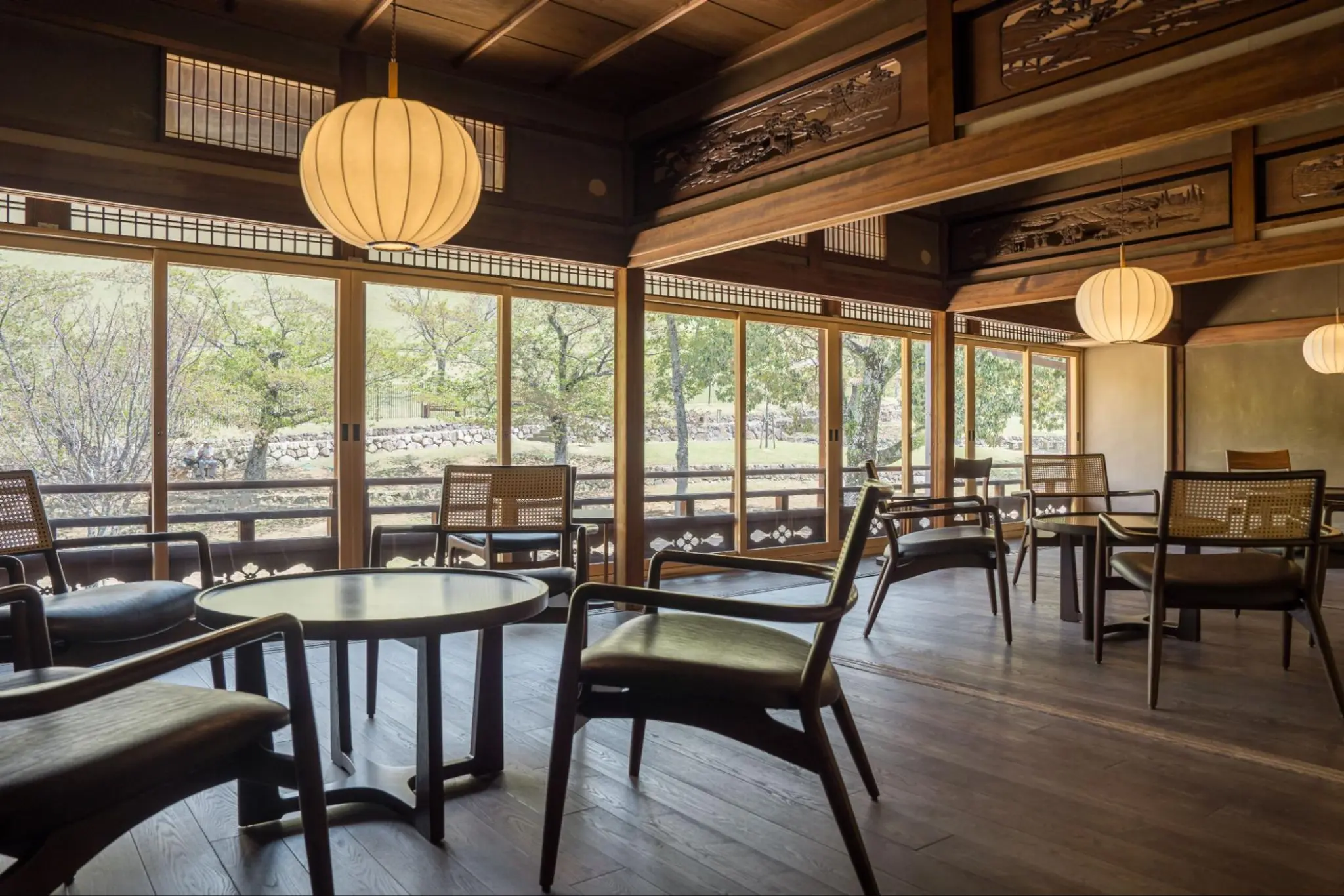
The current restaurant’s location strongly evokes a sense of “Nara-ness.” Not only locals but also many tourists come to dine here. In terms of allowing guests to enjoy their meals while feeling Nara’s culture, I felt this was a place where I could truly express the cuisine I aspire to create.
ーーーPlease tell us about your approach and philosophy toward cooking.
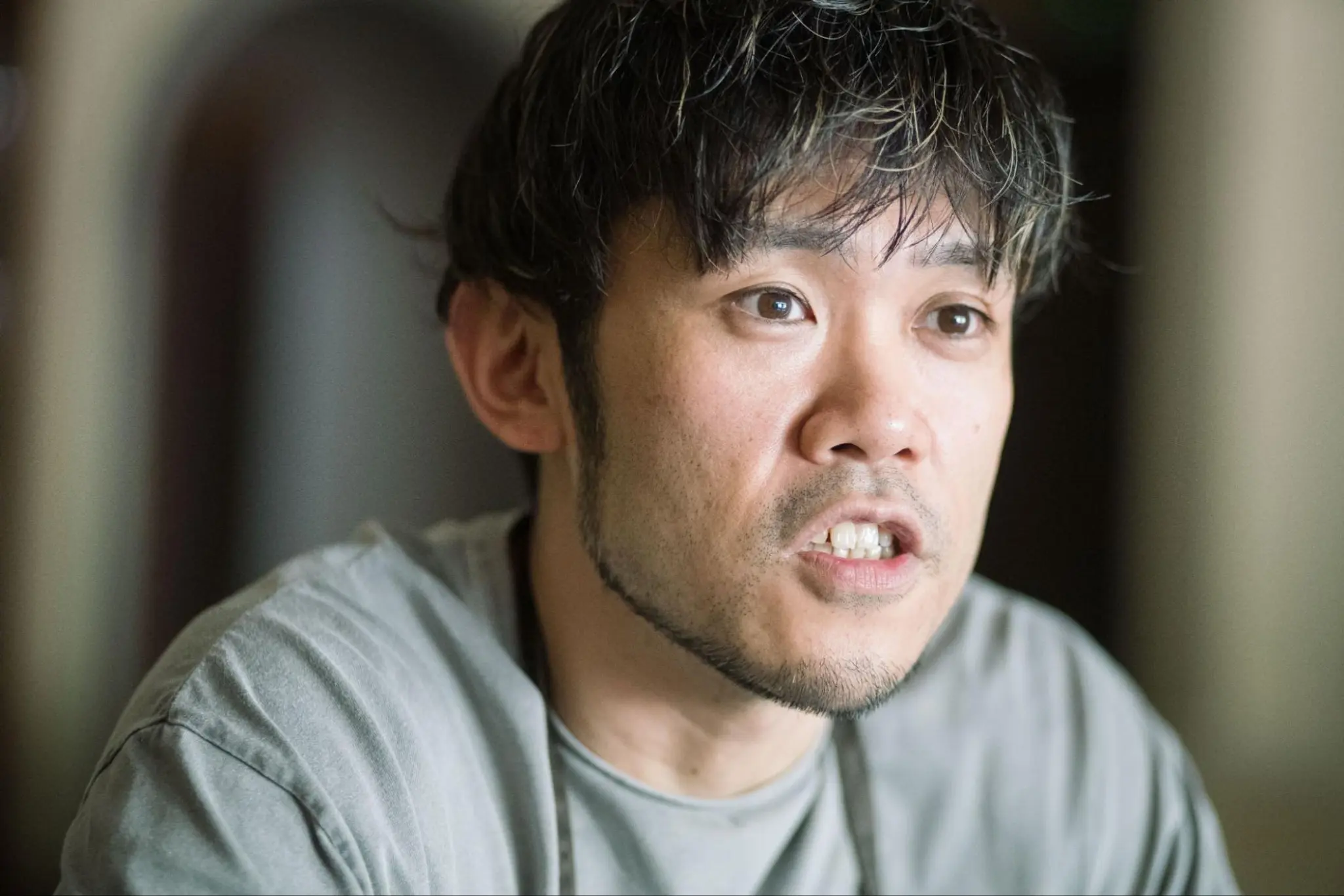
For me, it's not just about serving food to guests—I place great importance on the concept of "gastronomy," which involves allowing people to feel the story behind the ingredients and consider the environment in which the food is experienced.
Gastronomy refers to a holistic experience that encompasses not only cooking techniques and flavors, but also the tableware, the ambiance, and the location. It’s not just what is on the plate, but the setting in which it’s eaten that plays a crucial role in determining the value of the meal. Furthermore, cuisine is deeply intertwined with the culture and history of the land. As someone born and raised in Nara, I believe that when operating a restaurant in this area as a chef, it’s important to reflect Nara’s cultural and historical essence through the food and its presentation. I also believe that expressing “who we are” through cuisine is directly tied to establishing our identity as chefs.
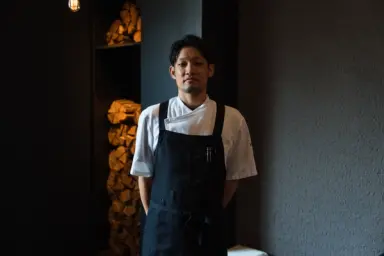
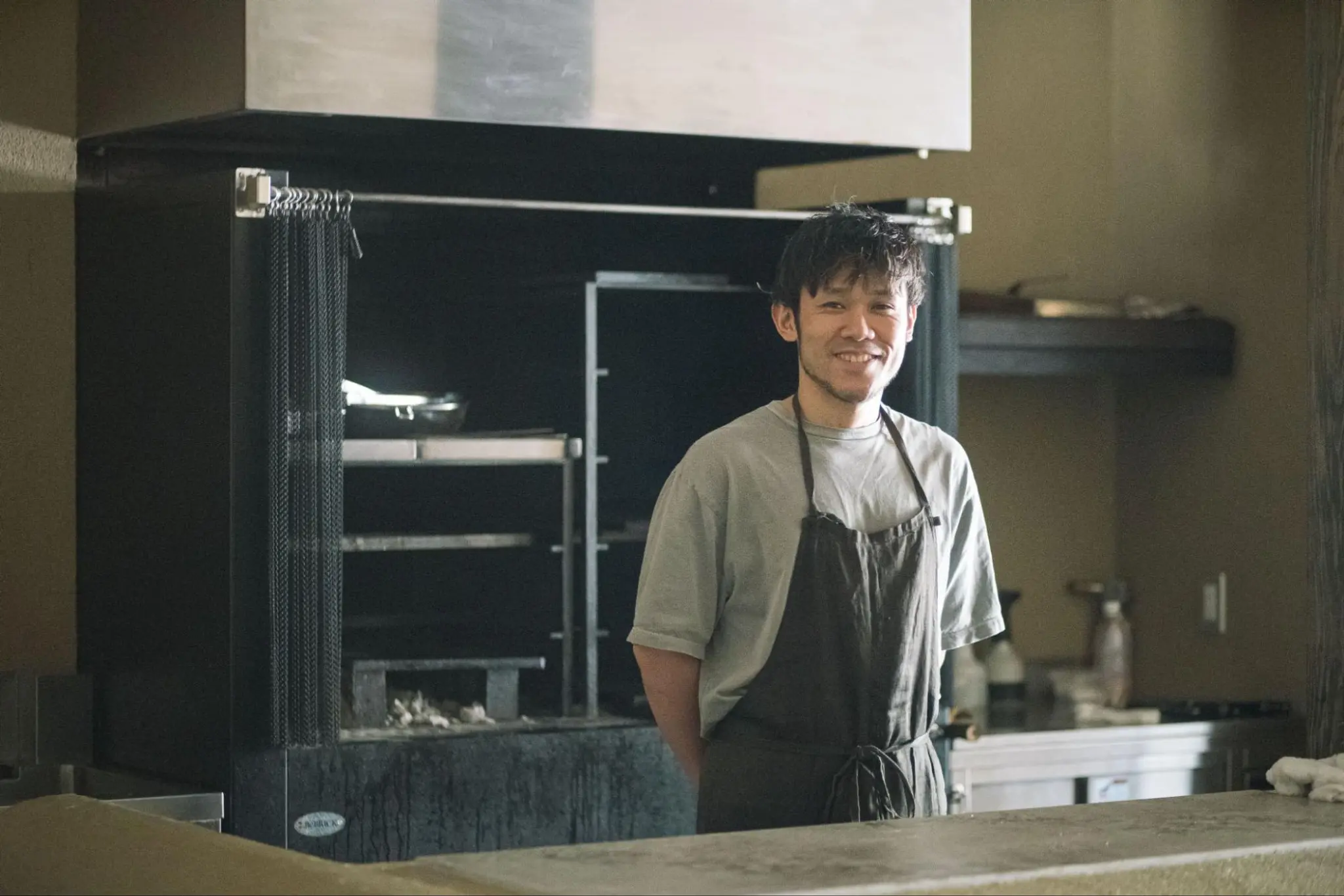
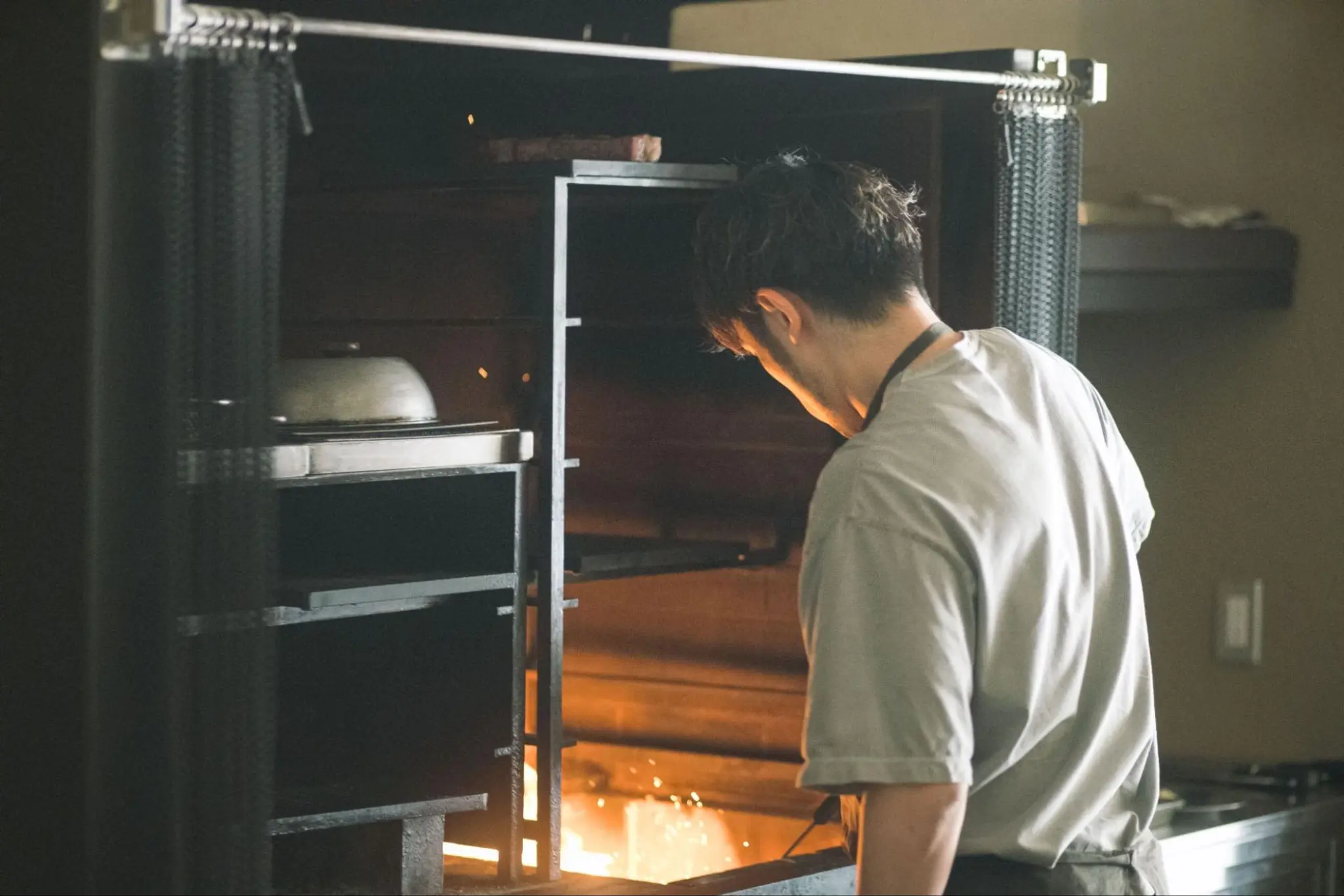
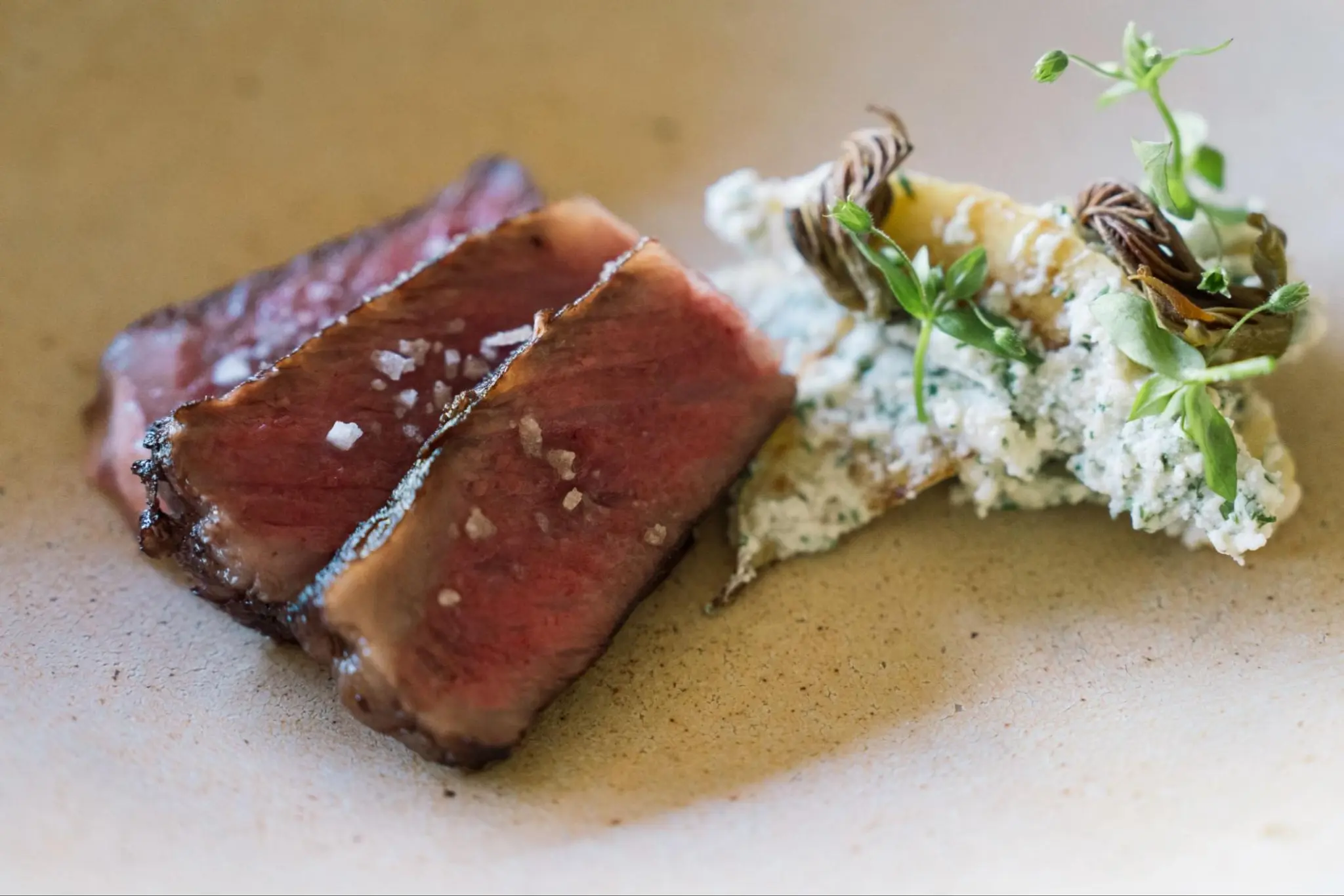
At our restaurant, we use wood fire extensively in our cooking. In Nara, there are traditional rituals involving fire—such as the Yamayaki (mountain burning) and Omizutori (water-drawing ceremony)—that are deeply rooted in the region’s spiritual and cultural heritage. I feel that wood-fire cooking is closely connected to this land’s history and culture.【VILLA COMMUNICO】 is located in an area with Mount Wakakusa stretching out in front of it, and the Nigatsu-dō Hall of Tōdai-ji Temple just nearby, where many of these traditional rituals take place. When I first saw this landscape, I instinctively felt that “creating cuisine with wood fire here fits perfectly with the story of this land.” As I pursue a culinary style that harmonizes with Nara’s history and culture, I make it a priority to use simple cooking techniques that bring out the natural flavors of the ingredients to their fullest.
ーーーWhat is the charm of wood-fire cooking?
Wood-fire cooking, while being the most primitive method of cooking, has the unique charm of drawing out the true essence of ingredients and delivering their flavors to guests in a more direct manner. This simple yet powerful cooking technique underpins the core of the cuisine I strive to create. In addition, my experiences in Spain’s Basque Country have also influenced my current cooking. By learning from local chefs about how to use wood fire and their approach to cooking—and by incorporating these insights into my own cuisine—I have been able to further enhance the appeal of Nara’s local ingredients.
A Culinary Exploration—A Dish Woven from Ingredients and Culture
ーーーCould you tell us about your commitment to selecting ingredients?
When cooking in Nara, utilizing local ingredients is a natural choice, but I do not choose them simply because they are rare or from Nara. Even among ingredients that originate from the same region, different producers have varying philosophies and commitments. I choose ingredients that make me think, “I want to use what this producer has created.” Even for ingredients sourced from outside Nara Prefecture, if they come from producers whose approach I admire, I actively incorporate them into my dishes and express them through my cooking.
ーーーPlease tell us about the characteristics of your cuisine.
When I create a dish, the first thing that comes to mind is the ingredient itself. My starting point is always the question: “How can I make this ingredient taste its absolute best?” The ideas for my dishes are built on layers of knowledge and experience—not about gathering ingredients for a specific dish, but about observing what’s in front of me and developing combinations from there. For example, when using bamboo shoots in spring, I experiment and reflect on “how to prepare them to bring out their best flavor.” The process of exploring how to draw out an ingredient’s potential and maximize its appeal is the most important element in my approach to cooking.
For me, it's not just about pursuing deliciousness—what’s equally important is that the person eating the dish feels a sense of joy or discovery. Sometimes my dishes are noted for their interesting ingredient combinations, but I’m not trying to create something eccentric. Rather, I focus on delivering a “subtle sense of unfamiliarity.”
A dish that makes someone think, “This tastes familiar, but there’s something different,” tends to stay in their memory and enriches the dining experience. I aim to not only bring out the full flavor of the ingredients but also to offer a fresh sense of surprise—creating cuisine that leaves a lasting impression.
ーーーWhat do you value most when creating your dishes?
I aim to create cuisine that leaves a lasting impression—not as something that’s simply consumed, but as an experience in itself. I believe that truly meaningful dishes are not only defined by technique or flavor, but also by the story behind the ingredients and the chef’s identity, all of which should be felt through the plate.
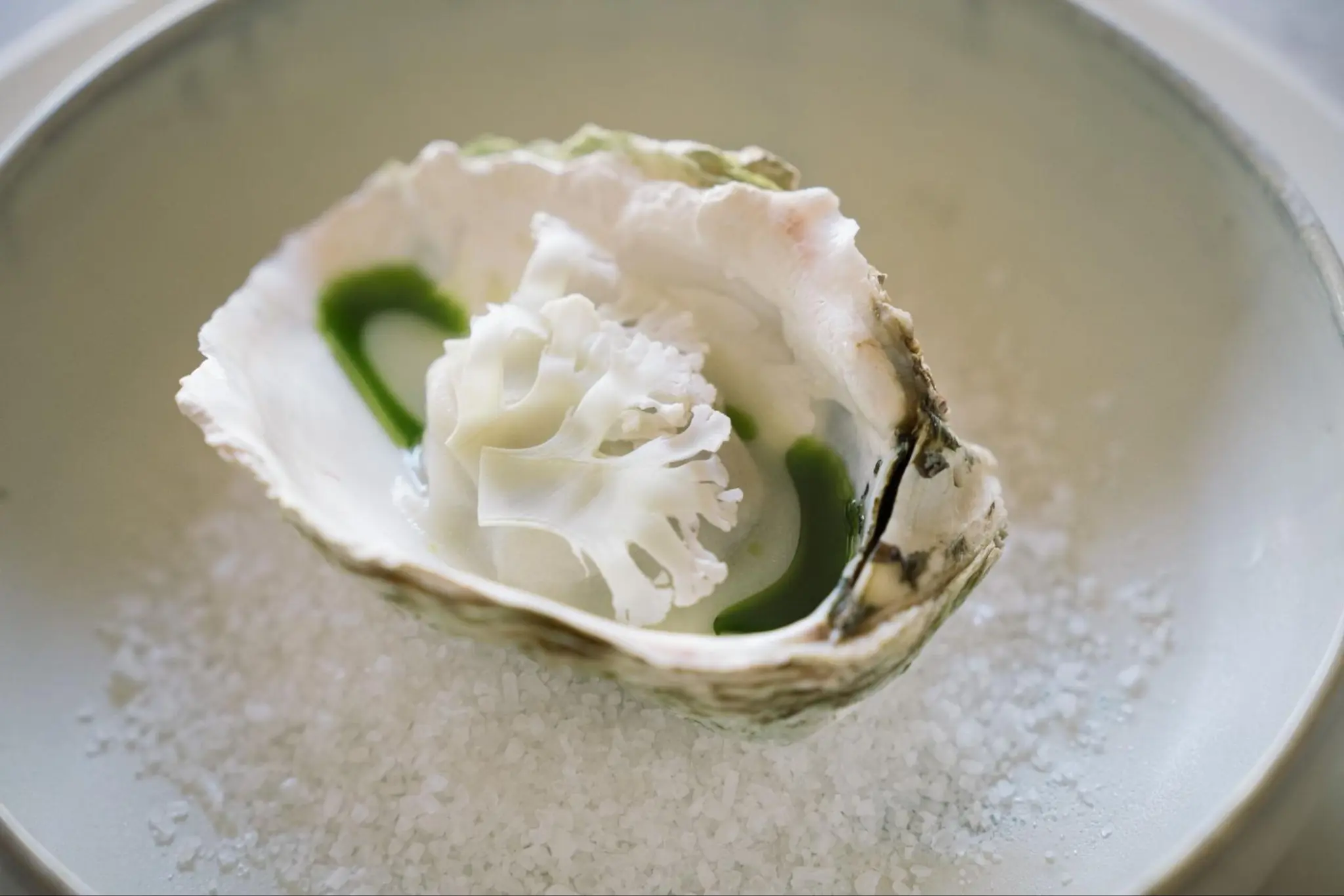
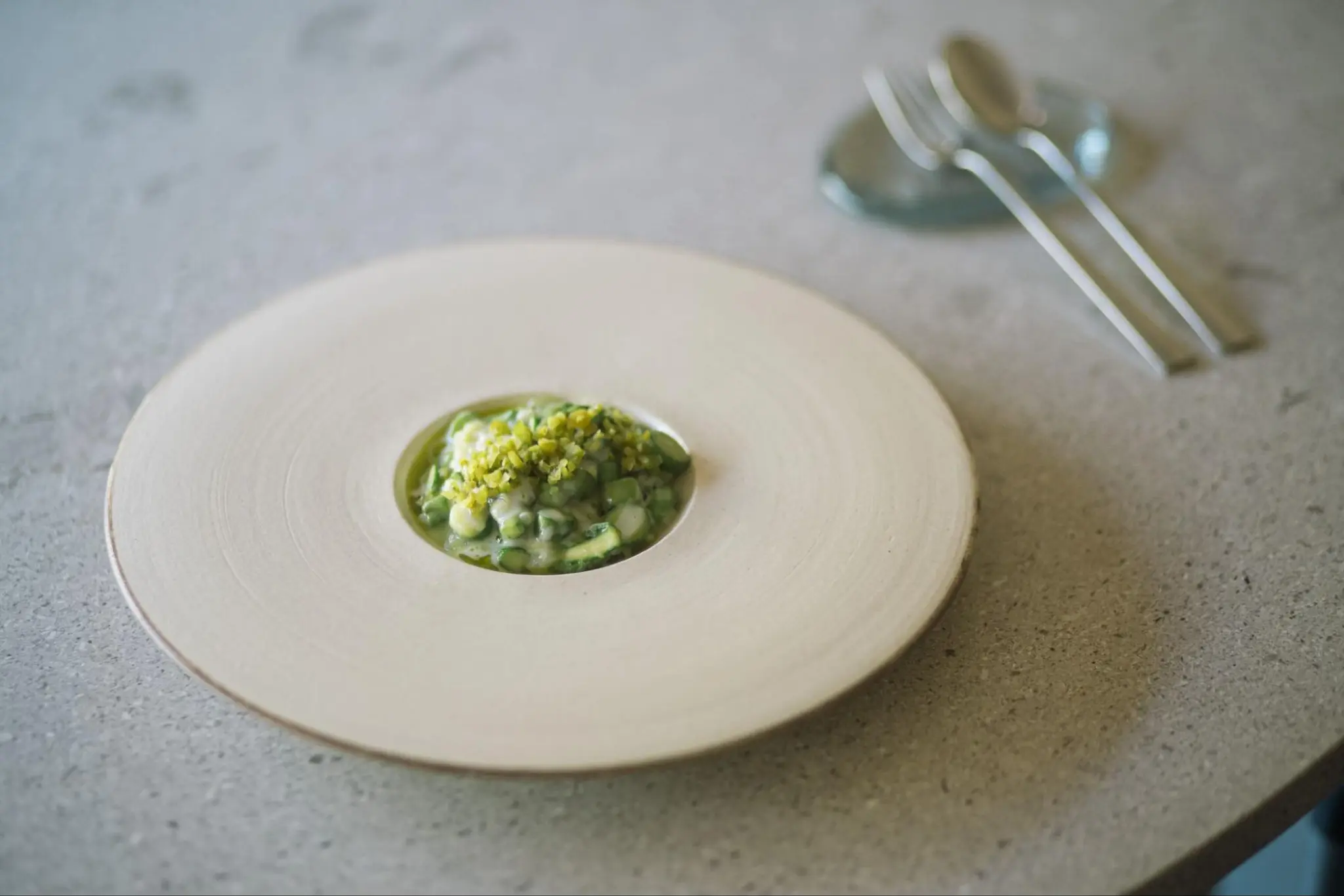
Since I began cooking in Nara, I’ve become even more conscious of honoring the essence of each ingredient. It’s important that guests can clearly recognize what they are eating. I want each ingredient to take center stage and for its appeal to be directly conveyed to the diner. Ideally, I want my dishes to clearly communicate “what is delicious” without over-processing or over-combining elements. If I use oysters, I want to highlight the inherent deliciousness of oysters. If I use asparagus, I focus on bringing out the best in asparagus. I strive to maximize the natural flavor of each ingredient, allowing its essence to shine through.
A Challenge Toward the Future—Expanding the Possibilities of Cuisine
ーーーPlease share your vision and what you hope to take on in the future.
As a chef, I’m deeply interested in passing down the techniques and knowledge I’ve accumulated to the next generation. I believe it’s essential to create an environment where young chefs can thrive in the industry.
In today’s culinary world, labor shortages are a growing concern, and it’s becoming increasingly difficult to pass on skills and expertise. However, I’m grateful that there are young chefs who express a desire to work at my restaurant, and this has only strengthened my commitment to creating a place where I can work alongside them and contribute to the future of our profession.
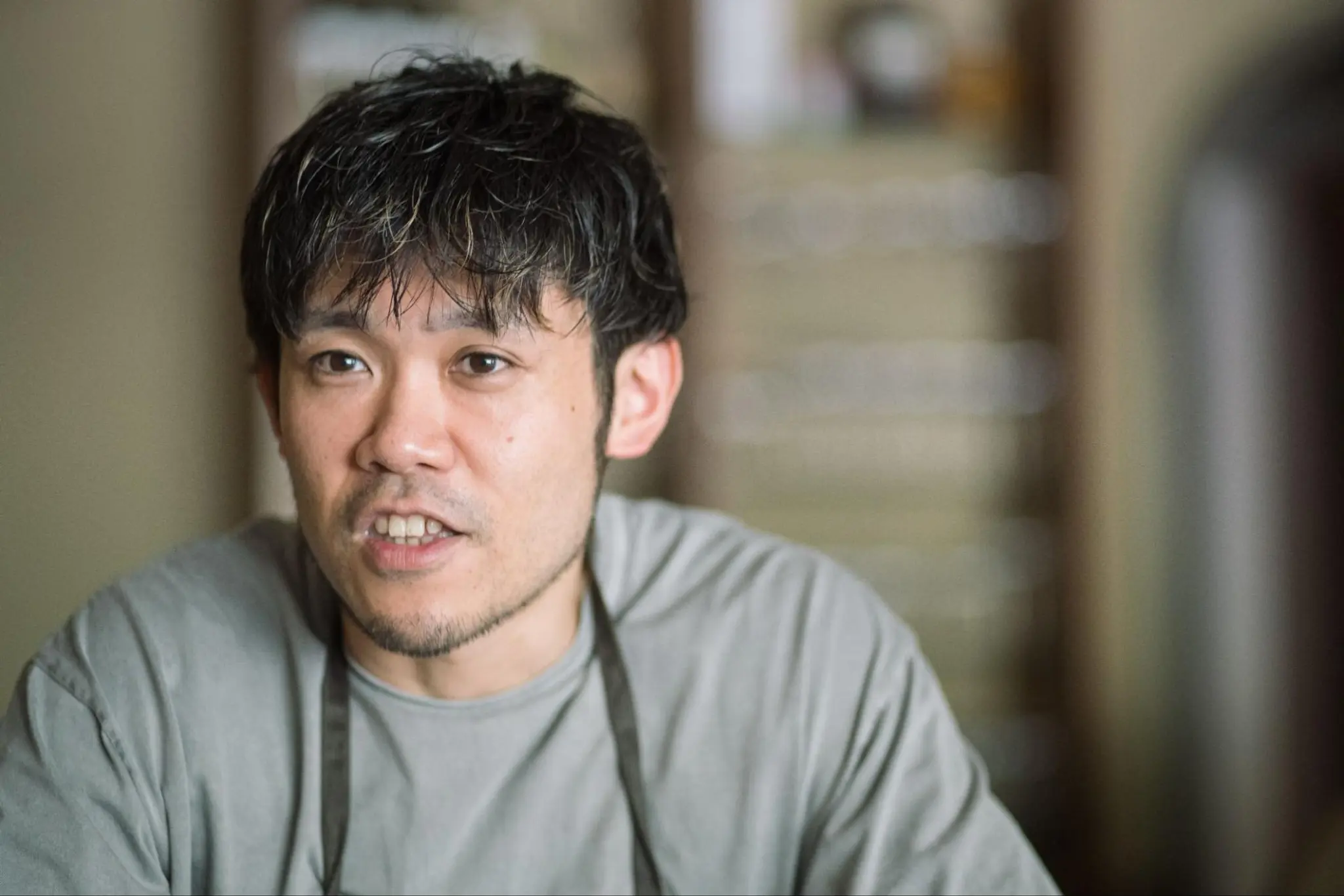
In the culinary world, improving one’s technique is of course, essential—but the environment in which one works is equally important. I myself went through many different experiences when I was younger, and I believe that being in a supportive environment can greatly accelerate a chef’s growth. I want this restaurant to serve as a solid stepping stone that helps young chefs move on to the next stage in their careers.
To create a meaningful environment where young chefs can find purpose in working here, it’s also important to gain recognition within the food industry. In order to build a higher and more effective stepping stone, I intend to actively pursue accolades such as Michelin stars and other restaurant rankings. Receiving such recognition not only boosts visibility but also enhances the value of the restaurant as a brand. Of course, the most important thing is to carry out the day-to-day work with diligence as a chef. But I also want to maintain a conscious mindset of continuously striving for excellence, so that our efforts naturally lead to recognition.
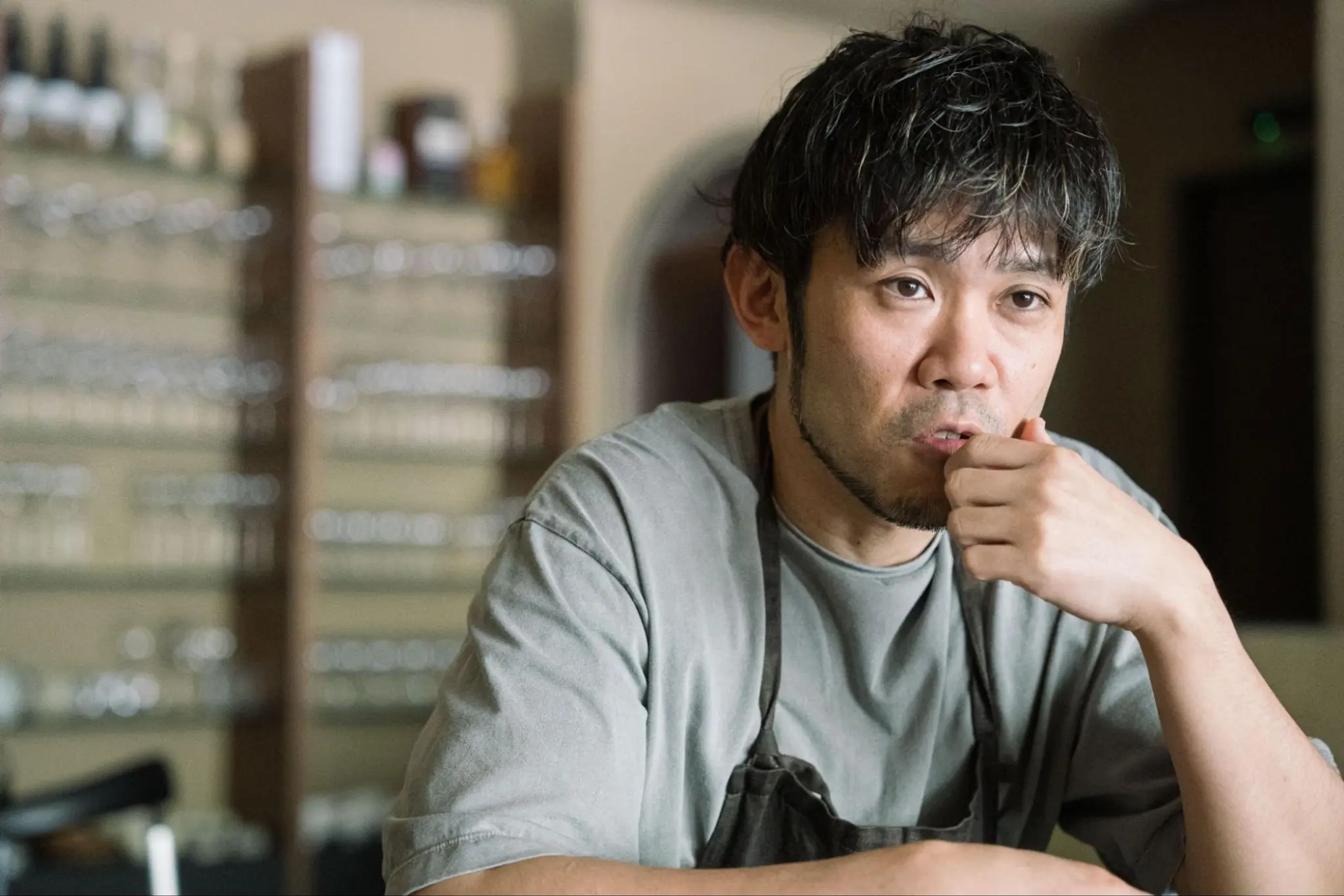
ーーーLastly, what does “delicious” mean to you, Chef Horita?
I believe it’s something deeply rooted in each person’s memories and experiences. When a dish evokes a sense of nostalgia while also delivering a pleasant surprise, that’s when a deeper sense of “delicious” truly emerges. For example, people often find food more delicious when it reminds them of something they ate in childhood. That’s because the story and experiences surrounding that food play a powerful role.
When coming up with ideas for dishes, I’m always mindful of how much I can touch upon the guests’ own memories of what they find delicious. Rather than creating something eccentric, I aim to add a touch of surprise or variation to a familiar flavor—so that the guest might think, “This is different somehow, but it’s delicious.”
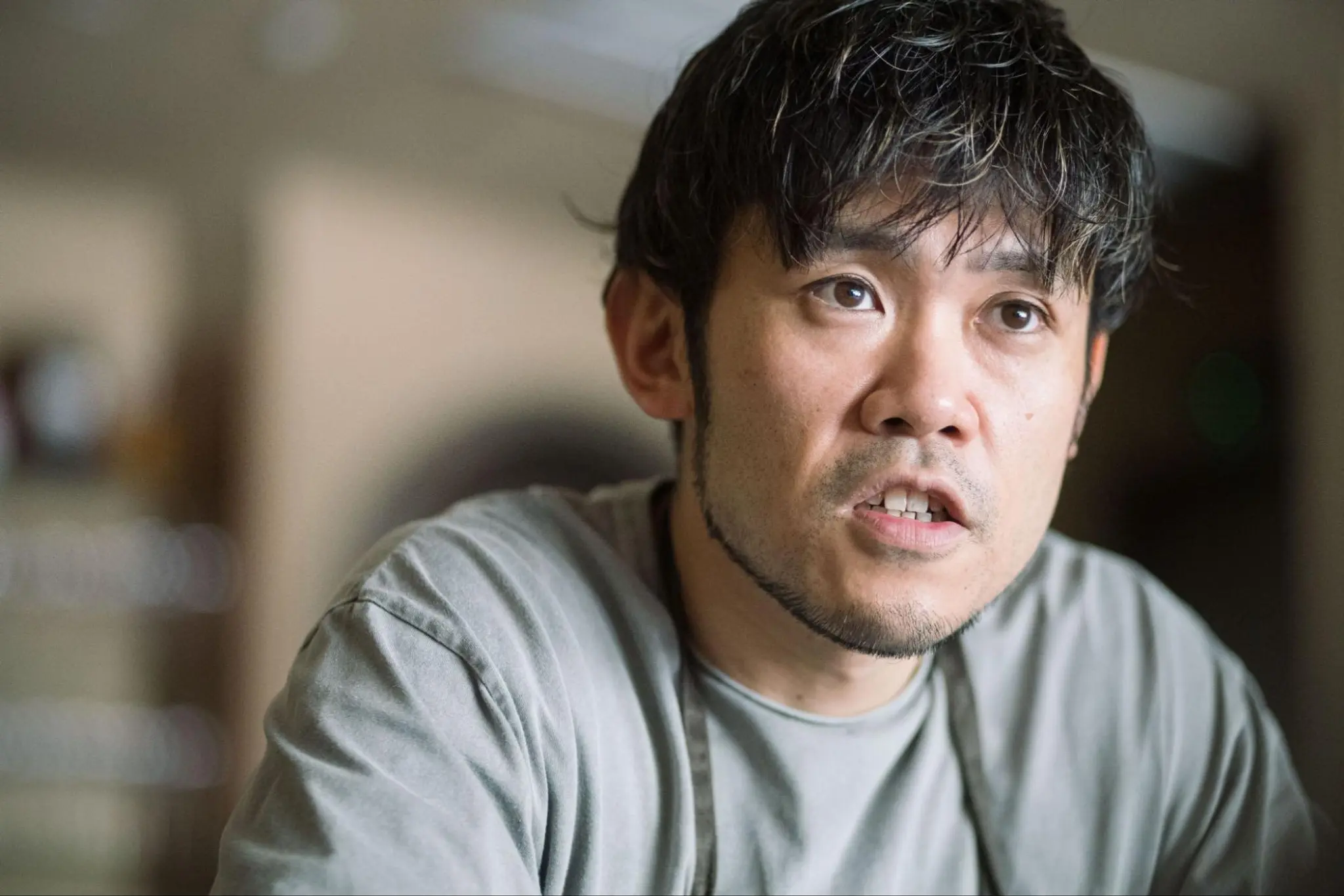
Of course, there are certain universal standards for what people perceive as “delicious.” Elements like texture, flavor balance, temperature, and aroma combinations provide a sense of comfort that appeals to almost everyone. However, by introducing just a hint of unfamiliarity or an unexpected element into a dish, it becomes more memorable.
What I aim for is to gently touch the emotional chords of my guests’ memories while creating a sensation of “something slightly different.” That subtle sense of discomfort—or “noise”—can become a pleasant surprise, making the dish linger in their memory and turn the meal into a truly special and deeply etched experience.
At 【VILLA COMMUNICO】, crafted by Chef Daiki Horita, the goal is to reflect the deep-rooted history and cultural heritage of Nara through cuisine. By skillfully harnessing the power of wood fire, Chef Horita draws out the full potential of each ingredient, delivering dishes that surprise and delight with their exceptional sense of balance. His creations, enveloped in the gentle aroma of burning wood that fills the dining space, are at once simple and profound—embodying both strength and a certain ephemerality. Each dish feels like something “familiar yet new,” and from the very first bite, it’s as if the ingredients themselves begin to speak. The dining experience here transcends the act of eating—it becomes a moment of connection with the blessings of the land.
Interview and Text by: Ai the Food Analyst (Maiko Tanahashi)
Photography by: Masato Suzuki
Restaurant Information
- AutoReserve Magazine
- The hottest new shop right now
- The Fusion of Nature and History in Nara: A New Culinary Culture Created by Chef Daiki Horita at 【VILLA COMMUNICO】