¿Qué es Ibaraki?: Bordered by the Pacific and nourished by fertile plains, Ibaraki offers a dining landscape where coastal seafood and farmland produce meet. Winter brings hearty tastes such as ankō (monkfish) hotpot, while markets and casual eateries highlight clams, river fish from lake areas, and crisp lotus root. Sweet potatoes appear in beloved dried forms, melons and chestnuts mark the seasons, and Hitachi beef can be found at venues that focus on regional ingredients. Mito’s natto stands as a symbol of local fermentation culture, and breweries and makers often highlight rice, koji, and water from nearby sources. Stories often link the Mito domain’s encouragement of soybean cultivation with the evolution of these traditions. From family-run diners to contemporary kitchens and cafes that reinterpret classics, travelers encounter menus shaped by proximity to fields and sea. Tasting routes that connect farms, fishing ports, and workshops are being discussed, inviting unhurried exploration across the prefecture.
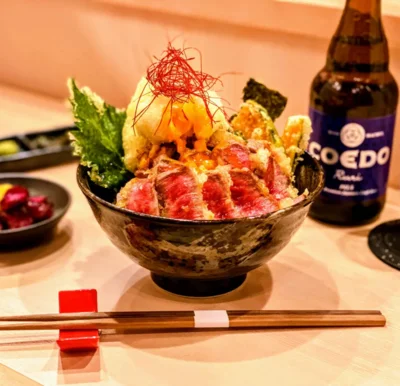
¿Qué es Tempura?: Tempura highlights the pleasure of batter and oil handled with restraint and precision. Diners often encounter prawns, white fish, squid, and seasonal vegetables lightly coated in a chilled batter and fried at a high temperature, yielding a crisp shell with tender textures inside. The experience frequently centers on timing: pieces arrive moments after leaving the fryer, inviting a relaxed pace as each bite is enjoyed while hot. Condiments such as tentsuyu with grated daikon, sea salt, or matcha salt offer contrasting accents. Menus may feature a counter service where items are presented one by one, mixed assortments for sharing, or pairings with rice and noodles like tendon, tempura soba, and udon. Variations in oil blends, batter thickness, and cut size create distinct aromas, sounds, and textures—from a gentle crackle to a lively sizzle—encouraging guests to compare nuances across ingredients and styles.




.jpg?format=webp)


.jpg?format=webp)



