Qu’est-ce que préfecture d’Ōita ?: Oita in Japan offers a dining scene shaped by hot-spring towns, fertile mountains, and rich coastal waters. Menus often highlight seasonal seafood such as seki-aji and seki-saba from nearby straits, along with Bungo beef, fragrant kabosu citrus, and meaty shiitake. Local comfort dishes include toriten, karaage, and hearty dango-jiru, while izakaya and counter spots serve simple plates that pair well with regional drinks. In onsen neighborhoods, cooks make use of natural steam to prepare “jigoku-mushi,” a method that reflects everyday life around communal baths and gives ingredients a clean, delicate finish. Craftspeople also draw on charcoal grilling and traditional koji to bring depth to sauces and preserved foods. Whether you seek a refined kaiseki sequence or a quick bowl brimming with coastal flavor, the area presents varied, welcoming options that allow travelers to explore Oita’s distinct food culture at a comfortable pace.
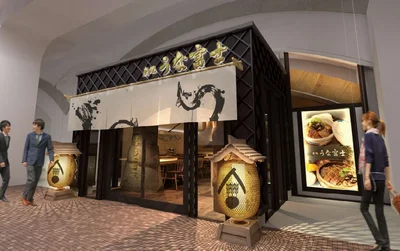
Qu’est-ce que Eel ?: Eel-focused restaurants highlight the pleasure of slow grilling over charcoal, where glossy tare lends a gentle sweetness and sheen while the skin turns lightly crisp and the flesh stays tender. Many menus feature kabayaki alongside salt-grilled fillets, and some kitchens employ a steam-then-grill method to emphasize a delicate texture. Bowls and lacquered boxes of eel over rice are common, as are regional styles that invite multiple ways to eat in one sitting. Diners may encounter white-grilled cuts seasoned simply, omelets rolled around eel, or a clear broth made with the liver. The counter often showcases the sizzle and aroma from the grill, shaping a dining experience that balances smoke, sauce, and craftsmanship. Attention to butchery, skewering, and precise heat control is central to the appeal, with small side dishes and pickles rounding out a meal that favors nuance and measured richness.


.jpg?format=webp)

.jpg?format=webp)



.jpg?format=webp)


.jpg?format=webp)






