Che cosa è Gunma?: Gunma is a landlocked prefecture where mountains, rivers, and well-known hot spring towns shape a dining culture that leans into warmth and hearty flavors. Wheat fields and cool highlands support a noodle tradition: visitors often encounter Mizusawa udon, flat noodle stews like okkirikomi, and shops highlighting locally raised pork or Joshu beef. Sweet bites such as yakimanju and onsen manju appear alongside skewers, casual izakaya fare, and regional vegetables, including konjac and seasonal greens from the uplands. Markets and roadside stations showcase preserves, pickles, and freshly made snacks that travel well. In onsen areas, multi-course meals emphasize seasonal produce and clear mountain water, echoed in local sake. A legacy tied to the silk industry and later manufacturing introduced outside influences early on, and that openness still surfaces in bakeries, diners, and family-run eateries. Across the year, menus shift with the climate, offering comforting stews in winter and refreshing noodles in summer.
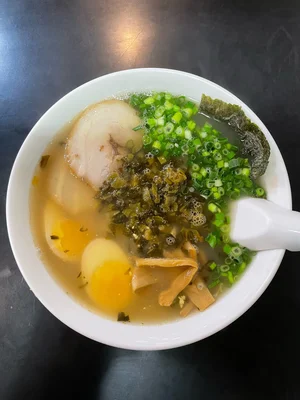
Che cosa è Ramen?: Ramen celebrates the harmony of broth, noodles, and toppings, offering a bowl that can feel comforting or bold depending on the style. Common broths include shoyu, shio, miso, and pork bone, often slow-simmered to draw out layered flavors, then balanced with a house tare and fragrant oils. Noodles range from ultra-thin to springy, curly strands, with firmness typically made to order to suit personal preferences. Toppings such as chashu pork, seasoned egg, menma bamboo shoots, nori, and scallions add aroma, texture, and contrast. Many shops feature an open kitchen and counter seating, where the pace is lively and the final assembly happens in view. Whether you gravitate toward a light, clear soup or a richer, opaque broth, the category invites exploration through regional styles, limited specials, and subtle variations in seasoning. The result is a customizable dining experience centered on balance, warmth, and satisfying slurpability.
.jpg?format=webp)
.jpg?format=webp)
.jpg?format=webp)
.jpg?format=webp)
.jpg?format=webp)


.jpg?format=webp)
.png?format=webp)


.jpg?format=webp)

.jpeg?format=webp)
.jpg?format=webp)


.jpg?format=webp)

.jpg?format=webp)
.jpg?format=webp)

.jpg?format=webp)
.jpg?format=webp)
.jpg?format=webp)


.png?format=webp)
.png?format=webp)
.png?format=webp)
.png?format=webp)

.jpg?format=webp)
.jpg?format=webp)
.jpg?format=webp)
.jpg?format=webp)
.jpg?format=webp)
.jpg?format=webp)
.png?format=webp)
.png?format=webp)
.jpg?format=webp)
.png?format=webp)
.png?format=webp)
.png?format=webp)
.JPG?format=webp)
.png?format=webp)
.png?format=webp)
.jpg?format=webp)
.jpg?format=webp)
.jpg?format=webp)
.jpg?format=webp)

.jpg?format=webp)
.png?format=webp)
.jpg?format=webp)
.png?format=webp)
.jpg?format=webp)
.jpg?format=webp)
.jpg?format=webp)
.jpg?format=webp)
.jpg?format=webp)
.jpg?format=webp)
.jpg?format=webp)
.jpg?format=webp)
.png?format=webp)
.jpg?format=webp)
.jpg?format=webp)
.jpg?format=webp)
.jpg?format=webp)
.jpg?format=webp)
.JPG?format=webp)
.jpg?format=webp)
.png?format=webp)
.jpg?format=webp)
.jpg?format=webp)
.jpg?format=webp)
.jpg?format=webp)



.jpg?format=webp)

.png?format=webp)
.png?format=webp)
.jpg?format=webp)
.png?format=webp)
.jpg?format=webp)
.jpg?format=webp)
.png?format=webp)
.jpg?format=webp)
.png?format=webp)
.jpg?format=webp)
