Che cosa è Tokyo?: Tokyo’s dining scene brings together classic washoku techniques and global flavors across an ever-changing metropolis. From Edomae-style sushi, soba, tempura, and grilled eel to contemporary tasting menus and casual counter dining, the range of experiences is broad. Markets, food halls, and yokocho alleyways create a rhythm that shifts from early-morning bustle to late-night snacks, while department-store depachika showcase seasonal bento, sweets, and prepared dishes. Many chefs highlight ingredients drawn from surrounding seas and mountains, and diners encounter everything from quick stand-and-eat shops to intimate chef-led courses. A hallmark of local history is the Edo-era street food culture that helped shape Tokyo’s preference for skillful, efficient service and clear flavors, an influence still felt in today’s ramen shops, tempura counters, and sushi bars. Pop-ups and limited-time menus appear across districts, reflecting a spirit of experimentation that complements time-honored craft.
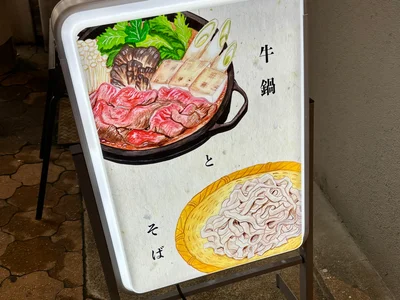
Che cosa è Japanese Hot Pot?: Japanese Hot Pot invites diners to gather around a simmering pot and cook ingredients at the table, creating a relaxed, interactive meal. Clear kombu stock, soy-based broths, and miso blends are commonly offered, each shaping the flavor of meats, seafood, tofu, mushrooms, and seasonal vegetables. Styles vary widely: shabu-shabu highlights quick swishing of thinly sliced beef with citrusy ponzu or nutty sesame sauce; sukiyaki features a gently sweet soy base; yosenabe brings a mix of hearty additions; chanko-nabe evokes the comfort of generous portions; and motsunabe showcases savory offal with garlic and chives. Many places present curated platters and à la carte selections, allowing guests to pace the meal and adjust the pot as they go. Toward the end, noodles or rice are often added for a satisfying finish known as shime. Rising steam, the sound of a gentle simmer, and shared timing create a dining experience that feels both warm and engaging.


 United States Valutazioni degli utenti3.68(1risultati)


.jpg?format=webp)
.jpg?format=webp)
.jpg?format=webp)
.jpg?format=webp)
.jpg?format=webp)
.jpg?format=webp)


.jpg?format=webp)
.jpg?format=webp)
.jpg?format=webp)
.jpg?format=webp)
.jpg?format=webp)
.jpg?format=webp)
.jpg?format=webp)


.jpg?format=webp)
.jpg?format=webp)
.jpg?format=webp)
.jpg?format=webp)
.jpg?format=webp)
.jpg?format=webp)


.jpg?format=webp)

.jpg?format=webp)


.jpg?format=webp)


