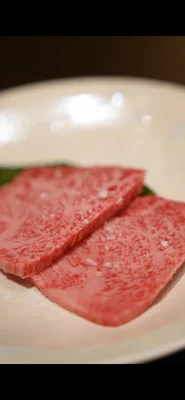
Che cosa è Yamagata?: Yamagata in northern Japan offers a dining culture shaped by mountains, rivers, and distinct seasons. Chefs build menus around local rice, wild greens, mushrooms, and fruit, while sake breweries take advantage of pure water and cold winters to produce nuanced styles. Visitors encounter hearty specialties such as imoni taro soup by the riverside, handmade soba that highlights fragrant buckwheat, and richly marbled Yonezawa beef prepared in a range of methods. The prefecture is also noted for cherries and pears, inspiring desserts and preserves, and for ramen traditions that include refreshing chilled bowls in summer. Casual izakaya, noodle shops, and confectioners stand alongside ryokan dining that showcases seasonal kaiseki approaches. Markets and farm stands add opportunities to sample regional pickles and miso. A unique historical thread is Yamagata’s connection to the safflower trade, which is often said to have influenced local color aesthetics and a careful sensibility toward ingredients.
Che cosa è Izakaya?: An izakaya offers a relaxed setting for drinks and a broad range of shareable small plates. Menus often include skewers kissed by the grill, crisp fried favorites such as karaage and tempura, hearty simmered dishes and oden, and sashimi that showcases clean, fresh flavors. Many places consider pairing carefully with sake, shochu, beer, and highballs, encouraging guests to mix and match throughout the meal. Dishes tend to arrive as they are ready, setting an easy rhythm for conversation and tasting. Counter seats may reveal the theater of an open kitchen, while tables, tatami rooms, or standing areas provide different moods. Seasonal specials and blackboard listings frequently introduce new seafood, vegetables, and regional touches. Rice bowls, onigiri, or simple noodles might round out the experience. Whether you lean toward smoky grilled notes, light and crisp textures, or the purity of raw preparations, the izakaya format makes it simple to sample widely at your own pace.


.jpg?format=webp)
.jpg?format=webp)
.jpg?format=webp)
.jpg?format=webp)
.jpg?format=webp)
.jpg?format=webp)



.jpg?format=webp)
.jpg?format=webp)
.jpg?format=webp)
.jpg?format=webp)
.jpg?format=webp)
.jpg?format=webp)
.jpg?format=webp)
.jpg?format=webp)
.jpg?format=webp)
.jpg?format=webp)
.jpg?format=webp)
.jpg?format=webp)
.jpg?format=webp)
.jpg?format=webp)
.jpg?format=webp)
.jpg?format=webp)
.jpg?format=webp)
.jpg?format=webp)


.jpg?format=webp)
.jpg?format=webp)
.jpg?format=webp)
.jpg?format=webp)


.jpg?format=webp)


