Was ist Kanagawa?: Kanagawa blends coastal abundance with a cosmopolitan spirit shaped by its port history. Menus often feature seafood from Sagami Bay, seasonal shirasu along the Shonan coast, and rich cuts of tuna associated with Misaki, alongside crisp Kamakura vegetables and traditional fish cakes from Odawara. In Yokohama, Chinese culinary influences appear in dim sum, noodles, and a variety of street-side bites, while the region’s ramen culture, including the hearty styles developed locally, draws devoted fans. Western-inspired dishes, breads, and pastries took root through early international exchange, and today cafés, bakeries, and craft breweries add a relaxed rhythm to neighborhoods from bayside districts to mountain gateways. Historic temple towns and onsen areas invite strolling with sweets in hand, and coastal promenades offer casual spots for sunset dining. Travelers encounter a dining scene that values local ingredients, seasonal expression, and friendly hospitality without losing its openness to new flavors.
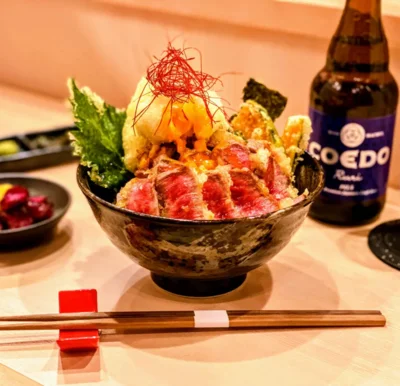
Was ist Tempura?: Tempura highlights the pleasure of batter and oil handled with restraint and precision. Diners often encounter prawns, white fish, squid, and seasonal vegetables lightly coated in a chilled batter and fried at a high temperature, yielding a crisp shell with tender textures inside. The experience frequently centers on timing: pieces arrive moments after leaving the fryer, inviting a relaxed pace as each bite is enjoyed while hot. Condiments such as tentsuyu with grated daikon, sea salt, or matcha salt offer contrasting accents. Menus may feature a counter service where items are presented one by one, mixed assortments for sharing, or pairings with rice and noodles like tendon, tempura soba, and udon. Variations in oil blends, batter thickness, and cut size create distinct aromas, sounds, and textures—from a gentle crackle to a lively sizzle—encouraging guests to compare nuances across ingredients and styles.


.jpg?format=webp)
.jpg?format=webp)
.jpg?format=webp)


.jpg?format=webp)
.jpg?format=webp)
.jpg?format=webp)
.jpg?format=webp)
.jpg?format=webp)
.jpg?format=webp)


.jpg?format=webp)
.jpg?format=webp)
.jpg?format=webp)
.jpg?format=webp)
.jpg?format=webp)
.jpg?format=webp)




.jpg?format=webp)


.jpg?format=webp)



