Was ist Koto-ku?: Koto-ku, on Tokyo’s eastern waterfront, blends canals, parks, and a down-to-earth spirit that carries into its dining culture. Visitors find options ranging from cozy neighborhood counters and traditional confectionery to contemporary dining rooms and international kitchens. Seafood often takes a prominent role, with a bay-area market district shaping offerings at sushi bars and casual seafood spots. Local lore points to Fukagawa-style dishes featuring clams and miso as a reflection of the area’s waterside heritage. The legacy of Kiba’s former timber yards is also said to have influenced a culture of satisfying set meals for workers, a tradition that still resonates in everyday eateries. Today, seasonal ingredients and careful craftsmanship appear across menus, while renovated warehouses and riverside developments add relaxed places to graze, sip, and linger. Whether seeking a quick bowl between errands or a slow evening with small plates, Koto-ku suggests a culinary landscape that balances comfort, variety, and quiet innovation.
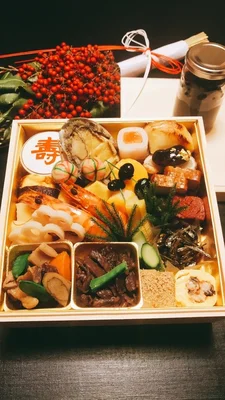
Was ist Kaiseki?: Kaiseki presents a measured progression of small courses that follow the seasons and highlight clarity of flavor. A typical meal may begin with a delicate appetizer, continue with sashimi or a chilled preparation, and unfold through simmered and grilled dishes, steamed items, and palate-refreshing interludes. The flow often concludes with rice, pickles, and soup before a restrained dessert. Techniques such as slow simmering, gentle steaming, charcoal grilling, and precise knife work aim to showcase ingredients rather than mask them. Attention to tableware plays a central role, with handcrafted ceramics and lacquerware chosen to complement color, aroma, and texture. Menus commonly reflect local produce and seafood, and portion sizes tend to encourage a comfortable pace. Many dining rooms emphasize seasonality in flowers, utensils, and serving vessels, while counter seating can offer a close view of the chef’s work. The result is a calm, curated experience focused on balance, timing, and understated elegance.
.jpg?format=webp)
.jpg?format=webp)
.jpg?format=webp)
.jpg?format=webp)
.jpg?format=webp)
.jpg?format=webp)
.jpg?format=webp)
.jpg?format=webp)
.jpg?format=webp)
.jpg?format=webp)
.jpg?format=webp)
.jpg?format=webp)


.jpg?format=webp)
.jpg?format=webp)
.jpg?format=webp)
.jpg?format=webp)
.jpg?format=webp)
.jpg?format=webp)
.jpg?format=webp)
.jpg?format=webp)
.jpg?format=webp)
.jpg?format=webp)
.png?format=webp)
.jpg?format=webp)


.jpg?format=webp)
.jpg?format=webp)
.jpg?format=webp)
.jpg?format=webp)
.jpg?format=webp)
.jpg?format=webp)
.png?format=webp)
.jpg?format=webp)
.jpg?format=webp)
.png?format=webp)
.jpg?format=webp)
.jpg?format=webp)


.jpg?format=webp)
.jpg?format=webp)
.jpg?format=webp)


.jpg?format=webp)

.png?format=webp)


.jpg?format=webp)
.png?format=webp)