Was ist Nerima-ku?: Nerima-ku in Tokyo offers a calm, residential atmosphere where everyday dining feels close to home. Around station hubs, visitors encounter cozy izakaya, ramen and soba counters, bakeries, and dessert shops, alongside a growing mix of international flavors. Menus often highlight seasonal produce, and some venues incorporate vegetables sourced from nearby fields, reflecting the ward’s pockets of urban agriculture. The name “Nerima daikon” appears in stories of Edo-era cooking, and this legacy is still evoked in conversations about pickles and simmered dishes. Neighborhood shopping streets contribute to a casual, welcoming rhythm, with family-friendly eateries, takeout options, and coffee-focused cafés that suit unhurried meals. While many places favor straightforward comfort, thoughtful presentations and careful broths suggest a craft-first approach. From weekday lunches to relaxed weekend gatherings, diners can explore a broad range of styles without losing the sense of locality. The result is a culinary landscape that feels rooted, practical, and quietly inventive.
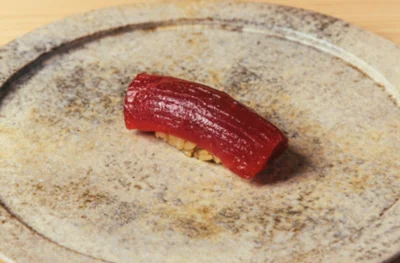
Was ist Sushi?: Sushi highlights the delicate balance of vinegared rice and carefully prepared seafood, with an emphasis on clean flavors and precise technique. Many counters present nigiri one piece at a time, allowing diners to notice details such as rice temperature, the cut of the fish, and a light brush of soy or a touch of citrus. Common styles include nigiri, maki rolls, temaki, and chirashi, while occasional searing, marination, or aging brings added depth. Seasonal selections often guide the progression of a meal, and some venues offer an omakase format that follows the chef’s rhythm. Beyond fish, vegetables, egg, and shellfish appear in thoughtful combinations. The experience may include conversation with the chef, pacing that builds from lighter bites to richer pieces, and a focus on texture as much as taste. Whether at a counter or a table, the appeal lies in craftsmanship and the expression of each ingredient.


.jpg?format=webp)

.jpeg?format=webp)
.jpg?format=webp)

.jpg?format=webp)


.jpg?format=webp)

.jpg?format=webp)

.jpg?format=webp)


