Was ist Sumida-ku?: Sumida-ku blends a classic shitamachi atmosphere with contemporary developments, creating a dining scene that feels both grounded and fresh. Along the Sumida River, visitors encounter casual izakaya, soba and tempura specialists, sushi counters, and eateries serving seasonal small plates, while streets near the landmark tower tend to offer family-friendly cafes and a range of international kitchens. The Ryogoku area is closely associated with sumo culture, and chanko-nabe, the hearty hotpot tied to training tables, is often introduced as a local taste. Traditional wagashi shops, taiyaki stands, and monaka filled with red bean paste reflect a fondness for simple sweets. Weekend markets and festival days sometimes bring street foods that add a lively note to the neighborhood. Whether seeking time-honored flavors or relaxed modern dining, guests can explore places that emphasize craftsmanship, approachable service, and ingredients that follow the rhythm of the seasons.
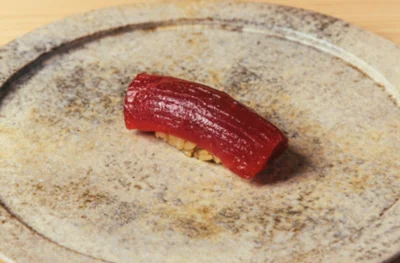
Was ist Sushi?: Sushi highlights the delicate balance of vinegared rice and carefully prepared seafood, with an emphasis on clean flavors and precise technique. Many counters present nigiri one piece at a time, allowing diners to notice details such as rice temperature, the cut of the fish, and a light brush of soy or a touch of citrus. Common styles include nigiri, maki rolls, temaki, and chirashi, while occasional searing, marination, or aging brings added depth. Seasonal selections often guide the progression of a meal, and some venues offer an omakase format that follows the chef’s rhythm. Beyond fish, vegetables, egg, and shellfish appear in thoughtful combinations. The experience may include conversation with the chef, pacing that builds from lighter bites to richer pieces, and a focus on texture as much as taste. Whether at a counter or a table, the appeal lies in craftsmanship and the expression of each ingredient.
.jpg?format=webp)
.jpg?format=webp)
.jpg?format=webp)
.jpg?format=webp)
.jpg?format=webp)
.jpg?format=webp)


.jpg?format=webp)
.jpg?format=webp)
.jpg?format=webp)
.jpg?format=webp)
.jpg?format=webp)
.jpg?format=webp)


.jpg?format=webp)
.jpg?format=webp)
.png?format=webp)
.png?format=webp)
.png?format=webp)
.png?format=webp)


 United States Nutzerbewertungen3.31(1Einträge)


.jpg?format=webp)
.png?format=webp)
.jpg?format=webp)
.jpg?format=webp)
.jpg?format=webp)
.jpg?format=webp)
.jpg?format=webp)

.jpg?format=webp)

.jpeg?format=webp)
.jpg?format=webp)

.jpg?format=webp)


.jpg?format=webp)

.jpg?format=webp)

.jpg?format=webp)


