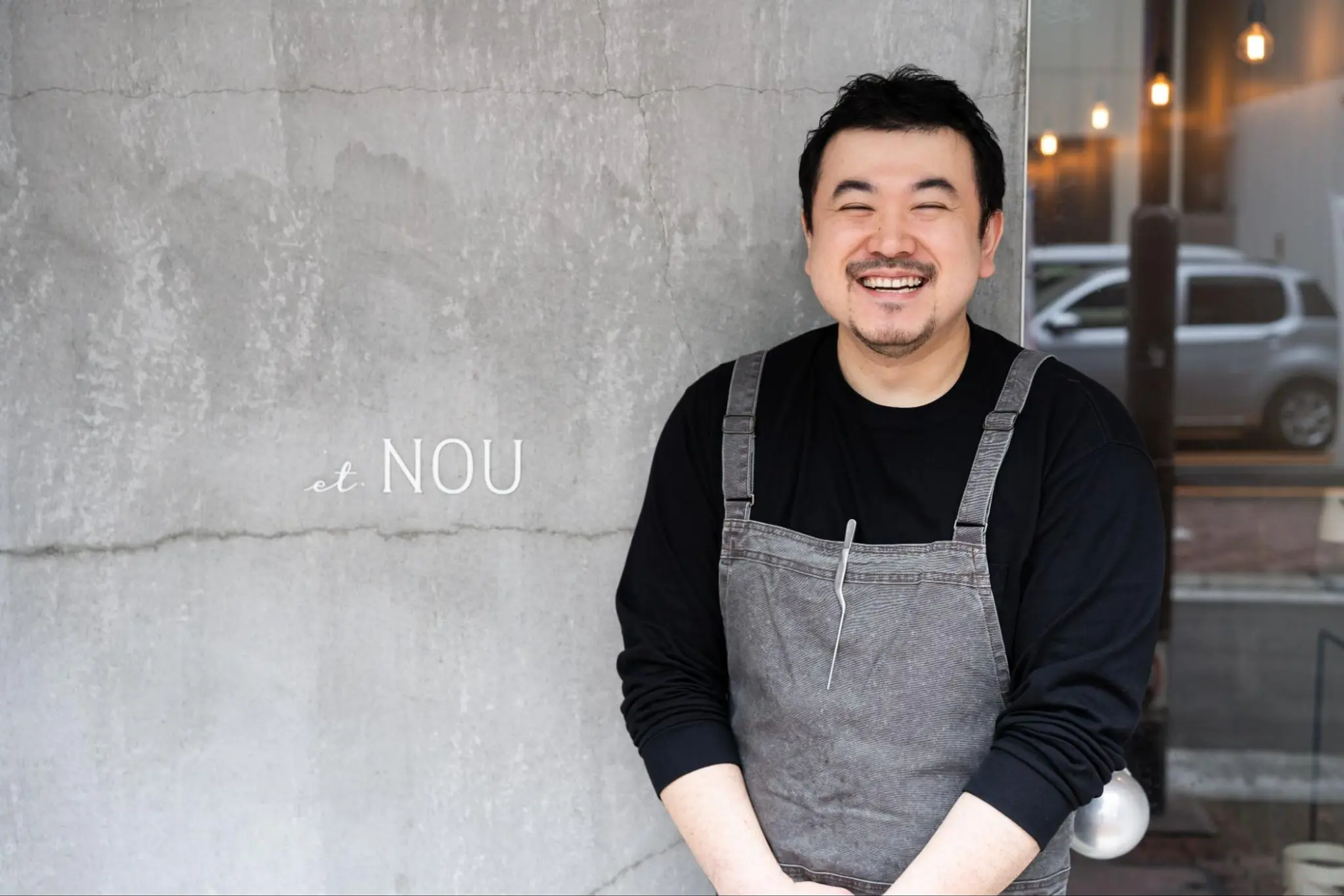
Inspired by the blessings of Kagoshima, the creativity of Chef Naoto Ohtaki of 【et NOU】 continues to evolve in his ever-changing journey
Making sweets as a grade schooler was second nature! Without hesitation, I entered the world of cooking
ーーーCould you tell us about what inspired you to enter the world of cooking, and about your training days?
We weren’t a family that often ate out, and most of the meals I had as a child were homemade by my mother. I used to help her in the kitchen a lot, and by the time I was in elementary school, it was natural for me to hold a knife and cook for my family. I even baked cakes and other sweets from time to time. In high school, I joined the "Culinary Arts Program," which allowed me to study cooking techniques, and from there, I was set on the path of becoming a chef. The classes were very practical, featuring cooking workshops with professional chefs as instructors and cooking meals during club camp activities. There was also a training system in place to help students gain work experience at restaurants, so I worked three days a week at about five different French restaurants until I graduated.
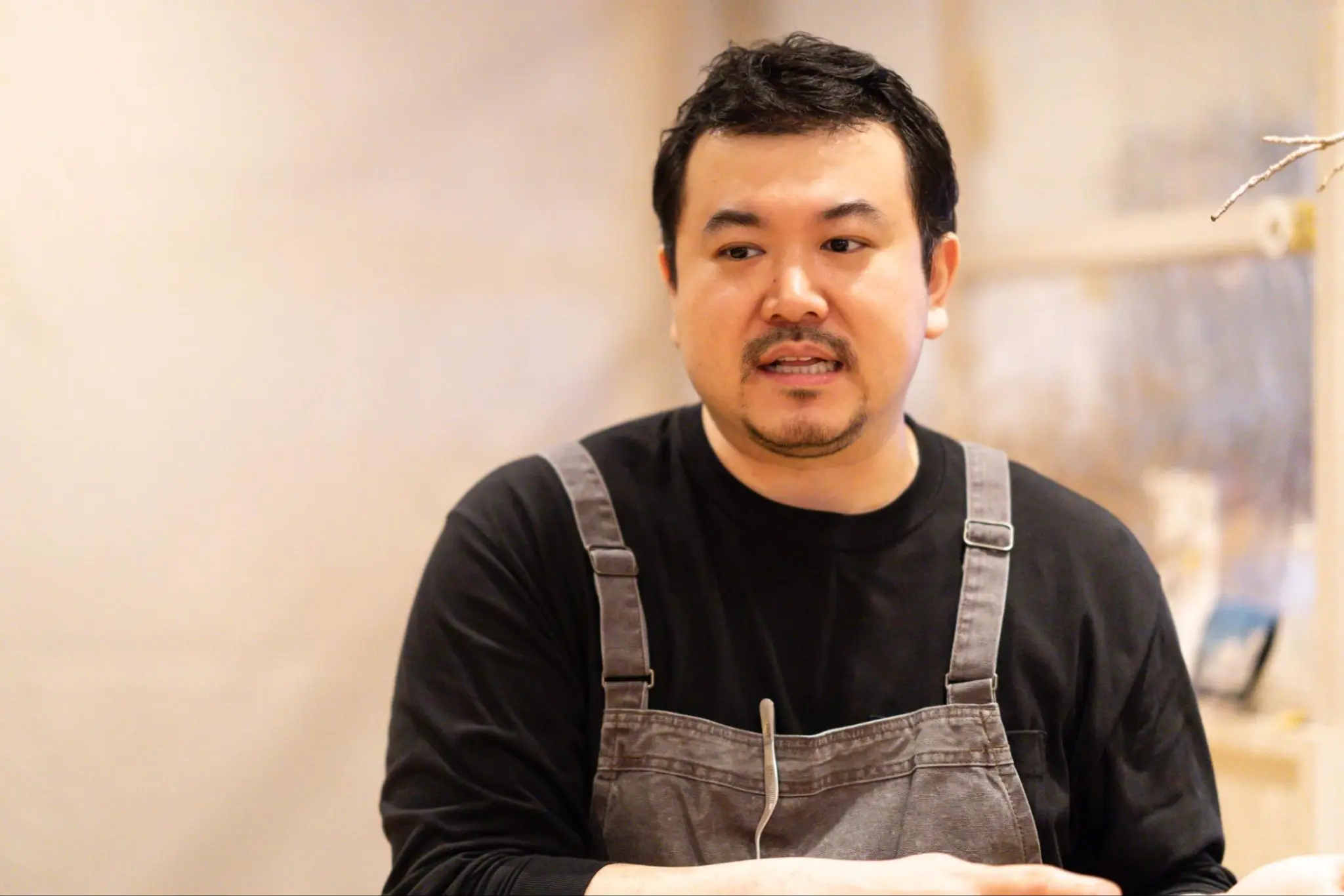
My three years of high school were fulfilling and very enjoyable. At the restaurants I went to for my training, the adults seemed to find my efforts as a high school student endearing, and they took great care of me. However, the reality of the professional world was tough. The French restaurant I joined after graduation was a well-known establishment frequently featured in the media, so it was almost always fully booked. The kitchen was constantly filled with tension, and at that time, I was always rushing against the clock, which eventually broke my spirit.
Training under a respected mentor, developing my own style, and heading towards opening my own restaurant
ーーーWhen did you start enjoying cooking?
I truly started to focus on cooking at my second restaurant. The chef I worked under at that time was the foundation of my French culinary skills. He was strict with work but his skills and sense of cooking were first-class, and he is still someone I admire. During the six years I spent with him, I learned the essence of classical French cuisine, from appetizers to desserts.
Afterwards, I decided to go to France to continue my studies. To gather funds for my trip, I started working part-time at a French restaurant in Harajuku, but suddenly the head chef left. Before I knew it, I was promoted to the top chef in the kitchen (laughs). As a result, I was able to dedicate myself to cooking the dishes I truly wanted to make, which provided me with valuable time that greatly influenced the cuisine I create now at 【et NOU】.
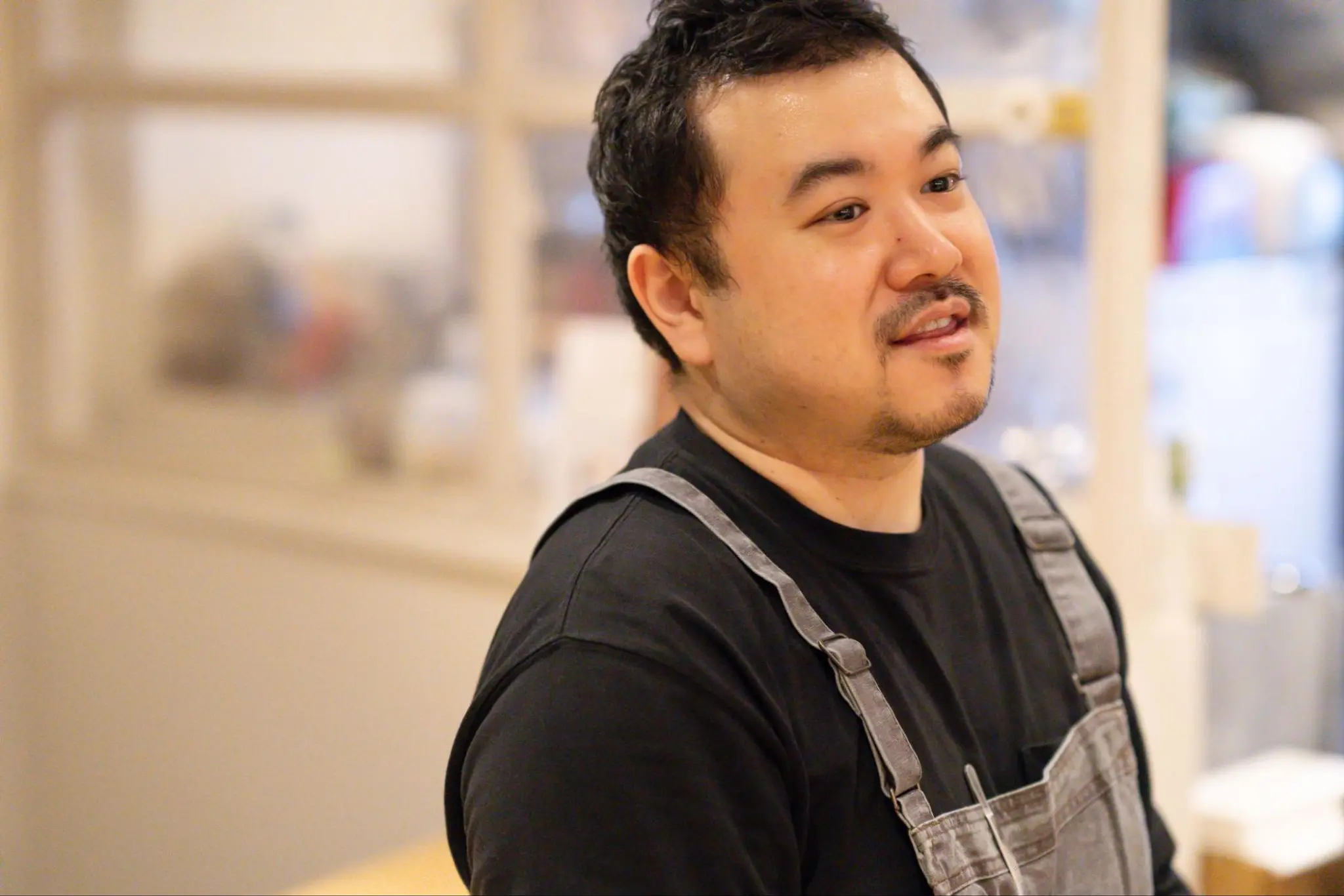
ーーーYou are originally from Tokyo, but why did you choose to open a restaurant in Kagoshima?
When I first started moving towards independence, I was also looking for a location in Tokyo. One reason is that my wife is from Kagoshima, but by chance, I found an available property in the well-known shopping district, "Tenmonkan" in Kagoshima city. It was in an ideal location that perfectly matched my vision. I guess it was a kind of fateful encounter (laughs). At that time, social media had started to shift the public’s attention toward regional restaurants, and the flow of the times also supported my decision to move to Kagoshima.
ーーーCould you tell us about the process leading to the opening of 【et NOU】?
As the head chef, I had been managing the restaurant and firmly decided that "the next step would be to open my own restaurant" when I reached the age of 30, which felt like a milestone. I chose Kagoshima as my new starting point, but I had only visited Kagoshima a few times before, and my wife had left her hometown right after high school, so I had no connections in the area. Still, I began preparing for the restaurant opening with no local ties.
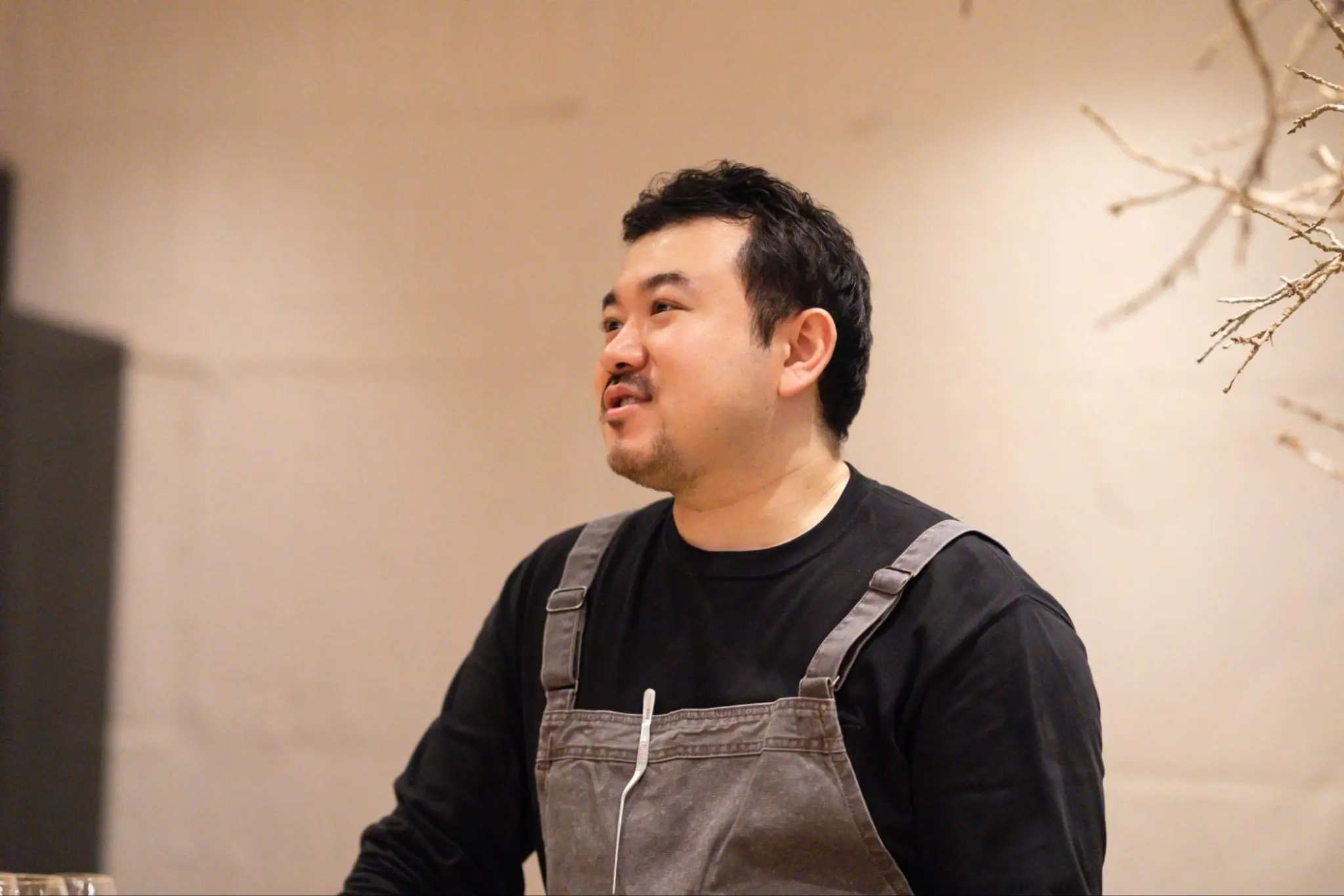
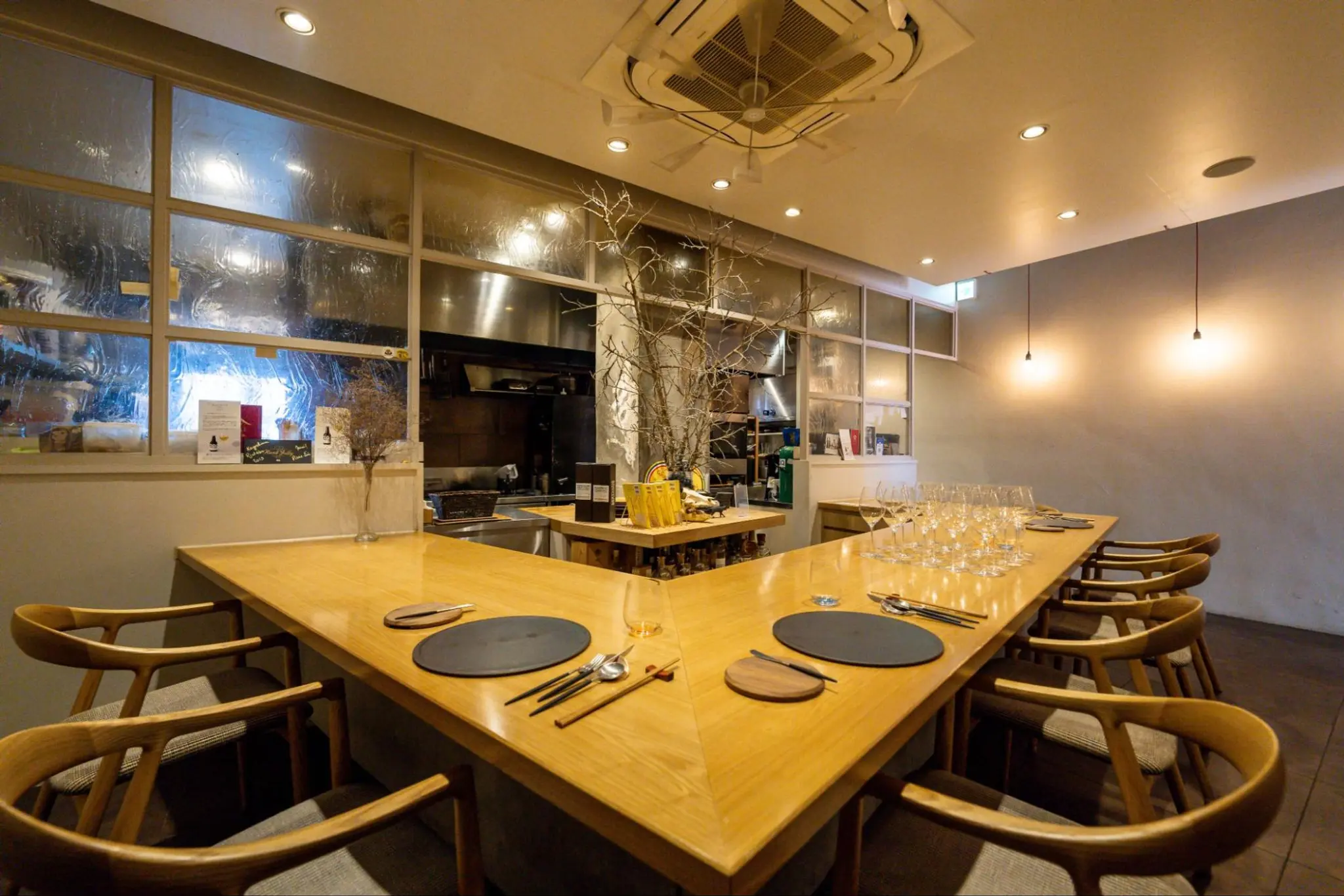
The restaurant is located on the first floor of a 60-year-old row house that was previously used as a residence. I had decided to ask a designer from Tokyo to handle the interior design, but extensive renovations were required, such as demolishing walls, clearing the parking area, and installing plumbing. Since I had no acquaintances in Kagoshima, just finding a construction company was quite a challenge. In the end, it took about six months to open, but through the preparation process, I was fortunate to build relationships with local people. One of the furniture shop owners, whom I had become close with during the preparations, even became a customer and visited the restaurant, which was truly appreciated.
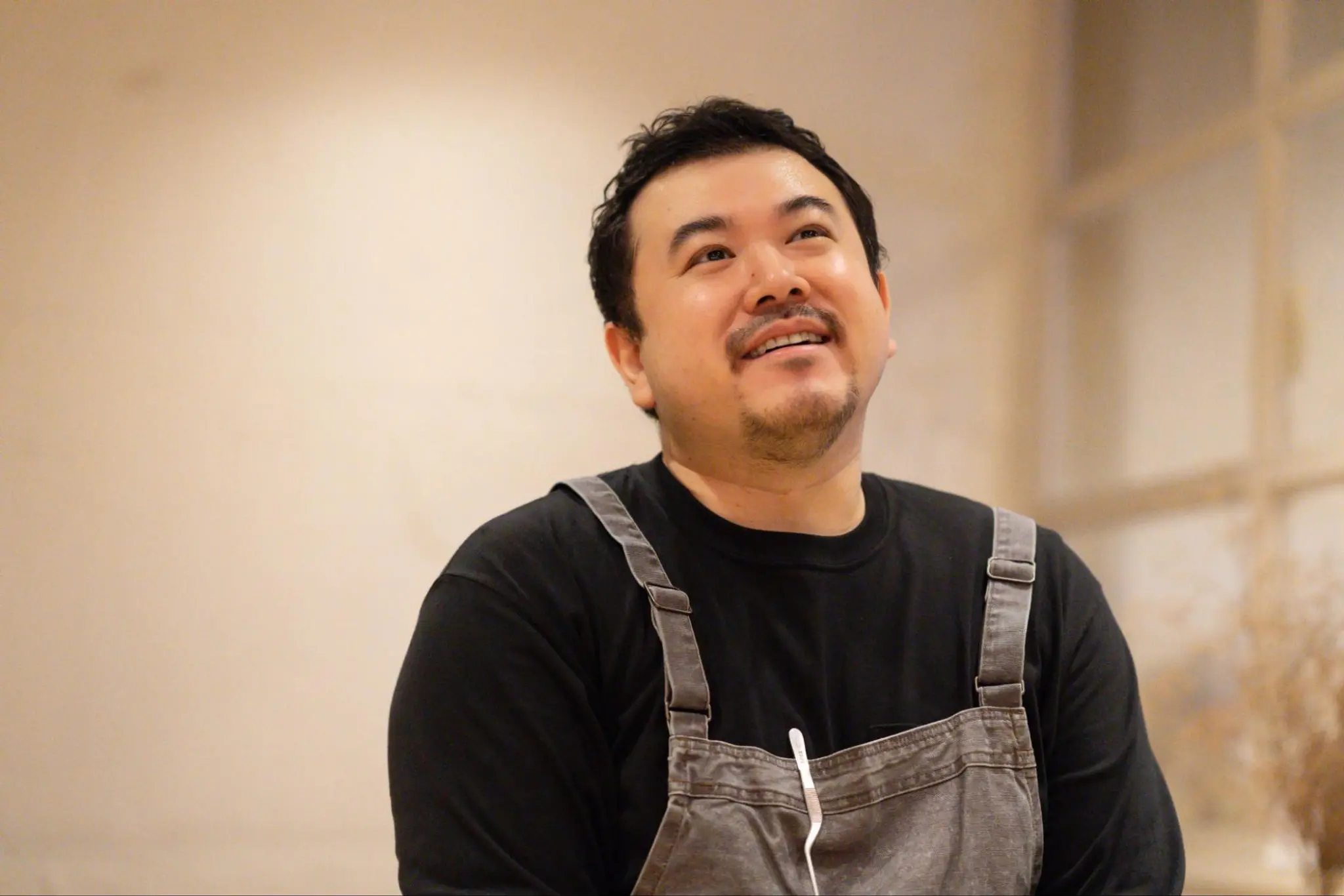
Staying true to 'deliciousness,' I continue to challenge myself with new flavors and creativity until I am fully satisfied
ーーーHow has it been since you opened your restaurant?
It seems that the people of Kagoshima are known for being fond of "new things," and thanks to local media coverage, we were busier than I had anticipated from the very beginning. At the time, there were no modern French restaurants full of creativity like ours in Kagoshima, so I believe the fresh presentation, including the plating, was something that people appreciated.
However, when it comes to the food, I personally feel that it has changed 180 degrees from then to now. While the core of "deliciousness" has never wavered, I tend to always want to try something new. Perhaps it's because I'm easily bored, or in a good way (or a bad way), I might not have a solid core (laughs). Dishes I enjoyed making for a while, once I feel a subtle "something's off," I can't continue, and I start looking for answers in an entirely different direction. When deciding on the menu, I make the old dishes and new ones "battle it out" in my mind, and I offer the winning dish to the customers.
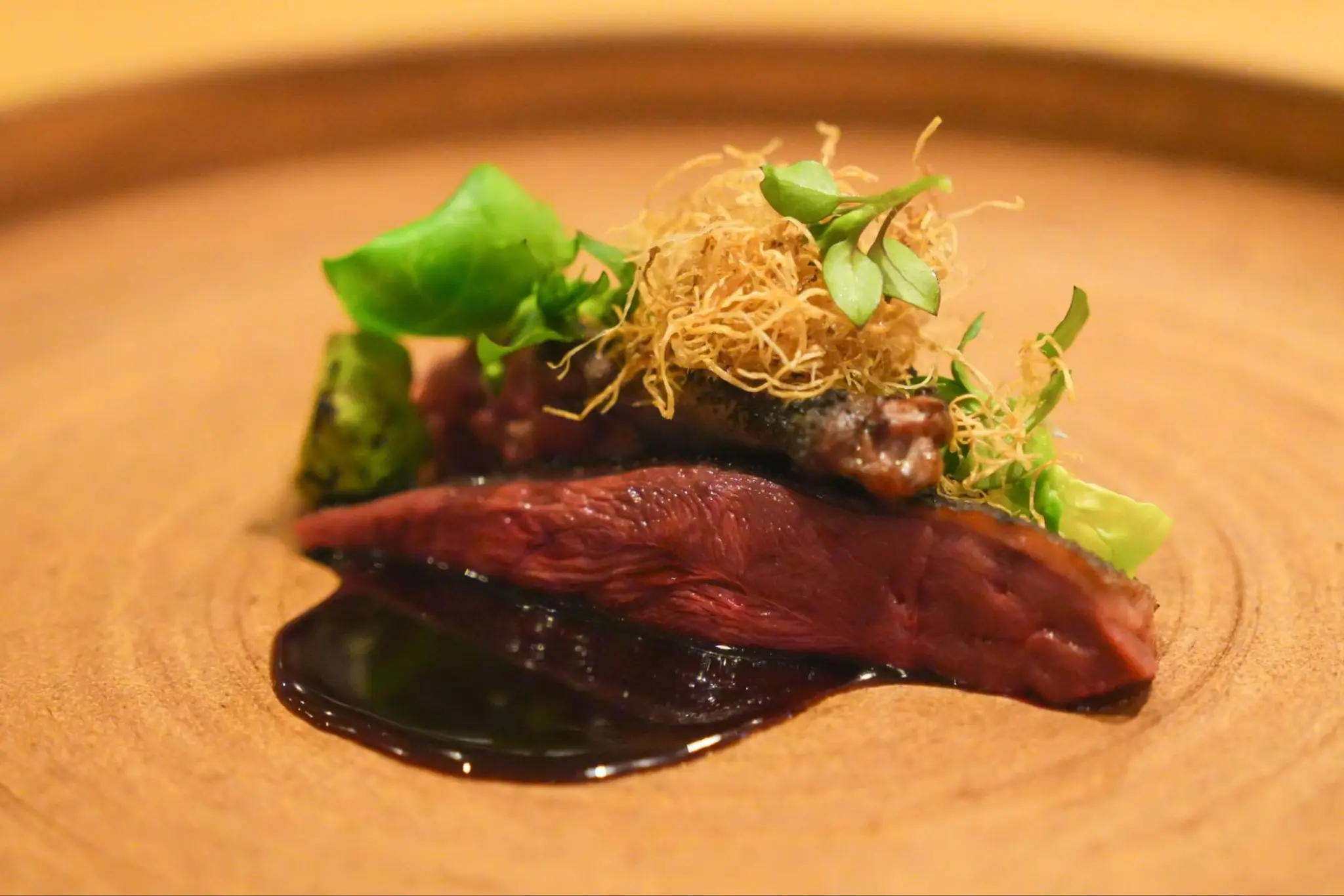
ーーーThe dishes that have survived the competition are the ones served at 【et NOU】, right?
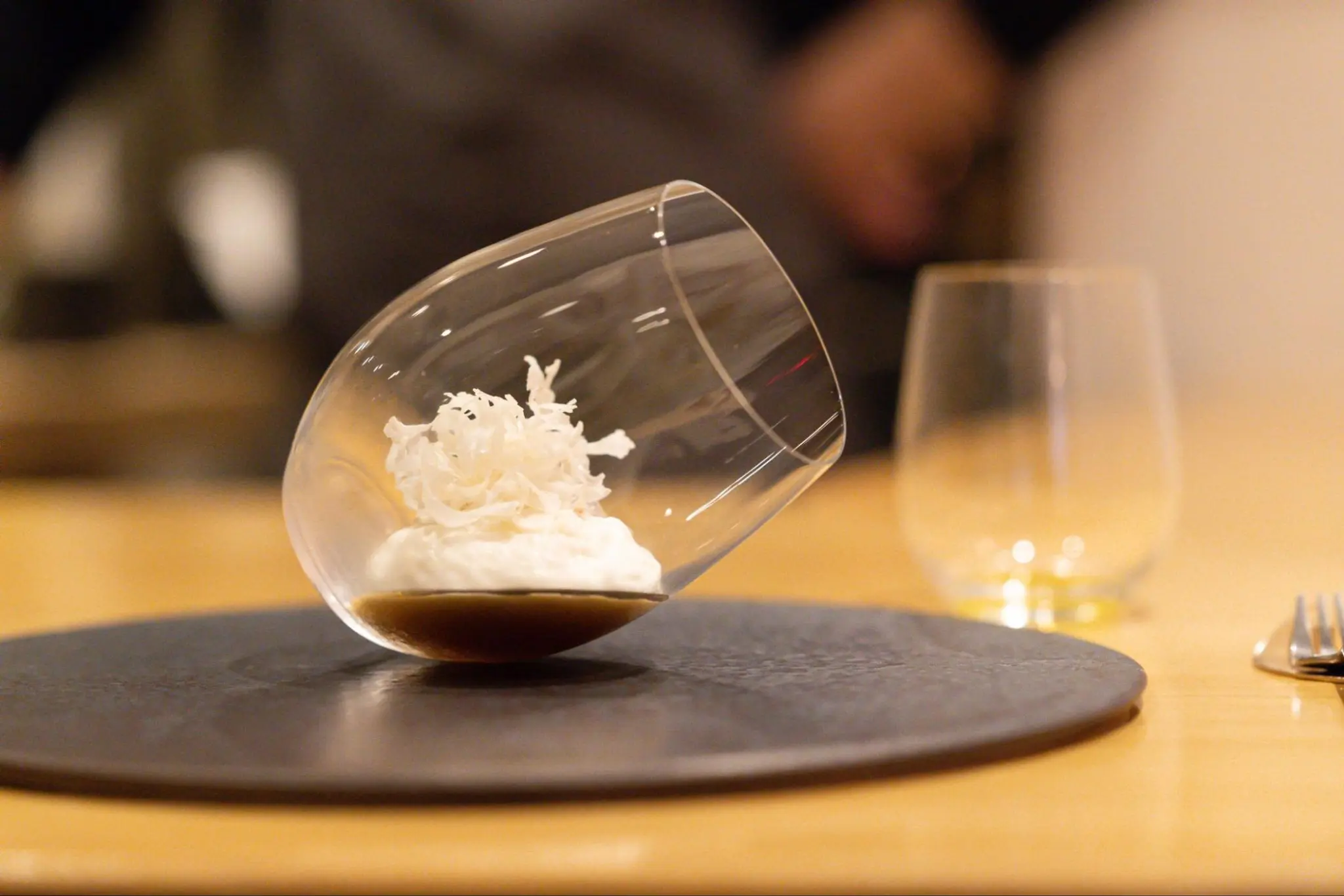
I showcase a new dish every month, and for returning customers, they enjoy a different menu from their previous visit. Even with the same ingredients, I change the approach by switching up the sauces, giving each dish a new variation. Actually, from December last year to the beginning of the new year, we had a customer who visited our restaurant five times. At that point, I was almost on the verge of losing my mind (laughs). Driven by the feeling that "it would be rude to serve the same thing as before," I found myself wrestling with the rules I had set for myself.
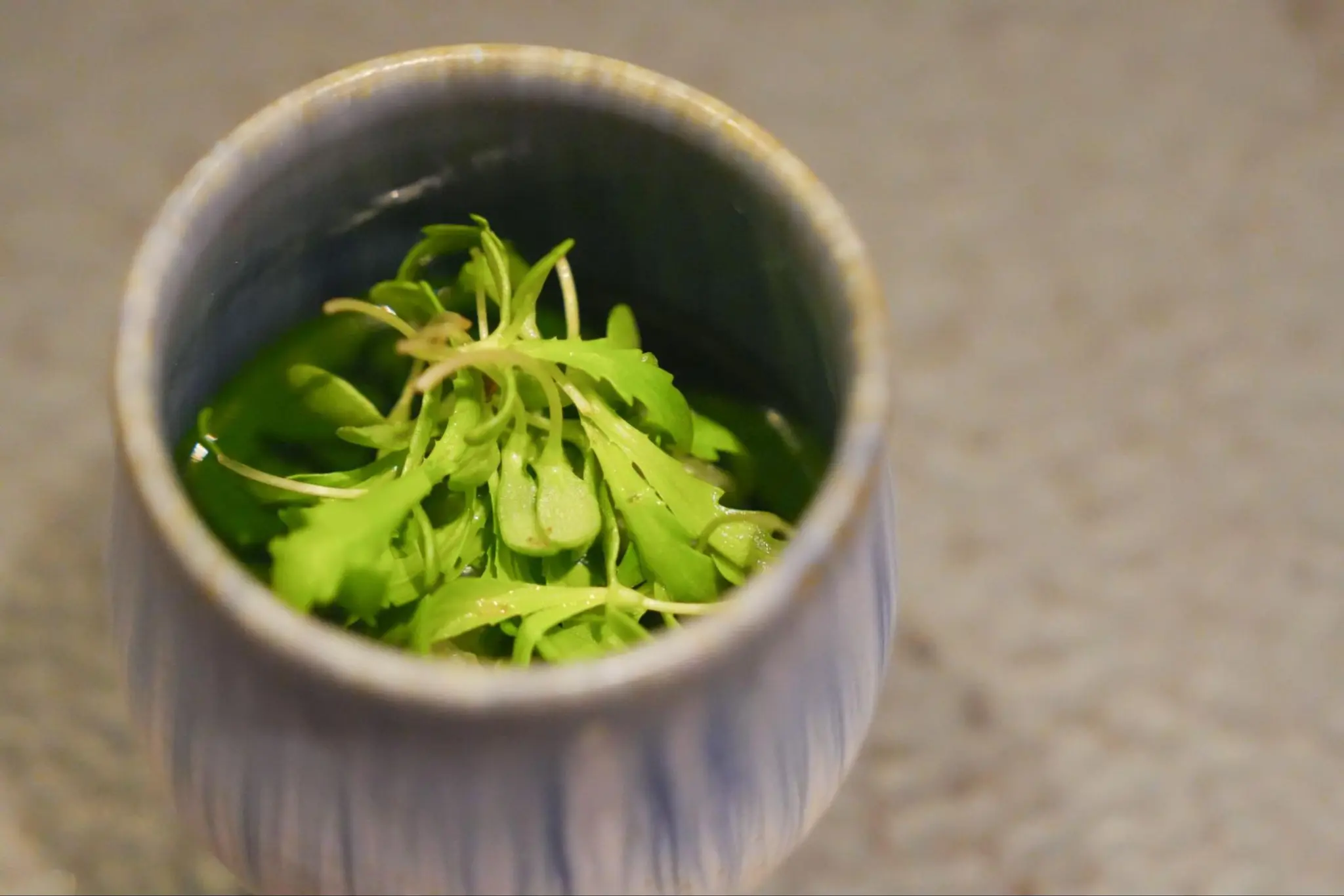
The rich ingredients of Kagoshima that led 【et NOU】's cuisine to a new stage
ーーーHow do you choose your ingredients?
Over the past 9 years, the ingredients have changed drastically. In the early days after opening, we sourced most of the ingredients from Tokyo, and even for a while, many ingredients were from outside the prefecture. Now, over 90% of the ingredients are sourced from Kagoshima. At first, I didn't know where to source ingredients in Kagoshima, and I even hesitated because I thought, "As someone from Tokyo, it might lack credibility to promote Kagoshima's ingredients." So, I didn't reach for local Kagoshima ingredients at first. However, I came across a review on a website that said, "I came all the way to Kagoshima, but couldn't eat anything from Kagoshima," and I was taken aback. It made me reaffirm the reason why I was opening a restaurant here. From then, I started developing relationships with local suppliers, and in recent years, I've confidently been promoting the restaurant as a "Kagoshima-based restaurant."
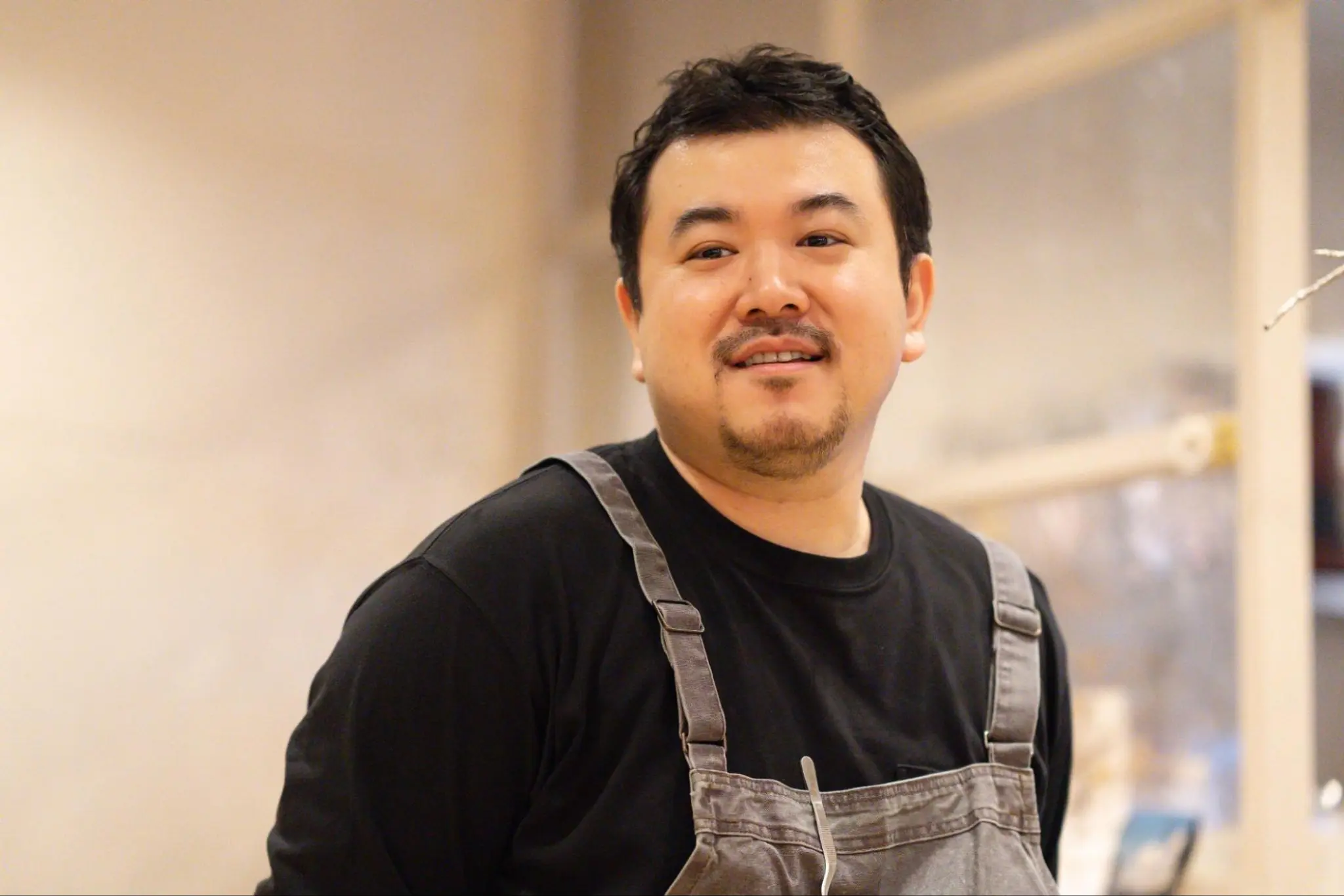
ーーーCan you tell us about some of the ingredients sourced from Kagoshima?
In the Osumi Peninsula in Kanoya City, there is a rare farm that produces chapon chicken (castrated chicken), and it's considered one of the highest-quality chickens worldwide. For game meats like duck, we source from a company in Izumi City that does hunting. Kagoshima is also famous for its tea, and due to the mild climate, it produces a variety of agricultural products. Surrounded by the East China Sea, Kagoshima Bay, and the Pacific Ocean, it also has an abundance of seafood. As many people know, Kagoshima is one of the top regions in Japan for catching bonito. In Okinawa, there's a fish called Akajin Meebai, a type of grouper, and there are various types of shrimp as well. High-end fish are often shipped to Tokyo after being caught, and it's almost a funny story now, but I once had to buy back Kagoshima's wild grouper from Toyosu Market. When I first moved here, I often went to local conveyor-belt sushi restaurants to learn the names of different fish. Even the same fish can have different names in Tokyo and Kagoshima.
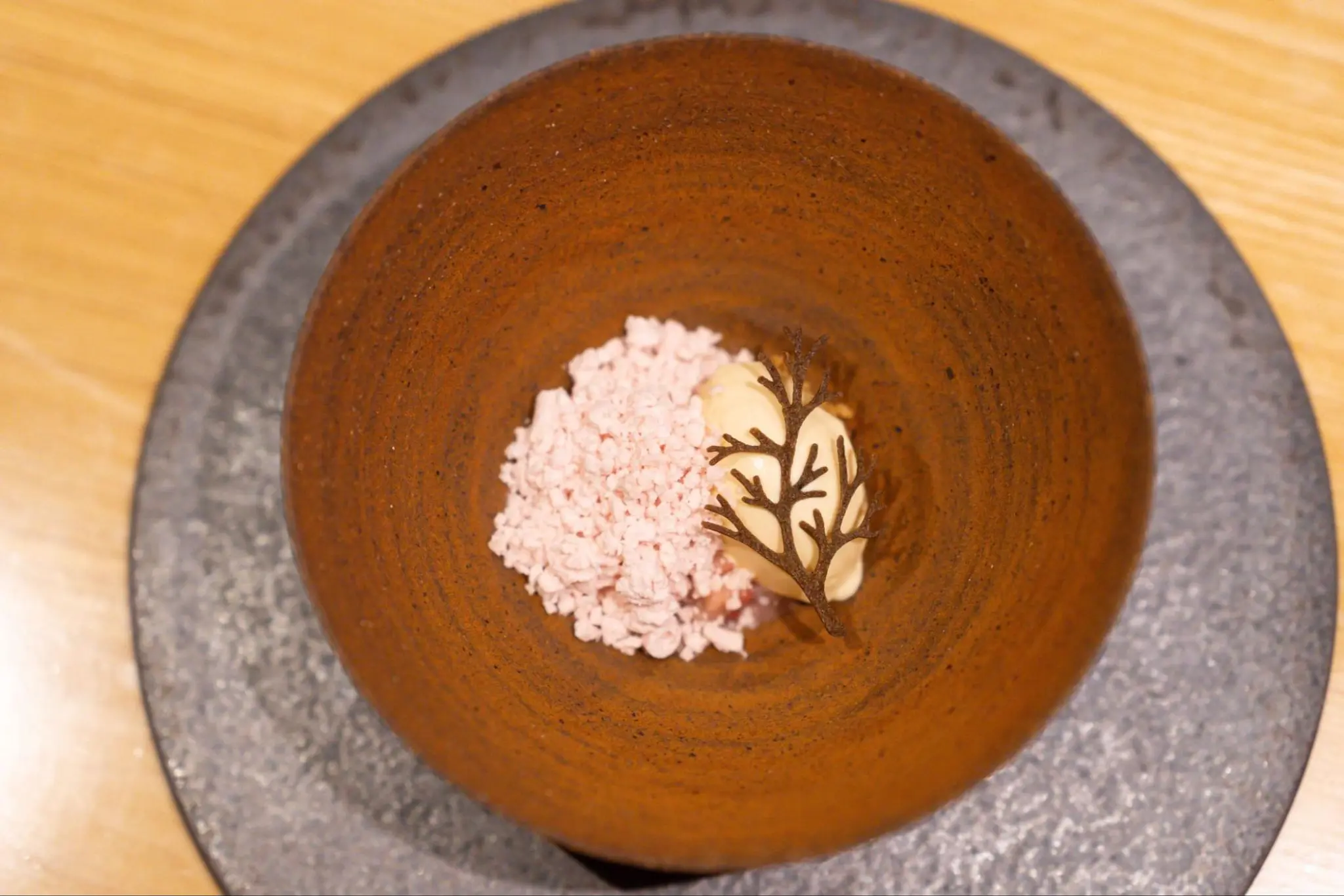
ーーーI hear you have a sommelier qualification, Chef Ohtaki..
Yes, I obtained my sommelier qualification at the age of 24, encouraged by a senior during my training. At our restaurant, we also focus on pairing drinks with our dishes. We select drinks that complement each dish, and depending on the day, we may recommend different alcoholic beverages. However, one drink that is essential to our pairings is "aged shochu." Although technically classified as a spirit, shochu is aged in oak barrels for a long period, giving it a mellow flavor and an amber color similar to whiskey. We often serve it as a highball. It pairs well with any dish, and most of our customers are trying it for the first time, so they are always delighted.

I want our customers to enjoy their time at our restaurant with new discoveries and surprises, whether it's through the food or the drinks. I believe that my cooking will continue to evolve in the future, and that means "continuing to make the dishes I want to create." However, if customers leave with a sense of satisfaction, saying, "I was happy to try a different dish," then that would be the best outcome for me. I believe that we've been able to continue NOU】for nearly 10 years because our customers enjoy my selfishness and creativity.
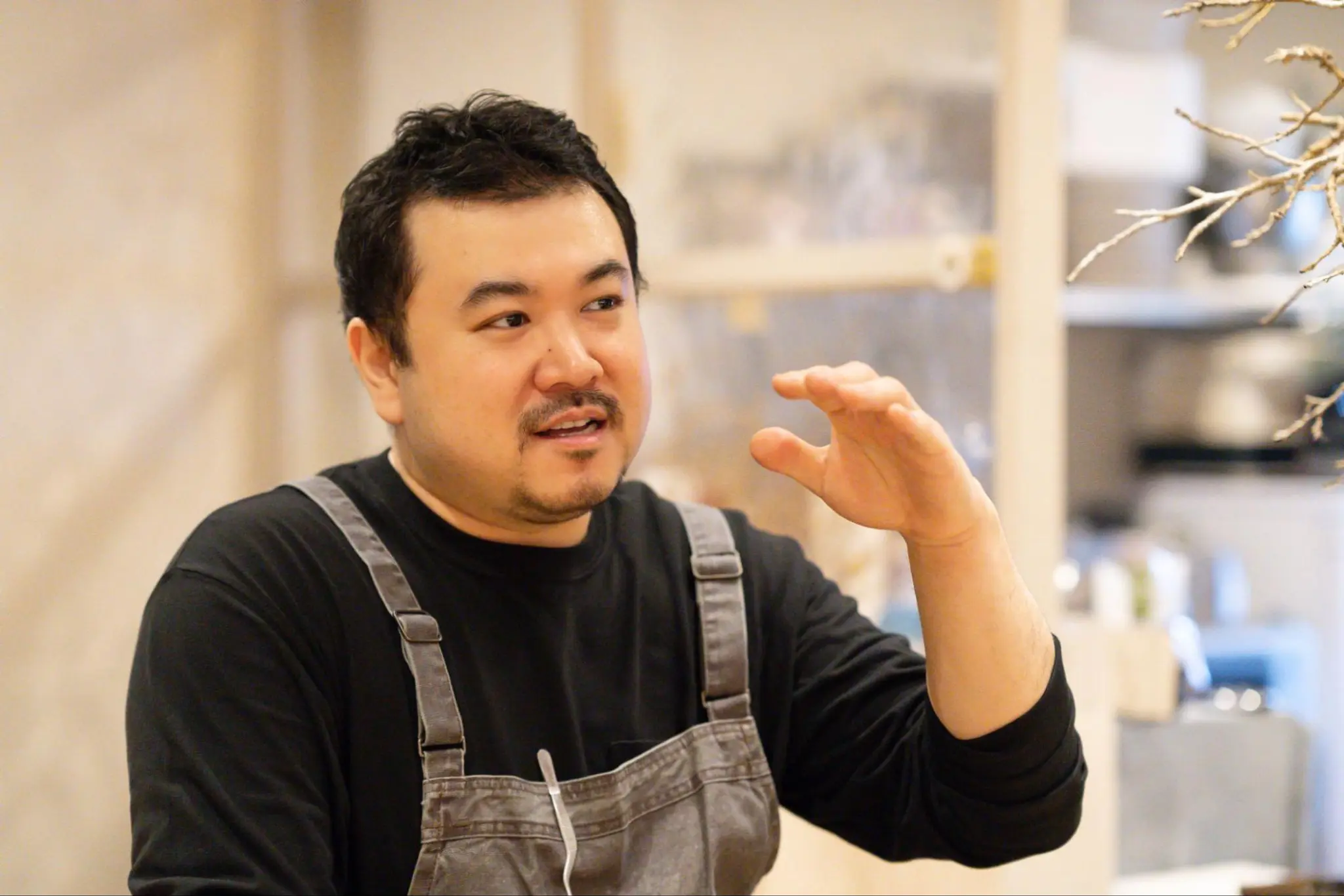
ーーーFinally, Chef Ohtaki, what does "delicious" mean to you?
I believe "balance" is key. For example, in a curry, if the spiciness is too overwhelming, it becomes stimulating but not "delicious." It's the balance that makes a curry "delicious," where you can taste the umami in the spiciness, as well as the saltiness and sweetness. It’s the same with sourness and sweetness—if it's too much of either, it’s not right. Texture is also important. The meaning of balance changes depending on the dish, but I am always mindful of the balance that creates "deliciousness," and I will continue to work on creating new menus with that balance in mind.
Chef Ohtaki began to roast duck meat, placing what seemed to be a brown lump into a small stove. When I asked him, he cheerfully explained, "I thought it might be useful for adding aroma, so I collected pinecones during my walk with the dog in the park!" His candid smile and the fascinating stories behind each dish kept me intrigued throughout the conversation. "What ingredients will he elevate into a dish next?" I couldn't help but feel excited until the very end. At 【et NOU】, I could feel his deep respect for the ingredients from Kagoshima, creating an exhilarating experience. This interview confirmed that it is undoubtedly a "renowned restaurant of Kagoshima is proud of" that I will want to visit again and again.
Interviewer/Writer: Reiko Aoki
Photographer: Masato Suzuki
Restaurant Information
- AutoReserve Magazine
- Restaurants recommended by top chefs
- Inspired by the blessings of Kagoshima, the creativity of Chef Naoto Ohtaki of 【et NOU】 continues to evolve in his ever-changing journey