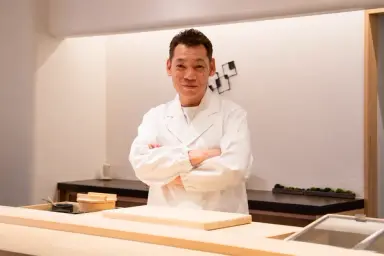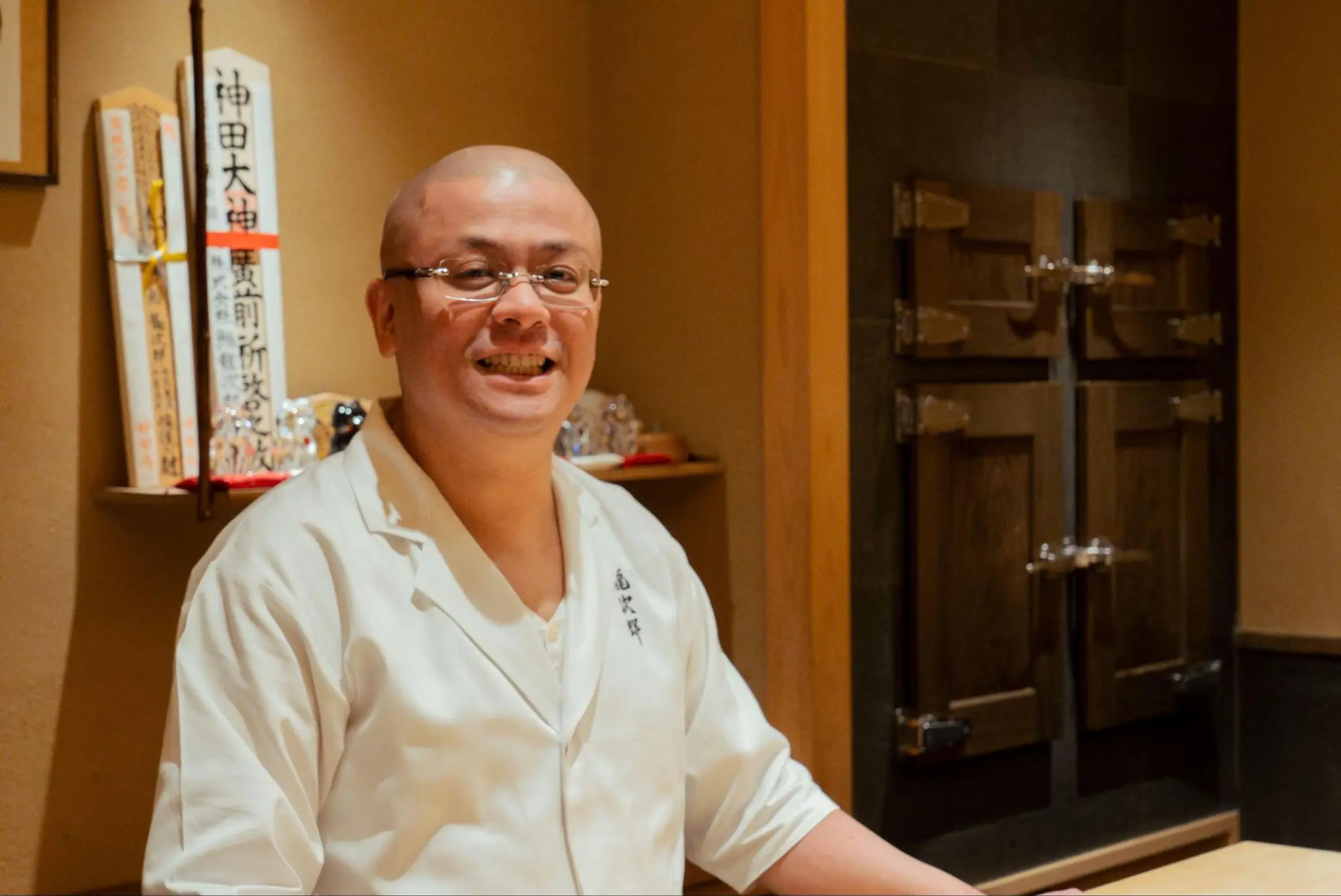
"Aiming to Be a Power Spot for Customers! The Essence of Hospitality by 【Sushi Ryujiro】's Ryujiro Nakamura"
A Decision and Commitment as a Sushi Chef Led to Encounters with the Finest Tuna
ーーーCould you tell us about the characteristics of your restaurant and your nigiri?
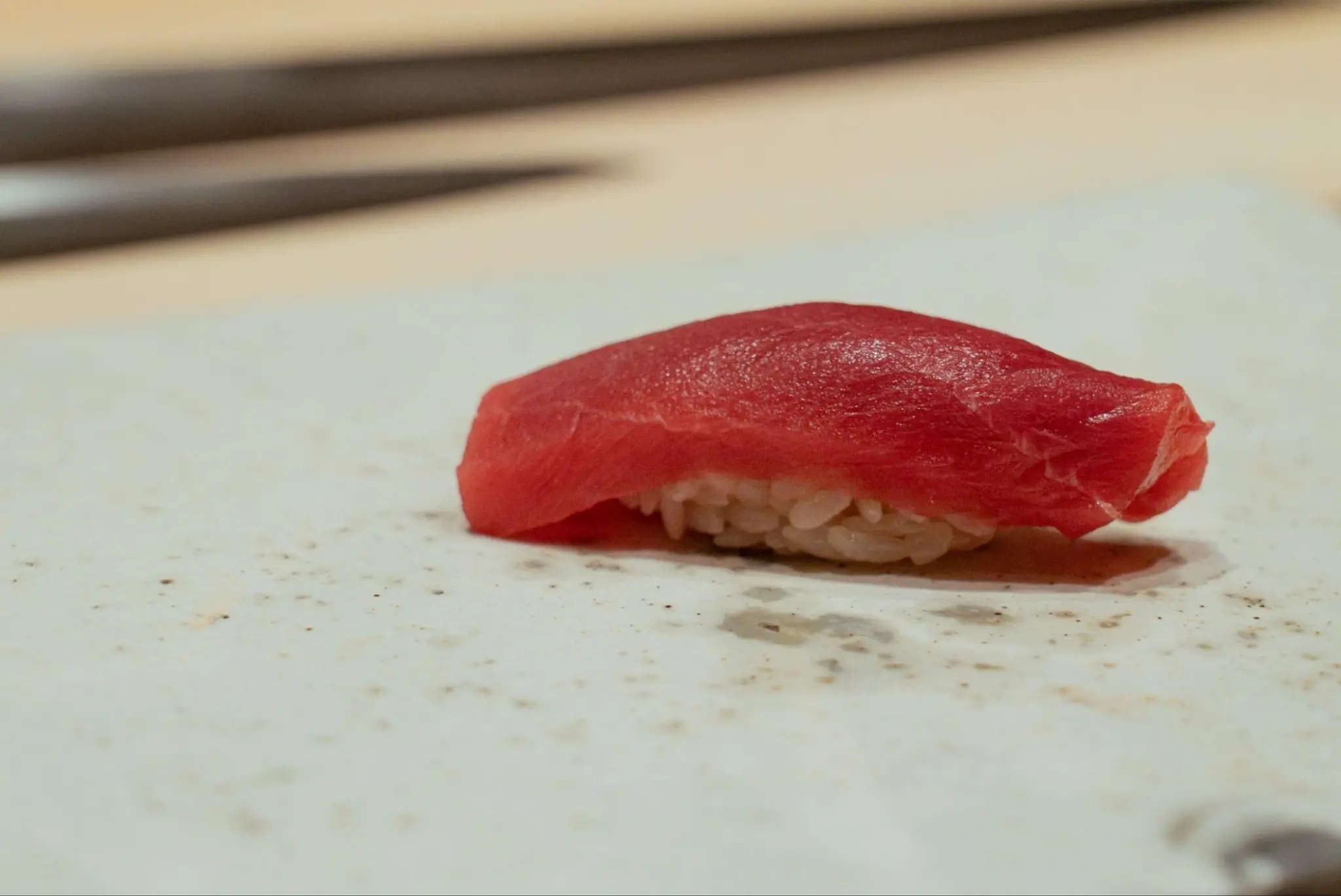
If I were to describe the defining feature of our restaurant in one phrase, it would be "shari (rice) that pairs well with tuna." However, if I were to focus solely on tuna, the balance with other toppings would be compromised. Therefore, I strive daily to create a shari that maintains harmony with all types of neta (sushi ingredients).
Compared to other sushi restaurants, I believe our shari has a stronger vinegar profile. It is made by blending five types of vinegar: Shiragiku, Sakuya, Yamabuki, Kohaku, and Yohei. Among them, Kohaku is used the most, while Sakuya and Yohei are added in smaller amounts. The remaining vinegars are used in moderate quantities. As for salt, we use "Okuda Sou no Shio," a natural salt from Shizuoka, rich in minerals. I absolutely refuse to use artificial seasonings, ensuring that the umami in the shari comes entirely from nature's blessings. Many customers have complimented us, saying, "The shari is delicious."
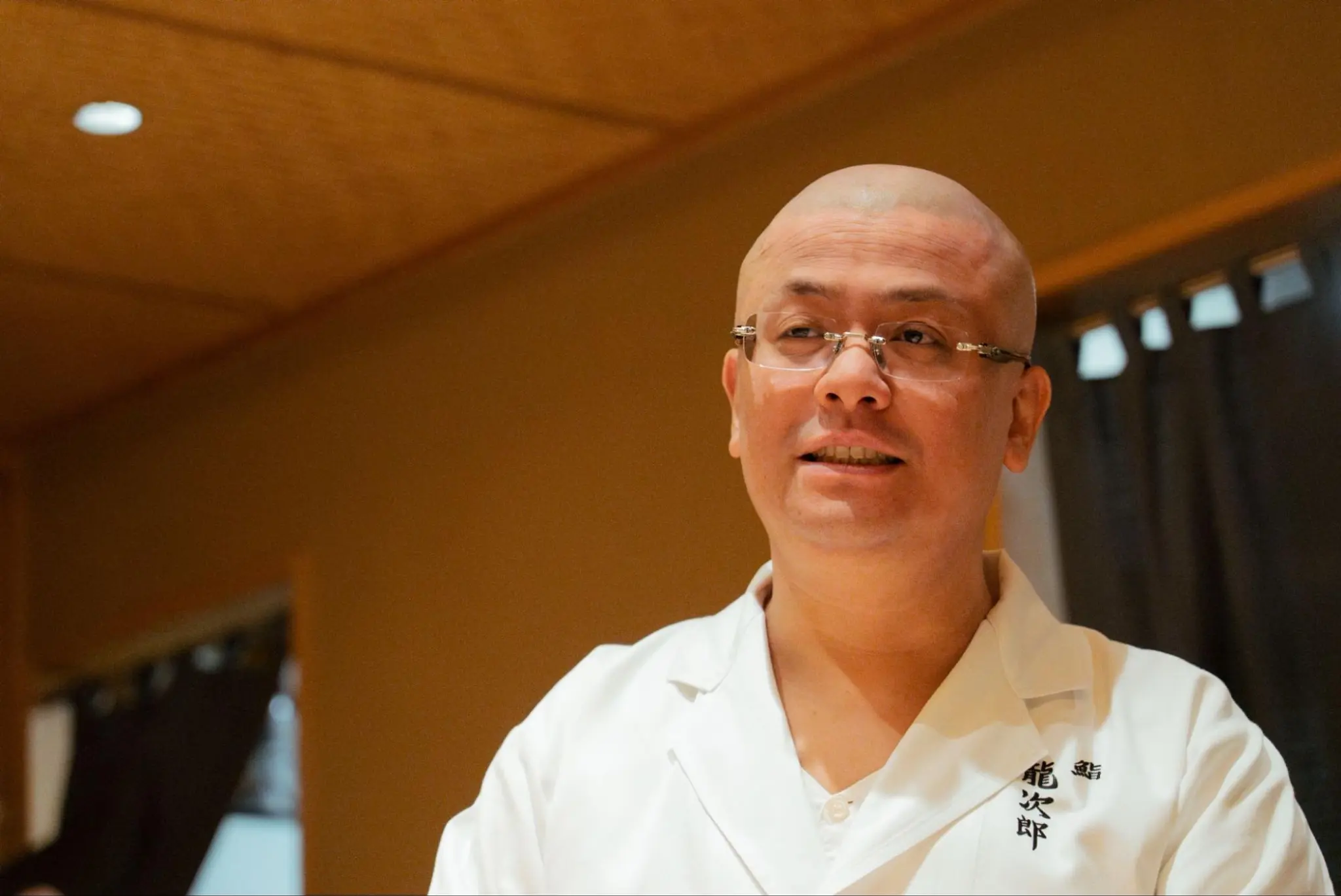
ーーーCan you tell us about the composition of the course and any particular aspects you focused on?
In our course, we serve 11 pieces of nigiri, of which four are tuna. For example, even if a customer finds a single piece of nigiri delicious, that doesn't necessarily mean they will feel a consistent level of satisfaction or fulfillment by the end of the course. Some days, they might feel, "I really ate well today!" while on other days, they might think, "I feel like I could have eaten more." To me, the key factor in this difference is the shari. That's why I adjust the shari daily in response to the season and the changes in neta.
Additionally, I don't want customers to feel overly full or fatigued from eating by the end of the course, so I always keep the overall balance in mind. If rich, fatty ingredients or strong-flavored items come in succession, it can put a strain on the stomach. I make sure to create a rhythm in the course structure so that customers can enjoy it fully until the last bite. During colder seasons, for instance, we begin by serving a warm clam broth to gently warm the stomach. After that, we serve a single piece of chutoro as a signature introduction, followed by seven tsumami (appetizer) dishes and then ten pieces of nigiri, forming the structure of our course.
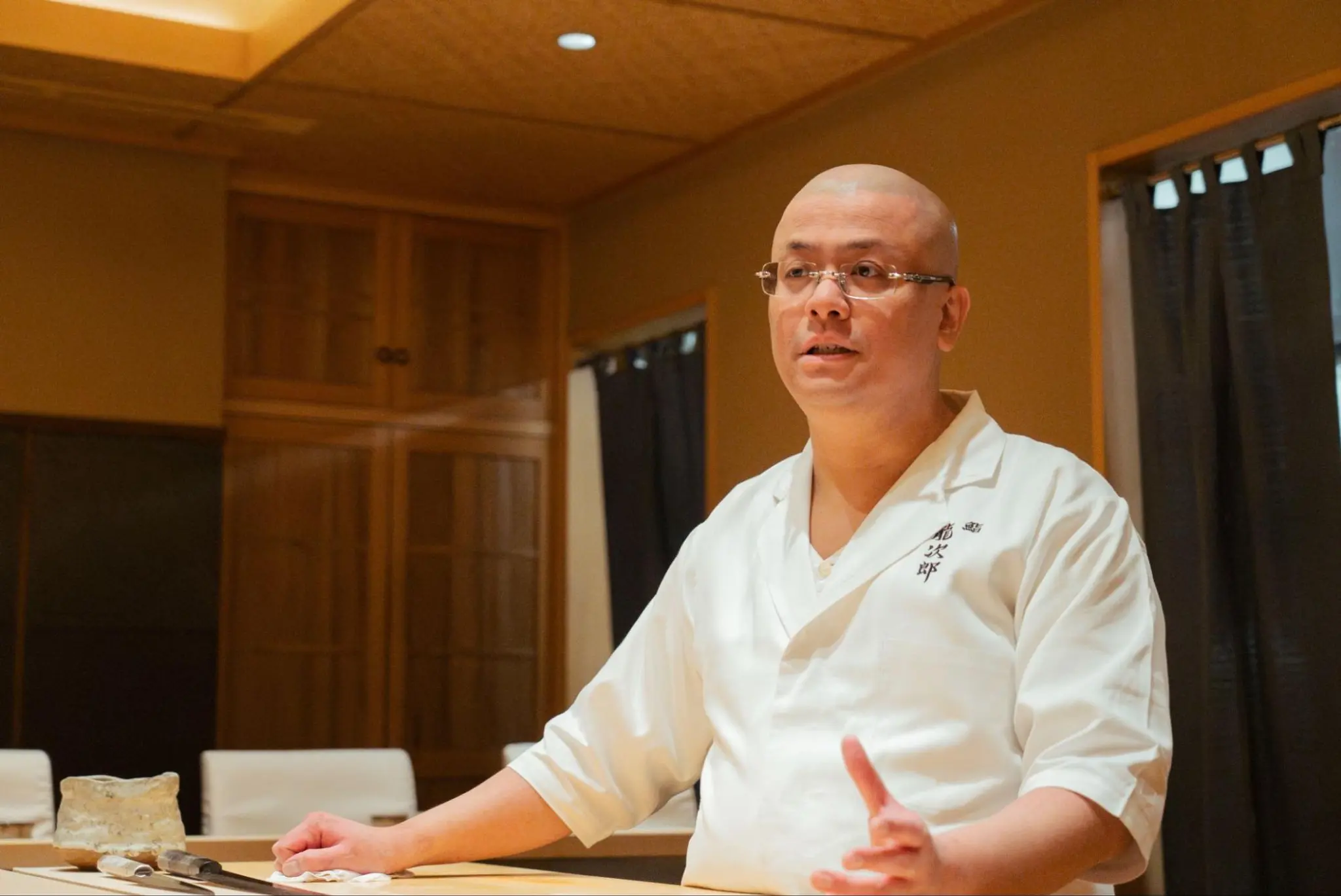
At my last place of training, 【Umi】, the late master Nagano had a serving style where nigiri and tsumami were alternated. During the four years I served as the head chef at 【Umi】, I strictly maintained that style without making any changes. However, when I became independent and started structuring my own course, I had a strong desire to incorporate some aspect of Master Nagano’s philosophy. That led me to the decision to serve nigiri as the very first dish. Additionally, after going independent, I changed my tuna supplier. Because of this, I wanted to begin the course with a single piece that I could present with absolute confidence—one that would make a strong impression on the guests from the very start.
ーーーWas there a particular reason behind changing your tuna supplier?
For a sushi chef, changing fishmongers or wholesalers is something that is generally not done. While it’s not exactly taboo, it does require a great deal of courage. Amidst this, I was fortunate to have met the president of the renowned tuna wholesaler "Yamayuki". I expressed to him my strong desire to use their tuna, and when I did, he responded, "I’ll take care of you." That’s how our relationship began, and it continues to this day. Many prestigious restaurants source their tuna from "Yamayuki", and even if one wants to buy from them, it is not easy to secure a deal. Now, I not only have a business relationship with the president, but he also looks after me on a personal level, for which I am deeply grateful. It is entirely thanks to him that my perspective on tuna has evolved. Through his guidance, I have gained a deeper understanding of tuna in all aspects—its ideal condition, its rarity and value, and how to handle situations when the best quality is not available. This knowledge has driven me to refine my shari to complement the finest tuna.
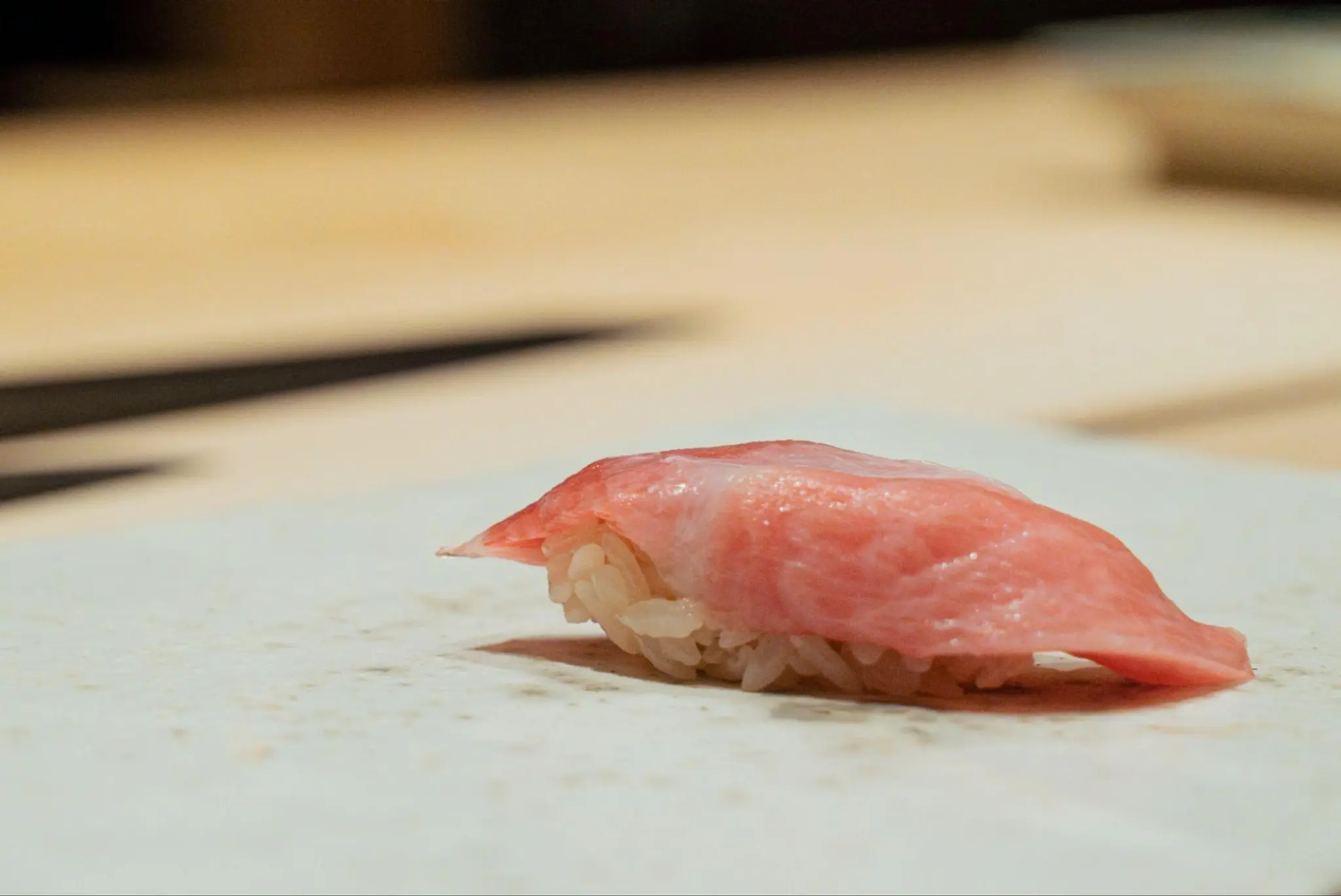
The kind of tuna I love is the kind that makes you think "Wow, this is incredible!" the moment it touches your tongue—without even needing to chew. Even while I’m shaping it, the aroma rises, instantly conveying its deliciousness. For example, tuna from set-net fishing in Maizuru, Kyoto, or Funka Bay, as well as one-line caught tuna from Aomori, are truly exceptional.
ーーーWhat are the characteristics of set-net caught tuna?
Most of them are relatively small, usually under 100kg, and sometimes even around 30kg. The flavor is clean yet deeply complex, which is a defining trait. It’s the kind of tuna that, after eating one piece, makes you crave another, and then another. Visually, depending on the season, it has beautiful marbling. When you press high-quality tuna with your finger, it slowly returns to shape—just like a low-resilience cushion. The difference is undeniable!
Pursuing the Perfect Balance Between Carefully Selected Ingredients and Shari
ーーーIs there a difference in your approach to ingredients when preparing nigiri versus sashimi?
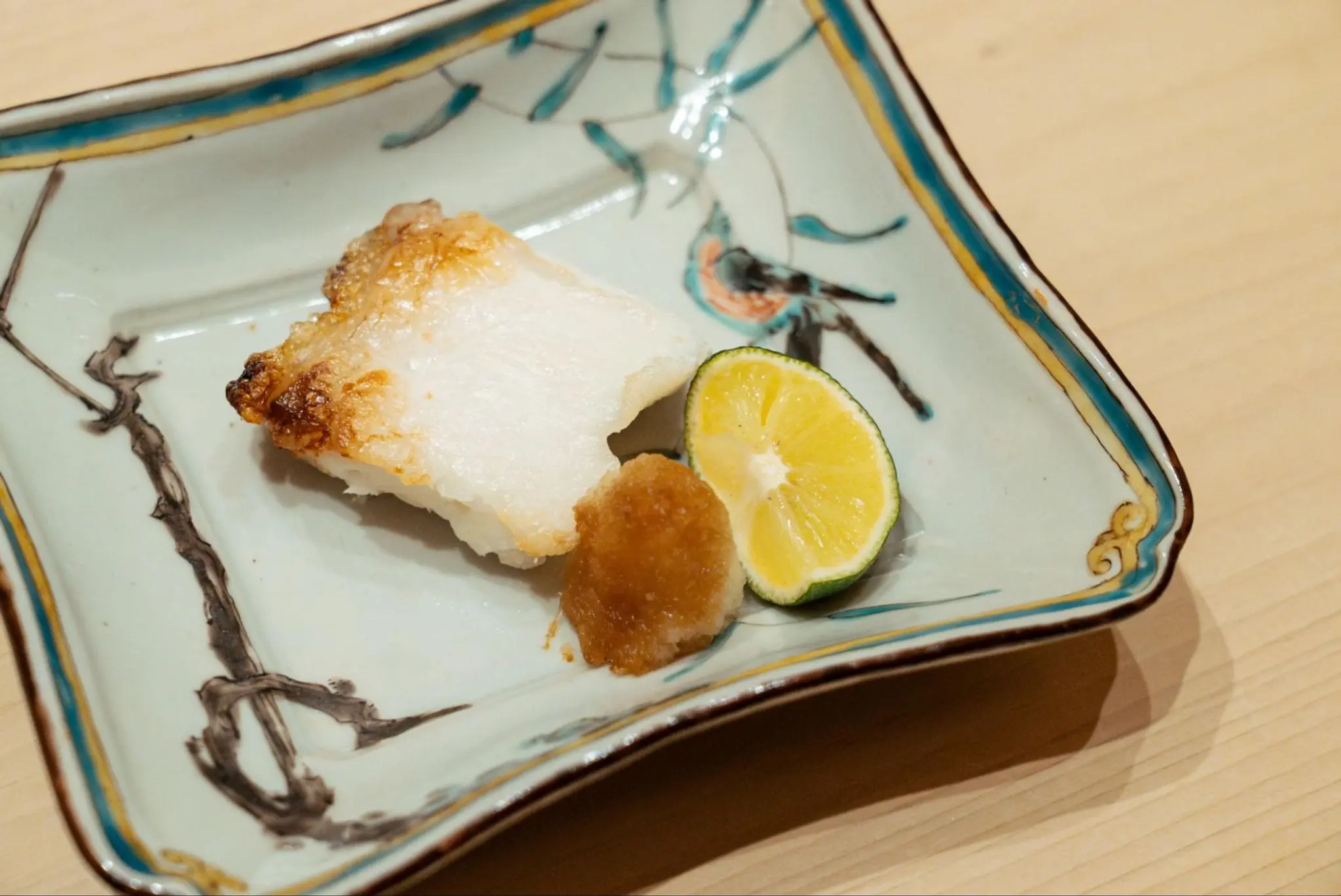
For example, when using the same hirame (flounder) for both tsumami and nigiri, my approach differs depending on the preparation. For tsumami, I do not age the fish. I want to preserve its natural firmness and elasticity, so I serve it fresh with sudachi or ponzu to enhance its texture and brightness.
On the other hand, for nigiri, I often age the fish for several days. Aging enhances its umami, allowing it to integrate harmoniously with the shari when eaten together. Of course, there’s also an intuitive aspect to it. I carefully observe how the neta changes over time, and each day, I make a decision—"This is the way to go today!"
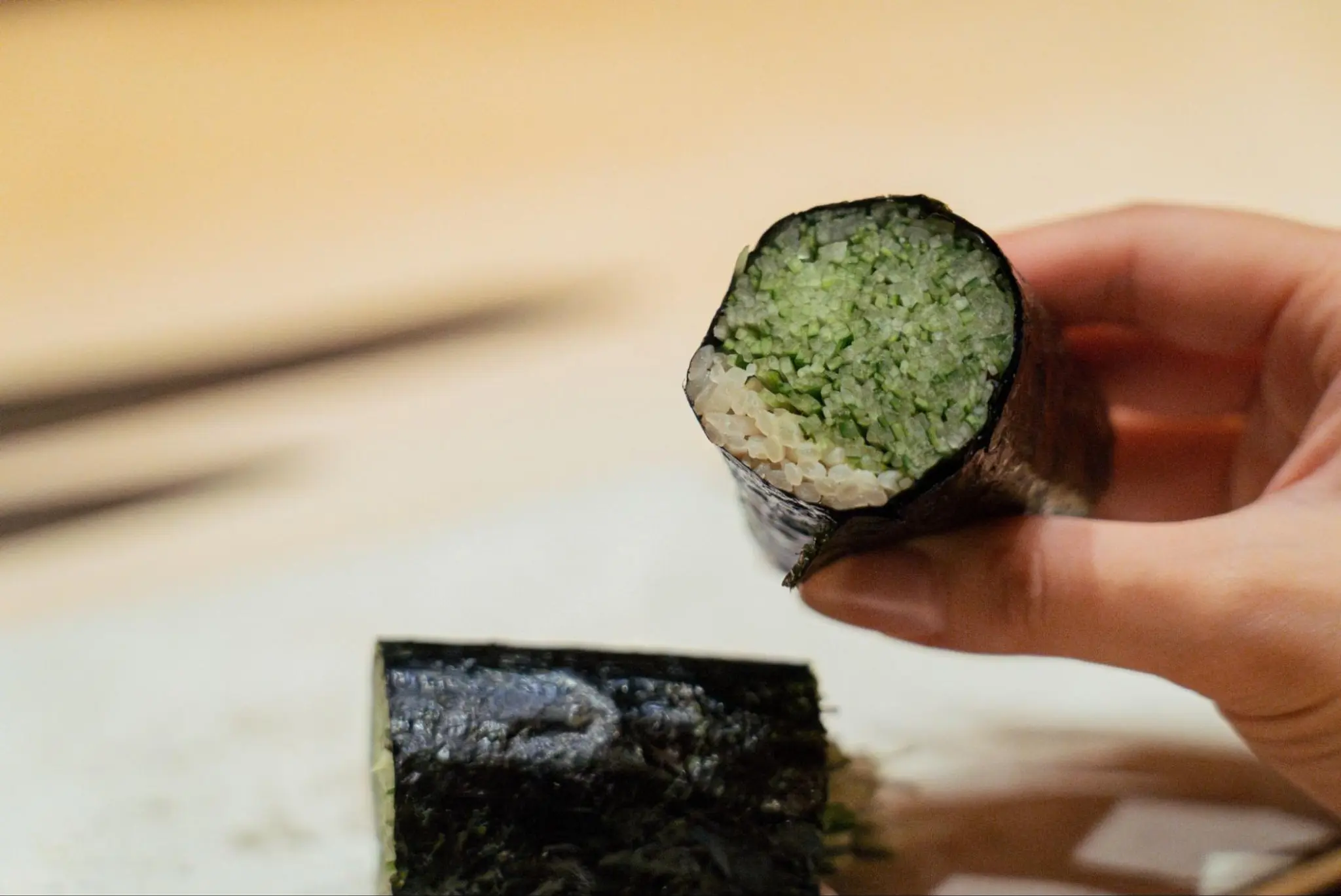
ーーーSpeaking of visual impact, your "Kappa Maki" has become a signature dish!
During my training days, my master once received an overwhelming amount of cucumbers from a customer. There were simply too many to use up, and at that time, a disciple who had trained in Japanese cuisine decided to peel them into thin sheets (katsuramuki) and cut them into fine strips. That’s how it all started. When I was the head chef at 【Umi】, many customers would request it as the final dish of the meal, and I would serve it accordingly. When I became independent, I noticed that none of my senior apprentices continued making it, but many regular customers from my 【Umi】 days specifically asked for the Kappa Maki. Because of this, I decided to keep it on the menu as an additional final dish. Nowadays, the impact of social media is immense, and first-time visitors always order it after seeing it online. In just one round of service, we sometimes use up five whole cucumbers, so I’m pretty sure our restaurant consumes the most cucumbers out of any sushi restaurant (laughs).
Dining Should Always Be Fun!
ーーーHow do you differentiate your restaurant and incorporate originality?
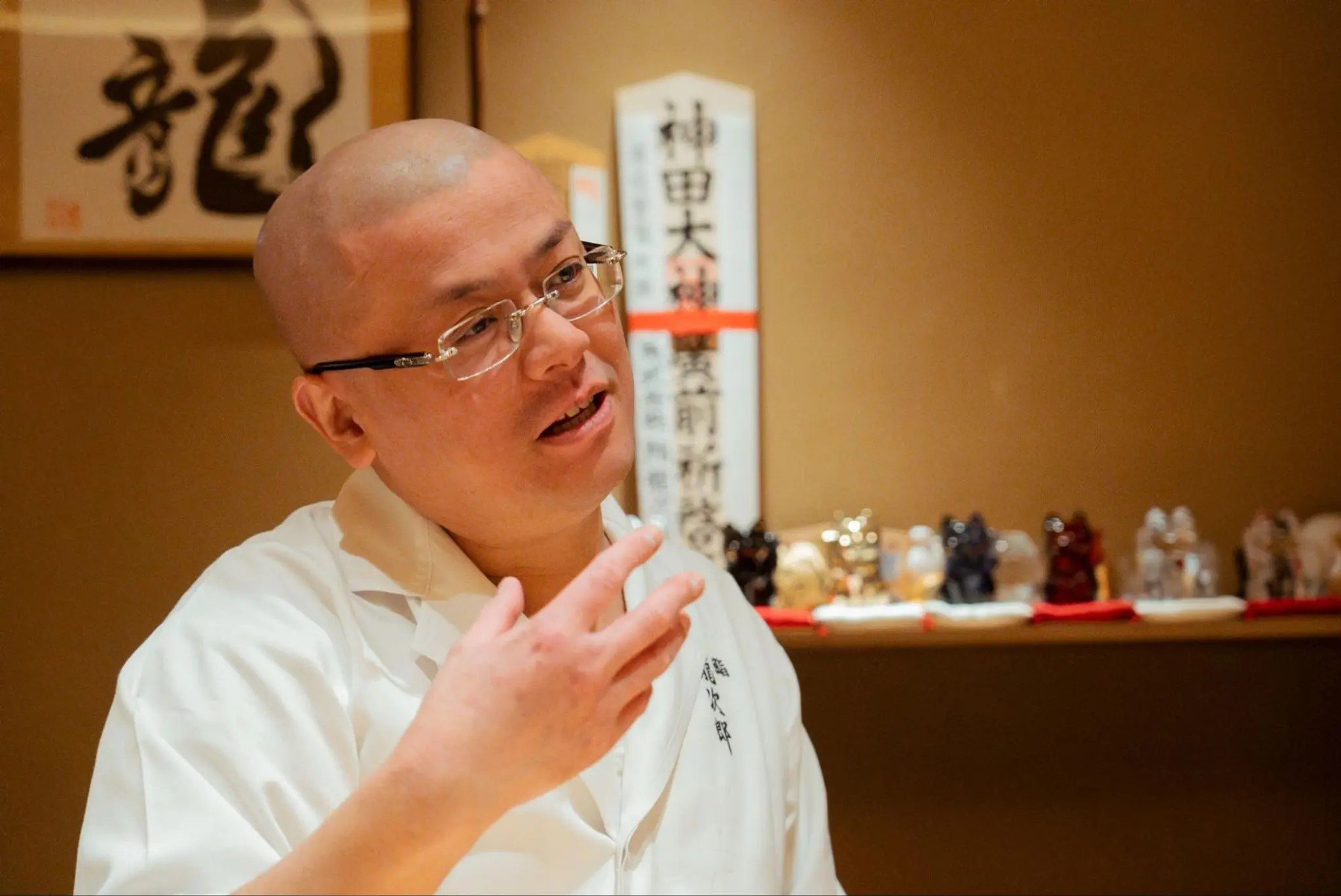
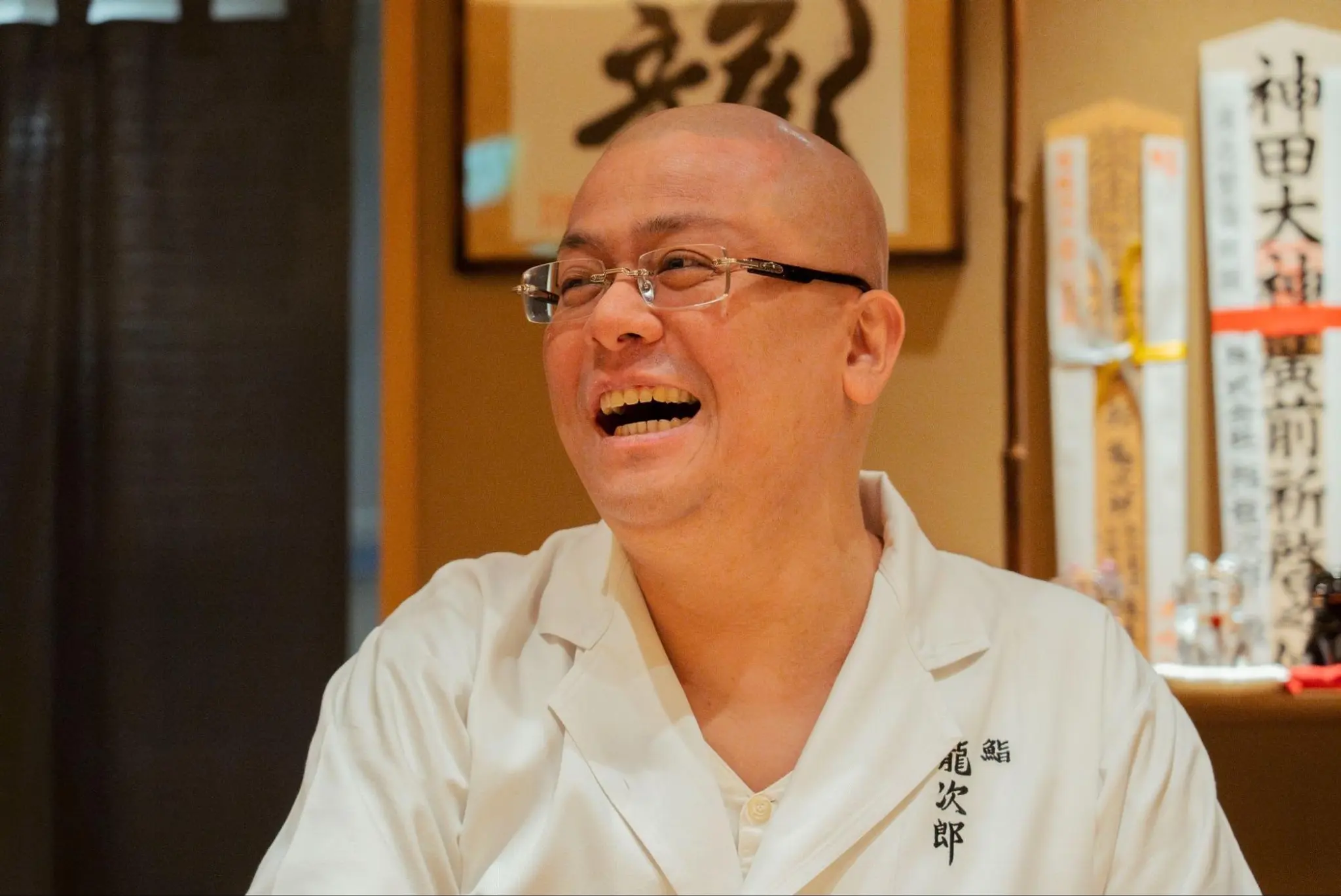
Our customers often tell us that they feel "rejuvenated" after visiting our restaurant. Personally, I also want our establishment to be a "power spot" for our guests. I strive to eliminate any stiff, formal atmosphere so that customers can relax and truly enjoy their dining experience without feeling like they need to remain silent. Our restaurant leans more toward the lively side, and recently, a guest even commented, "It’s located in Aoyama, but it has a downtown vibe!" (laughs).
Of course, not every guest will resonate with our style. But personally, I believe that dining should always be fun. While it’s natural for the restaurant to be considerate of guests, I don’t think guests should have to feel overly self-conscious. Naturally, a basic level of etiquette is expected, but I don’t believe in imposing unnecessary formalities on the dining experience.
ーーーWhat inspired you to create an atmosphere where customers can enjoy their meal comfortably?
A regular customer once told me, "At Ryujiro, we don’t have to whisper, and that’s what I love about it." Some sushi restaurants have a very serious and formal atmosphere, and while I don’t dislike that style at all, I personally feel a bit nervous if the room goes completely silent while I’m making sushi.
Honestly, I love being watched while I work, but if it gets too quiet, I start to lose my rhythm! So in my mind, I’m always thinking, "Come on, talk! Say something!" (laughs).
Focusing on the Customers Right in Front of Me
ーーーCould you share some stories from your training days at 【Umi】?
I vividly remember my interview with my master, when he told me, "If I say a crow is white, then it’s white." At that moment, I thought, "I’ve come to the wrong place!" (laughs). My master was an absolute authority, and during my training, the only acceptable response to anything he said was "Yes!" Three months after my senior apprentice Amamoto-san (now the head chef of 【Higashi Azabu Amamoto】) became independent, my master was diagnosed with cancer. At that time, I was the only apprentice left. It was an incredibly tough period, but looking back, they were good memories, and surprisingly, I now recall those days with fondness and even laughter.
ーーーBesides the course structure, are there any other aspects you have inherited from your master, Chef Nagano?
One commonality is that we both place great importance on using the finest ingredients when making sushi. However, when it comes to shari composition (vinegar and salt ratios) and the types of seasonings I use, I have completely changed them since becoming independent. I owe the evolution of 【Sushi Ryujiro】 to the valuable lessons I’ve learned from visiting other sushi restaurants, the advice from Yamayuki’s president, and the support of the people around me.
Even with my shari, I have completely changed my original approach from what I initially decided on. I constantly experiment and refine, always thinking, "Can this be even better?" Right now, I’m actually in the process of adjusting it once again. People often say, "Sushi is a matter of personal preference," and I completely understand that. What I find delicious doesn’t necessarily align with what every customer finds delicious.If I have ten customers at the counter, my goal is for the majority of them to find my sushi delicious. That’s why I strive to create sushi that resonates with as many people as possible matter how much confidence I have in what I serve, if a customer doesn’t enjoy it, then I need to adapt. That’s why I always pay close attention to my customers' reactions.
ーーーDo customers openly share their opinions with you?
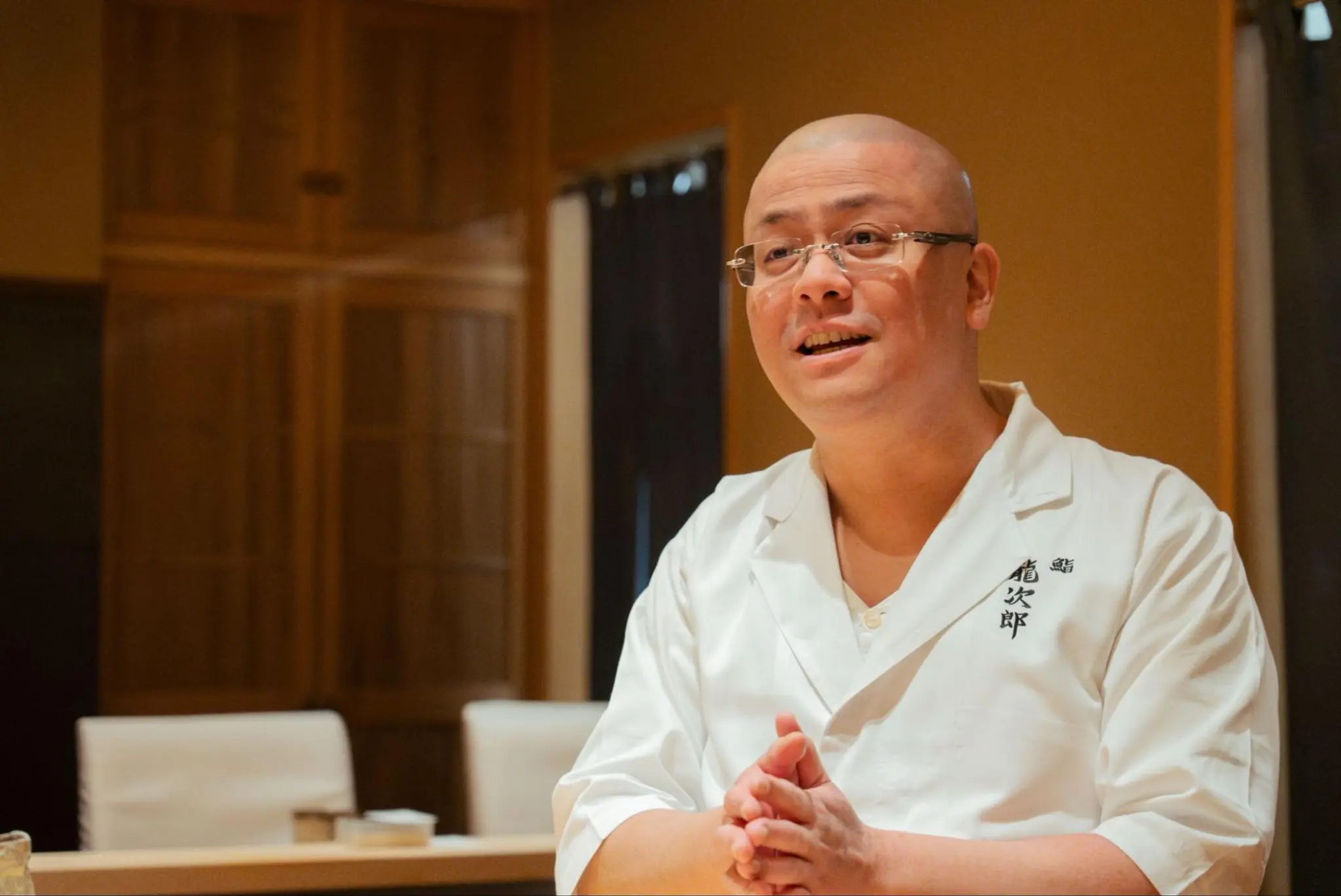
Some customers are very straightforward with their feedback, while others simply say, "That was delicious," as they leave. However, what I value most is the unspoken sense of satisfaction I can feel from my guests. Recently, I’ve almost stopped checking social media altogether. I’ve realized that constantly looking at it can distort my own perspective. Instead, I focus entirely on the reactions of the customers right in front of me—that’s what matters the most.
Striving to Create a Restaurant That Moves Customers' Hearts
ーーーNow that you are in a position to train apprentices, what do you want to pass on to them?
I feel that fewer young people today truly think for themselves. Many prefer to be given the answer first and then simply follow it, rather than figuring things out on their own. But without the ability to think independently, it’s hard to imagine them succeeding on their own when the time comes to go independent. I want them to develop the strength to try, even if they fail. That’s something I emphasize every day. Because of this belief, I now leave the training of new, inexperienced apprentices to my more experienced disciples. I hope that by taking on this responsibility, they will learn to think for themselves and develop true problem-solving skills.
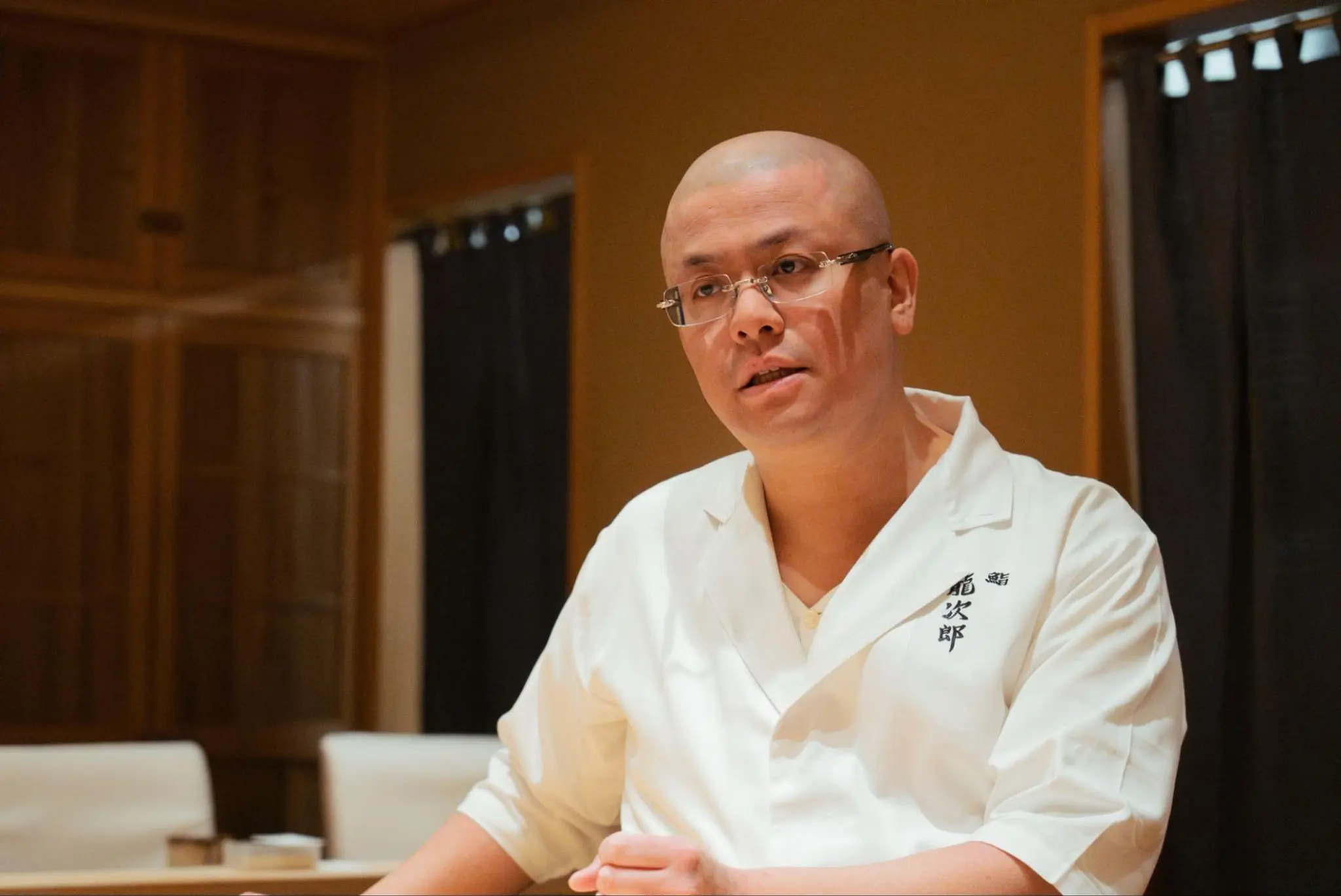
Another important lesson is “earning the favor and respect of others.” This applies to customers, fishmongers, wholesalers, and everyone we interact with. Many of them are our seniors in both age and experience, so it’s essential to approach these relationships with the right attitude and mindset. For example, rather than thinking “I am buying fish from the fishmonger,” it should be “I am being allowed to buy fish.” This subtle shift in perspective makes a big difference in how we treat those who support us. I also want my apprentices to understand the importance of expressing gratitude—whether it’s a simple “thank you” or a heartfelt appreciation for those who help us. This is something I was strictly taught by my own master during my training, and it’s a lesson I deeply value. I hope to pass it down to the younger generation, ensuring they carry it forward in their own careers.
ーーーHow do you give your apprentices opportunities to think and act for themselves?
In the past, craftsmen often said, "Watch and learn." But I think that approach has faded in today's world. When I was training, my seniors would often scold me, saying, "You’re not paying attention to the work around you at all!" That really frustrated me. I believe that when someone gets called out, the way they process that frustration makes a huge difference in their growth. Instead of getting discouraged, it’s okay to feel annoyed. I want my apprentices to experience that kind of frustration—to be mad at themselves for making mistakes, to feel irritated when they get corrected. These days, rather than yelling at them, I simply say, "Step back." I send them to the back, away from the counter. And that should hurt. If they don’t feel frustrated by that, then they’re not going to grow. That frustration should trigger self-reflection—"What did I do wrong?" or "What could I have done better?" If they don’t know the answer, then they should take the initiative to ask .I’ve been there myself. There were times when I had no idea what I should do or what the right answer was. But I also remember the immense joy when I finally came up with a solution on my own and had it validated. That feeling of accomplishment is something I want them to experience too.
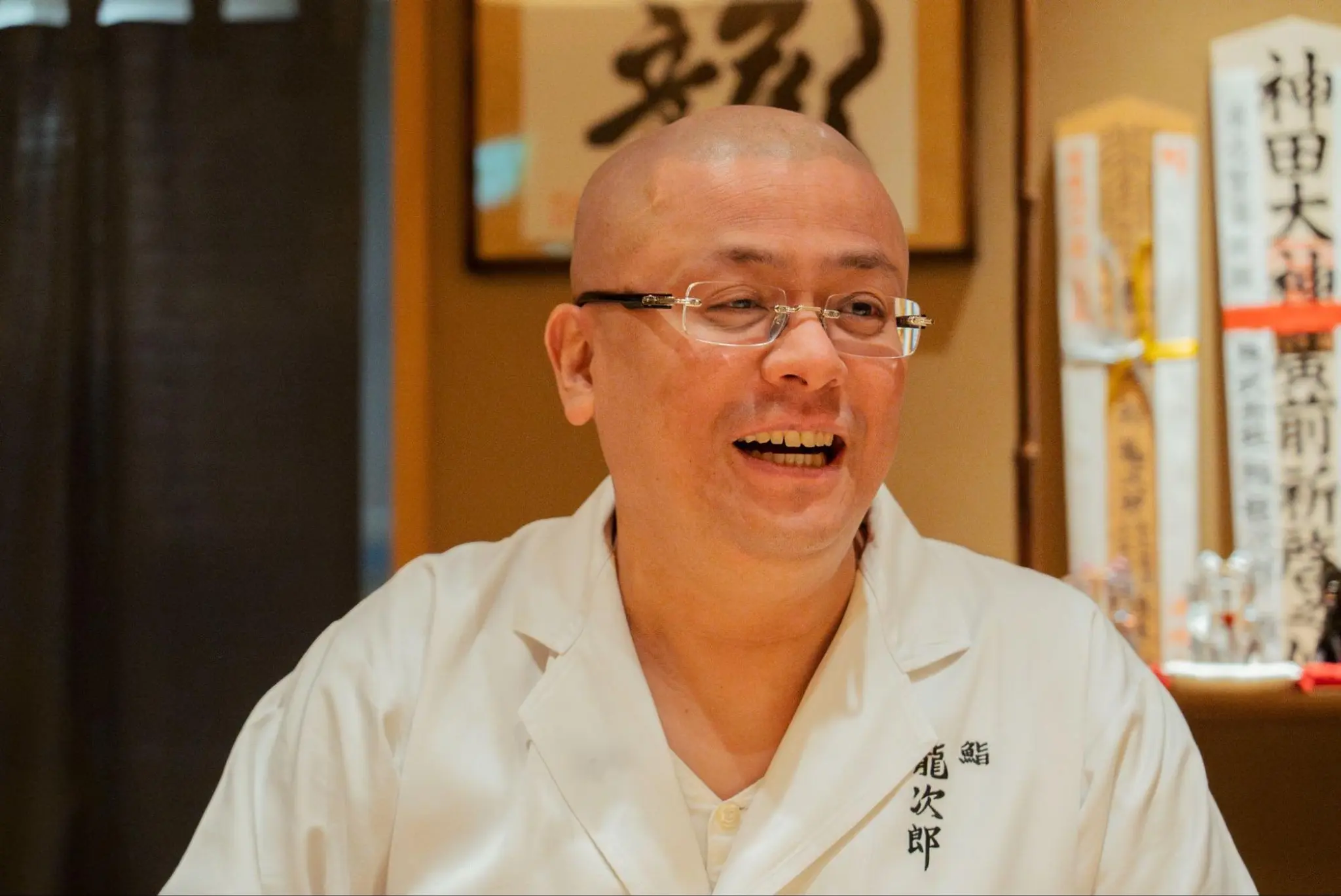
ーーーFinally, what does "delicious" mean to you, Chef Nakamura?
For me, "delicious" is when a customer finishes their meal and thinks, "I want to come back." It’s that feeling of pure happiness at the end of the experience. I believe that deliciousness is not just about taste—it’s a combination of the atmosphere, hospitality, and every element that comes together to create that moment.
As a chef, I’ve noticed that one thing all truly exceptional and moving restaurants have in common is the character of the chef. Every chef I’ve encountered at restaurants who left a lasting impression on me has been an incredible person. For example, when I taste my own sushi during trial runs, I do think, "This is delicious." But when I visit another sushi restaurant as a guest, the feeling of deliciousness and the level of emotion I experience is somehow different. I believe that "something" comes from the personality, soul, and passion of the chef being embedded in the food. In a way, great taste is expected in any restaurant, but in a world filled with so many dining options, what truly sets a restaurant apart? I believe it’s the soul and personality of the chef, and how those emotions are conveyed through the food to the customer.
The flavor of "delicious" is something that every restaurant is expected to deliver. But in a world with so many dining options, what truly sets a restaurant apart? I believe it’s the chef’s character, soul, and passion—elements that are conveyed through the food and reach the customer. That is what transforms "delicious" into something deeply moving, leaving a lasting impression on the hearts of guests. Even if time passes and the details of the meal fade, the image of that restaurant will never lose its vibrance. Moving forward, I will continue to strive to make 【Sushi Ryujiro】 a place that satisfies not only the palate but also the heart. With sincerity and passion, I will welcome every guest and pour my soul into each dish I serve.
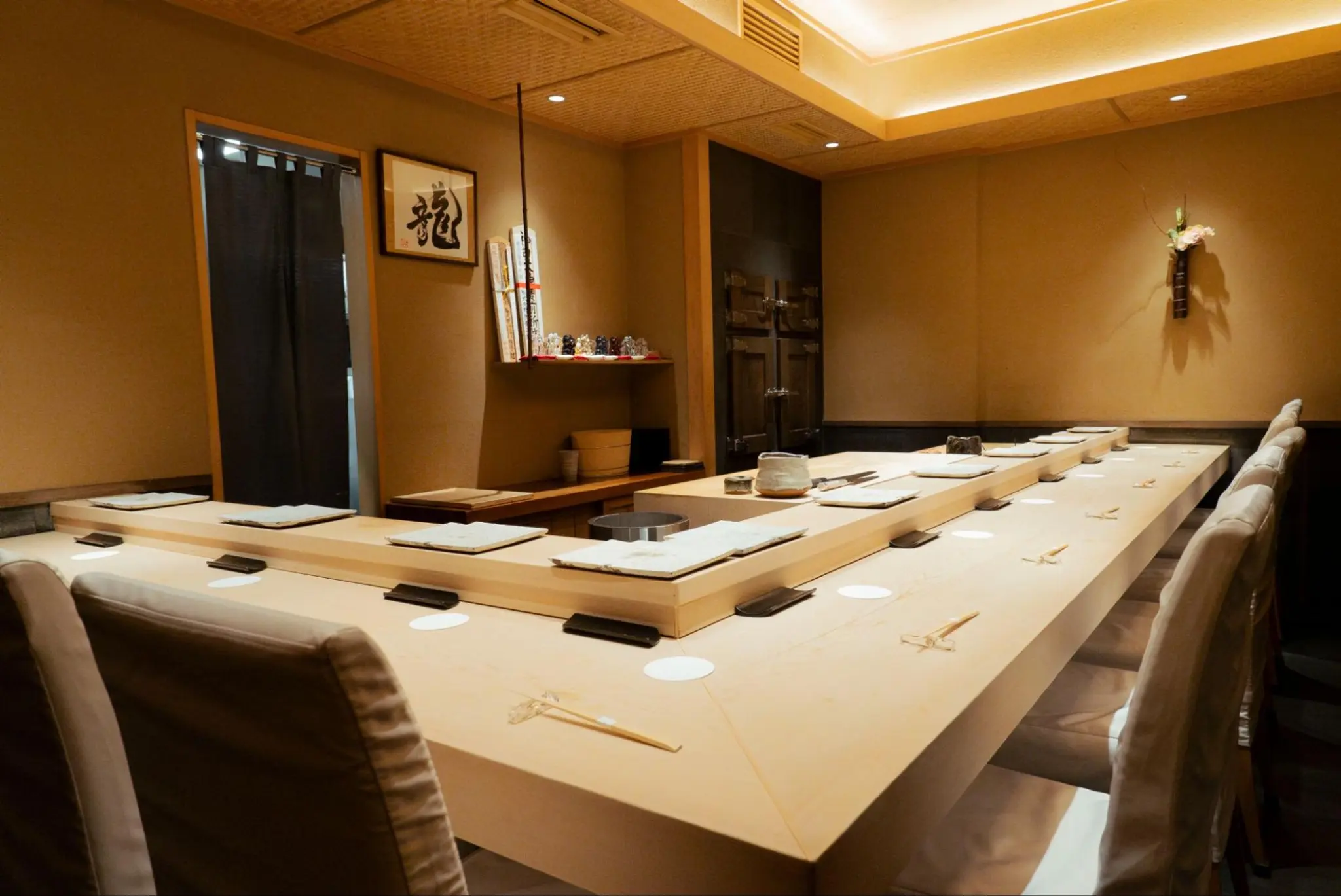
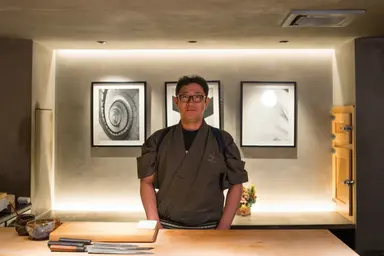
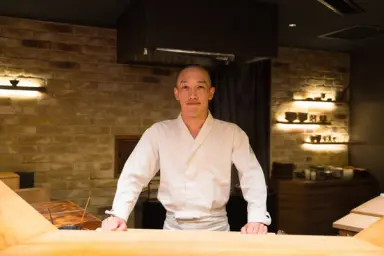
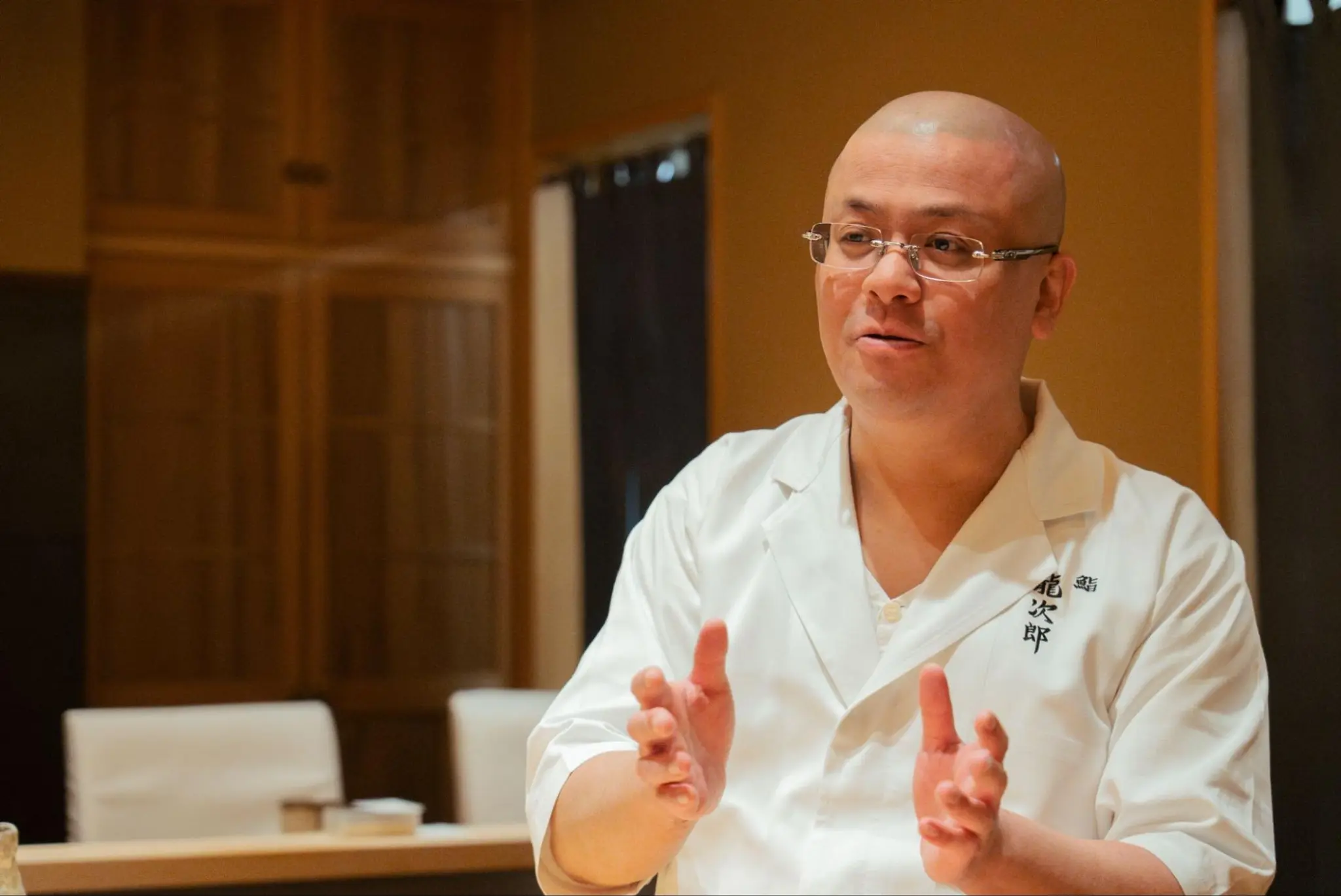
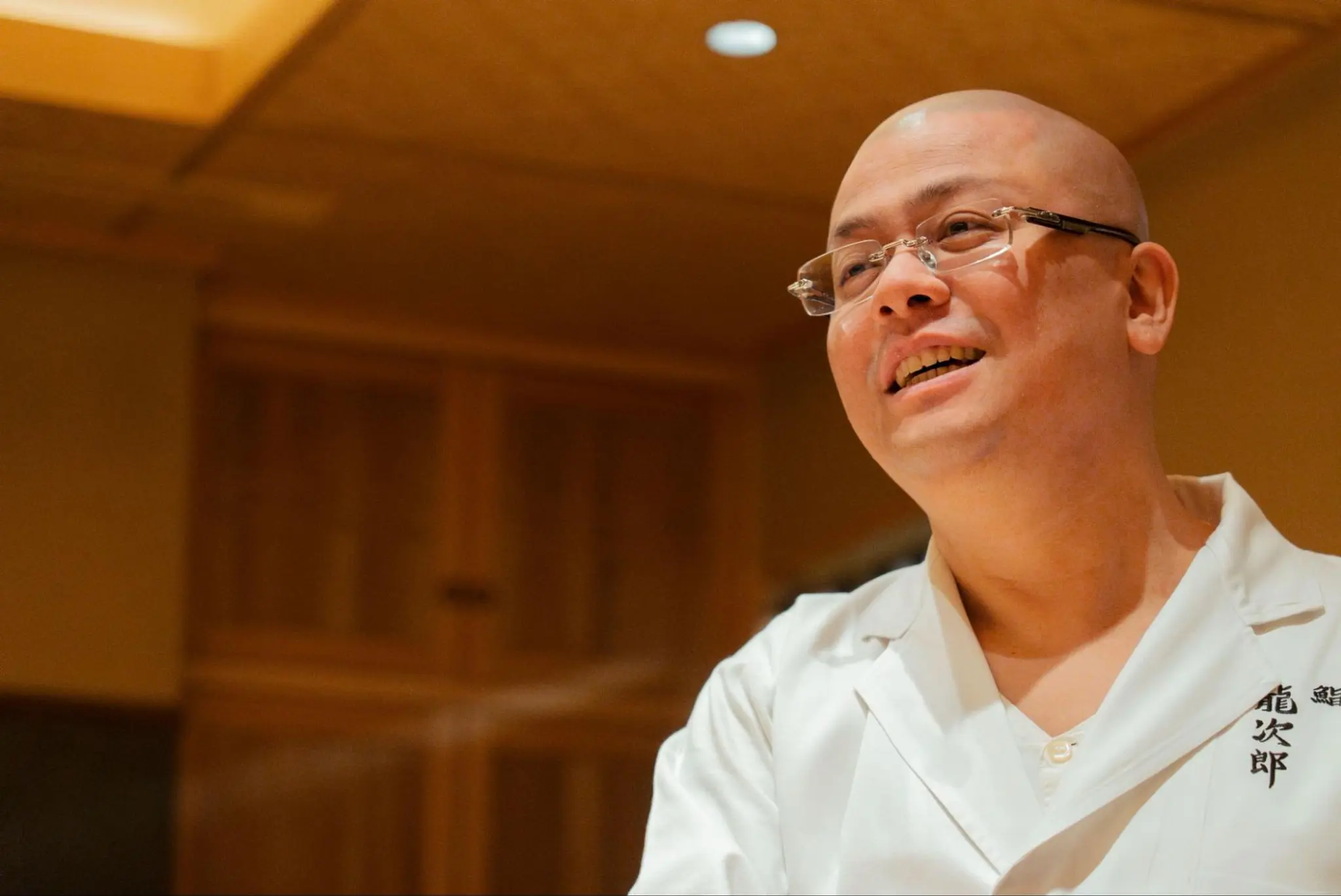
At a solid 10 cm thick, the grand Kiso Hinoki counter sets the stage for an exceptional Edomae sushi experience. "A certain level of manners is necessary, but I don’t want my customers to feel like they have to be overly conscious of their behavior in my restaurant," says Chef Nakamura. His warm and sincere personality, combined with his meticulously honed craftsmanship, captivates countless regular guests who return time and time again. In this vibrant and energetic yet comfortable space, diners can savor the finest sushi, creating an unforgettable experience that will remain etched in their memories.
Interview / Yuri Yanagiya
Text / AutoReserve Magazine Editorial Team
Photography / Azusa Nakaoka
Restaurant Information
- AutoReserve Magazine
- Japan’s world-renowned flagship restaurant
- "Aiming to Be a Power Spot for Customers! The Essence of Hospitality by 【Sushi Ryujiro】's Ryujiro Nakamura"