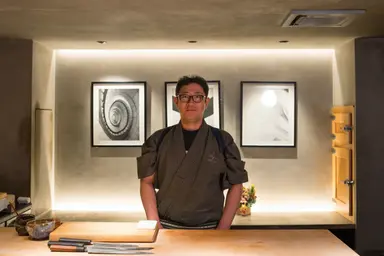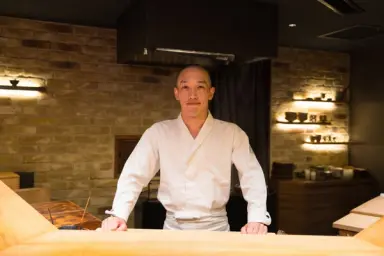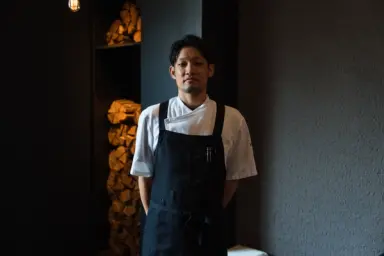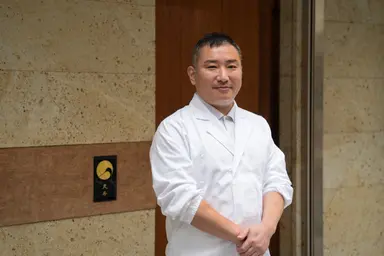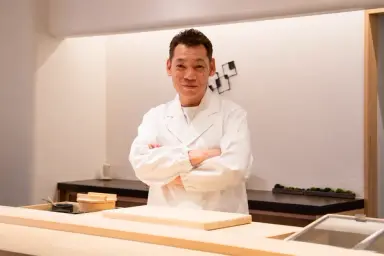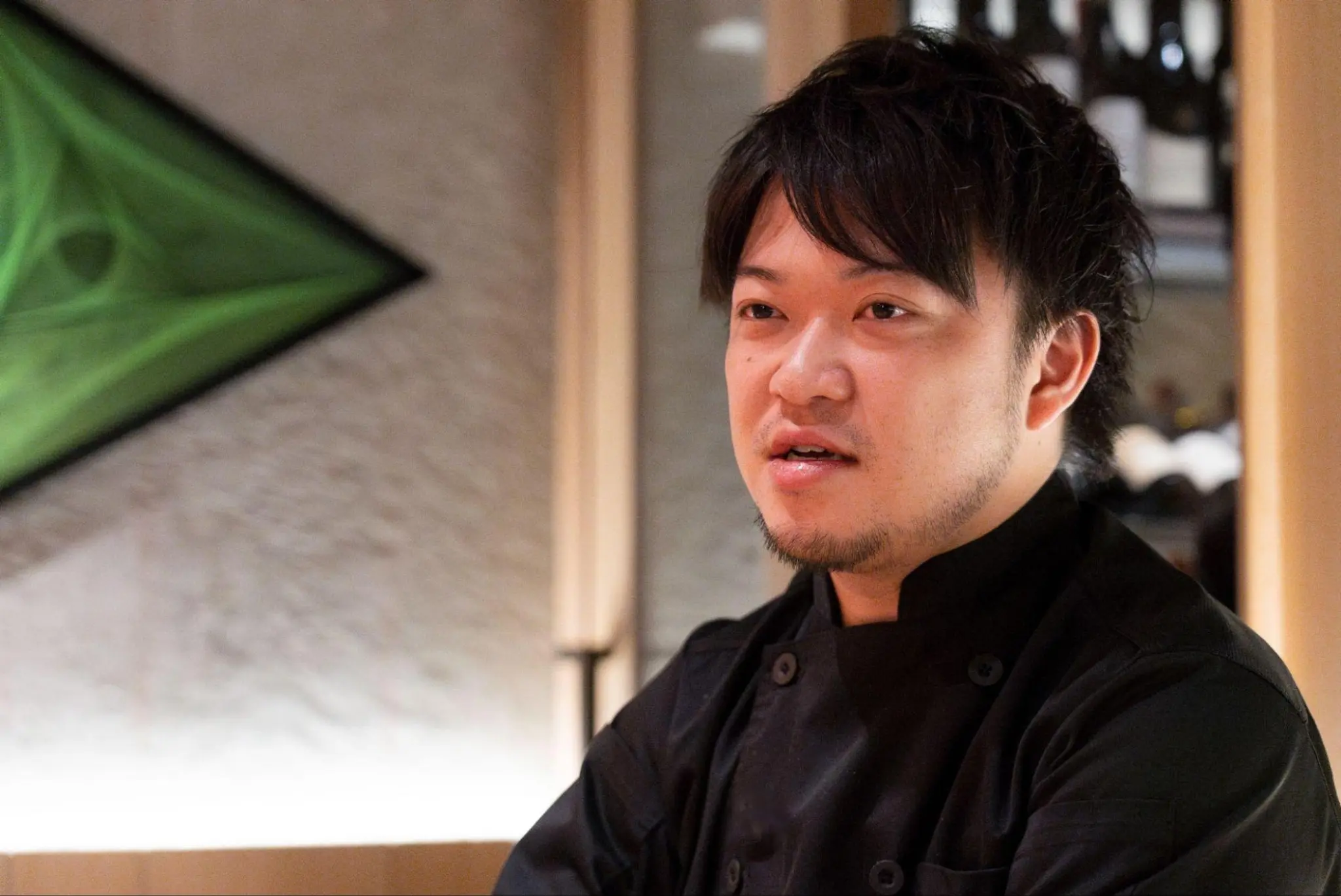
The Ideal Restaurant Originating from "Comfort" for Everyone: The Thoughts of Mr. Tsukasa Kitano of 【tens.】
Realizing that simply "loving cooking" is not enough.
ーーーCould you tell us what inspired you to become a chef and could you share your background with us?
My family ran a fish shop, and my parents were hardly ever home. I’m the youngest of five siblings, and by the time I came along, I guess they assumed I’d just take care of myself (laughs). Since my parents were often absent, I had to manage things like lunch on my own. I had many opportunities to cook, and I really enjoyed making cakes and desserts. When I was in elementary school, I thought I wanted to become a pastry chef.
When I was in the third year of middle school, I visited my older brother’s house in Tokyo. He made me pasta, and it was so delicious that I was amazed. I couldn’t believe you could make pasta that tasty at home. That experience inspired me to start making pasta on my own, and from that point, I decided to pursue a career as a chef.
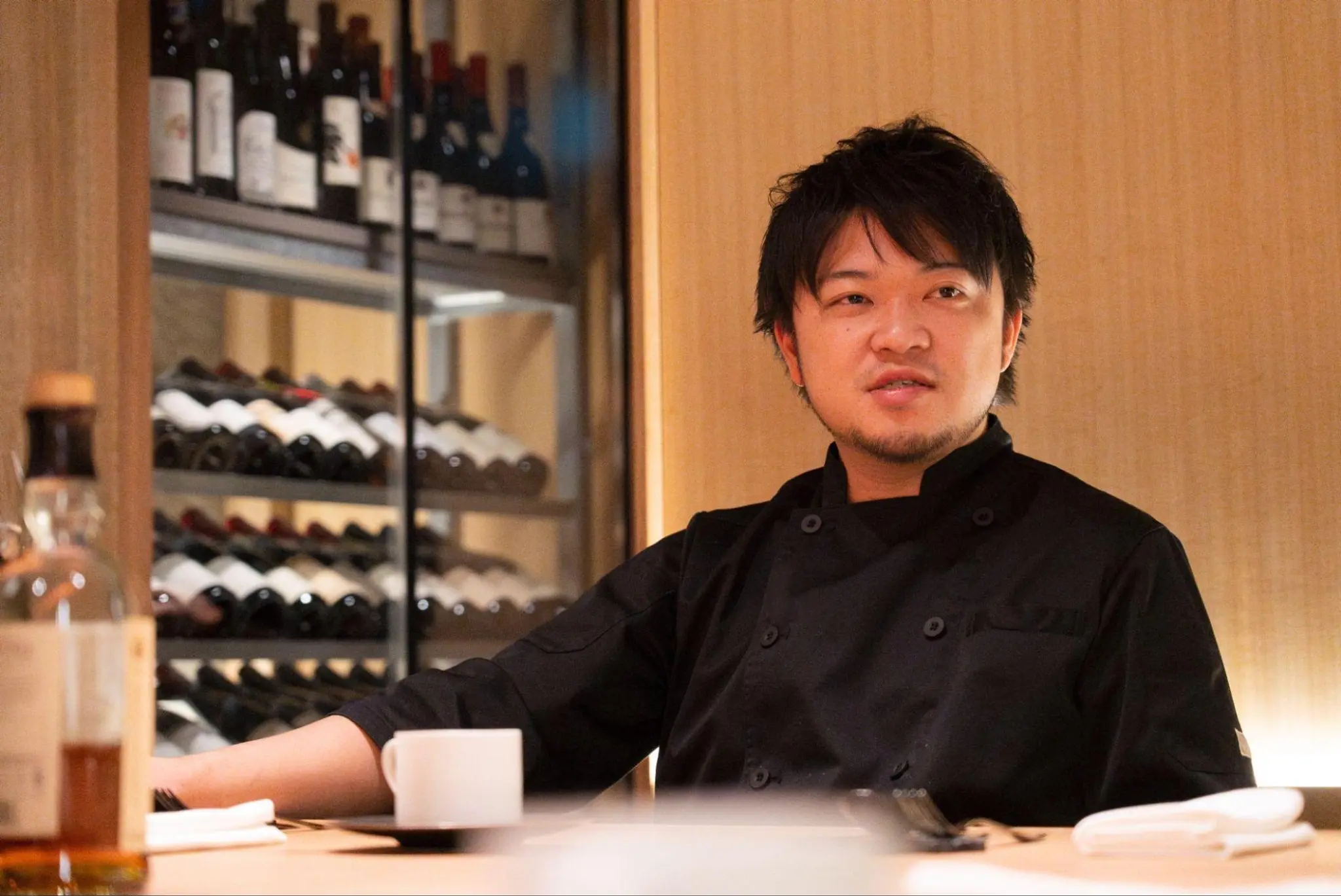
I attended a culinary school in Osaka and also a specialized cooking school. I decided that when it came to choosing a place to train, I wanted to work at "the most popular restaurant." After all, if you’re going to do something, why not aim for the best, right? In Osaka, I worked for about four years at the longstanding Italian restaurant 【sfida】 (now 【anu】). After that, when I was 23, I moved to Tokyo and spent four years working at 【TACUBO】 in Ebisu.
ーーーWere there any important lessons or memorable experiences during your training?
Chef Jun Mano (former chef of 【sfida】 and current owner-chef of 【十皿(Tosara)】) gave me the opportunity to understand not only the joy of cooking but also its challenges, revealing the depth of the craft. He was the person who made me develop my passion for cooking. Of course, there were tough times and harsh moments, but for me, the enjoyable aspects outweighed them. The environment was open and allowed me to pursue my desires freely, so I was given numerous opportunities to grow.
About a year into my training, I had the opportunity to work for six months at the restaurant of Chef Mano’s mentor. During this time, I was beginning to become a bit arrogant due to the praise I was receiving, but it was also when I was confronted with the harsh reality of being a chef. It became the toughest period of my training. My mentor was very strict and didn’t allow any compromises, even for me, a first-year trainee. I had to stay alert at all times, and both mentally and physically, I was completely shattered. However, this experience made me realize the importance of returning to my roots and focusing on cooking with all my effort. I believe that without those six months, things might have turned out differently for me. It truly became a turning point in my life. The four years in Osaka were incredibly intense.
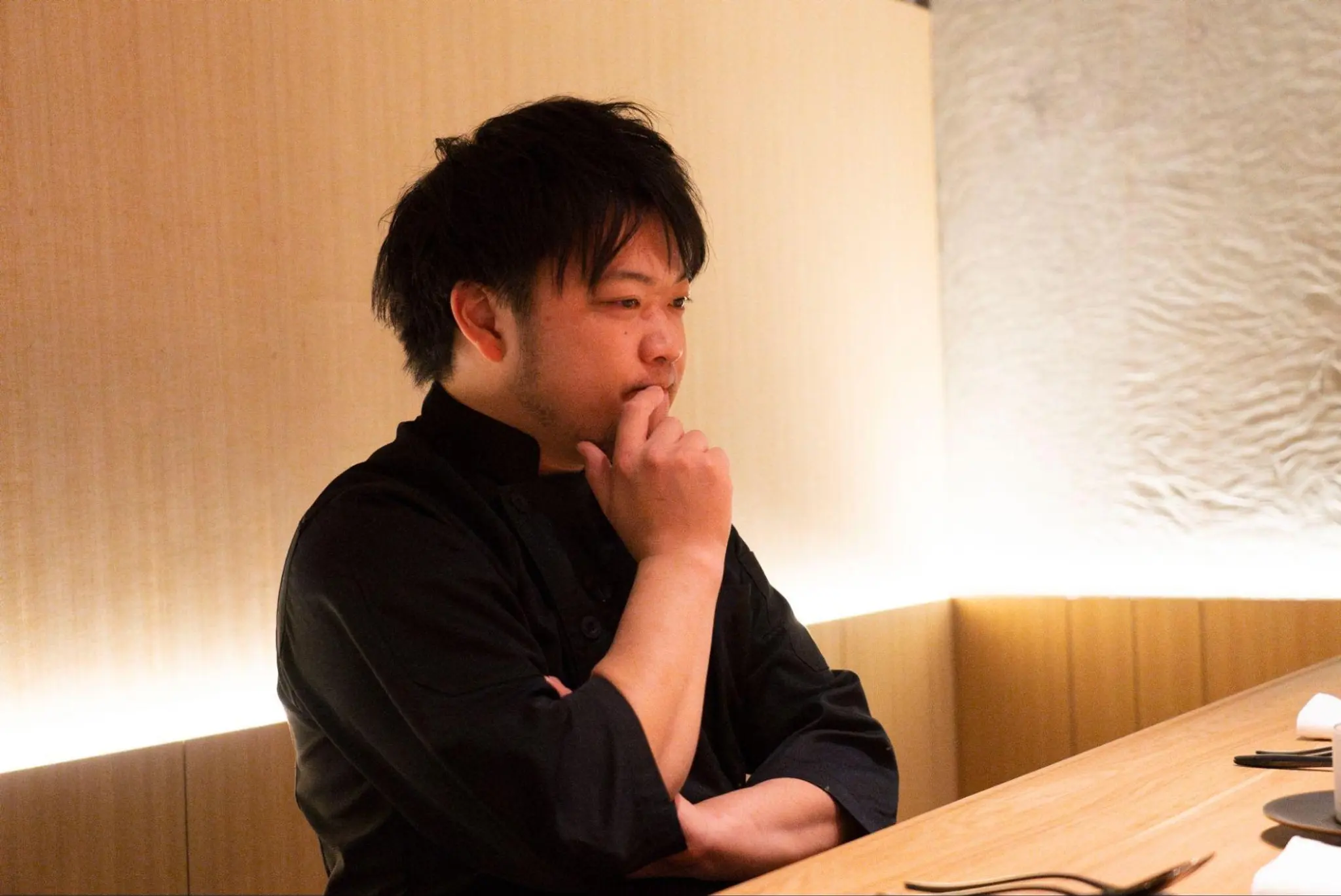
ーーーAfter going through that turning point, did your way of thinking change?
The key lesson was that "you can't just do what you want to do." In order to achieve the things you want, you have to willingly do the things you don't want to do as well. It wasn’t just about cooking skills or the dishes themselves; there was a significant shift in my mindset as a chef. I also tell my staff, "If you want to reach the position you desire in this restaurant, there are certain paths you can’t avoid, and you have to earn them yourself." In both the professional and culinary world, it's not a sweet deal where you only get to do what you want.
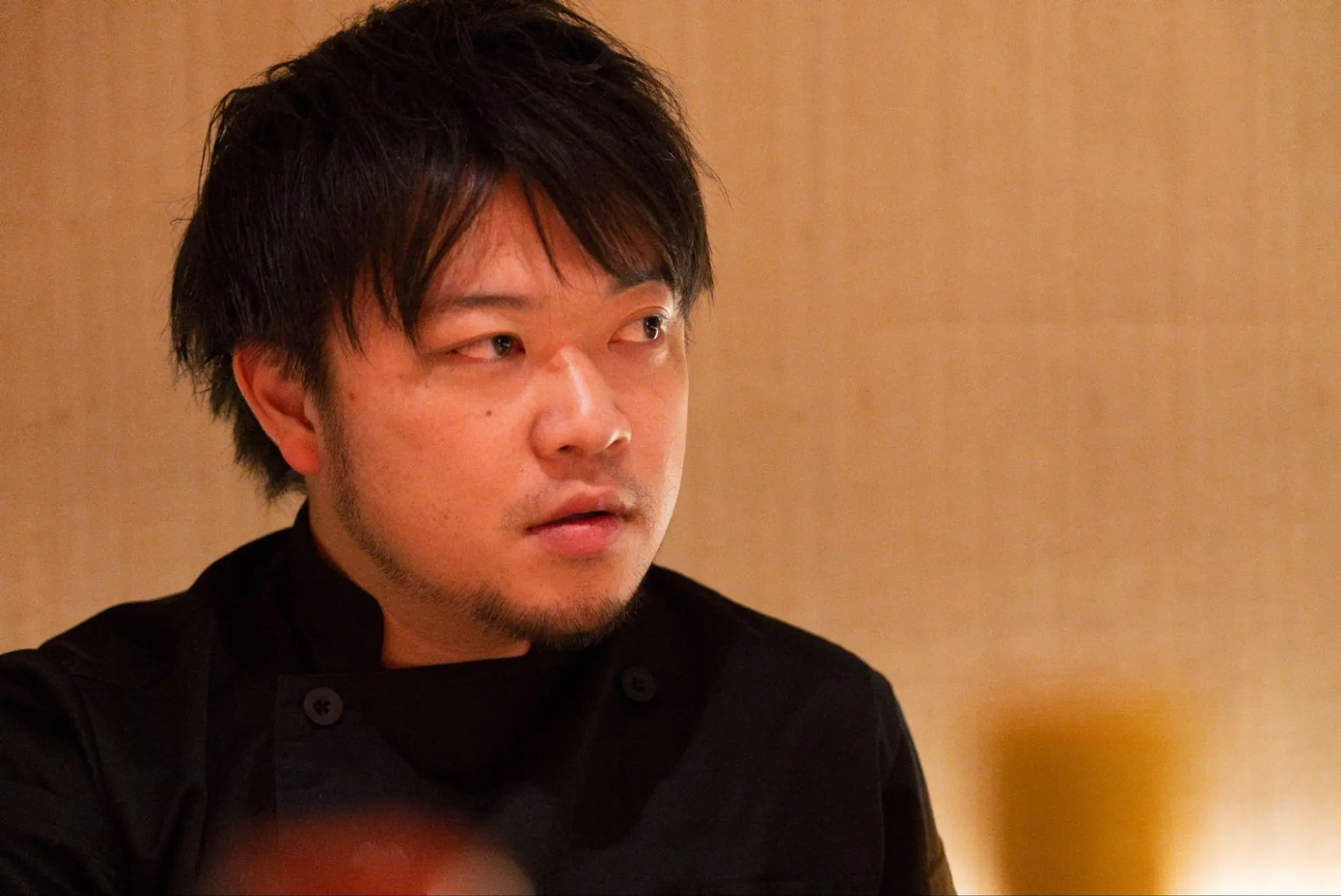
ーーーHow was your experience at 【TACUBO】 with Chef Takubo?
Chef Takubo is also very serious and stoic when it comes to work, and he wasn’t the type to speak much. It was more of an old-fashioned “feel it” approach, and in that environment, I was once again humbled. Especially during the first year, it truly felt like the saying "the nail that sticks out gets hammered down." But I never let it break my spirit (laughs). I also learned a great deal about the importance of manners and etiquette when interacting with producers and customers, as well as the value of proper communication and consideration in relationships. This was the time when I learned the most about the realistic aspects of being a chef, beyond just "loving cooking." Of course, I had already built up some experience by that point, but Chef Takubo taught me things beyond what I had learned before.
At that time, I was careless with manners and etiquette, and I was the type to think, "Isn’t it enough if I can just cook well?" Even when sending order forms, I didn’t pay attention to writing neatly, or to how I spoke to customers and elders. Chef Takubo taught me from scratch the importance of small gestures and consideration, as well as the rules that make up proper conduct. I’ve heard that Chef Takubo once said about me to customers, “Before I met Kitano, he was like a monkey, but I turned him into a human,” and I couldn’t agree more (laughs). I’m truly grateful to all the people, not just Chef Takubo, who helped shape me.
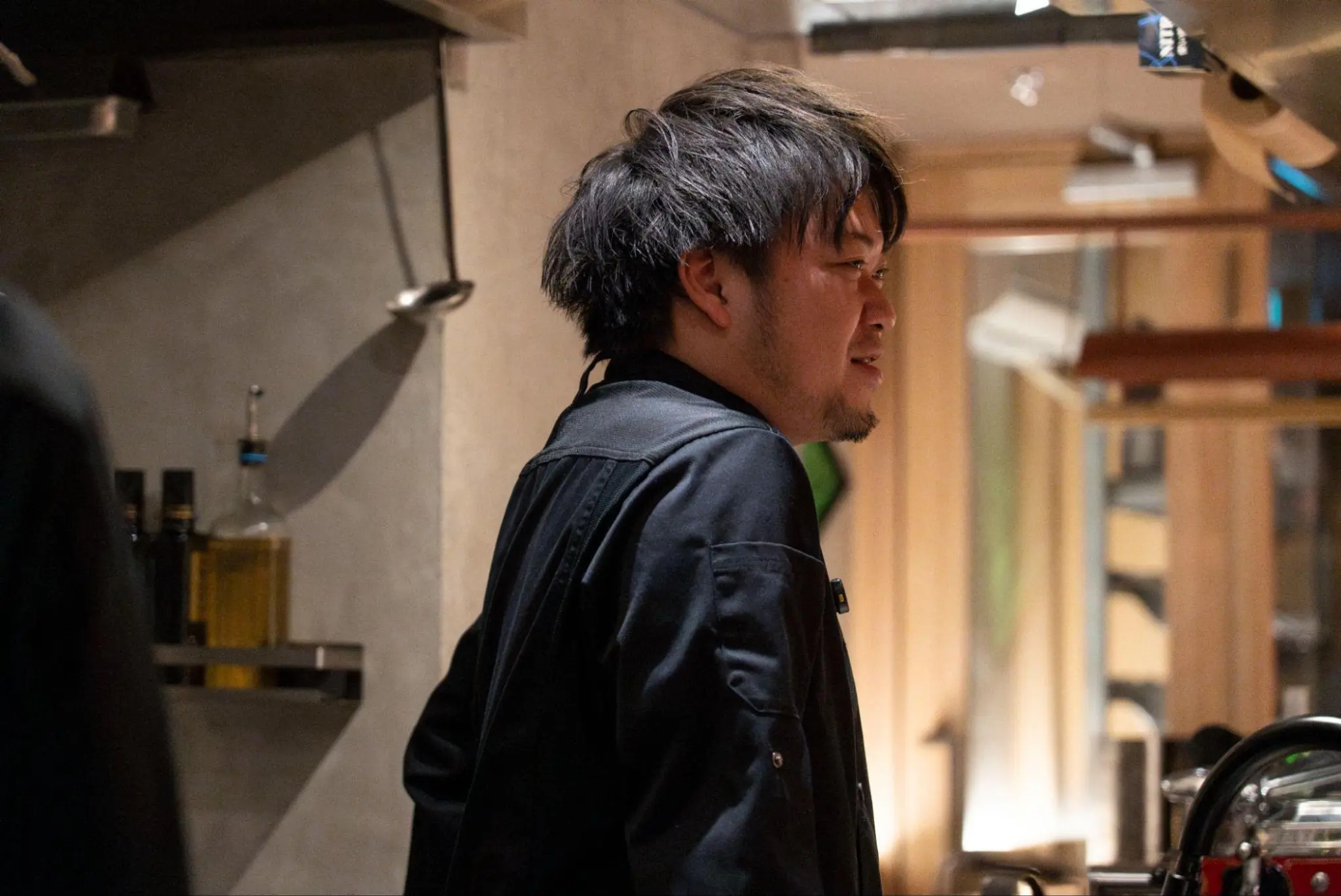
To express the deliciousness of "this very moment"!
ーーーCould you tell us about your journey to becoming independent and opening your own restaurant?
When I was 27, in 2022, I opened my first restaurant, 【malca】, in Aoyama with my older brother. My brother used to work in advertising and now handles operations outside the kitchen, but when we first opened, he was also working in service. Over the next two years, in addition to 【malca】, we opened four more restaurants with different concepts in the nearby area, and this restaurant is our fifth .People often ask if we have investors, but we don’t (laughs). We’ve been doing everything on our own, operating on a very tight budget. When it comes to starting your own business, many people struggle with the balance between personal desires and reality, especially when choosing a property. But I believe that the perfect environment and conditions don’t just appear, and the only way to make it work is by building it as you go. In addition to our restaurants, we also own a winery in Koriyama, and next year we’ll be releasing our own wine.
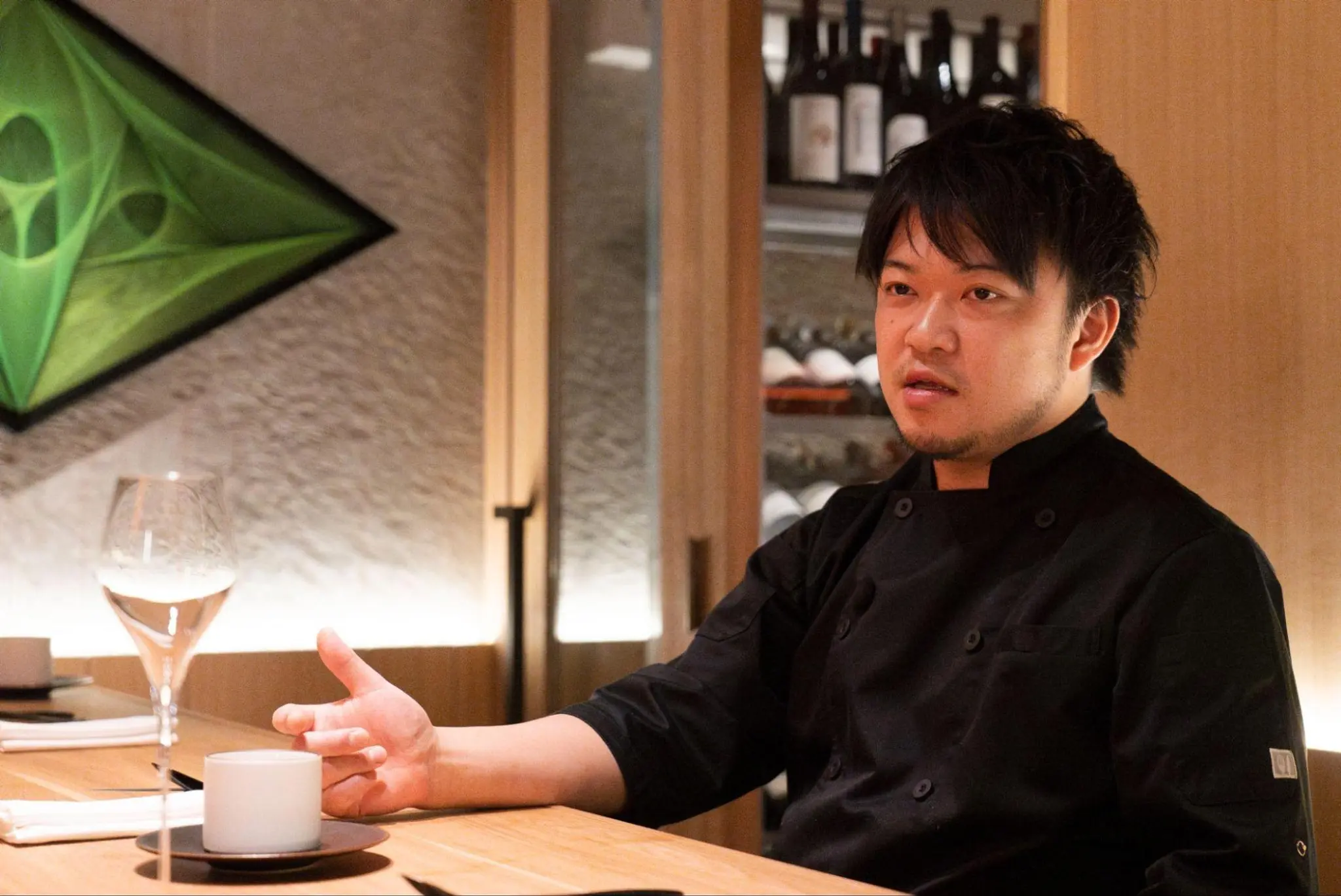
ーーーWhat is the origin of the name 【tens.】?
When it comes to running a restaurant, I place a great deal of importance on "tension." It’s a word I often use, and our restaurant stays open until late at night. For me, after 10 PM is when the real show begins—it’s when the restaurant truly comes to life. I also put some playful touches into the menu after 10 PM, and I thought this would be a good way to convey the essence of our restaurant. So, my brother named it 【tens.】, combining "tension" with "10 = ten start."
The "tension" I focus on isn’t about being energetic or trendy, but rather about the "energy" or "passion" behind it. For cooking, it’s the effort and creativity put into making the food as delicious as possible, and for service, it’s the care and attentiveness in making sure customers enjoy their experience. I believe that this attention to detail is crucial in every aspect of the restaurant.
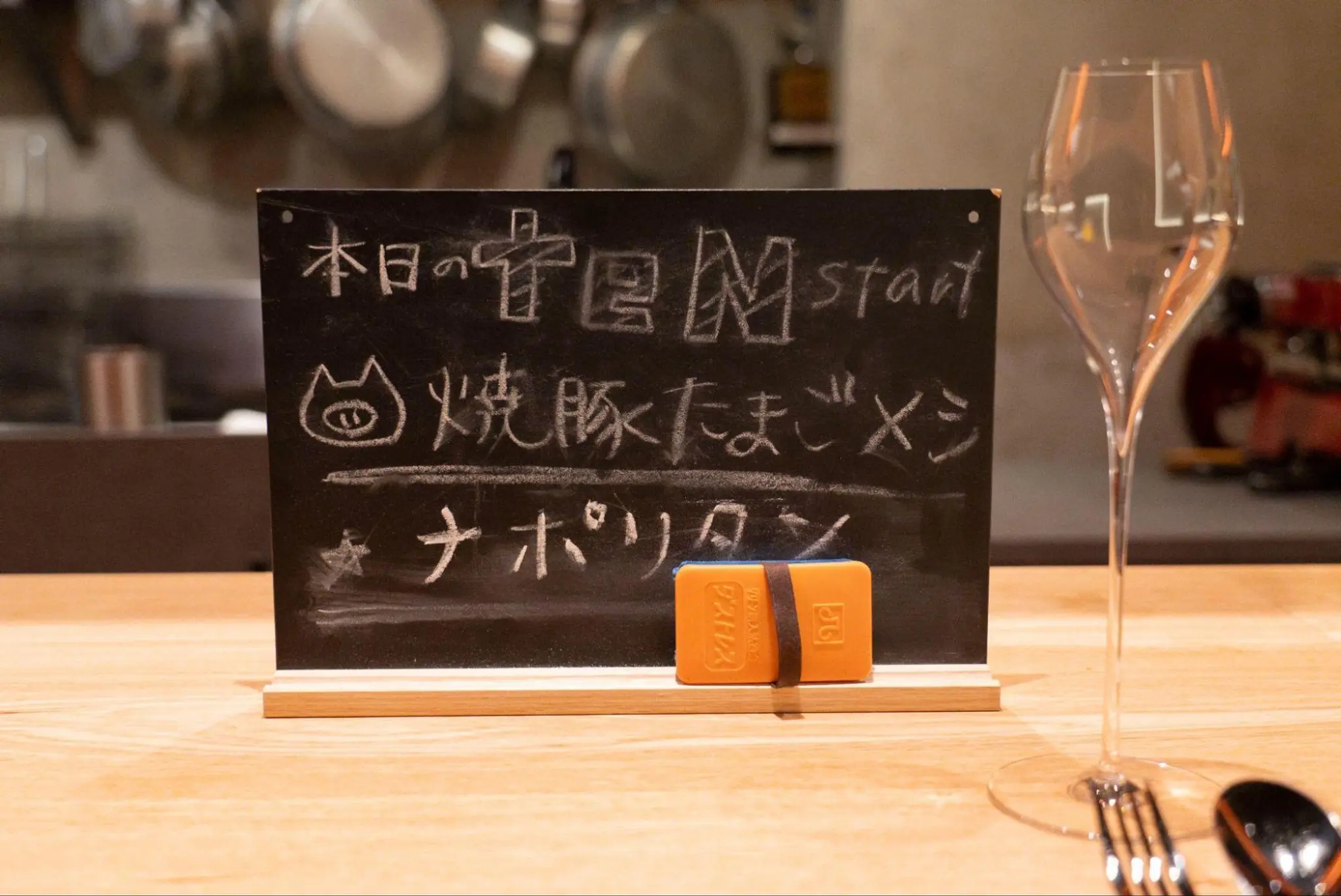
ーーーCould you tell us more about the "tension" in your cooking?
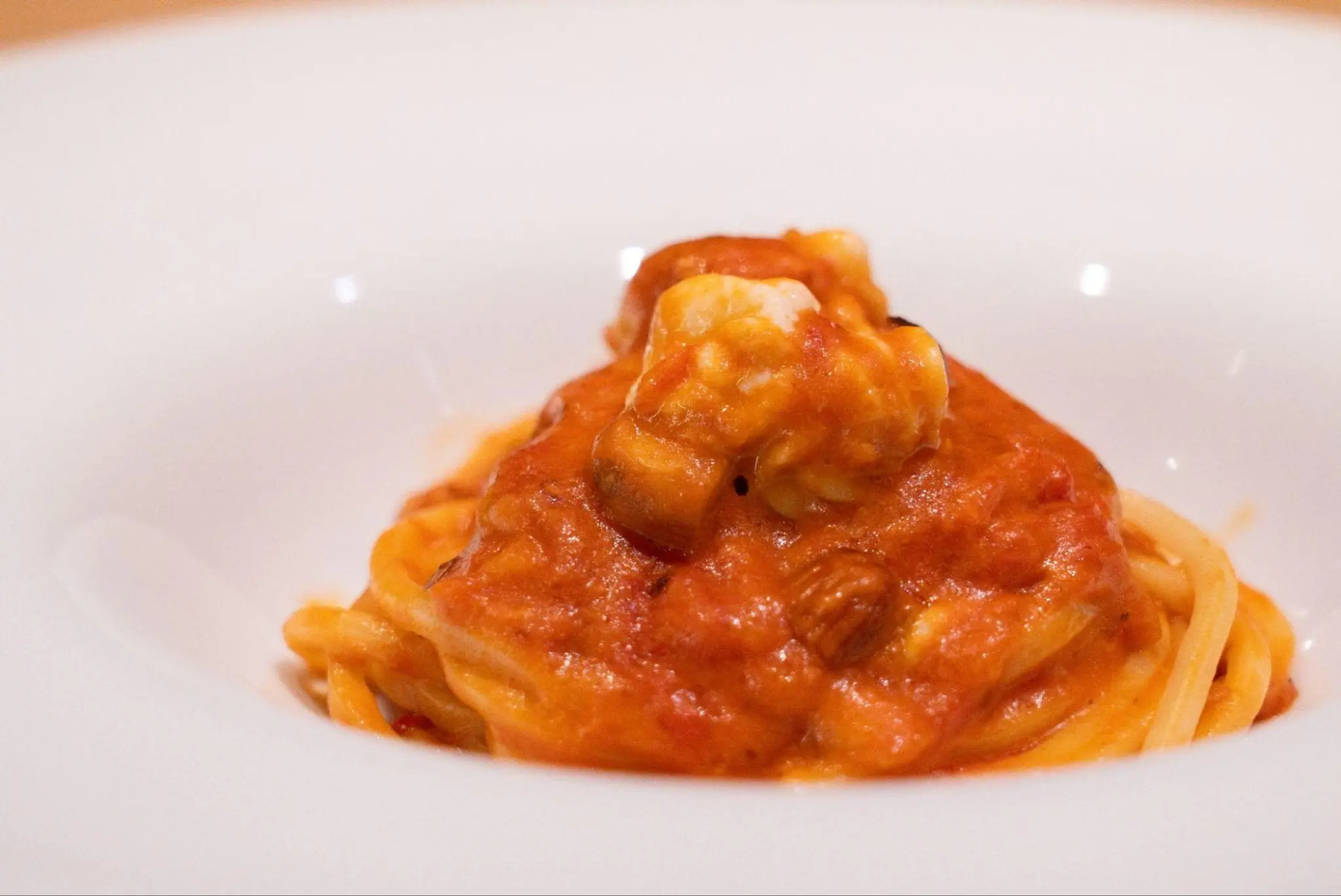
At our restaurant, we absolutely avoid "pre-made" dishes. For example, when making pasta, there’s a huge difference in the final result between using a pre-made sauce and a freshly made one. Sauces have a certain lifespan, and if you make them in advance, the aromas of the ingredients fade. Many chefs prepare the sauce ahead of time and add it when the pasta is ready, but that doesn’t create the kind of high-energy cooking that I aim for. Even with herbs, there’s a noticeable difference in aroma when you cut them just before serving versus using pre-cut ones. "Aroma" actually becomes more pronounced with higher temperatures, and when making pasta, I make sure to keep the heat high without reducing it. I finish the dish quickly at a high temperature, preserving the unique "deliciousness of the moment" that can only be achieved with a freshly made dish. This is the kind of "tension" I aim to bring to every plate.
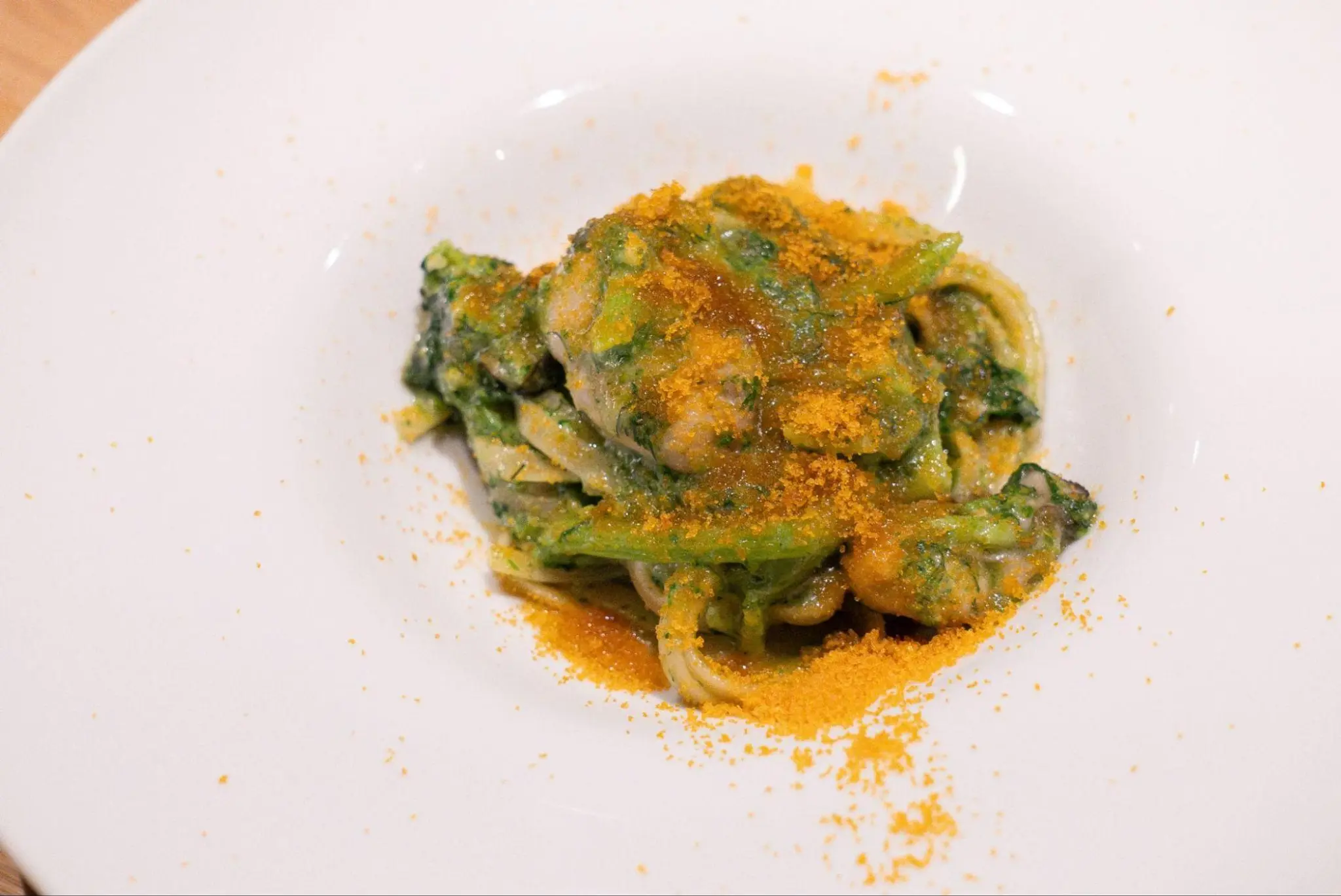
For the "fun" of the staff
ーーーcurrently, you are at 【tens.】 after being at 【malca】, right?
At 【malca】, we operated with a course menu for lunch and an à la carte menu for dinner, with the unique approach of saying, "If you contact me before 11 PM and come to the restaurant, there’s no last order." Many customers came late at night, which was fine for me since it was my own restaurant, but I could see that it was mentally and physically tough for the staff. I decided to leave the more experienced staff at 【malca】, and by handling the late-night customers at this restaurant myself, I aimed to create a clear division of work and improve the staff’s work environment. This was one of the concepts I considered when opening this restaurant.
ーーーYou mentioned offering à la carte. Does 【tens.】 have a signature dish?
While it's not officially positioned as a signature dish, the bruschetta made with fresh tuna from the tuna specialty supplier "Yama-ko" has been a staple since the opening of 【malca】. It’s an approach that you wouldn’t typically find at sushi or Japanese restaurants, and even the president of "Yama-ko" really likes it. It’s also our most popular dish. Additionally, since I love pasta, we always offer around 25 types of pasta, including both hand-rolled and dried varieties. I believe our restaurant probably has the most variety of pasta dishes compared to others, at least as far as I know (laughs). That’s definitely one of our strengths.
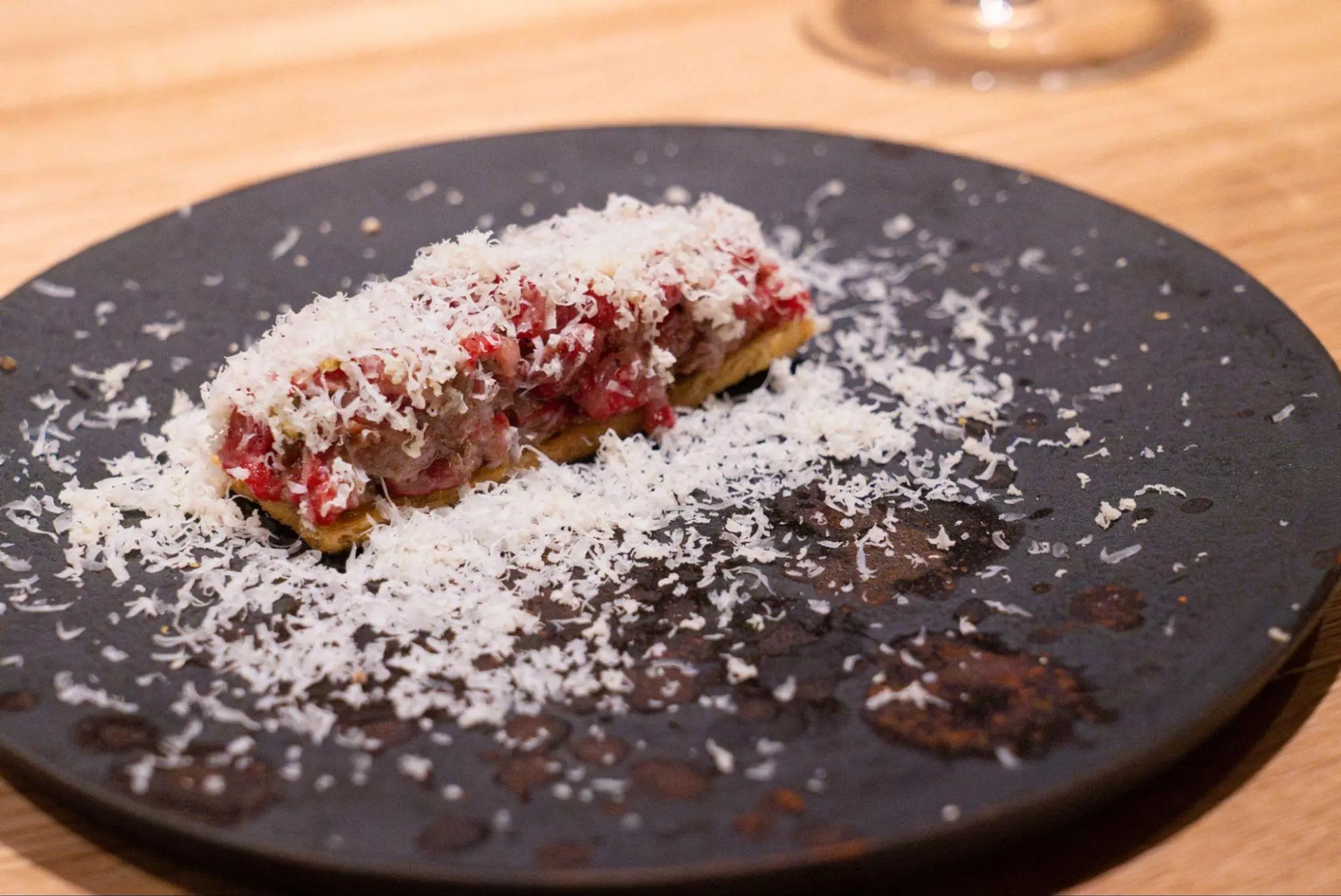
ーーーWhere do you get the ideas for your dishes from?
I don’t really make overly extravagant dishes, and I tend to keep things simple, so I’m not doing anything too complicated. My style involves taking existing dishes like amatriciana or carbonara and incorporating Japanese elements along with seasonal ingredients, but I don’t make anything that would be completely unfamiliar. I prefer to focus on making traditional dishes really well, so that customers can taste the difference and think, “Why is this so delicious?” That’s what I enjoy most. So, I don’t rework classics like amatriciana into something completely new (laughs).
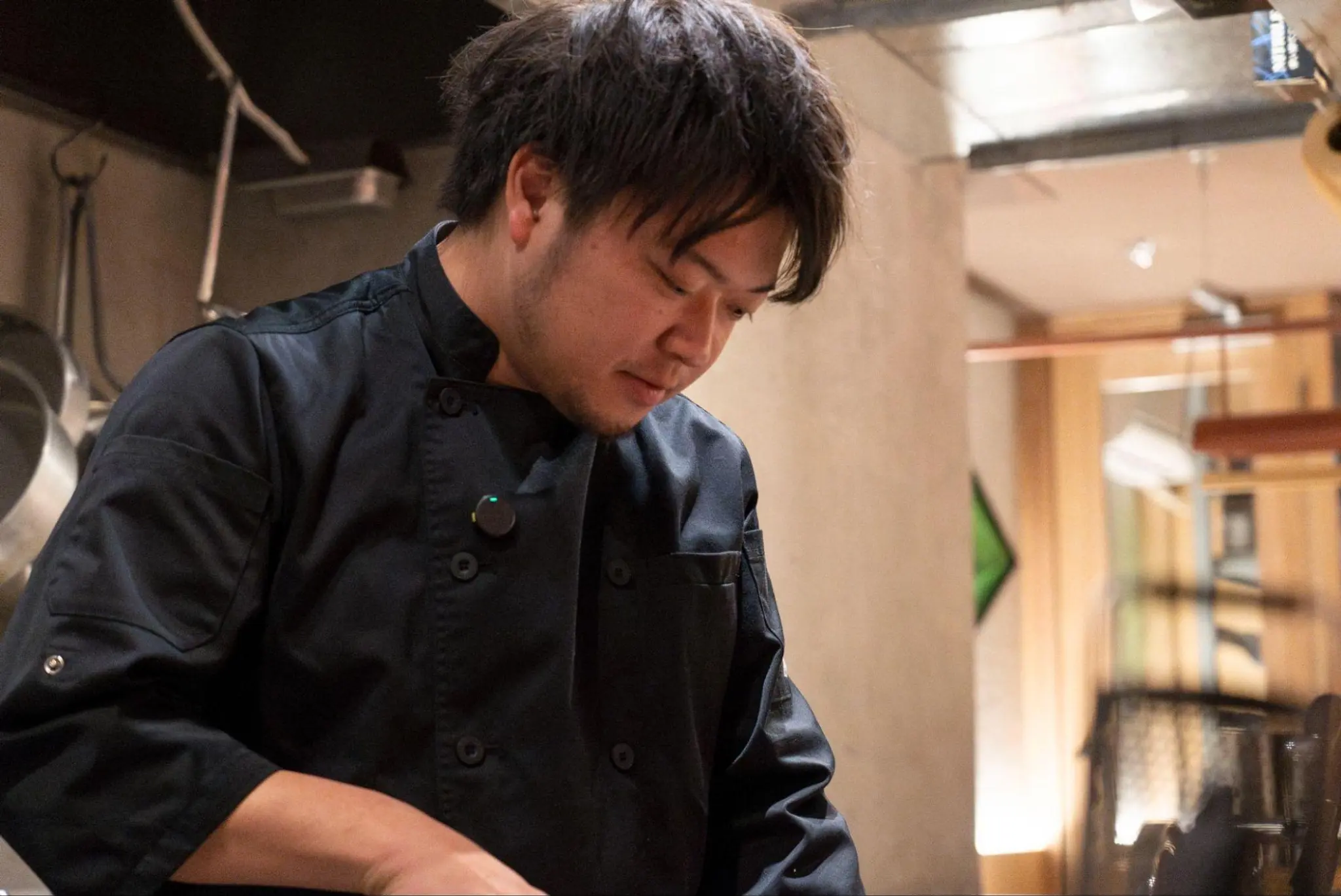
ーーーDo you have any thoughts on entrusting the restaurant to younger staff?
I’m still 30, and compared to the training that my senior colleagues went through, I believe the harshness of the culinary industry has improved a lot. However, there were still tough aspects during my own training. I don’t think we’re in an era where chefs or head chefs are seen as gods anymore. While I don’t really like to use the term "education," I do think it’s essential to have a training approach that fits the times.
However, on the other hand, I think it’s possible that we may not see many chefs who are truly regarded as "craftsmen" in the future. The working environment for those teaching has changed drastically from the past, and those learning now need a great deal of mental strength and patience. So, there’s a need to bridge the gap between both sides. I believe that Japan’s "food" is currently exceptional in both taste and technique, even on a global scale. However, in 10 years, many of the chefs who have helped shape the history of Japanese cuisine will likely have retired. I’m sure that even in my time, chefs like Tanukubo and my seniors felt some gap, so I think it will become even more difficult to nurture chefs who reach the level of "craftsman" in the future.
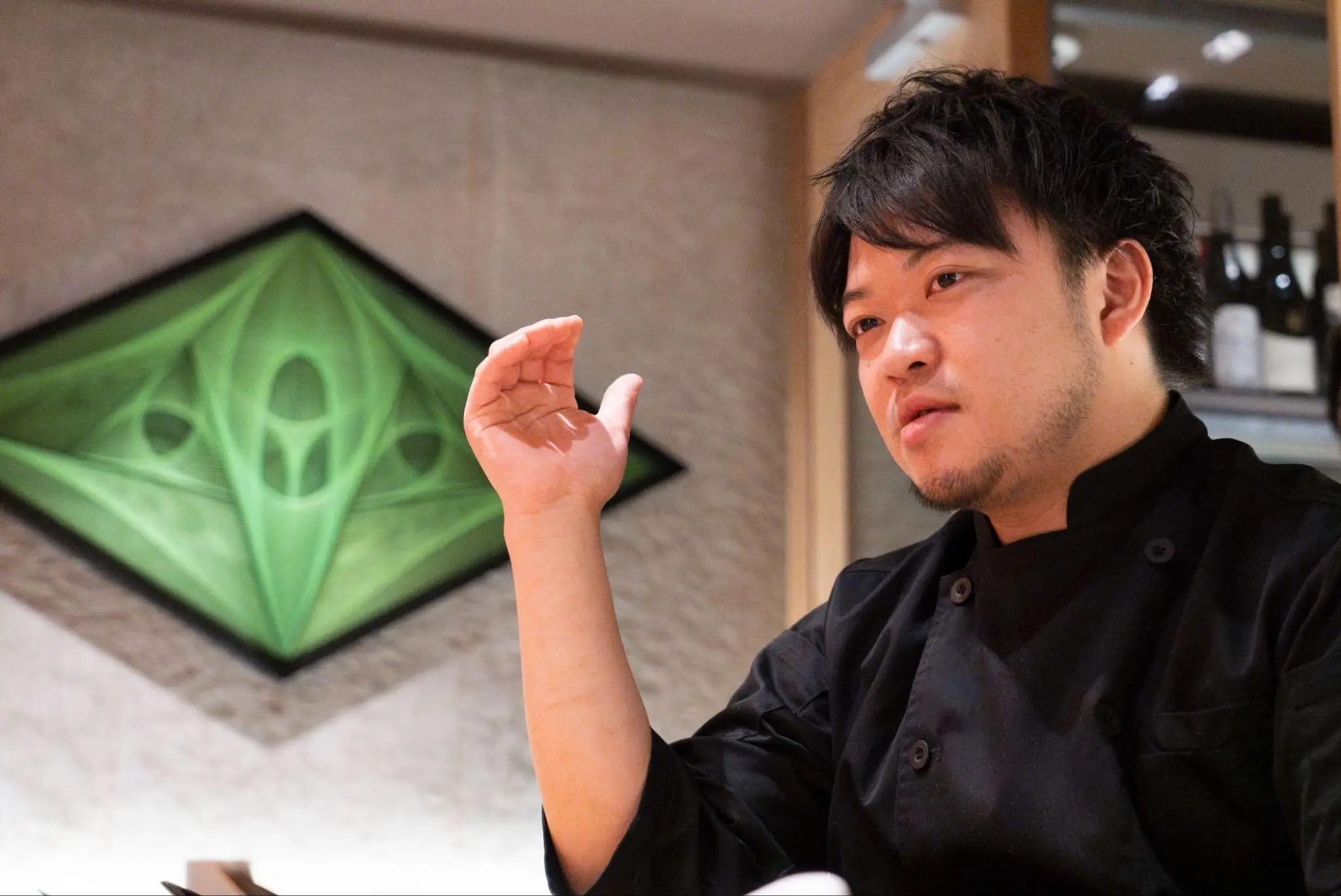
Looking ahead to the future of the food industry
ーーーWould you say that the food industry is at a turning point?
With the promotion of work-style reforms, Western-style work practices have become more recommended, right? Of course, from a rational standpoint, Western-style work practices are probably the correct approach. However, producers, fishermen, and others in the supply chain aren’t working with a Western mindset. If we push for work-style reforms and improve the working conditions only for the chefs working in restaurants, I fear that eventually, a gap will arise, and the alignment between different parts of the food industry will begin to break down.
I believe that not only we, as chefs, but also everyone involved in food production, should work towards changing the working conditions. To speak frankly, the restaurant industry can be quite selfish. For example, we only take the best cuts of beef, like sirloin. At the same time, however, we advocate for reducing food waste and promoting sustainability, and I feel like there’s a bit of a contradiction there.
I believe that we should change the sourcing routes, such as raising cattle from one head, and that this would be appreciated by producers as well. I want to become someone whom producers can trust and say, “If I sell to that person, they’ll use everything.” I put effort into cooking every part of an ingredient, and by branching into other genres like yakiniku and tonkatsu, alongside Italian cuisine, I focus on elevating ingredients through creativity. By finding value in every part of an ingredient, I want to contribute to producers and the entire food industry.
I believe it’s great to be recognized by famous establishments, as it can be rewarding, but it doesn’t always translate directly into money. While I value mental fulfillment, I’m the type of person who thinks that, in order to build trust, the first step should be ensuring physical well-being!
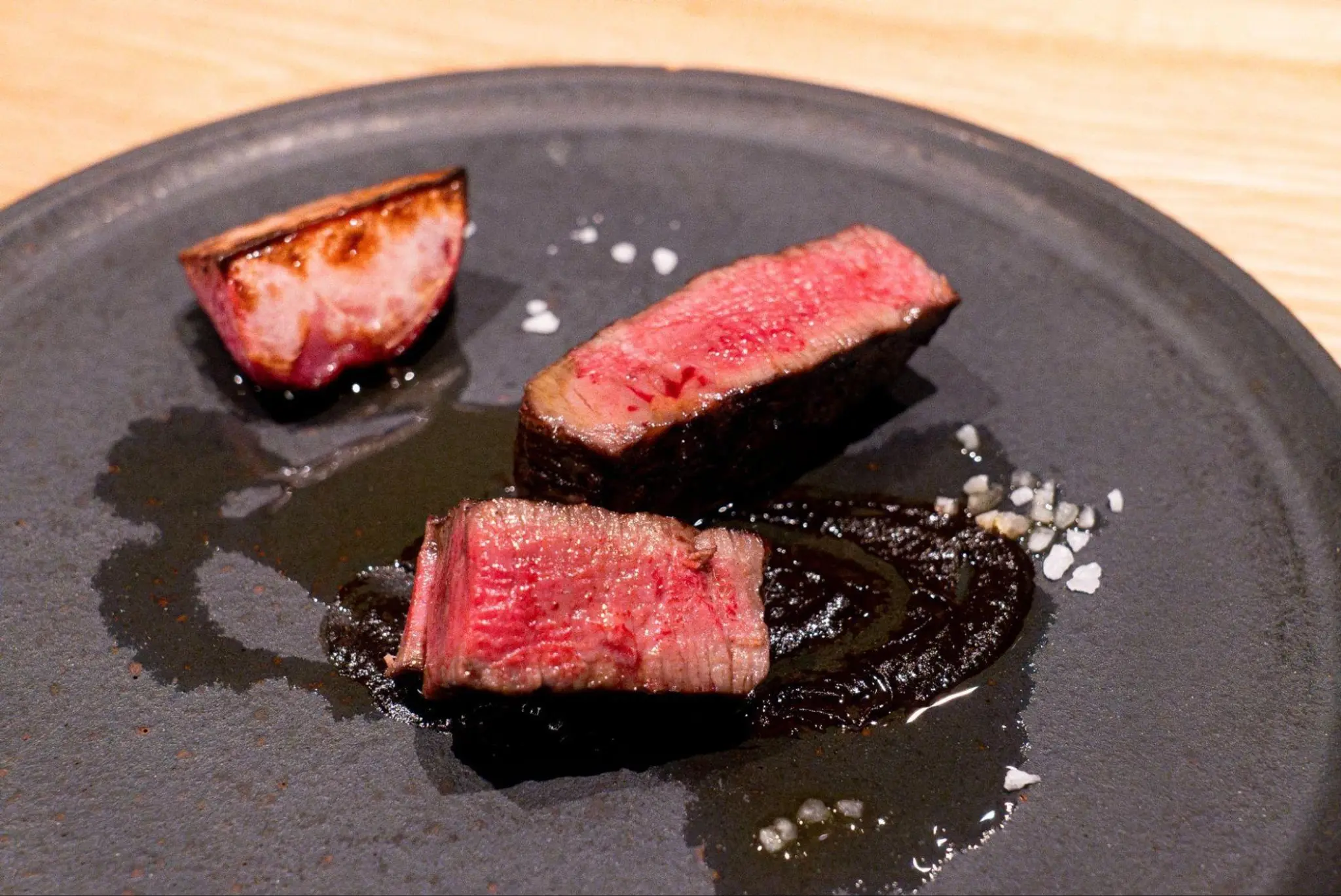
I believe it's impossible to expect restaurant staff to work happily while being paid poorly. You need to increase salaries and pay for things like hobbies or personal interests, otherwise, relying solely on motivation is tough. We don't just run Italian restaurants; we’ve branched out into different types of cuisine. In the past, it was unthinkable for an Italian chef to run a yakiniku (Japanese BBQ) restaurant, but I think we're entering an era where that makes sense, and I would be happy if we could lead the way. I want the producers we work with to feel happy from their dealings with us, and I want our staff to feel grateful for working in our company.
The key to delicious food lies in 'fun'
ーーーIs there something you prioritize when it comes to sharing ideas and communication with your staff?
I tell my staff, "Let's work in a fun way." However, I also remind them that we need to do things properly, whether it's cooking, wine, or service. Since I can't speak to everyone every time, I share my intentions with the managers at each location and leave it to them. Every six months, I hold one-on-one meetings with the staff, and everyone says, "It's fun." Recently, some staff members have wanted to introduce their acquaintances to our company, and I feel really happy thinking, "They want to give that person a chance to work with us." It's a thought I never expected based on my own experiences. I believe that if both our staff and producers feel that working with us is fun and exciting, it will contribute to creating delicious dishes.
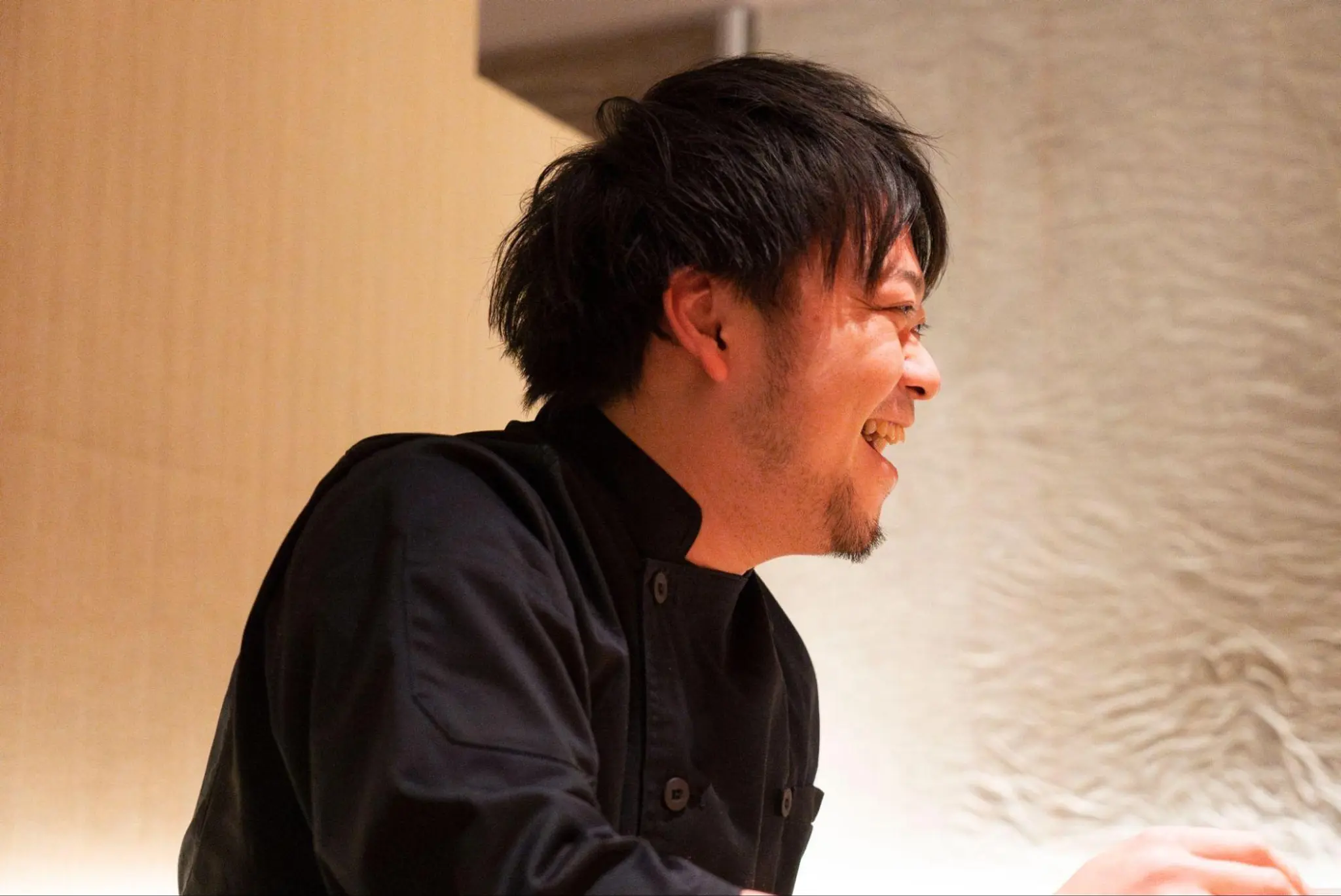
ーーーLastly, what does “delicious” mean to you?
For me, "delicious" is a combination of many things: the effort and care put into the ingredients, the balance of flavors, and the moment it creates for the person experiencing it. It's not just about the technical aspects of cooking, but about creating something that resonates emotionally with people. "Delicious" is when the flavors evoke an experience or memory, when they make you feel something more than just satisfaction. It’s about how the dish makes someone feel at that moment, and that feeling is what makes food truly delicious.
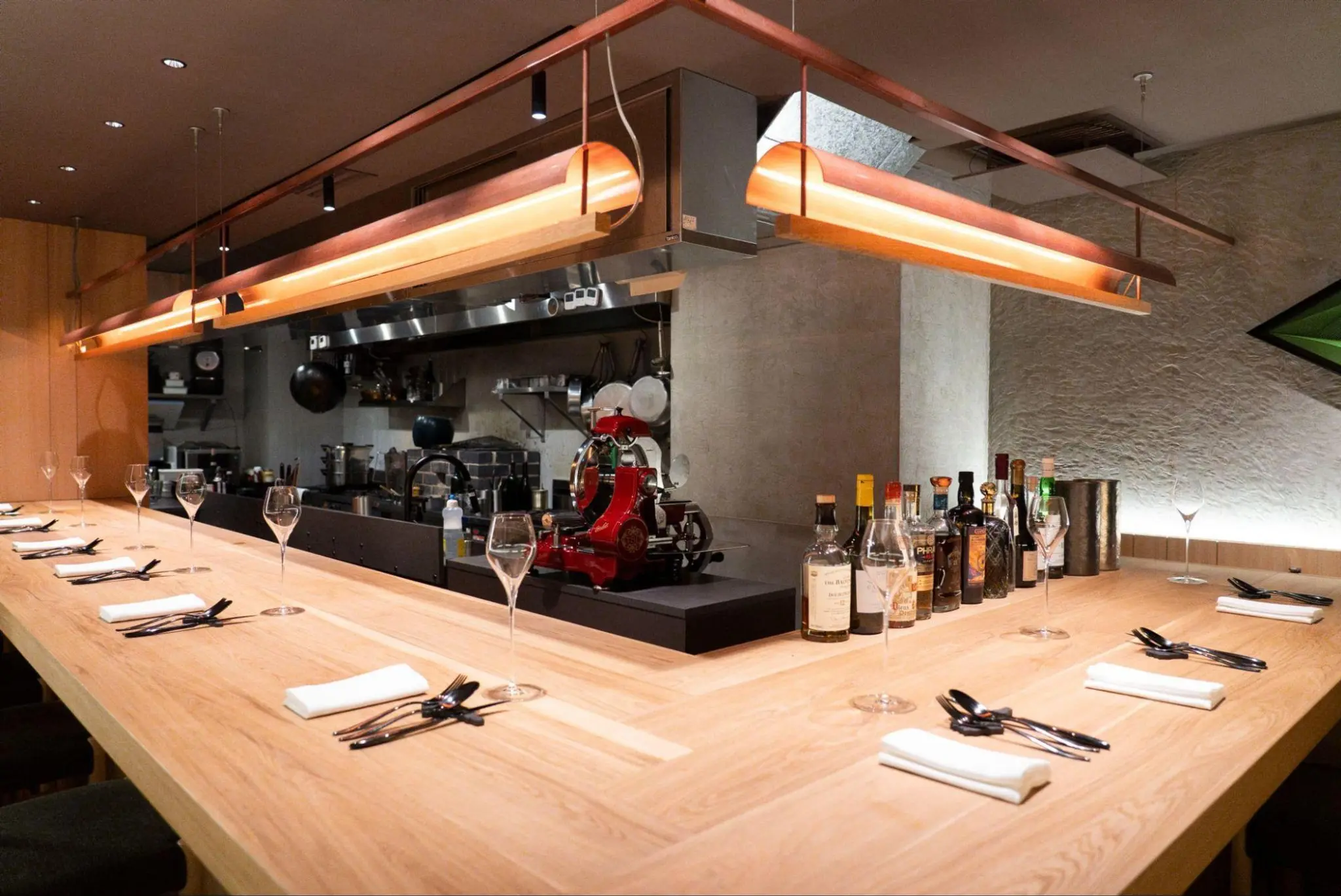
At just 30 years old, Kitano's momentum is unstoppable, already operating five restaurants. Upon hearing the term "high-tension cuisine," I initially braced myself for a challenging interview, but that was unnecessary. The "tension" that Kitano embodies at 【tens.】 seems to stem from a sense of comfort shared among guests, chefs, and producers alike. The "tension" created by 【tens.】 is returned as "profit" in a form that resonates with everyone, bringing smiles to those who gather. Kitano’s charisma and passion for cooking are likely what draw so many people to him.
Interview by: Yari Yanagiya
Text by: AutoReserve Magazine Editorial Team
Photography by: Azusa Nakaoka
Restaurant Information
- AutoReserve Magazine
- The hottest new shop right now
- The Ideal Restaurant Originating from "Comfort" for Everyone: The Thoughts of Mr. Tsukasa Kitano of 【tens.】