¿Qué es Miyazaki?: Miyazaki on Japan’s southeastern coast offers a dining scene shaped by sun, surf, and fertile plains. Menus often highlight buttery Miyazaki beef, charcoal-grilled local chicken, and the nostalgic comfort of chicken nanban dressed with tartar sauce. Coastal kitchens lean into seasonal seafood from nearby waters, while citrus like hyuganatsu and summertime mangoes add a bright note to desserts and drinks. Home-style hiyajiru—chilled miso and sesame soup served over rice—captures the region’s refreshing approach to heat and humidity. Shochu distilled from sweet potatoes commonly accompanies meals, pairing well with simple, flavorful dishes. Eateries range from laid-back counters to focused specialists, making it easy to plan meals around a day of sightseeing or surfing. Local folklore connected with Takachiho is frequently invoked in seasonal events and culinary storytelling, offering context that deepens the experience without overpowering the plate. The result is a food culture that feels relaxed, grounded, and quietly distinctive.
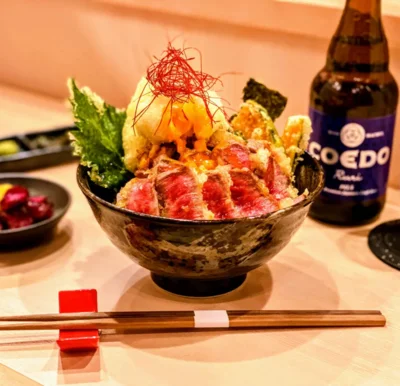
¿Qué es Tempura?: Tempura highlights the pleasure of batter and oil handled with restraint and precision. Diners often encounter prawns, white fish, squid, and seasonal vegetables lightly coated in a chilled batter and fried at a high temperature, yielding a crisp shell with tender textures inside. The experience frequently centers on timing: pieces arrive moments after leaving the fryer, inviting a relaxed pace as each bite is enjoyed while hot. Condiments such as tentsuyu with grated daikon, sea salt, or matcha salt offer contrasting accents. Menus may feature a counter service where items are presented one by one, mixed assortments for sharing, or pairings with rice and noodles like tendon, tempura soba, and udon. Variations in oil blends, batter thickness, and cut size create distinct aromas, sounds, and textures—from a gentle crackle to a lively sizzle—encouraging guests to compare nuances across ingredients and styles.




.jpg?format=webp)


.jpg?format=webp)



