¿Qué es Shimane?: Shimane lines the Sea of Japan, and its dining scene leans into a steady rhythm of coastal catches and mountain produce. Menus often highlight delicate white fish, squid, and crab, alongside shijimi clams from Lake Shinji. Izumo soba is commonly served in stacked lacquer bowls or in kamaage style, emphasizing buckwheat aroma with simple broths and condiments. Local sake breweries make use of clear water and seasonal rice, pairing naturally with kappo counters, casual izakaya, and family-run diners. In Matsue, a long-standing tea culture has shaped the craft of wagashi, and that sensibility appears in desserts across the prefecture. Festivals and shrine traditions also inform celebratory dishes and mochi. From charcoal-grilled seafood and coastal sushi to countryside stews and pickles, the food scene favors clarity of flavor and careful preparation, offering a calm, unhurried approach to hospitality.
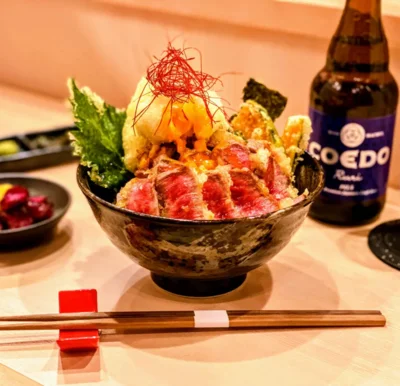
¿Qué es Tempura?: Tempura highlights the pleasure of batter and oil handled with restraint and precision. Diners often encounter prawns, white fish, squid, and seasonal vegetables lightly coated in a chilled batter and fried at a high temperature, yielding a crisp shell with tender textures inside. The experience frequently centers on timing: pieces arrive moments after leaving the fryer, inviting a relaxed pace as each bite is enjoyed while hot. Condiments such as tentsuyu with grated daikon, sea salt, or matcha salt offer contrasting accents. Menus may feature a counter service where items are presented one by one, mixed assortments for sharing, or pairings with rice and noodles like tendon, tempura soba, and udon. Variations in oil blends, batter thickness, and cut size create distinct aromas, sounds, and textures—from a gentle crackle to a lively sizzle—encouraging guests to compare nuances across ingredients and styles.
.jpg?format=webp)
.jpg?format=webp)
.jpg?format=webp)
.jpg?format=webp)
.jpg?format=webp)
.jpg?format=webp)




.jpg?format=webp)


.jpg?format=webp)



