Che cosa è Fukui?: Fukui, on Japan’s Sea of Japan coast, offers a dining scene shaped by abundant seasonal seafood and a calm, crafts-minded sensibility. Winter brings attention to Echizen crab, while year-round menus feature sweet shrimp, mackerel, and flatfish prepared simply to highlight freshness. On land, local staples such as Echizen oroshi soba, sauce katsudon, and the fermented delicacy heshiko reflect a climate that values preservation and clarity of flavor. The Wakasa area is often described as a historic “miketsukuni,” a supplier of delicacies to the ancient capital, and that legacy can still be felt in techniques for curing fish and in the refined use of tableware. Sake from regional breweries is frequently paired with seafood, and Echizen lacquerware appears in thoughtful presentations. From coastal markets to neighborhood eateries, visitors encounter understated hospitality and cuisine that draws on both sea and mountains without excess fuss.
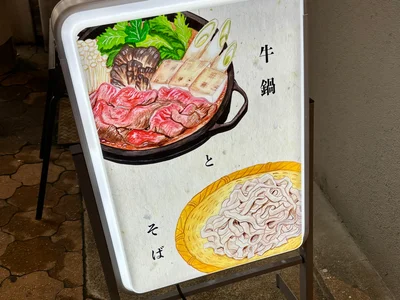
Che cosa è Japanese Hot Pot?: Japanese Hot Pot invites diners to gather around a simmering pot and cook ingredients at the table, creating a relaxed, interactive meal. Clear kombu stock, soy-based broths, and miso blends are commonly offered, each shaping the flavor of meats, seafood, tofu, mushrooms, and seasonal vegetables. Styles vary widely: shabu-shabu highlights quick swishing of thinly sliced beef with citrusy ponzu or nutty sesame sauce; sukiyaki features a gently sweet soy base; yosenabe brings a mix of hearty additions; chanko-nabe evokes the comfort of generous portions; and motsunabe showcases savory offal with garlic and chives. Many places present curated platters and à la carte selections, allowing guests to pace the meal and adjust the pot as they go. Toward the end, noodles or rice are often added for a satisfying finish known as shime. Rising steam, the sound of a gentle simmer, and shared timing create a dining experience that feels both warm and engaging.
.jpg?format=webp)

.jpg?format=webp)


.jpg?format=webp)



