Che cosa è Hiroshima?: Hiroshima sits on the Seto Inland Sea, and its dining scene reflects both coastal abundance and a craftsman’s attention to detail. Hiroshima-style okonomiyaki, layered with noodles and generous cabbage on a sizzling griddle, anchors everyday eating, while seasonal oysters, conger eel, and small fish from nearby waters appear in a range of preparations. Citrus from the islands, especially Setouchi lemons, finds its way into sweets, baked goods, and refreshing accompaniments. Noodle culture is varied, from Onomichi ramen with a savory profile to spicy Hiroshima tsukemen served with a dipping sauce. Saijo in Higashihiroshima is widely noted for sake brewing, adding depth to food pairings across the prefecture. Markets, casual counters, and discreet kappo-style rooms offer different rhythms of hospitality. A distinctive thread in local food culture is the lively griddle and counter tradition, which many visitors see as a window into Hiroshima’s resilient, community-minded spirit.
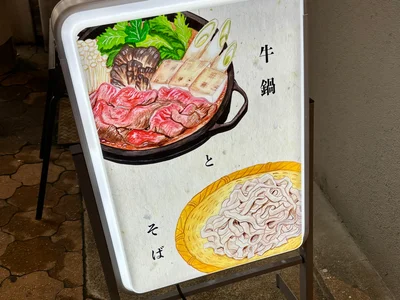
Che cosa è Japanese Hot Pot?: Japanese Hot Pot invites diners to gather around a simmering pot and cook ingredients at the table, creating a relaxed, interactive meal. Clear kombu stock, soy-based broths, and miso blends are commonly offered, each shaping the flavor of meats, seafood, tofu, mushrooms, and seasonal vegetables. Styles vary widely: shabu-shabu highlights quick swishing of thinly sliced beef with citrusy ponzu or nutty sesame sauce; sukiyaki features a gently sweet soy base; yosenabe brings a mix of hearty additions; chanko-nabe evokes the comfort of generous portions; and motsunabe showcases savory offal with garlic and chives. Many places present curated platters and à la carte selections, allowing guests to pace the meal and adjust the pot as they go. Toward the end, noodles or rice are often added for a satisfying finish known as shime. Rising steam, the sound of a gentle simmer, and shared timing create a dining experience that feels both warm and engaging.
.jpg?format=webp)
.jpg?format=webp)
.jpg?format=webp)
.jpg?format=webp)
.jpg?format=webp)
.jpg?format=webp)


.jpg?format=webp)
.jpg?format=webp)
.jpg?format=webp)
.jpg?format=webp)
.jpg?format=webp)
.jpg?format=webp)
.jpg?format=webp)

.jpg?format=webp)


.jpg?format=webp)



