Che cosa è Hyogo?: Hyogo stretches from the Seto Inland Sea to the Sea of Japan, creating a dining landscape where coastal harvests meet mountain produce. Diners often encounter specialties such as Kobe beef and Tajima beef, bream and octopus from Akashi, small fish from the Inland Sea, and crab from the northern coast. Sake brewing in the Nada area, Tamba black beans, and noodle traditions in Harima add further depth to the pantry. The port history of Kobe introduced international influences, shaping a local love for yoshoku, bakeries, and coffee culture that sits comfortably alongside classic washoku. Seasonal menus, teppan-driven cooking, and seafood counters appear across cities, towns, and hot-spring resorts, encouraging relaxed, ingredient‑focused meals. Whether seeking refined courses or casual bites, the prefecture offers a spectrum of styles that reflects its varied geography and long-standing exchange with the world.
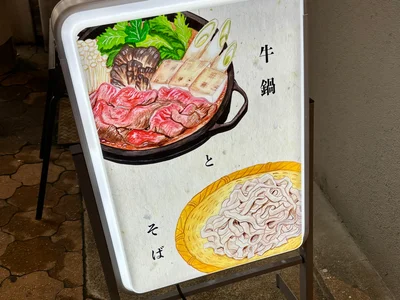
Che cosa è Japanese Hot Pot?: Japanese Hot Pot invites diners to gather around a simmering pot and cook ingredients at the table, creating a relaxed, interactive meal. Clear kombu stock, soy-based broths, and miso blends are commonly offered, each shaping the flavor of meats, seafood, tofu, mushrooms, and seasonal vegetables. Styles vary widely: shabu-shabu highlights quick swishing of thinly sliced beef with citrusy ponzu or nutty sesame sauce; sukiyaki features a gently sweet soy base; yosenabe brings a mix of hearty additions; chanko-nabe evokes the comfort of generous portions; and motsunabe showcases savory offal with garlic and chives. Many places present curated platters and à la carte selections, allowing guests to pace the meal and adjust the pot as they go. Toward the end, noodles or rice are often added for a satisfying finish known as shime. Rising steam, the sound of a gentle simmer, and shared timing create a dining experience that feels both warm and engaging.


.jpg?format=webp)
.jpg?format=webp)
.jpg?format=webp)
.jpg?format=webp)
.jpg?format=webp)

.jpg?format=webp)

.jpg?format=webp)

.jpg?format=webp)



