Che cosa è Kumamoto?: Shaped by the vast Aso caldera and nourished by clear spring water, Kumamoto presents a dining landscape where land and sea meet. Amakusa brings seasonal seafood, fertile plains offer rice and vegetables, and local herds contribute Akaushi beef. Menus often feature regional signatures such as basashi, karashi renkon, and Kumamoto ramen layered with fragrant black garlic oil; taipi-en, a vermicelli soup born of cultural exchange, appears in casual counters and family kitchens alike. As a former castle town, the area nurtured a tradition of preservation and brewing, reflected in makers of miso, soy sauce, and shochu. From morning markets to relaxed neighborhood eateries, cooking tends to balance straightforward flavors with bold aromas. Many kitchens draw on time-honored techniques while responding to the seasons, creating meals that echo Kumamoto’s terrain, waterways, and enduring culinary stories.
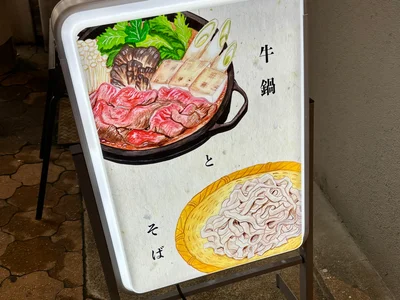
Che cosa è Japanese Hot Pot?: Japanese Hot Pot invites diners to gather around a simmering pot and cook ingredients at the table, creating a relaxed, interactive meal. Clear kombu stock, soy-based broths, and miso blends are commonly offered, each shaping the flavor of meats, seafood, tofu, mushrooms, and seasonal vegetables. Styles vary widely: shabu-shabu highlights quick swishing of thinly sliced beef with citrusy ponzu or nutty sesame sauce; sukiyaki features a gently sweet soy base; yosenabe brings a mix of hearty additions; chanko-nabe evokes the comfort of generous portions; and motsunabe showcases savory offal with garlic and chives. Many places present curated platters and à la carte selections, allowing guests to pace the meal and adjust the pot as they go. Toward the end, noodles or rice are often added for a satisfying finish known as shime. Rising steam, the sound of a gentle simmer, and shared timing create a dining experience that feels both warm and engaging.
.jpg?format=webp)

.jpg?format=webp)


.jpg?format=webp)



