Che cosa è Niigata?: Niigata’s dining scene reflects its snow-fed rivers and the Sea of Japan. Rice paddies stretch from coastal plains to mountain terraces, and many eateries highlight local grains alongside an array of regional sake from local breweries. Seafood-focused counters, casual noodle shops, kappo-style kitchens, and izakaya create options for different occasions. Signature tastes often include hegi soba bound with seaweed, comforting noppe stew, and sweets such as sasadango, with seasonal vegetables and wild plants shaping menus throughout the year. A distinctive thread in Niigata’s food history is the Kitamaebune maritime trade, which introduced kelp and dried goods that continue to influence flavors and techniques. Another hallmark is the use of snow cellars, or yukimuro, to mellow sake and preserve ingredients, lending gentle textures and aromas. Whether you are seeking a simple bowl after a day outdoors or a thoughtful pairing of seafood and sake, you can find welcoming tables across the prefecture.
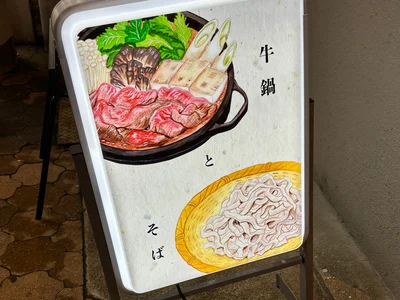
Che cosa è Japanese Hot Pot?: Japanese Hot Pot invites diners to gather around a simmering pot and cook ingredients at the table, creating a relaxed, interactive meal. Clear kombu stock, soy-based broths, and miso blends are commonly offered, each shaping the flavor of meats, seafood, tofu, mushrooms, and seasonal vegetables. Styles vary widely: shabu-shabu highlights quick swishing of thinly sliced beef with citrusy ponzu or nutty sesame sauce; sukiyaki features a gently sweet soy base; yosenabe brings a mix of hearty additions; chanko-nabe evokes the comfort of generous portions; and motsunabe showcases savory offal with garlic and chives. Many places present curated platters and à la carte selections, allowing guests to pace the meal and adjust the pot as they go. Toward the end, noodles or rice are often added for a satisfying finish known as shime. Rising steam, the sound of a gentle simmer, and shared timing create a dining experience that feels both warm and engaging.