Che cosa è Saga?: Saga, on Japan’s Kyushu coast, offers a dining scene shaped by the Ariake Sea, the Genkai Sea, and fertile inland farms. Menus frequently highlight Saga beef, translucent Yobuko squid, nori and shellfish from tidal flats, alongside seasonal vegetables and rice. Local sake and teas from nearby uplands are paired with dishes at izakaya, casual diners, and refined counters, with service that tends to emphasize calm hospitality. Arita and Imari porcelain are closely associated with the area, and that craftsmanship often appears in tableware and plating, giving everyday meals a distinct sense of presentation. Travelers may come across morning markets in port towns, as well as regional comfort foods such as onsen yudofu and the local-style “Sicilian Rice.” From seaside hamlets to castle towns and hot-spring districts, the prefecture presents varied settings where visitors can sample flavors that reflect both land and sea.
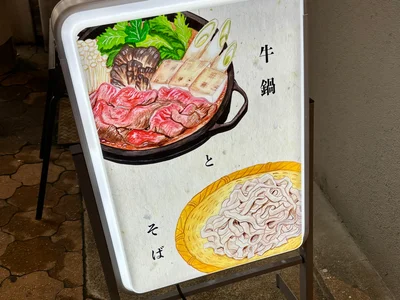
Che cosa è Japanese Hot Pot?: Japanese Hot Pot invites diners to gather around a simmering pot and cook ingredients at the table, creating a relaxed, interactive meal. Clear kombu stock, soy-based broths, and miso blends are commonly offered, each shaping the flavor of meats, seafood, tofu, mushrooms, and seasonal vegetables. Styles vary widely: shabu-shabu highlights quick swishing of thinly sliced beef with citrusy ponzu or nutty sesame sauce; sukiyaki features a gently sweet soy base; yosenabe brings a mix of hearty additions; chanko-nabe evokes the comfort of generous portions; and motsunabe showcases savory offal with garlic and chives. Many places present curated platters and à la carte selections, allowing guests to pace the meal and adjust the pot as they go. Toward the end, noodles or rice are often added for a satisfying finish known as shime. Rising steam, the sound of a gentle simmer, and shared timing create a dining experience that feels both warm and engaging.
.jpg?format=webp)

.jpg?format=webp)


.jpg?format=webp)



