Che cosa è Taito-ku?: Taito-ku offers a glimpse of Tokyo’s classic dining culture, where neighborhood energy meets time-honored technique. Around Asakusa and Ueno, you’ll find sushi, tempura, soba, and eel alongside casual counters, sweet shops, and contemporary cafés. Seasonal ingredients often guide menus, and many chefs highlight subtle textures and balanced flavors rather than overt embellishment. Street-side bites, traditional confections, and comfort dishes sit easily next to international kitchens, creating a gentle flow between everyday meals and small celebrations. A notable hallmark here is a long-established stretch of kitchenware stores that many cooks treat as a toolkit for their craft, suggesting a food scene shaped by both markets and workshops. Nearby museums, theaters, and park landscapes invite pauses for tea, light lunches, or relaxed evening plates. Without relying on spectacle, Taito-ku tends to reward curiosity, encouraging diners to explore traditions, quiet innovations, and the warm cadence of local hospitality.
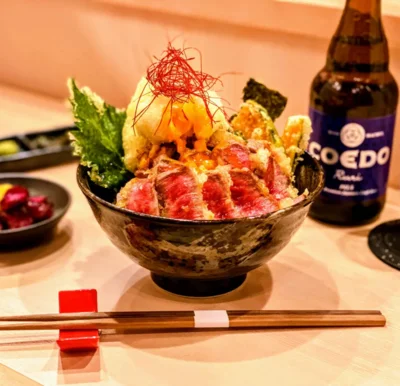
Che cosa è Tempura?: Tempura highlights the pleasure of batter and oil handled with restraint and precision. Diners often encounter prawns, white fish, squid, and seasonal vegetables lightly coated in a chilled batter and fried at a high temperature, yielding a crisp shell with tender textures inside. The experience frequently centers on timing: pieces arrive moments after leaving the fryer, inviting a relaxed pace as each bite is enjoyed while hot. Condiments such as tentsuyu with grated daikon, sea salt, or matcha salt offer contrasting accents. Menus may feature a counter service where items are presented one by one, mixed assortments for sharing, or pairings with rice and noodles like tendon, tempura soba, and udon. Variations in oil blends, batter thickness, and cut size create distinct aromas, sounds, and textures—from a gentle crackle to a lively sizzle—encouraging guests to compare nuances across ingredients and styles.


.jpg?format=webp)
.jpg?format=webp)
.jpg?format=webp)
.jpg?format=webp)
.jpg?format=webp)
.jpg?format=webp)
.png?format=webp)
.png?format=webp)
.png?format=webp)
.png?format=webp)
.png?format=webp)
.jpg?format=webp)


.jpg?format=webp)
.jpg?format=webp)
.jpg?format=webp)


.webp?format=webp)
.jpg?format=webp)
.jpg?format=webp)
.jpg?format=webp)
.jpg?format=webp)
.jpg?format=webp)

 United States Valutazioni degli utenti3.53(1risultati)
.png?format=webp)
.png?format=webp)
.png?format=webp)
.png?format=webp)
.png?format=webp)
.png?format=webp)


.jpg?format=webp)
.jpg?format=webp)
.jpg?format=webp)
.jpg?format=webp)
.jpg?format=webp)


.jpg?format=webp)


.jpg?format=webp)

.jpg?format=webp)
.jpg?format=webp)
.jpg?format=webp)
.jpg?format=webp)




