What is Nara?: Nara invites diners to explore a calm yet richly layered food culture shaped by centuries of tradition. The region is known for specialties such as kakinoha-zushi wrapped in persimmon leaves, Miwa somen with a refined texture, narazuke pickles matured in sake lees, and delicate sweets made with Yoshino kudzu. Temple districts introduce shojin ryori that highlights vegetables and grains, while kitchens across the prefecture draw on Yamato vegetables, locally raised beef, and clear broths that emphasize balance and seasonality. Sake and tea have long accompanied meals here, and pairings tend to favor subtle, harmonious flavors. From quiet alleyway counters to family-run eateries and contemporary dining rooms, the scene offers variety without losing its understated character. As a former capital, Nara’s temple and festival calendar is often said to have influenced celebratory dishes and preservation methods, a heritage that continues to inspire chefs and artisans who present time-honored tastes with a thoughtful, modern touch.
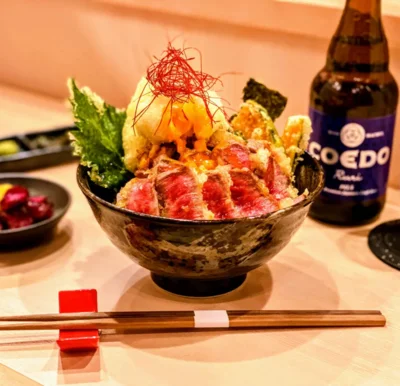
What is Tempura?: Tempura highlights the pleasure of batter and oil handled with restraint and precision. Diners often encounter prawns, white fish, squid, and seasonal vegetables lightly coated in a chilled batter and fried at a high temperature, yielding a crisp shell with tender textures inside. The experience frequently centers on timing: pieces arrive moments after leaving the fryer, inviting a relaxed pace as each bite is enjoyed while hot. Condiments such as tentsuyu with grated daikon, sea salt, or matcha salt offer contrasting accents. Menus may feature a counter service where items are presented one by one, mixed assortments for sharing, or pairings with rice and noodles like tendon, tempura soba, and udon. Variations in oil blends, batter thickness, and cut size create distinct aromas, sounds, and textures—from a gentle crackle to a lively sizzle—encouraging guests to compare nuances across ingredients and styles.
Popular at Nara




.jpg?format=webp)


.jpg?format=webp)



