What is Yamaguchi?: Yamaguchi, at Japan’s western edge, presents a dining scene shaped by two coasts: the gentle Seto Inland Sea and the brisk Sea of Japan. Seafood guides many menus, with seasonal sashimi, charcoal-grilled fish, and comforting hotpots reflecting local waters. The prefecture is often associated with fugu, prepared from translucent sashimi to warming stews, alongside regional specialties such as kawara soba served on heated roof tiles and layered Iwakuni-zushi. Inland, lotus root, mountain greens, and other produce appear in dishes that favor balance and clarity, while artisan soy sauce, miso, and local sake add mellow depth. Historic castle towns and welcoming port communities continue to influence technique and hospitality, giving meals a grounded sense of place. Travelers may notice that Yamaguchi’s food culture values restraint without austerity and warmth without excess, an approach that echoes centuries of exchange along sea routes and the steady rhythm of markets connecting shore and countryside.
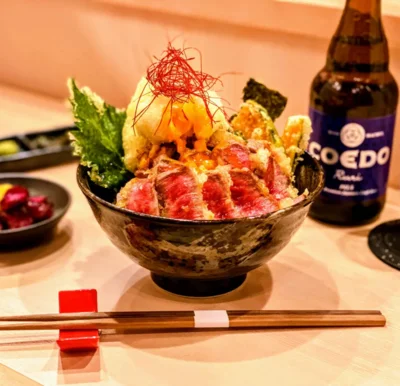
What is Tempura?: Tempura highlights the pleasure of batter and oil handled with restraint and precision. Diners often encounter prawns, white fish, squid, and seasonal vegetables lightly coated in a chilled batter and fried at a high temperature, yielding a crisp shell with tender textures inside. The experience frequently centers on timing: pieces arrive moments after leaving the fryer, inviting a relaxed pace as each bite is enjoyed while hot. Condiments such as tentsuyu with grated daikon, sea salt, or matcha salt offer contrasting accents. Menus may feature a counter service where items are presented one by one, mixed assortments for sharing, or pairings with rice and noodles like tendon, tempura soba, and udon. Variations in oil blends, batter thickness, and cut size create distinct aromas, sounds, and textures—from a gentle crackle to a lively sizzle—encouraging guests to compare nuances across ingredients and styles.
Popular at Yamaguchi




.jpg?format=webp)


.jpg?format=webp)



