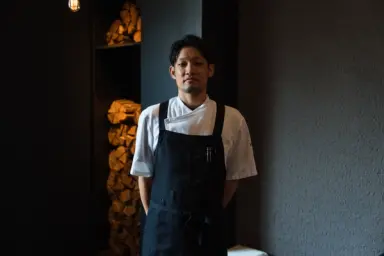
A Young Chef’s Challenge: Pioneering a New Genre of "Meat Kappo" with Passion and Exceptional Initiative
Pursuing Dishes that Highlight the Natural Umami of Meat While Studying Japanese Cuisine
ーーーWhat inspired you to become a chef?
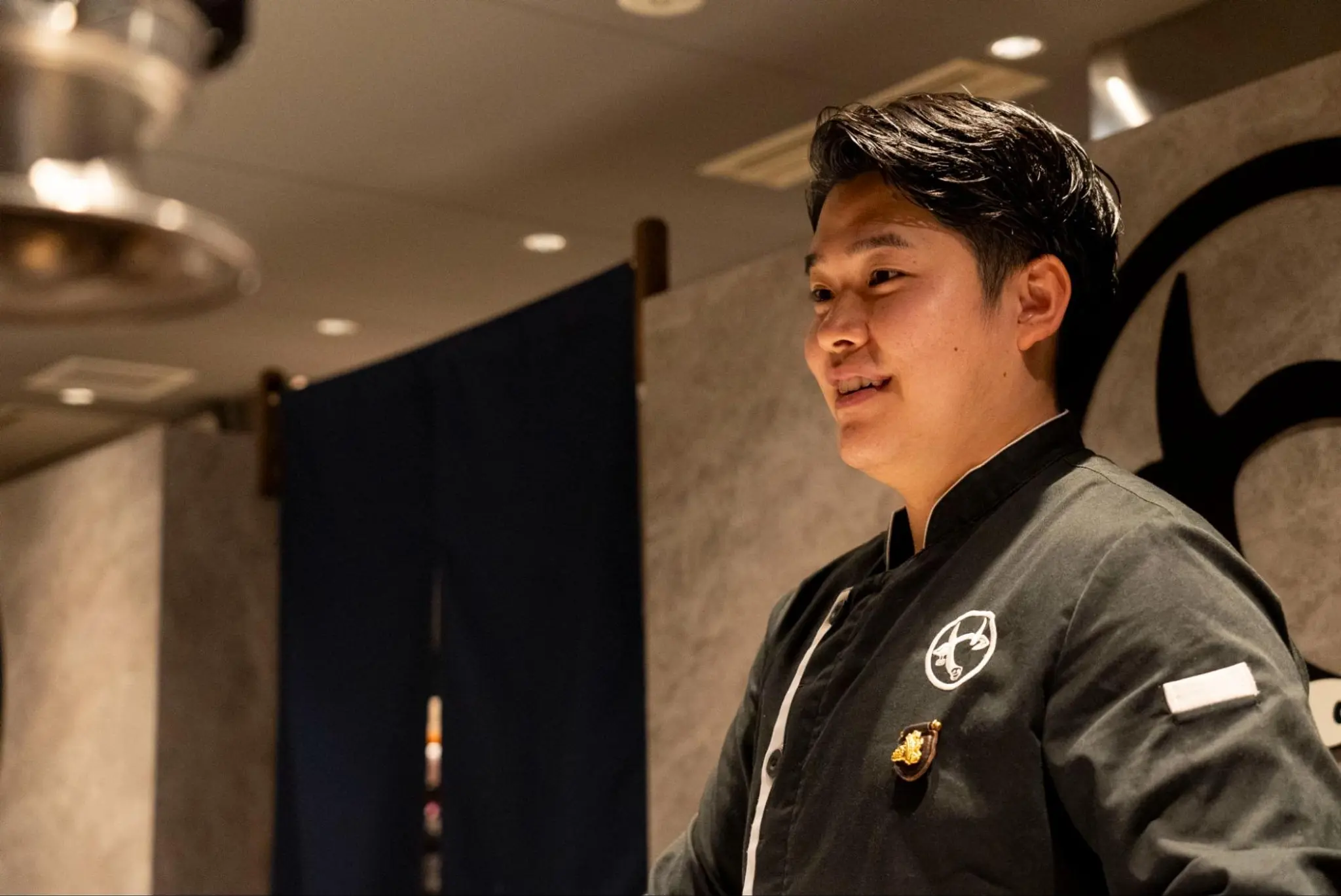
I was inspired to become a chef when my father opened a restaurant during my student years, and I started working part-time there. Since I have always loved eating, I became increasingly fascinated by the charm of meat. I realized that serving delicious meat requires various factors to come together, such as cutting techniques and cooking methods. As I kept thinking about how to bring out the best flavors, I decided to pursue a career as a chef.
What fascinates me about meat is not only its visual appeal but also how its color affects the depth of flavor. Even if the meat itself has lower potential, I enjoy figuring out how to cook it in a way that elevates it to a level where customers find it delicious. Additionally, since wine is an essential pairing for meat, I studied wine and obtained a sommelier qualification to further explore the perfect combinations of meat and alcohol.
ーーーI heard that you are also studying Japanese cuisine. Could you tell us more about that?
Before our restaurant opens for the day, I spend every morning preparing ingredients at 【Tomikoji Yamagishi】, a kaiseki restaurant where my uncle is the chef. Japanese cuisine is a genre where meat dishes are rarely featured, so I learn essential techniques such as vegetable preparation and fish filleting, using knife skills that are not typically applied in meat cooking. This experience has greatly refined my knife techniques. At our restaurant, we are challenging ourselves with a new genre called "Niku-Kappo," which fuses meat dishes with traditional Japanese cuisine. I believe that having a proper understanding of Japanese cuisine changes the way one perceives the dishes, which is why I am dedicated to studying it thoroughly.
ーーーHow do you see the potential of "Niku-Kappo" cuisine?
To be honest, the concept of "Niku-Kappo" is still in uncharted territory. Unlike traditional Japanese cuisine, it does not have a long history, and the culture of enjoying meat in a kappo-style setting has only recently begun to take shape. I take pride in the fact that we are in the position of creating something entirely new. The "Yakiniku" genre already has a well-established history, but if we can develop "Niku-Kappo" into a field that is sought after by customers to the extent that it can compete with Yakiniku, that would be incredibly exciting. Additionally, the possibility of creating a dish that we can confidently call our restaurant's specialty one day is something I find truly fascinating.
Committed to Quality Ingredients Without Compromise, Pioneering Our Own Meat Sourcing Channels
ーーーHow do you approach ingredient selection?
Recently, with the rise of social media, it has become easier to access information about high-quality meat. When I hear about an exceptional yakiniku or kaiseki restaurant, I make sure to visit, ask directly about their suppliers, and then personally travel to the source to build relationships with producers and suppliers. Through these efforts, I have steadily expanded my network of suppliers.
Naturally, well-established restaurants have an advantage in securing top-quality meat, and it is not always easy for a new restaurant like ours to obtain the best cuts. However, I firmly believe that meat quality, sauce, and cutting techniques are all crucial factors—if even one of these is lacking, the dish will not be as good as it could be. Because I was so determined to secure the best meat, I kept persistently asking for it, and eventually, some suppliers recognized my passion and told me, "You're young, so work hard," and agreed to do business with me. One such supplier is 【Tajima Kenji Shoten】 at the Tokyo Meat Market, which is well-known for handling premium offal. I am truly grateful to have access to their products.
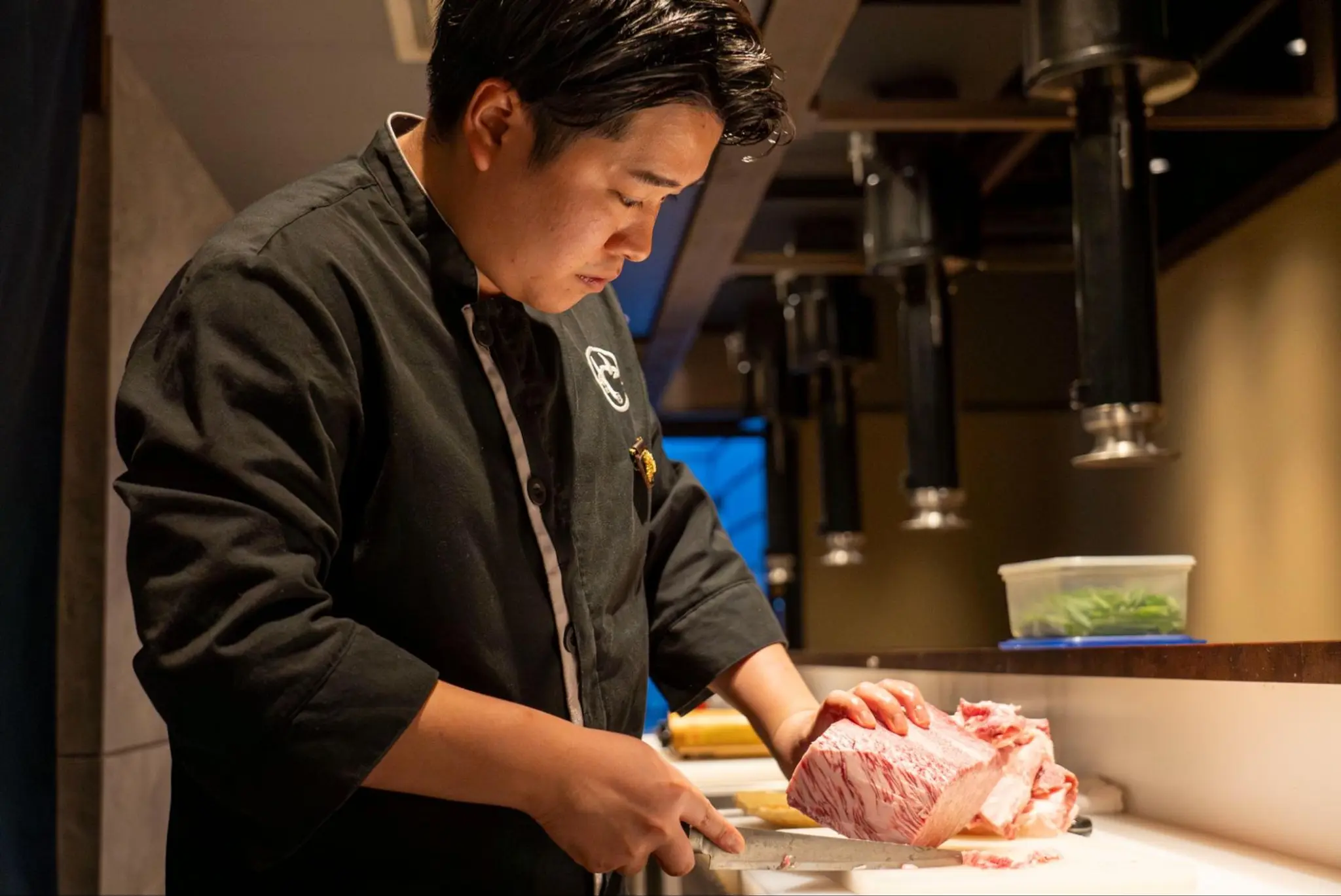
Regarding meat cutting, I personally dislike tough connective tissue, so I ensure that it is completely removed before serving. The presence of connective tissue can create an unpleasant chewing experience or make swallowing difficult, so I believe it is essential to eliminate that stress for our customers. To refine my cutting techniques, I trained under Mr. Nakahara of 【Sumibiyaki Niku Nakahara】, a renowned yakiniku restaurant in Tokyo, where I learned how to cut every type of meat properly. As a result, at our restaurant, we serve meat that is entirely free of tough fibers, allowing even those who typically dislike connective tissue to enjoy their meal without hesitation.
ーーーHow have you applied what you’ve learned from Japanese cuisine?
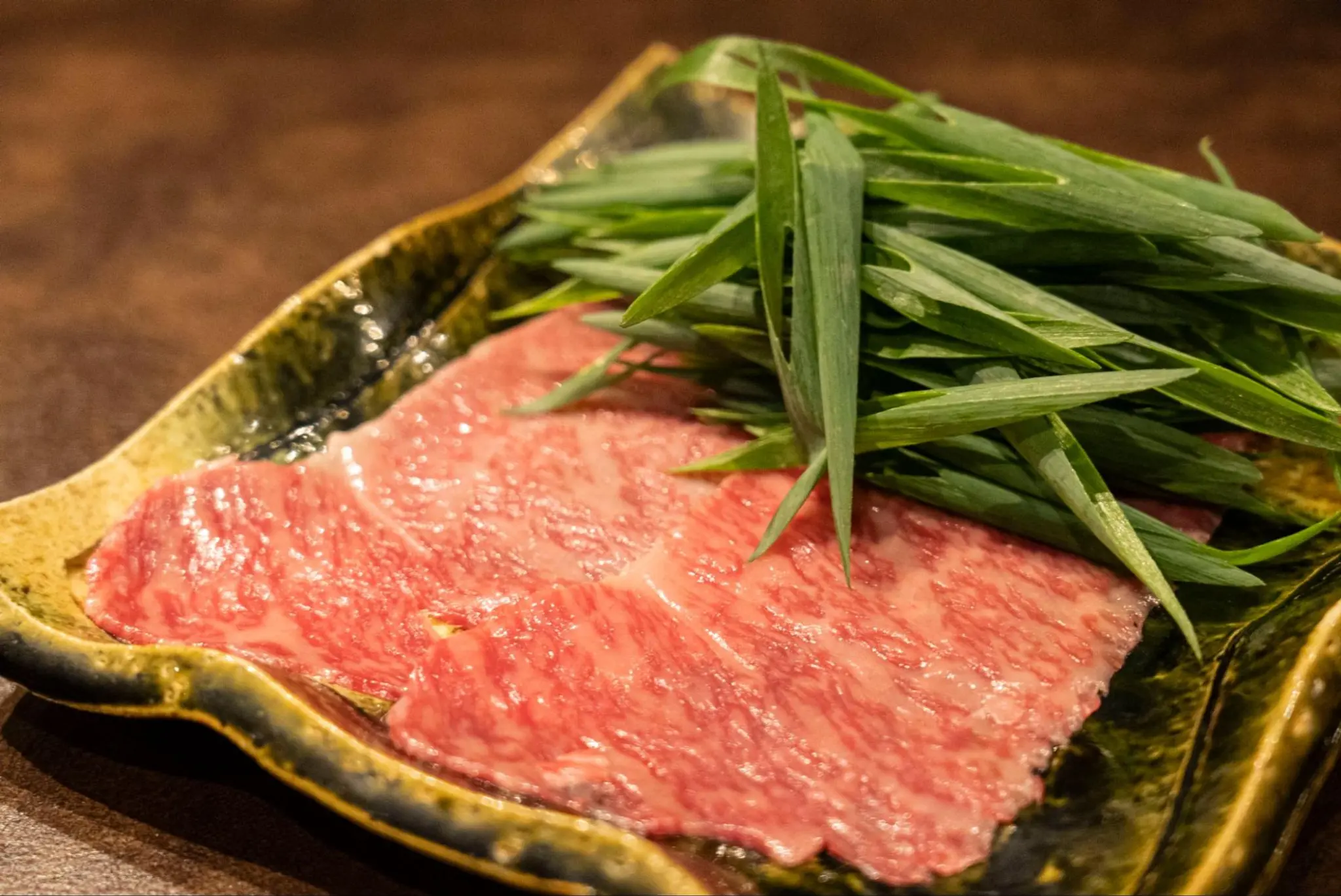
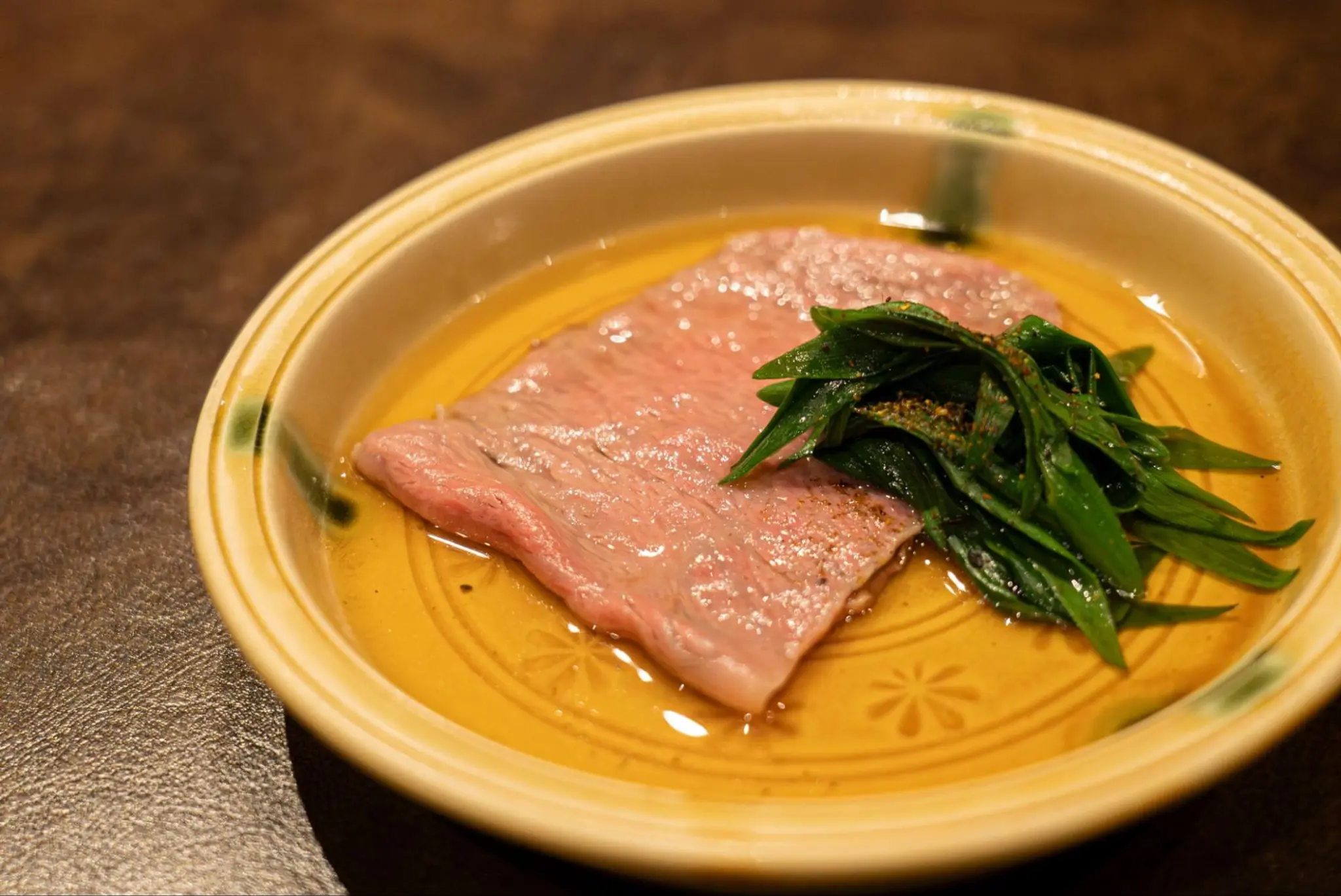
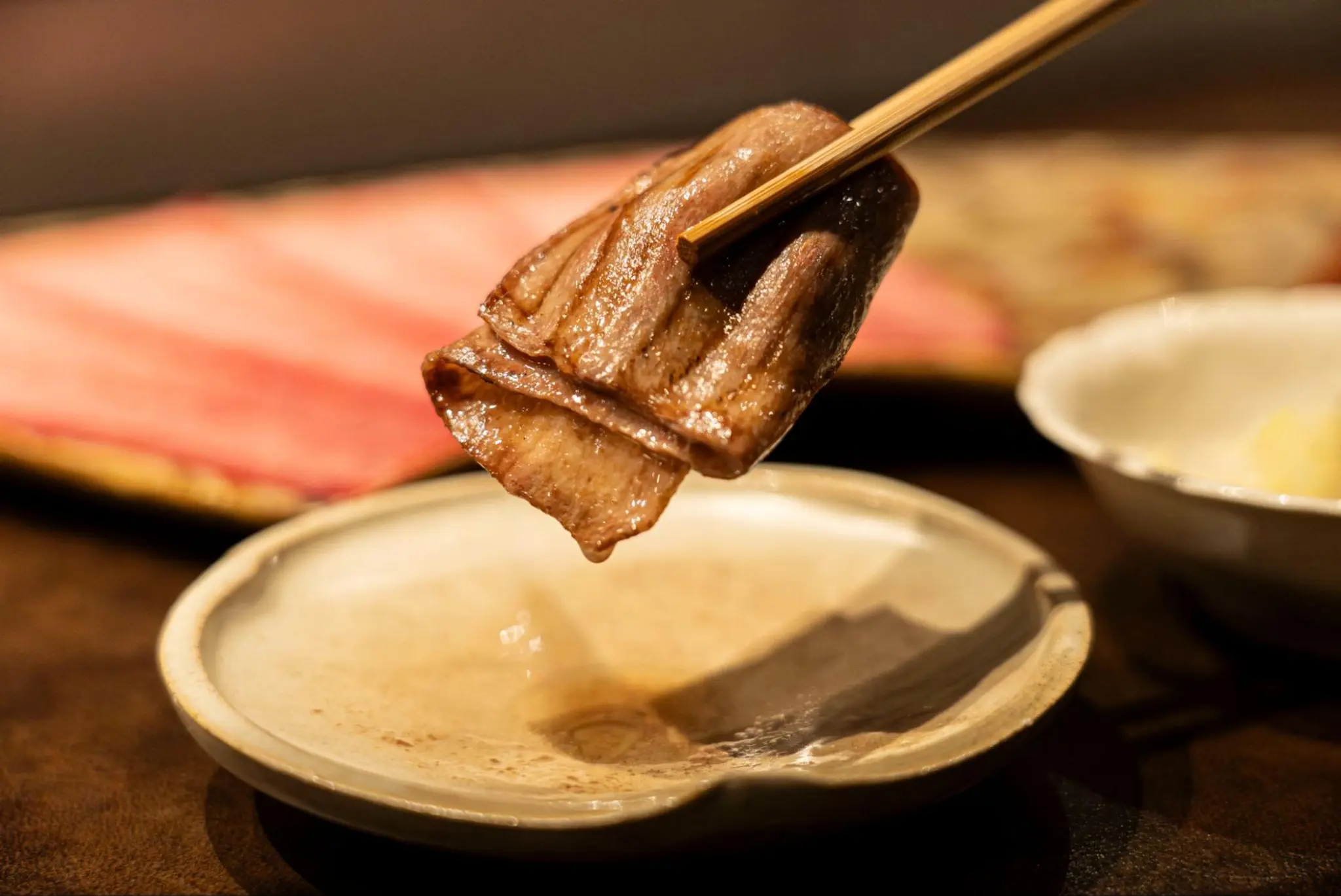
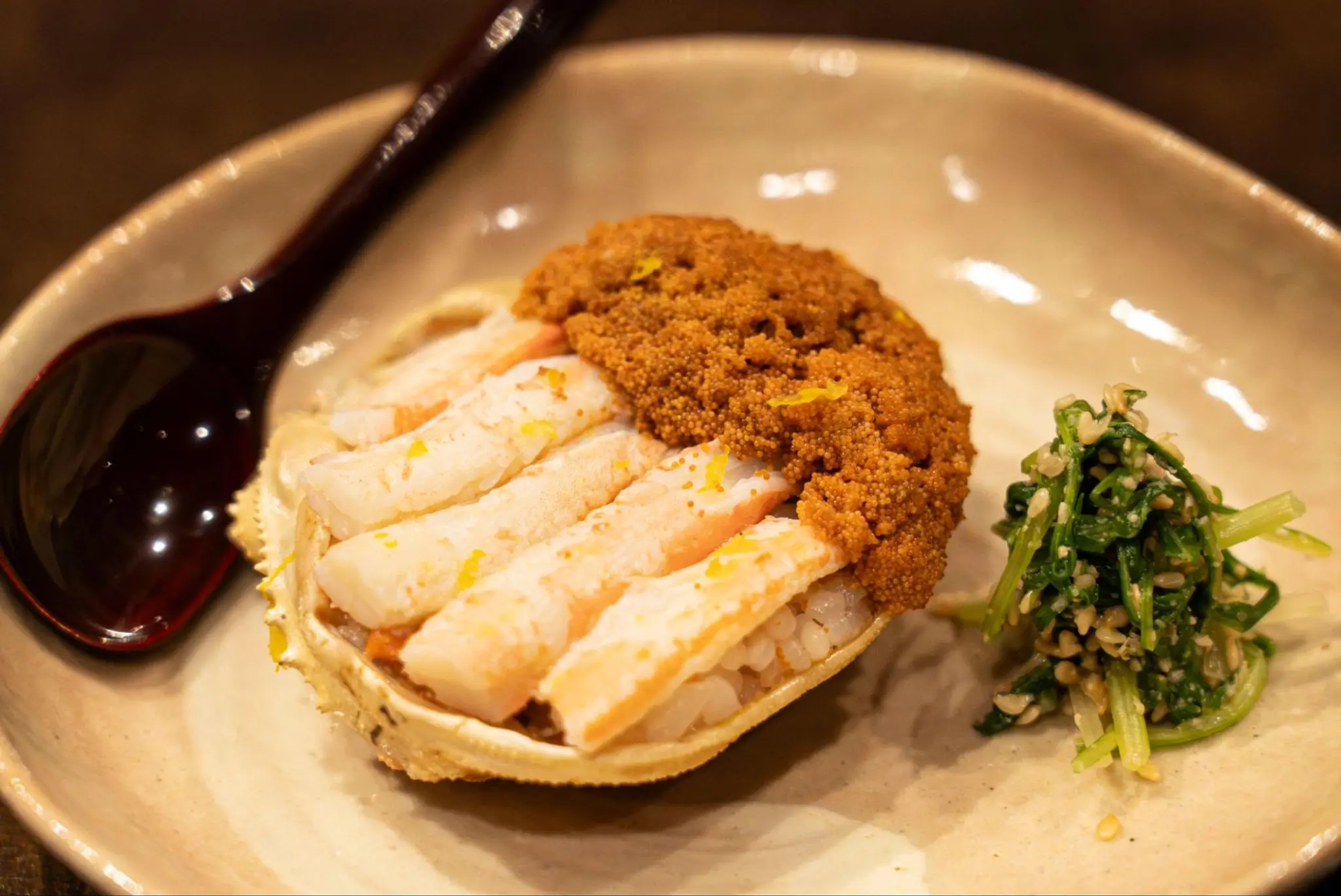
Our restaurant’s sauce is dashi-based, allowing customers to enjoy dishes that incorporate the essence of Japanese cuisine. For example, we serve a dish where sirloin and vegetables are dipped into the sauce for a shabu-shabu experience with a distinctly Japanese flavor. Additionally, we create unique dishes such as a dashi-based jelly that is paired with crab and beef tripe.
If I hadn’t studied Japanese cuisine, I don’t think I would have developed the mindset to explore so many different ways of utilizing the same ingredients. For instance, fugu shirako (pufferfish milt) is a versatile ingredient that can be prepared in various ways—sometimes I grill it over charcoal and pair it with meat. I have also learned how to maximize the use of seasonal ingredients, constructing my courses around the best ingredients available in each season. In traditional Japanese cuisine, all three fundamental techniques—grilling, simmering, and steaming—are utilized. While meat is typically just grilled, I experiment with steaming meat dishes and other unconventional approaches. I believe this is something that sets my restaurant apart from others and serves as one of my unique strengths.
Valuing Dialogue with Customers While Pursuing the Perfect Balance Between Meat Dishes and Japanese Cuisine
ーーーHow did the customers respond?
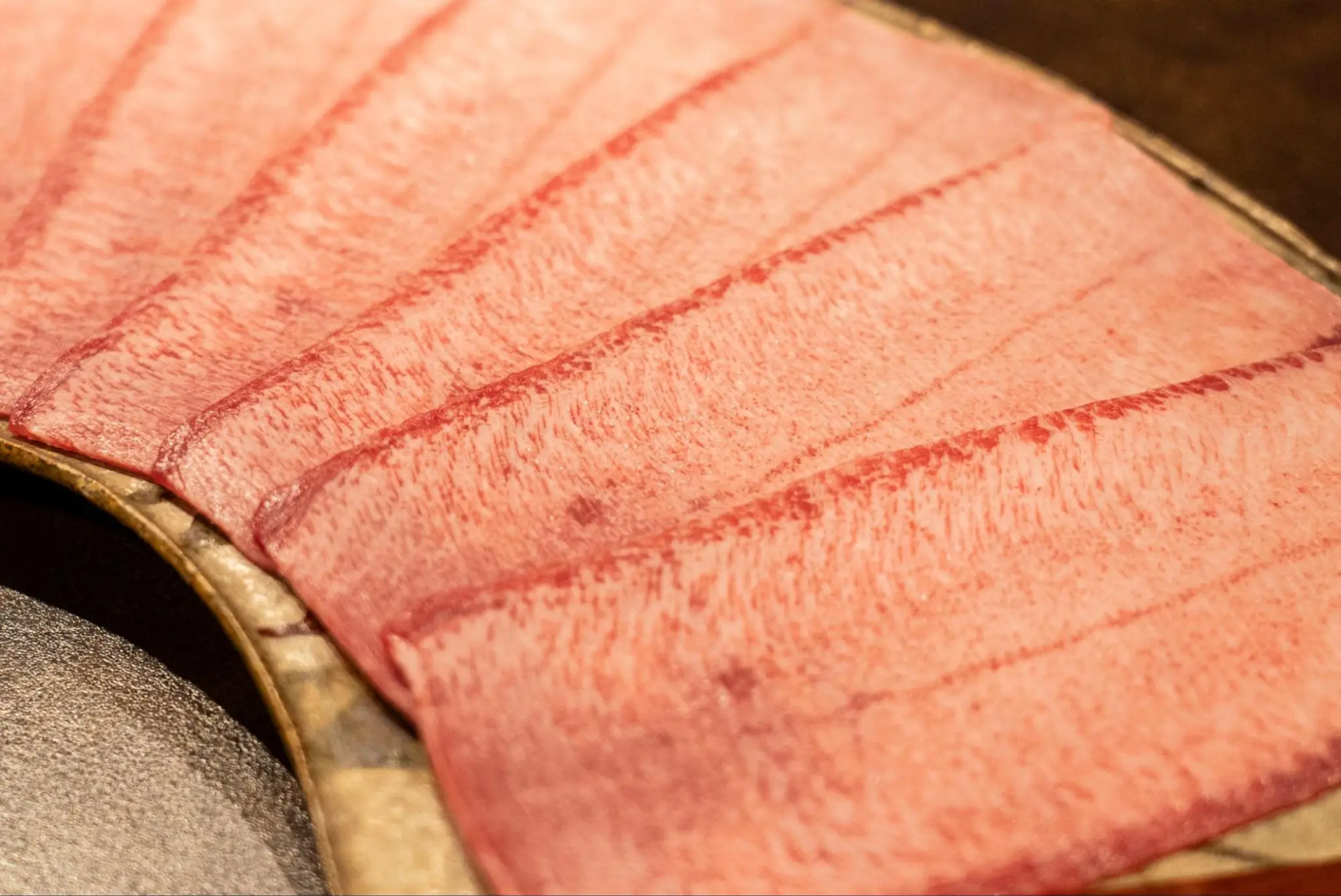
By incorporating elements of Japanese cuisine, the richness of the meat becomes less overwhelming, making it a great option for customers who prefer a lighter dining experience. We also adjust portion cuts according to each meat’s characteristics to ensure ease of eating. Additionally, we offer variety in our courses by allowing guests to enjoy their meat with white miso, in shabu-shabu, or through other preparations, ensuring that flavors remain dynamic and engaging. To keep things fresh, we update our course menus every month, preventing monotony.
Recently, we’ve seen an increase in international guests. Many of them are not accustomed to eating raw meat or certain cuts like beef tongue. To accommodate these preferences, we conduct a thorough consultation during the reservation process and adjust the course menu accordingly, ensuring that substitutions feel natural rather than forced. Since Wagyu is widely recognized and highly sought after worldwide, our guests arrive with great expectations. It brings me immense joy when we exceed those expectations, and I am committed to continuing to refine our offerings to meet and surpass them.
ーーーWhat approach do you take when serving your guests?
I personally enjoy talking, so I’m happy when I can create a lively and fun atmosphere with my guests. At the counter seats, I often serve a large plate of meat in a bold presentation and carry it around to each guest, which naturally turns into a bit of a performance (laughs). Additionally, since the doneness of the meat is very important, every table, including private rooms, has a dedicated staff member. This setup allows for natural conversations to emerge between the staff and the guests.
ーーーDo you ever face any challenges when creating your dishes?
In Japanese cuisine, there is a philosophy known as "subtraction cooking," where unnecessary elements are removed to highlight the natural flavors of the ingredients. Influenced by my uncle, I also studied ikebana, where the same principle applies—considering how to showcase the main element while eliminating excess beautifully. This approach resonates deeply with Japanese cuisine. I admire the concept of subtraction to enhance beauty, but Niku-Kappo is a fusion of meat and Japanese cuisine, meaning it inherently involves at least two elements. My biggest challenge is ensuring that my cooking doesn’t become too additive.
In Japanese cuisine, there is a philosophy known as "subtraction cooking," where unnecessary elements are removed to highlight the natural flavors of the ingredients. Influenced by my uncle, I also studied ikebana, where the same principle applies—considering how to beautifully showcase the main element while eliminating excess. This approach resonates deeply with Japanese cuisine.I admire the concept of subtraction to enhance beauty, but Niku-Kappo is a fusion of meat and Japanese cuisine, meaning it inherently involves at least two elements. My biggest challenge is ensuring that my cooking doesn’t become too additive.
To find the right balance, if a dish leans heavily toward Japanese cuisine, I may adjust another dish to be more meat-focused, ensuring that the overall balance remains true to the essence of Niku-Kappo.
I want my guests to leave thinking, "I enjoyed delicious meat while also experiencing a well-crafted course meal." If they discover new dimensions of meat through my cooking and feel pleasantly surprised, that would bring me great joy.
I want to surpass my past self every time, delivering an unforgettable experience to my guests with each visit.
ーーーWho do you respect the most?
It would definitely be my mentor, my uncle. Despite successfully running several restaurants in Kyoto and Tokyo, he remains incredibly kind and humble, which I deeply respect. When it comes to ingredients, he never compromises—only the finest, top-quality products make it into his kitchen. He handles these exceptional ingredients with precision, ensuring that each dish clearly conveys what the customer is eating. Seeing his dedication has greatly influenced me, driving me to pursue the best-quality meats. Once you experience truly high-quality ingredients, there's no turning back. I believe that if I have access to the best, it would be wrong to serve anything less to my customers. This mindset has led me to become increasingly committed to quality in every aspect of my cooking.
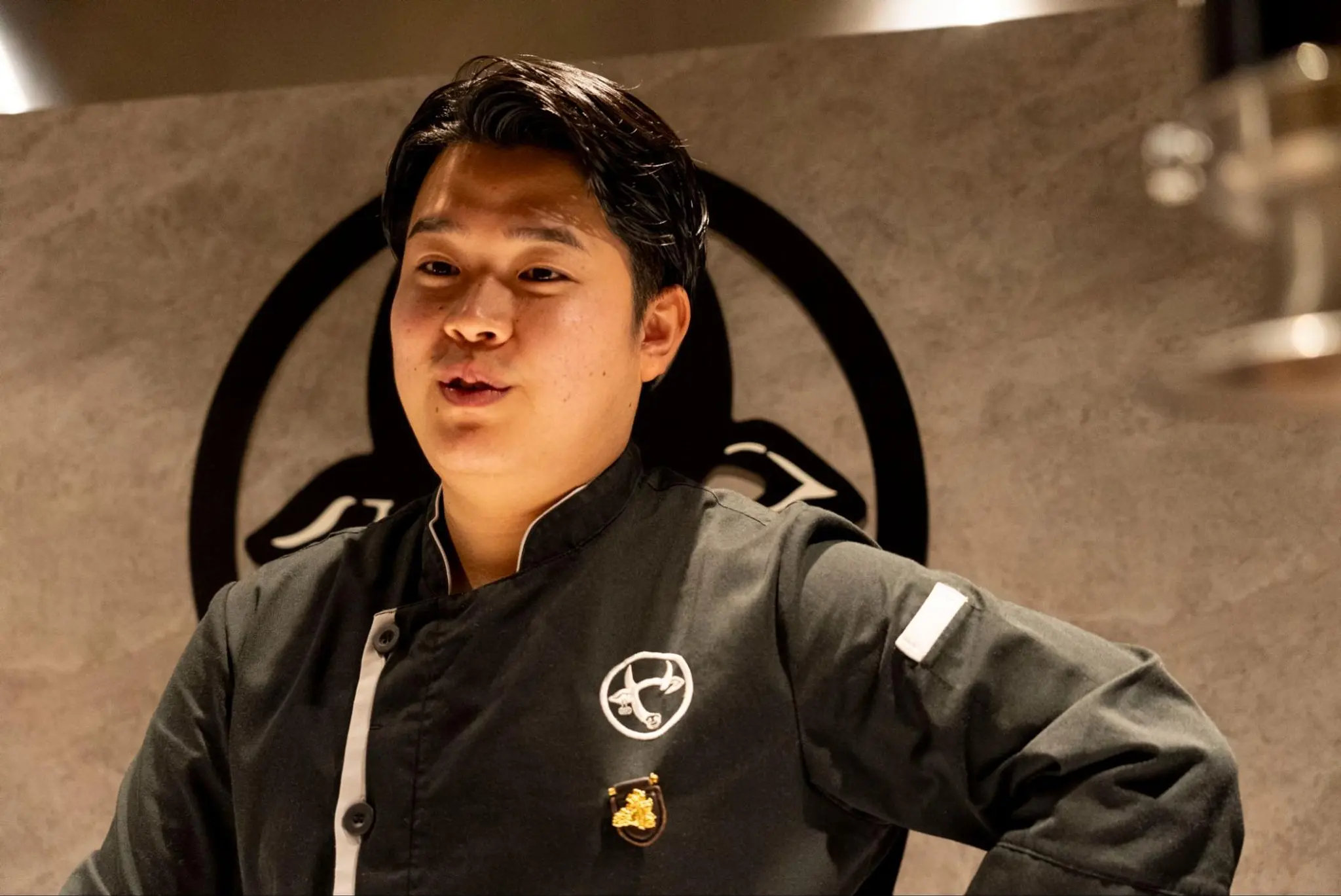
ーーーHow do you usually receive advice from your uncle?
Before offering a new dish to customers, I always hold a tasting session every month and receive advice from my uncle. Even if a dish tastes good, it’s meaningless if the customer doesn’t understand what they’re eating. That’s why getting opinions from a traditional Japanese chef’s perspective is invaluable. Sometimes, interesting dishes emerge from our discussions. Recently, I created a dish that combines meat with Tanba chestnuts. The raw meat is marinated in soy sauce, then topped with crushed, cooked chestnuts and Japanese peppercorns. The sweetness of the chestnuts and the saltiness of the soy sauce blend perfectly, making for a delicious combination. Coming up with new and exciting dishes like this is something I truly enjoy.
ーーーCan you tell us about your future plans?
I believe that now is the time for me to push forward with full dedication. I want to refine what I am currently working on, repeating and improving it so that whenever customers visit, they always have an unforgettable experience.At 25 years old, my youth allows me to create bold and unique dishes that can only be made at this stage of my life. My customers come to enjoy those creations, and I am grateful for that. As time passes, I believe that next year, I will be able to create dishes that can only be made then. My goal is to produce the best possible dishes each year and to constantly surpass my past self.
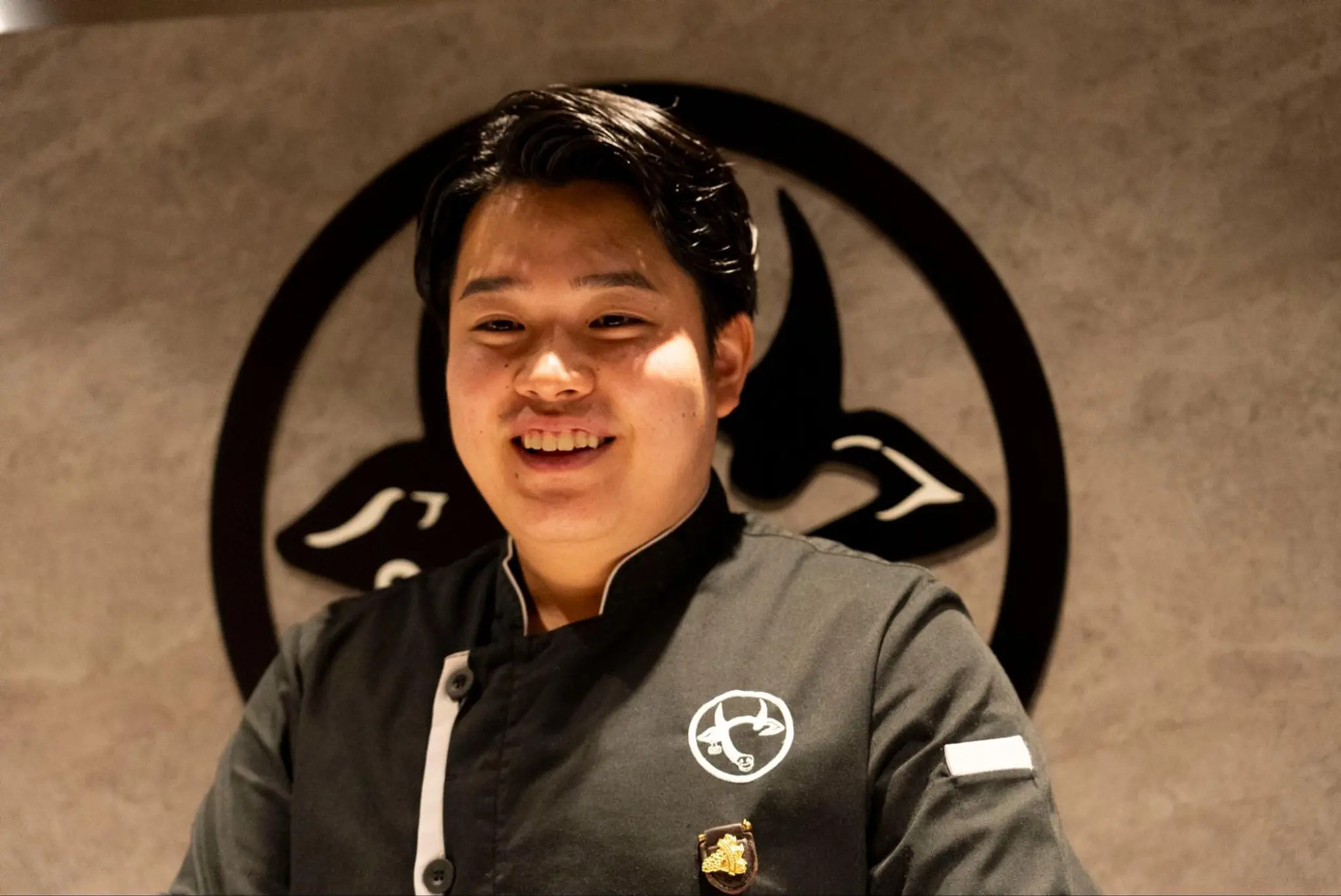
ーーーWhat does "delicious" mean to you, Mr. Yamagishi?
I believe that "delicious" and "fun" coexist. The other day, I thought I had performed as usual, but the customers who were dining together started talking about the food, bonded over it, and I ended up joining in on the excitement. One of them told me, "Today was the best experience so far." That moment made me realize that "delicious" is not just about the food itself, but also about the atmosphere and the entire dining experience. Enjoying great food in a space that feels comfortable and enjoyable makes the experience more than just a matter of taste—it becomes a memorable kind of "delicious." That’s why I want to continue pursuing "deliciousness" not just in the food I serve but also in the space I create and the communication I share with my guests.
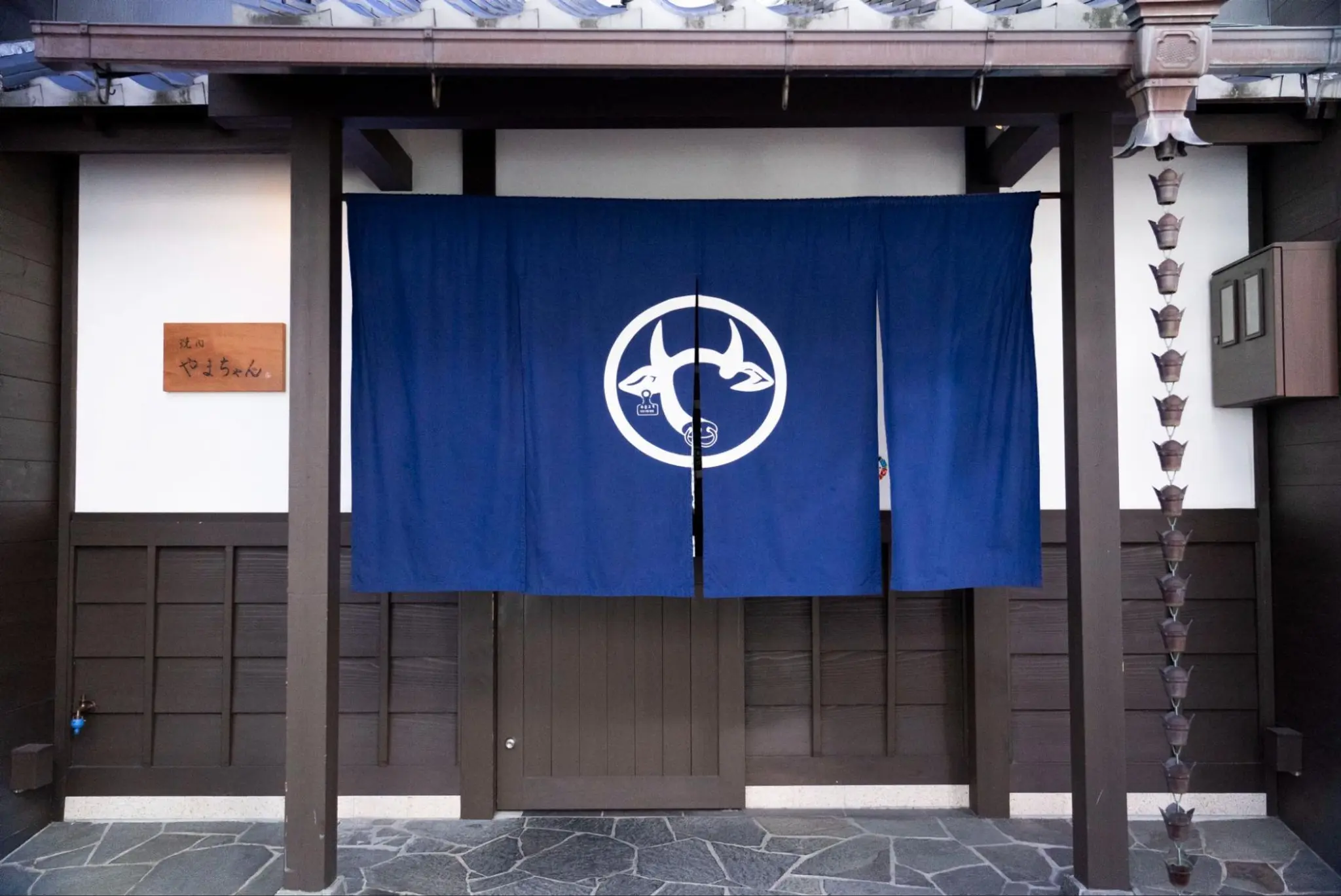
An exquisite experience awaits, where dishes crafted with the finest Wagyu beef and fresh offal are complemented by a refined, umami-rich dashi sauce. Each dish surpasses expectations, leaving guests in awe. With a deep respect for Japanese culinary techniques and philosophy, Chef Yamagishi is on a journey to evolve as a chef and pioneer the new realm of "Niku-Kappo." How will he shape this emerging genre? This is the kind of restaurant that one would want to visit not just annually but monthly, savoring the joy of discovering a hidden gem while indulging in the profound flavors of expertly crafted meat dishes. For an unparalleled Wagyu dining experience, imbued with the spirit of Japanese hospitality, a visit to【Yakiniku Yamachan】 is a must.
Interview & Writing / Yuka Sata
Photography / Azusa Nakaoka
Restaurant Information
- AutoReserve Magazine
- Restaurants recommended by top chefs
- A Young Chef’s Challenge: Pioneering a New Genre of "Meat Kappo" with Passion and Exceptional Initiative