¿Qué es Gunma?: Gunma is a landlocked prefecture where mountains, rivers, and well-known hot spring towns shape a dining culture that leans into warmth and hearty flavors. Wheat fields and cool highlands support a noodle tradition: visitors often encounter Mizusawa udon, flat noodle stews like okkirikomi, and shops highlighting locally raised pork or Joshu beef. Sweet bites such as yakimanju and onsen manju appear alongside skewers, casual izakaya fare, and regional vegetables, including konjac and seasonal greens from the uplands. Markets and roadside stations showcase preserves, pickles, and freshly made snacks that travel well. In onsen areas, multi-course meals emphasize seasonal produce and clear mountain water, echoed in local sake. A legacy tied to the silk industry and later manufacturing introduced outside influences early on, and that openness still surfaces in bakeries, diners, and family-run eateries. Across the year, menus shift with the climate, offering comforting stews in winter and refreshing noodles in summer.
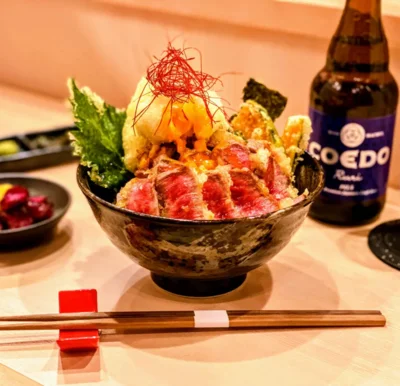
¿Qué es Tempura?: Tempura highlights the pleasure of batter and oil handled with restraint and precision. Diners often encounter prawns, white fish, squid, and seasonal vegetables lightly coated in a chilled batter and fried at a high temperature, yielding a crisp shell with tender textures inside. The experience frequently centers on timing: pieces arrive moments after leaving the fryer, inviting a relaxed pace as each bite is enjoyed while hot. Condiments such as tentsuyu with grated daikon, sea salt, or matcha salt offer contrasting accents. Menus may feature a counter service where items are presented one by one, mixed assortments for sharing, or pairings with rice and noodles like tendon, tempura soba, and udon. Variations in oil blends, batter thickness, and cut size create distinct aromas, sounds, and textures—from a gentle crackle to a lively sizzle—encouraging guests to compare nuances across ingredients and styles.


.png?format=webp)
.png?format=webp)
.heic?format=webp)
.heic?format=webp)
.heic?format=webp)
.jpg?format=webp)




.jpg?format=webp)


.jpg?format=webp)



