¿Qué es Shizuoka?: Shizuoka invites diners with a landscape that runs from ocean to mountains, shaping a table that favors freshness and craft. Menus often feature seafood from Suruga Bay, with seasonal catches that may include sakura shrimp and shirasu, alongside river fish and Hamamatsu-style eel. Tea culture appears in many forms, from fragrant sencha to sweets and dishes that incorporate matcha. Local touches include Shizuoka-style oden simmered in a dark broth, Fujinomiya yakisoba with chewy noodles, and wasabi grown in the clear waters of the Izu area. Neighborhood izakaya, specialty counters, and noodle shops sit next to contemporary kitchens, offering an easy variety of choices. The region’s connection to the Sunpu castle town associated with the Tokugawa lineage adds a historical thread sometimes evoked in stories of hospitality. Seasonal pairings with tea or sake help express the region’s calm, detailed approach to flavor.
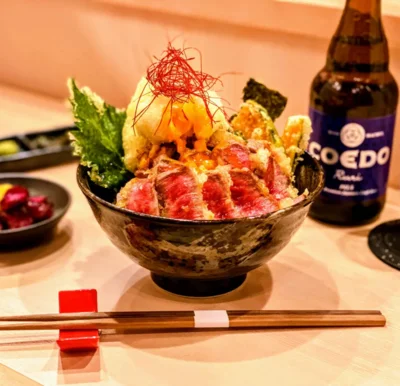
¿Qué es Tempura?: Tempura highlights the pleasure of batter and oil handled with restraint and precision. Diners often encounter prawns, white fish, squid, and seasonal vegetables lightly coated in a chilled batter and fried at a high temperature, yielding a crisp shell with tender textures inside. The experience frequently centers on timing: pieces arrive moments after leaving the fryer, inviting a relaxed pace as each bite is enjoyed while hot. Condiments such as tentsuyu with grated daikon, sea salt, or matcha salt offer contrasting accents. Menus may feature a counter service where items are presented one by one, mixed assortments for sharing, or pairings with rice and noodles like tendon, tempura soba, and udon. Variations in oil blends, batter thickness, and cut size create distinct aromas, sounds, and textures—from a gentle crackle to a lively sizzle—encouraging guests to compare nuances across ingredients and styles.
.jpg?format=webp)
.jpg?format=webp)
.jpg?format=webp)
.jpg?format=webp)
.jpg?format=webp)
.jpg?format=webp)


.jpg?format=webp)
.jpg?format=webp)
.jpg?format=webp)
.jpg?format=webp)
.jpg?format=webp)
.jpg?format=webp)


.jpg?format=webp)
.png?format=webp)
.jpg?format=webp)
.jpg?format=webp)
.jpg?format=webp)
.jpg?format=webp)
.jpg?format=webp)
.jpg?format=webp)
.jpg?format=webp)
.jpg?format=webp)




.jpg?format=webp)


.jpg?format=webp)



