Che cosa è Ibaraki?: Bordered by the Pacific and nourished by fertile plains, Ibaraki offers a dining landscape where coastal seafood and farmland produce meet. Winter brings hearty tastes such as ankō (monkfish) hotpot, while markets and casual eateries highlight clams, river fish from lake areas, and crisp lotus root. Sweet potatoes appear in beloved dried forms, melons and chestnuts mark the seasons, and Hitachi beef can be found at venues that focus on regional ingredients. Mito’s natto stands as a symbol of local fermentation culture, and breweries and makers often highlight rice, koji, and water from nearby sources. Stories often link the Mito domain’s encouragement of soybean cultivation with the evolution of these traditions. From family-run diners to contemporary kitchens and cafes that reinterpret classics, travelers encounter menus shaped by proximity to fields and sea. Tasting routes that connect farms, fishing ports, and workshops are being discussed, inviting unhurried exploration across the prefecture.
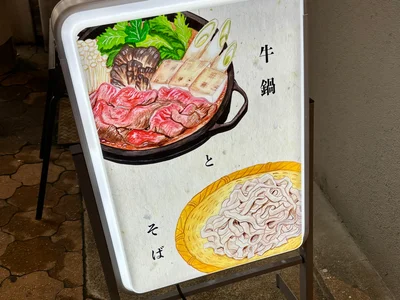
Che cosa è Japanese Hot Pot?: Japanese Hot Pot invites diners to gather around a simmering pot and cook ingredients at the table, creating a relaxed, interactive meal. Clear kombu stock, soy-based broths, and miso blends are commonly offered, each shaping the flavor of meats, seafood, tofu, mushrooms, and seasonal vegetables. Styles vary widely: shabu-shabu highlights quick swishing of thinly sliced beef with citrusy ponzu or nutty sesame sauce; sukiyaki features a gently sweet soy base; yosenabe brings a mix of hearty additions; chanko-nabe evokes the comfort of generous portions; and motsunabe showcases savory offal with garlic and chives. Many places present curated platters and à la carte selections, allowing guests to pace the meal and adjust the pot as they go. Toward the end, noodles or rice are often added for a satisfying finish known as shime. Rising steam, the sound of a gentle simmer, and shared timing create a dining experience that feels both warm and engaging.
.jpg?format=webp)
.jpg?format=webp)
.jpg?format=webp)
.jpg?format=webp)
.jpg?format=webp)
.jpg?format=webp)


.jpg?format=webp)

.jpg?format=webp)

.jpg?format=webp)