Che cosa è Kagawa?: Kagawa, embraced by the calm Seto Inland Sea, offers a dining culture shaped by land and islands alike. Menus often revolve around Sanuki udon—springy noodles paired with a clear, savory broth that is frequently built on iriko (dried sardine) dashi—and many eateries adopt a casual self-serve style that invites quick, satisfying stops. Coastal towns supply daily catches, while the mild climate supports citrus and vegetables that bring a gentle seasonality to the table. Shodoshima carries a legacy of olive cultivation and soy sauce brewing, adding fragrant oils, pickles, and umami-rich condiments to local kitchens. Sweets made with fine-grained wasanbon sugar appear alongside hearty dishes such as chicken served on the bone, reflecting a spectrum of flavors from simple to celebratory. Travelers often explore by hopping between udon shops, markets, and small producers, discovering how everyday meals and careful craft continue to inform the prefecture’s relaxed, welcoming food scene.
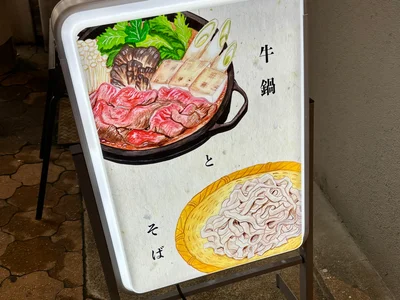
Che cosa è Japanese Hot Pot?: Japanese Hot Pot invites diners to gather around a simmering pot and cook ingredients at the table, creating a relaxed, interactive meal. Clear kombu stock, soy-based broths, and miso blends are commonly offered, each shaping the flavor of meats, seafood, tofu, mushrooms, and seasonal vegetables. Styles vary widely: shabu-shabu highlights quick swishing of thinly sliced beef with citrusy ponzu or nutty sesame sauce; sukiyaki features a gently sweet soy base; yosenabe brings a mix of hearty additions; chanko-nabe evokes the comfort of generous portions; and motsunabe showcases savory offal with garlic and chives. Many places present curated platters and à la carte selections, allowing guests to pace the meal and adjust the pot as they go. Toward the end, noodles or rice are often added for a satisfying finish known as shime. Rising steam, the sound of a gentle simmer, and shared timing create a dining experience that feels both warm and engaging.
.jpg?format=webp)
.jpg?format=webp)
.jpg?format=webp)
.jpg?format=webp)
.jpg?format=webp)
.jpg?format=webp)
.jpg?format=webp)
.jpg?format=webp)
.jpg?format=webp)
.jpg?format=webp)
.jpg?format=webp)
.jpg?format=webp)
.jpg?format=webp)

.jpg?format=webp)

.jpg?format=webp)




