Che cosa è Kochi?: Set on the Pacific side of Shikoku, Kochi offers a dining landscape shaped by lively harbors, mountain villages, and clear rivers. Menus often spotlight skipjack bonito seared over straw, a smoky preparation that highlights the fish’s clean depth, alongside citrusy notes from local yuzu, ginger, and other aromatics. Communal sawachi platters—an array of dishes arranged on a single large plate—are frequently associated with celebratory gatherings and a spirit of Tosa hospitality with roots in the former domain’s banquet culture. Many kitchens adjust offerings to the day’s catch and the seasons, balancing the honesty of fire, smoke, and salt with contemporary techniques. From seaside grills to casual counters and refined dining rooms, the scene invites relaxed sharing, conversation, and pairings with Kochi’s sake. Travelers encounter a cuisine that feels both coastal and rustic, where craftsmanship tends to emphasize freshness, clarity of flavor, and a quietly confident sense of place.
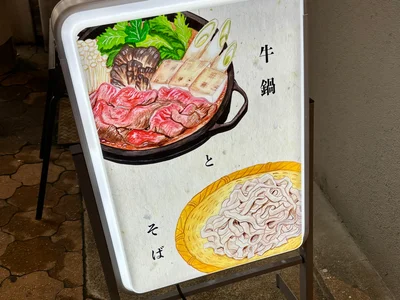
Che cosa è Japanese Hot Pot?: Japanese Hot Pot invites diners to gather around a simmering pot and cook ingredients at the table, creating a relaxed, interactive meal. Clear kombu stock, soy-based broths, and miso blends are commonly offered, each shaping the flavor of meats, seafood, tofu, mushrooms, and seasonal vegetables. Styles vary widely: shabu-shabu highlights quick swishing of thinly sliced beef with citrusy ponzu or nutty sesame sauce; sukiyaki features a gently sweet soy base; yosenabe brings a mix of hearty additions; chanko-nabe evokes the comfort of generous portions; and motsunabe showcases savory offal with garlic and chives. Many places present curated platters and à la carte selections, allowing guests to pace the meal and adjust the pot as they go. Toward the end, noodles or rice are often added for a satisfying finish known as shime. Rising steam, the sound of a gentle simmer, and shared timing create a dining experience that feels both warm and engaging.
.jpg?format=webp)

.jpg?format=webp)


.jpg?format=webp)



