Che cosa è Nagano?: Nagano’s dining scene reflects its mountains, clean water, and four clear seasons. The region is often associated with Shinshu soba made from highland buckwheat, fragrant miso, nozawana pickles, apples and grapes, and comforting foods such as oyaki. Local tables feature river fish and mountain vegetables, while wagyu from the area and occasional game appear in menus that balance rustic flavors with careful technique. Sake from long-running breweries and an emerging wine culture complement these dishes. Travelers encounter everything from casual noodle shops to refined kaiseki at ryokan, alongside farmhouse kitchens that highlight produce from nearby fields. Histories of the Nakasendo post towns and the temple life around Zenko-ji are said to have shaped hospitality traditions, from tea-house fare to influences of shojin cooking. Throughout the year, seasonal ingredients take the lead, offering a gentle snapshot of Shinshu’s landscape in each course without rushing to extremes.
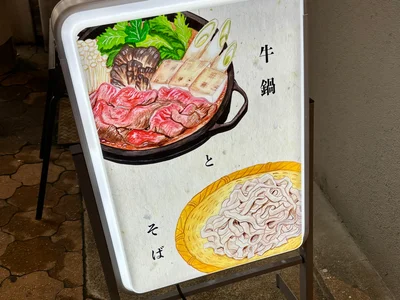
Che cosa è Japanese Hot Pot?: Japanese Hot Pot invites diners to gather around a simmering pot and cook ingredients at the table, creating a relaxed, interactive meal. Clear kombu stock, soy-based broths, and miso blends are commonly offered, each shaping the flavor of meats, seafood, tofu, mushrooms, and seasonal vegetables. Styles vary widely: shabu-shabu highlights quick swishing of thinly sliced beef with citrusy ponzu or nutty sesame sauce; sukiyaki features a gently sweet soy base; yosenabe brings a mix of hearty additions; chanko-nabe evokes the comfort of generous portions; and motsunabe showcases savory offal with garlic and chives. Many places present curated platters and à la carte selections, allowing guests to pace the meal and adjust the pot as they go. Toward the end, noodles or rice are often added for a satisfying finish known as shime. Rising steam, the sound of a gentle simmer, and shared timing create a dining experience that feels both warm and engaging.
.JPG?format=webp)
.jpg?format=webp)
.jpeg?format=webp)
.JPG?format=webp)
.JPG?format=webp)
.JPG?format=webp)
.jpg?format=webp)

.jpg?format=webp)

.jpg?format=webp)