Was ist Adachi-ku?: Adachi-ku, in Tokyo’s northeast, offers a relaxed, neighborhood-driven dining scene where friendly eateries, izakaya, and compact specialty shops line backstreets and arcades. You’ll encounter comforting staples such as soba, tempura, yakitori, ramen, and tonkatsu, alongside international kitchens that add a casual global note. Counters designed for quick bites and standing bars contribute to a come-and-go rhythm that suits busy days and unplanned evenings. Local stories often connect the area with a historic highway post town, and that traveler-friendly spirit can be felt in welcoming service and no-frills menus. Markets and shopping streets frequently highlight seasonal ingredients, while festivals bring out limited-time snacks and nostalgic street foods. Whether you’re after a simple bowl, shared small plates, or a late-night nibble, the district presents approachable options that reflect everyday Tokyo tastes with unpretentious charm.
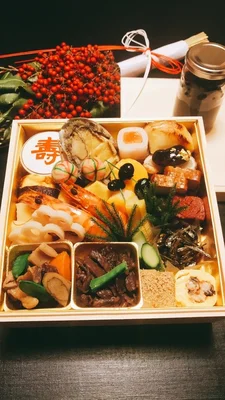
Was ist Kaiseki?: Kaiseki presents a measured progression of small courses that follow the seasons and highlight clarity of flavor. A typical meal may begin with a delicate appetizer, continue with sashimi or a chilled preparation, and unfold through simmered and grilled dishes, steamed items, and palate-refreshing interludes. The flow often concludes with rice, pickles, and soup before a restrained dessert. Techniques such as slow simmering, gentle steaming, charcoal grilling, and precise knife work aim to showcase ingredients rather than mask them. Attention to tableware plays a central role, with handcrafted ceramics and lacquerware chosen to complement color, aroma, and texture. Menus commonly reflect local produce and seafood, and portion sizes tend to encourage a comfortable pace. Many dining rooms emphasize seasonality in flowers, utensils, and serving vessels, while counter seating can offer a close view of the chef’s work. The result is a calm, curated experience focused on balance, timing, and understated elegance.
.jpg?format=webp)
.jpg?format=webp)
.jpg?format=webp)
.jpg?format=webp)
.jpg?format=webp)
.jpg?format=webp)


.JPG?format=webp)
.jpg?format=webp)
.JPG?format=webp)
.JPG?format=webp)
.JPG?format=webp)
.JPG?format=webp)


.jpg?format=webp)

.png?format=webp)

.jpg?format=webp)


.png?format=webp)