Che cosa è Kyoto?: Kyoto is a prefecture where culinary tradition and seasonal sensitivity shape an inviting, quietly refined dining culture. Visitors encounter kaiseki that highlights nuanced dashi, temple-inspired shojin cuisine, comforting yudofu, and homestyle obanzai that makes thoughtful use of Kyoto vegetables. The region is also associated with delicate wagashi and desserts featuring Uji matcha, while local sake from the Fushimi area is often paired to emphasize balance and aroma. Tucked into wooden townhouses and along calm lanes, many venues favor restrained presentation, attentive service, and harmony between tableware and ingredients. Markets and small producers encourage menus that shift with the calendar, keeping flavors closely tied to place and time. A distinctive thread in Kyoto’s food history is the interplay between courtly tastes and monastic discipline, which has long nurtured an appreciation for nuance over showiness. As a result, dining here often feels rooted yet evolving.
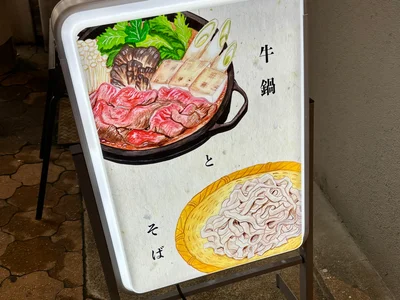
Che cosa è Japanese Hot Pot?: Japanese Hot Pot invites diners to gather around a simmering pot and cook ingredients at the table, creating a relaxed, interactive meal. Clear kombu stock, soy-based broths, and miso blends are commonly offered, each shaping the flavor of meats, seafood, tofu, mushrooms, and seasonal vegetables. Styles vary widely: shabu-shabu highlights quick swishing of thinly sliced beef with citrusy ponzu or nutty sesame sauce; sukiyaki features a gently sweet soy base; yosenabe brings a mix of hearty additions; chanko-nabe evokes the comfort of generous portions; and motsunabe showcases savory offal with garlic and chives. Many places present curated platters and à la carte selections, allowing guests to pace the meal and adjust the pot as they go. Toward the end, noodles or rice are often added for a satisfying finish known as shime. Rising steam, the sound of a gentle simmer, and shared timing create a dining experience that feels both warm and engaging.


.jpg?format=webp)
.jpg?format=webp)
.jpg?format=webp)
.jpg?format=webp)
.jpg?format=webp)
.jpg?format=webp)

.jpg?format=webp)

.jpg?format=webp)


.jpg?format=webp)



