Che cosa è Nagasaki?: Nagasaki’s dining culture reflects a maritime landscape and a history of exchange that introduced new flavors while preserving local traditions. Seafood from surrounding waters appears in sushi, simmered dishes, and casual plates served across neighborhoods. The area is also associated with specialties shaped by overseas influence, including champon, sara-udon, castella, and the banquet-style shippoku cuisine. In portside districts and tucked-away lanes, small eateries and relaxed izakaya present menus that highlight approachable seasoning and seasonal ingredients. A distinctive thread in Nagasaki’s story is how Japanese, Chinese, and European techniques met at the table, producing combinations that later found their way into home cooking. Beyond the urban center, island communities offer regional tastes, from Goto udon to simple dishes that showcase local produce and dried seafood. Travelers often plan meals around festivals and the changing seasons, discovering contrasts between everyday comfort fare and courses created for special gatherings.
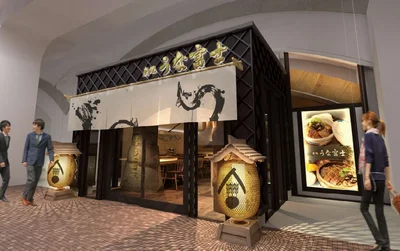
Che cosa è Eel?: Eel-focused restaurants highlight the pleasure of slow grilling over charcoal, where glossy tare lends a gentle sweetness and sheen while the skin turns lightly crisp and the flesh stays tender. Many menus feature kabayaki alongside salt-grilled fillets, and some kitchens employ a steam-then-grill method to emphasize a delicate texture. Bowls and lacquered boxes of eel over rice are common, as are regional styles that invite multiple ways to eat in one sitting. Diners may encounter white-grilled cuts seasoned simply, omelets rolled around eel, or a clear broth made with the liver. The counter often showcases the sizzle and aroma from the grill, shaping a dining experience that balances smoke, sauce, and craftsmanship. Attention to butchery, skewering, and precise heat control is central to the appeal, with small side dishes and pickles rounding out a meal that favors nuance and measured richness.
.jpg?format=webp)
.JPG?format=webp)
.JPG?format=webp)
.JPG?format=webp)
.jpg?format=webp)
.JPG?format=webp)


.jpg?format=webp)

.jpg?format=webp)



.jpg?format=webp)


.jpg?format=webp)



