Che cosa è Tottori?: Tottori sits on the Sea of Japan, where coastal harvests meet countryside produce to shape a quietly distinctive dining culture. Menus often highlight seasonal seafood such as snow crab and squid, alongside market-fresh sashimi and hot pots that suit the region’s winters. Local comfort dishes include beef-bone ramen with a mellow depth, tofu chikuwa grilled or steamed, and a well-loved curry tradition that appears in cafés and home kitchens. The area is also associated with the 20th Century pear and sand-dune rakkyō, ingredients that bring a crisp accent to sweets and pickles. In port towns and morning markets, visitors can browse simple eateries serving today’s catch, while in town centers they may find kaiseki, izakaya fare, bakeries, and contemporary bistros. Historically, the former Inaba and Hōki provinces and routes along the San’in coast encouraged an exchange of techniques, leaving a foodway that values seasonality, restraint, and everyday hospitality.
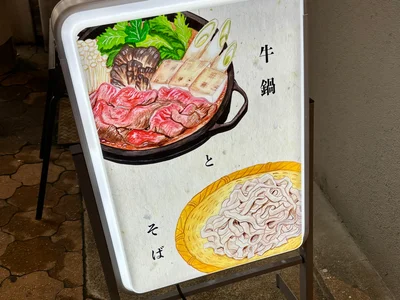
Che cosa è Japanese Hot Pot?: Japanese Hot Pot invites diners to gather around a simmering pot and cook ingredients at the table, creating a relaxed, interactive meal. Clear kombu stock, soy-based broths, and miso blends are commonly offered, each shaping the flavor of meats, seafood, tofu, mushrooms, and seasonal vegetables. Styles vary widely: shabu-shabu highlights quick swishing of thinly sliced beef with citrusy ponzu or nutty sesame sauce; sukiyaki features a gently sweet soy base; yosenabe brings a mix of hearty additions; chanko-nabe evokes the comfort of generous portions; and motsunabe showcases savory offal with garlic and chives. Many places present curated platters and à la carte selections, allowing guests to pace the meal and adjust the pot as they go. Toward the end, noodles or rice are often added for a satisfying finish known as shime. Rising steam, the sound of a gentle simmer, and shared timing create a dining experience that feels both warm and engaging.
.jpg?format=webp)

.jpg?format=webp)


.jpg?format=webp)



