Che cosa è Aichi?: Aichi is often associated with a bold, comforting food culture anchored by red miso. Diners can encounter a broad spectrum known collectively as Nagoya-meshi, ranging from miso-katsu and miso nikomi udon to hitsumabushi eel, flat kishimen noodles, tebasaki wings, tenmusu rice balls, and hearty ankake spaghetti. Markets, casual eateries, and specialty shops tend to sit side by side, shaping a scene that values everyday flavors and practical portions. Local menus frequently highlight seafood from Mikawa Bay, mountain vegetables, and regional chicken, with seasonality guiding many preparations. The area’s café tradition is notable, and the so-called morning service—light extras offered with drinks—can be part of the routine. Historical influences from castle towns and traffic along the old Tokaido route are said to have nurtured a blend of merchant savvy and home-style cooking, a mix that continues to inspire new takes on familiar dishes.
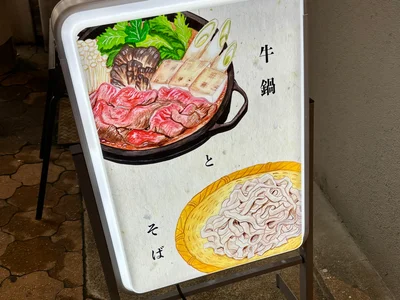
Che cosa è Japanese Hot Pot?: Japanese Hot Pot invites diners to gather around a simmering pot and cook ingredients at the table, creating a relaxed, interactive meal. Clear kombu stock, soy-based broths, and miso blends are commonly offered, each shaping the flavor of meats, seafood, tofu, mushrooms, and seasonal vegetables. Styles vary widely: shabu-shabu highlights quick swishing of thinly sliced beef with citrusy ponzu or nutty sesame sauce; sukiyaki features a gently sweet soy base; yosenabe brings a mix of hearty additions; chanko-nabe evokes the comfort of generous portions; and motsunabe showcases savory offal with garlic and chives. Many places present curated platters and à la carte selections, allowing guests to pace the meal and adjust the pot as they go. Toward the end, noodles or rice are often added for a satisfying finish known as shime. Rising steam, the sound of a gentle simmer, and shared timing create a dining experience that feels both warm and engaging.


.jpg?format=webp)
.jpg?format=webp)
.jpg?format=webp)


.jpg?format=webp)

.jpg?format=webp)

.jpg?format=webp)



.jpg?format=webp)

