Che cosa è Aichi?: Aichi is often associated with a bold, comforting food culture anchored by red miso. Diners can encounter a broad spectrum known collectively as Nagoya-meshi, ranging from miso-katsu and miso nikomi udon to hitsumabushi eel, flat kishimen noodles, tebasaki wings, tenmusu rice balls, and hearty ankake spaghetti. Markets, casual eateries, and specialty shops tend to sit side by side, shaping a scene that values everyday flavors and practical portions. Local menus frequently highlight seafood from Mikawa Bay, mountain vegetables, and regional chicken, with seasonality guiding many preparations. The area’s café tradition is notable, and the so-called morning service—light extras offered with drinks—can be part of the routine. Historical influences from castle towns and traffic along the old Tokaido route are said to have nurtured a blend of merchant savvy and home-style cooking, a mix that continues to inspire new takes on familiar dishes.
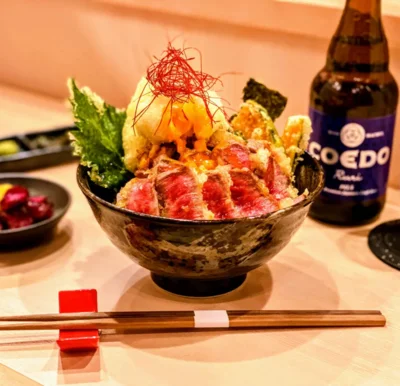
Che cosa è Tempura?: Tempura highlights the pleasure of batter and oil handled with restraint and precision. Diners often encounter prawns, white fish, squid, and seasonal vegetables lightly coated in a chilled batter and fried at a high temperature, yielding a crisp shell with tender textures inside. The experience frequently centers on timing: pieces arrive moments after leaving the fryer, inviting a relaxed pace as each bite is enjoyed while hot. Condiments such as tentsuyu with grated daikon, sea salt, or matcha salt offer contrasting accents. Menus may feature a counter service where items are presented one by one, mixed assortments for sharing, or pairings with rice and noodles like tendon, tempura soba, and udon. Variations in oil blends, batter thickness, and cut size create distinct aromas, sounds, and textures—from a gentle crackle to a lively sizzle—encouraging guests to compare nuances across ingredients and styles.


.jpg?format=webp)
.jpg?format=webp)
.jpg?format=webp)
.jpg?format=webp)
.jpg?format=webp)
.jpg?format=webp)
.jpg?format=webp)
.jpg?format=webp)
.jpg?format=webp)
.jpg?format=webp)
.jpg?format=webp)
.jpg?format=webp)




.jpg?format=webp)


.jpg?format=webp)



