Che cosa è Hachioji-shi?: Set at the western edge of Tokyo, Hachioji-shi blends urban convenience with the calm of wooded hills, shaping a dining scene that ranges from quick casual bites to thoughtful, slow-crafted meals. Local talk often points to Hachioji-style ramen—shoyu broth topped with finely chopped onions—as a familiar comfort, while proximity to Mount Takao encourages seasonal cooking that highlights mountain vegetables and regional produce. Around the station, lively izakaya, noodle shops, and family-run eateries share streets with cafés and international kitchens, creating options that suit after-work gatherings, weekend strolls, and unhurried lunches. Menus frequently emphasize clear flavors, careful knife work, and broths simmered for depth rather than heaviness. The city is frequently associated with its past along the Koshu Kaido and a tradition of textile craft; that heritage is echoed in a measured attention to technique and materials in many kitchens. Visitors may find a quietly confident food culture that values variety, seasonality, and craft.
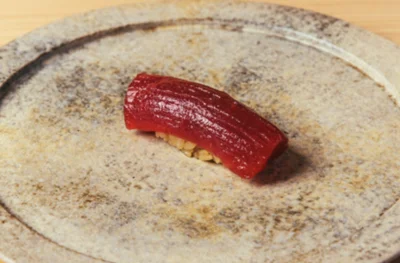
Che cosa è Sushi?: Sushi highlights the delicate balance of vinegared rice and carefully prepared seafood, with an emphasis on clean flavors and precise technique. Many counters present nigiri one piece at a time, allowing diners to notice details such as rice temperature, the cut of the fish, and a light brush of soy or a touch of citrus. Common styles include nigiri, maki rolls, temaki, and chirashi, while occasional searing, marination, or aging brings added depth. Seasonal selections often guide the progression of a meal, and some venues offer an omakase format that follows the chef’s rhythm. Beyond fish, vegetables, egg, and shellfish appear in thoughtful combinations. The experience may include conversation with the chef, pacing that builds from lighter bites to richer pieces, and a focus on texture as much as taste. Whether at a counter or a table, the appeal lies in craftsmanship and the expression of each ingredient.