Che cosa è Chuo-ku?: Chuo-ku offers a broad spectrum of flavors, from intimate sushi counters and kaiseki to contemporary bistros and global cuisines. Seasonal menus, polished service, and thoughtful plating often take center stage, while office towers sustain an active lunchtime rhythm. Evenings shift toward bars, wine-focused dining, and late-night ramen or yakitori alleys. Department-store food halls provide prepared dishes, sweets, and regional specialties for casual tasting and takeaway. The legacy of a historic waterfront market is often cited as an influence on today’s seafood craft, shaping details from tempura technique to sashimi selection. Many venues favor counter seating that highlights chef–guest interaction, and coursed meals are designed to showcase balance and seasonality. Whether planning a formal dinner or a quick stop between galleries and theaters, visitors may find experiences that blend tradition with urban polish.
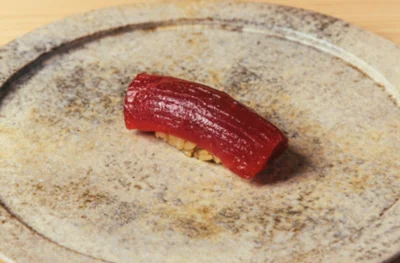
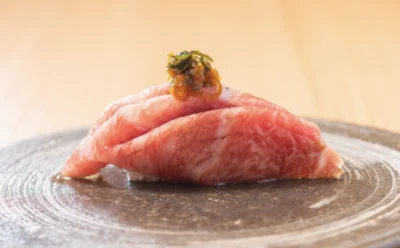
Che cosa è Sushi?: Sushi highlights the delicate balance of vinegared rice and carefully prepared seafood, with an emphasis on clean flavors and precise technique. Many counters present nigiri one piece at a time, allowing diners to notice details such as rice temperature, the cut of the fish, and a light brush of soy or a touch of citrus. Common styles include nigiri, maki rolls, temaki, and chirashi, while occasional searing, marination, or aging brings added depth. Seasonal selections often guide the progression of a meal, and some venues offer an omakase format that follows the chef’s rhythm. Beyond fish, vegetables, egg, and shellfish appear in thoughtful combinations. The experience may include conversation with the chef, pacing that builds from lighter bites to richer pieces, and a focus on texture as much as taste. Whether at a counter or a table, the appeal lies in craftsmanship and the expression of each ingredient.


.jpg?format=webp)
.jpg?format=webp)
.jpg?format=webp)
.jpg?format=webp)
.jpg?format=webp)
.jpg?format=webp)


.jpg?format=webp)
.jpg?format=webp)
.jpg?format=webp)
.jpg?format=webp)
.jpg?format=webp)
.jpg?format=webp)

.jpg?format=webp)

.jpeg?format=webp)
.jpg?format=webp)

.jpg?format=webp)


.jpg?format=webp)


 United States Valutazioni degli utenti3.82(1risultati)


 United States Valutazioni degli utenti3.92(2risultati)

.jpg?format=webp)
.jpg?format=webp)
.jpg?format=webp)
.jpg?format=webp)
 United States Valutazioni degli utenti3.20(2risultati)
United States Valutazioni degli utenti3.20(2risultati)


 United States Valutazioni degli utenti4.39(20risultati)


.jpg?format=webp)


 United States Valutazioni degli utenti3.67(1risultati)


 United States Valutazioni degli utenti3.66(1risultati)
.JPG?format=webp)
.jpg?format=webp)
.JPG?format=webp)
.JPG?format=webp)
.JPG?format=webp)
.JPG?format=webp)
.jpg?format=webp)
.jpg?format=webp)
.jpg?format=webp)
.jpg?format=webp)
.jpg?format=webp)
.jpg?format=webp)


.jpg?format=webp)
.jpg?format=webp)
.jpg?format=webp)
.jpg?format=webp)
.jpg?format=webp)
.jpg?format=webp)






