Che cosa è Minato-ku?: Minato-ku, a central Tokyo ward where waterfront redevelopment, business districts, and international communities meet, offers a dining scene that shifts from polished lunchtime counters to late-night hideaways. Sushi bars, kappo and tempura specialists share the stage with contemporary Japanese, French, Italian, and pan-Asian kitchens, while cafés, patisseries, and sake-focused counters round out the landscape. Proximity to embassies and media offices encourages multilingual service and menus that travel comfortably between tastes, inviting encounters with regional Japanese ingredients alongside global techniques. Seasonal tasting courses sit near charcoal-grilled skewers and convivial izakaya fare, and many venues highlight provenance and craftsmanship without excess formality. The ward’s port-associated name and modern redevelopment have shaped streets where long-standing eateries stand near glass towers, suggesting a food culture that values continuity as much as reinvention. Short walks often reveal distinct moods—from quiet residential lanes to neon nightlife—each offering its own style of hospitality and a sense of discovery.
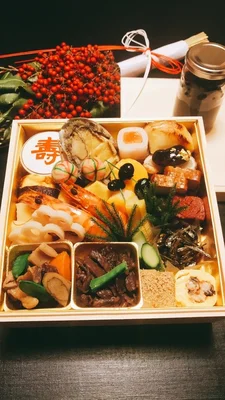
Che cosa è Kaiseki?: Kaiseki presents a measured progression of small courses that follow the seasons and highlight clarity of flavor. A typical meal may begin with a delicate appetizer, continue with sashimi or a chilled preparation, and unfold through simmered and grilled dishes, steamed items, and palate-refreshing interludes. The flow often concludes with rice, pickles, and soup before a restrained dessert. Techniques such as slow simmering, gentle steaming, charcoal grilling, and precise knife work aim to showcase ingredients rather than mask them. Attention to tableware plays a central role, with handcrafted ceramics and lacquerware chosen to complement color, aroma, and texture. Menus commonly reflect local produce and seafood, and portion sizes tend to encourage a comfortable pace. Many dining rooms emphasize seasonality in flowers, utensils, and serving vessels, while counter seating can offer a close view of the chef’s work. The result is a calm, curated experience focused on balance, timing, and understated elegance.


.jpg?format=webp)
.png?format=webp)

.jpg?format=webp)


.png?format=webp)


.png?format=webp)
.png?format=webp)
.png?format=webp)
.png?format=webp)
.png?format=webp)


.jpg?format=webp)
.jpg?format=webp)
.jpg?format=webp)
.jpg?format=webp)
.jpg?format=webp)


 United States Valutazioni degli utenti4.21(1risultati)


 United States Valutazioni degli utenti4.10(1risultati)


.JPG?format=webp)
.heic?format=webp)
.jpg?format=webp)
.jpg?format=webp)
.heic?format=webp)
.heic?format=webp)


.png?format=webp)
.png?format=webp)
.png?format=webp)
.png?format=webp)
.jpg?format=webp)
.jpg?format=webp)
.jpg?format=webp)


.jpg?format=webp)
.jpg?format=webp)
.jpg?format=webp)
.jpg?format=webp)
.jpg?format=webp)
.jpg?format=webp)






