Che cosa è Chuo-ku?: Chuo-ku offers a broad spectrum of flavors, from intimate sushi counters and kaiseki to contemporary bistros and global cuisines. Seasonal menus, polished service, and thoughtful plating often take center stage, while office towers sustain an active lunchtime rhythm. Evenings shift toward bars, wine-focused dining, and late-night ramen or yakitori alleys. Department-store food halls provide prepared dishes, sweets, and regional specialties for casual tasting and takeaway. The legacy of a historic waterfront market is often cited as an influence on today’s seafood craft, shaping details from tempura technique to sashimi selection. Many venues favor counter seating that highlights chef–guest interaction, and coursed meals are designed to showcase balance and seasonality. Whether planning a formal dinner or a quick stop between galleries and theaters, visitors may find experiences that blend tradition with urban polish.
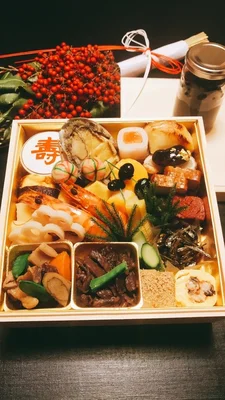
Che cosa è Kaiseki?: Kaiseki presents a measured progression of small courses that follow the seasons and highlight clarity of flavor. A typical meal may begin with a delicate appetizer, continue with sashimi or a chilled preparation, and unfold through simmered and grilled dishes, steamed items, and palate-refreshing interludes. The flow often concludes with rice, pickles, and soup before a restrained dessert. Techniques such as slow simmering, gentle steaming, charcoal grilling, and precise knife work aim to showcase ingredients rather than mask them. Attention to tableware plays a central role, with handcrafted ceramics and lacquerware chosen to complement color, aroma, and texture. Menus commonly reflect local produce and seafood, and portion sizes tend to encourage a comfortable pace. Many dining rooms emphasize seasonality in flowers, utensils, and serving vessels, while counter seating can offer a close view of the chef’s work. The result is a calm, curated experience focused on balance, timing, and understated elegance.


.png?format=webp)
.png?format=webp)
.png?format=webp)
.png?format=webp)
.png?format=webp)
.png?format=webp)


.jpg?format=webp)


.png?format=webp)

.jpg?format=webp)


 United States Valutazioni degli utenti3.68(1risultati)


.jpg?format=webp)
.JPG?format=webp)
.jpg?format=webp)
.jpg?format=webp)
.JPG?format=webp)
.jpg?format=webp)


.jpg?format=webp)
.jpg?format=webp)
.jpg?format=webp)
.jpg?format=webp)
.jpg?format=webp)
.jpg?format=webp)

.jpg?format=webp)
.jpg?format=webp)

.jpg?format=webp)

.jpg?format=webp)
.jpg?format=webp)
.jpg?format=webp)
.jpg?format=webp)
.jpg?format=webp)
.jpg?format=webp)


.webp?format=webp)
.webp?format=webp)
.webp?format=webp)






